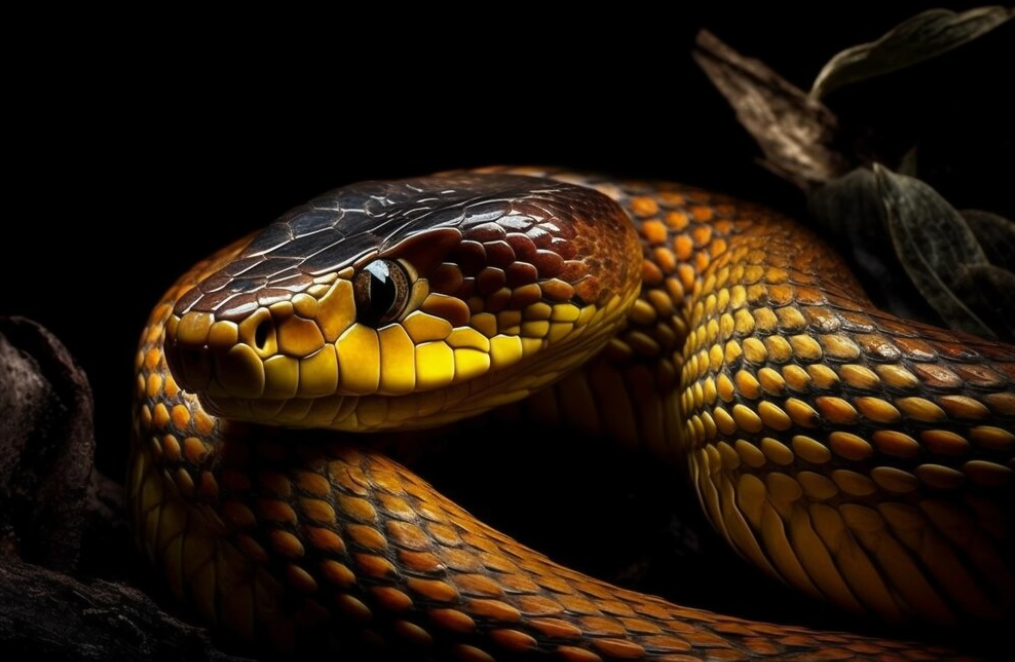
Quick Top 10 Facts about Aesculapian Snake
| SCIENTIFIC NAME | Zamenis longissimus (Aesculapian Snake) |
| CLASSIFICATION | KINGDOM: Animalia CLASS: Reptilia ORDER: Squamata FAMILY: Colubridae PHYLUM: Chordata GENUS: Zamenis |
| SIZE | Length: 1.2–2 meters (3.9–6.6 feet) |
| HABITAT | Woodlands, forest edges, ruins, and warm, rocky areas across Europe |
| DIET | Carnivorous – Feeds on small mammals, birds, eggs, and lizards |
| SPECIES | Aesculapian Snake (Zamenis longissimus) – A non-venomous colubrid snake |
| COUNTRY | Found in central and southern Europe, including Italy, France, Germany, and the Balkans |
| GESTATION PERIOD | Eggs incubate for about 6–10 weeks; typically lay 5–15 eggs in summer |
| LIFE SPAN | Up to 25–30 years in captivity; generally shorter in the wild |
| CONSERVATION STATUS | Least Concern – Populations stable in many areas, but locally threatened by habitat loss |
Physical characteristics and appearance of the Aesculapian Snake
The Zamenis longissimus, often known as the Aesculapian Snake, is a non-venomous snake species that inhabits several regions of Europe. With adults growing up to two metres in length, it is a really huge snake. The snake’s body is slim, and its smooth scales are usually grey or brown in hue. The long, tapering tail of the Aesculapian Snake is one of its distinguishing characteristics; it aids in climbing and tree-climbing.
Unique adaptations that allow it to thrive in its habitat
Aesculapian snakes are mostly arboreal; they spend a lot of time in trees. They may be found in many different settings, including woods, woodlands, and even urban areas with appropriate vegetation. They are also superb climbers. Due in part to their well-known capacity for environmental adaptation, these snakes are widely distributed across Europe.
Mating rituals, gestation period, and the number of offspring produced.
Aesculapian snakes smother their victims by coiling their bodies around them and applying pressure until the victim suffocates. This is known as constriction. They mostly eat birds and their eggs, as well as small animals like mice and rats. These snakes are known to bask in the sun to control their body temperature. They are known to be active throughout the day. They are usually peaceful and non-aggressive towards people, but as a protective strategy, they may bite or hiss if they feel threatened. All things considered, the Aesculapian Snake is an intriguing species with distinctive qualities that complement its arboreal environment.
Average size, coloration, and distinctive features
Aesculapian snakes are amazing animals with a rich and colourful past. This snake has always captured our attention, whether it is because of its connections to mythology from antiquity or its use in contemporary medicine. We can help save these amazing animals and make sure that they survive for future generations if we comprehend and value them.
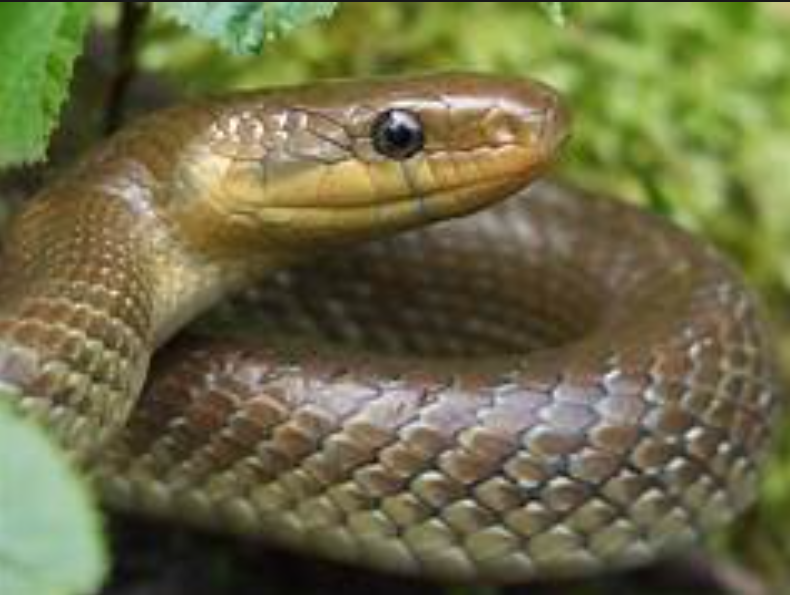 Native to Europe, the Aesculapian Snake, also called Zamenis longissimus, is a non-venomous snake species. It is a long, thin-bodied, intriguing creature with a prominent role in both mythology and medicine.
Fascinating facts about the Aesculapian Snake
1. Size and Appearance: coloration and distinctive features
Although some have been known to reach lengths of 10 feet, the Aesculapian Snake is a huge snake that may grow up to 7 feet in length. Its body is thin, sleek, and glossy; the hue is generally grey or brown. Its back has a characteristic pattern of black dots, while the hue of its belly is either cream or yellow.
2. Natural Environment: Habitat and Distribution
The southern and central regions of Europe, which include Austria, Greece, and Italy, are home to the majority of these snakes. They like environments like woods, meadows, and rocky slopes that combine open spaces with thick vegetation. They are commonly found in trees or on rocky outcrops, and they are good climbers.
3. Nutrition and Consumption: feeding habits and its prey
As a carnivorous species, the aesculapian snake mostly consumes small animals, birds, and their eggs. They are expert hunters who detect prey using their excellent sense of smell. When they get their victim in their grasp, they round it with their bodies to suffocate it and then devour it whole.
4. Reproduction and Life Cycle
As oviparous snakes, aesculapian snakes lay eggs. Usually, the females deposit a clutch of 10–20 eggs on decaying logs or other appropriate places. Before hatching, the eggs are allowed to incubate for two to three months. From birth, the hatchlings are self-sufficient and have to fend for themselves.
5. Significance to Culture
Mythology and medicine have a long relationship with the Aesculapian Snake. It is connected to Asclepius, the Greek deity of healing, who is sometimes seen with a staff that is coiled with a snake. The Rod of Asclepius is a symbol of medicine and healing that is still in use today.
6. Conservation Status: conservation status of the Aesculapian Snake.
The International Union for Conservation of Nature (IUCN) presently lists the Aesculapian Snake as a species of least concern. However, because of habitat loss and fragmentation, it is legally protected in several European nations. There are initiatives underway to protect their native environments and increase public understanding of their significance to ecosystems.
7. Communication and relationships with people
The majority of the time, aesculapian snakes are not hostile and do not threaten people. Being timid creatures, they often run away or hide when they are approached. But it’s crucial to keep in mind that they’re wild creatures, so keep your distance while observing them. In many countries, it is against the law to catch or injure these snakes.
FAQ (frequently asked questions) about Aesculapian Snake
Q: What is an Aesculapian Snake?
Ans: The Aesculapian Snake (Zamenis longissimus) is a non-venomous, slender snake native to Europe. It is known for its historical association with healing and medicine, often depicted coiled around the Rod of Asclepius.
Q: Where do Aesculapian Snakes live?
Ans: Aesculapian Snakes are found in parts of southern and central Europe, including Italy, France, Germany, and the Balkans. They prefer warm, wooded habitats, rocky hillsides, and areas near ruins or stone walls.
Q: What do Aesculapian Snakes eat?
Ans: These snakes primarily feed on small mammals such as rodents, birds, eggs, and lizards. They are constrictors, using their coils to subdue prey before swallowing it whole.
Q: Are Aesculapian Snakes dangerous to humans?
Ans: No, Aesculapian Snakes are non-venomous and not dangerous to humans. They are shy and reclusive, often avoiding contact with people and posing no threat.
Q: How do Aesculapian Snakes reproduce?
Ans: Aesculapian Snakes breed in late spring to early summer. Females lay between 5 and 15 eggs in warm, hidden places such as compost heaps or under logs. The eggs hatch after about two months.
Q: Are Aesculapian Snakes endangered?
Ans: In some parts of their range, Aesculapian Snakes are considered vulnerable due to habitat loss and human interference. However, they are not globally endangered and remain stable in many areas.
Q: How long do Aesculapian Snakes live?
Ans: In the wild, Aesculapian Snakes can live for around 15 to 20 years, although their lifespan can be shorter depending on predation and environmental conditions.
Q: What are the physical characteristics of Aesculapian Snakes?
Ans: Aesculapian Snakes can grow up to 2 meters (about 6.5 feet) long. They have smooth, glossy scales and a typically olive-green or brown coloration with a lighter underside.
Q: Do Aesculapian Snakes climb?
Ans: Yes, Aesculapian Snakes are excellent climbers and often scale trees, walls, and other structures in search of food or shelter, which is unusual for such a large European snake.
Q: Why is the Aesculapian Snake associated with medicine?
Ans: The Aesculapian Snake is linked to Asclepius, the Greek god of healing. It is famously shown wrapped around the Rod of Asclepius, a symbol still used in modern medicine and pharmacy today.
#AesculapianSnake, #NonVenomousSnake, #SnakeLovers, #ReptilePhotography, #WildlifePhotography, #ReptileWorld, #SnakeConservation, #EuropeanWildlife, #NatureLovers, #SnakesOfInstagram, #ReptileLife, #SlitheringBeauty, #SnakeWatch, #ForestWildlife, #ReptileLovers
Our sources and references about Aesculapian Snake
1: Wikipedia – Aesculapian Snake
2: IUCN Red List – Zamenis longissimus
3: NatureScot – Aesculapian Snake in the UK
4: Herpetological Conservation and Biology – Aesculapian Snake Study (PDF)