Comprehending the complexities of the animal world is an advantageous skill that includes a broad spectrum of knowledge about different species. This includes an understanding of animals’ behavior, habitats, and distinctive features, in addition to fundamental information about them. People who are well-versed in animal facts are better able to recognize the variety of life on Earth and the significance of conservation initiatives. When examining and safeguarding various species, it also helps scientists and researchers to make well-informed judgments.
Discovering the intriguing field of zoology—which studies animals and their interactions with their surroundings—entails learning about interesting animal facts. Animal anatomy, physiology, and taxonomy are just a few of the many subjects covered in this area of study. Through investigating these regions, people may learn more about how creatures have changed throughout time and adapted to their environments. For conservationists to identify dangers to various species and create plans to conserve them, this information is essential.
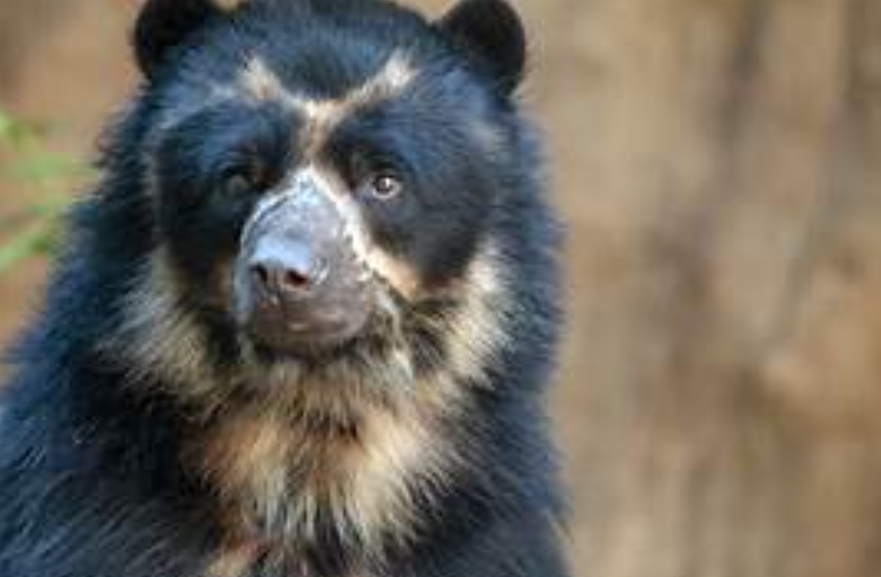
The Spectacled Bear, also known as the Andean Bear, is the only bear species native to South America. It is named for the pale markings around its eyes, which resemble…
The Silver Labrador is a variation of the Labrador Retriever, characterized by its unique silver-gray coat. Like all Labradors, they are friendly, intelligent, and energetic dogs, making them excellent family…
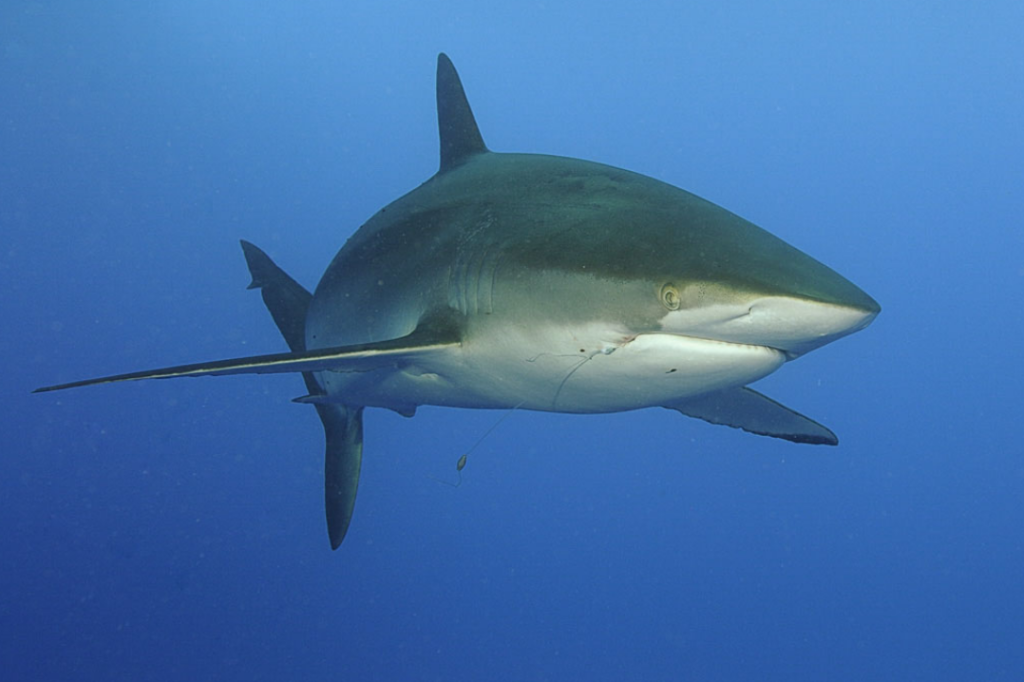
The Silky Shark is a species of shark found in tropical and subtropical waters around the world. It gets its name from its smooth, silky skin, and it is known…
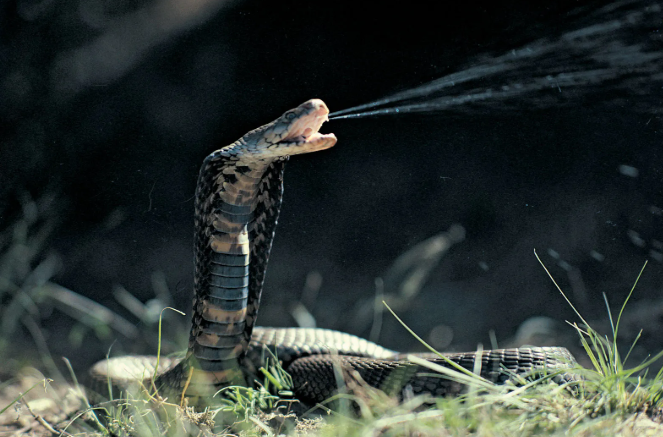
The Zebra Spitting Cobra is a venomous snake found in parts of Africa. It is known for its ability to spit venom from a distance, which it uses to deter…
The Spotted Lanternfly is an invasive insect species native to Asia that has become a major pest in North America. It is known for its striking appearance, with spotted wings…
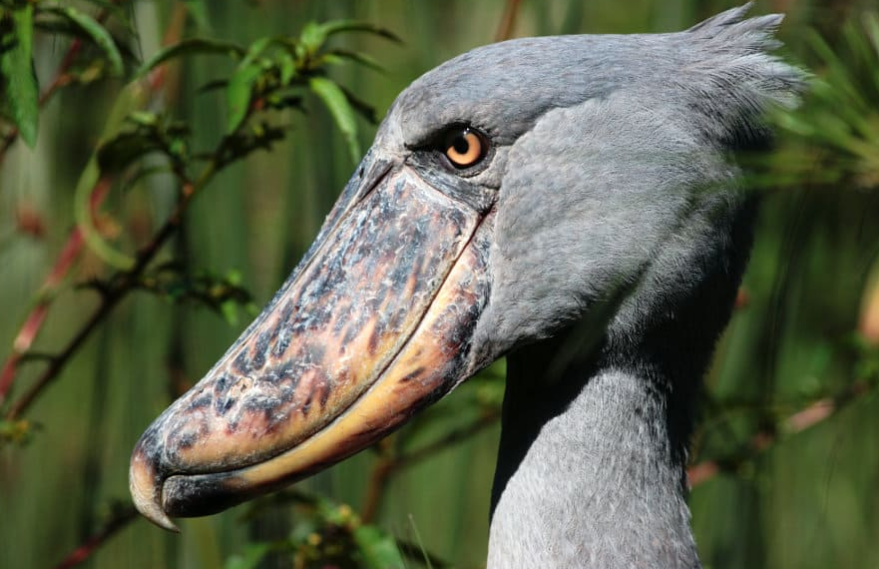
Quick Top 10 Facts about Shoebill Stork The Shoebill Stork is a large, prehistoric-looking bird found in the swamps and wetlands of central tropical Africa. It is known for its…
A Complete Guide to the Interesting Southern Hognose Snake The Southern Hognose Snake: An Overview In herpetology, the Southern Hognose Snake (Heterodon simus) stands out as a fascinating species. This…
The Snow Bunting is a small, migratory songbird found in northern regions of North America and Eurasia. It has a striking plumage, with males displaying mostly white feathers in the…
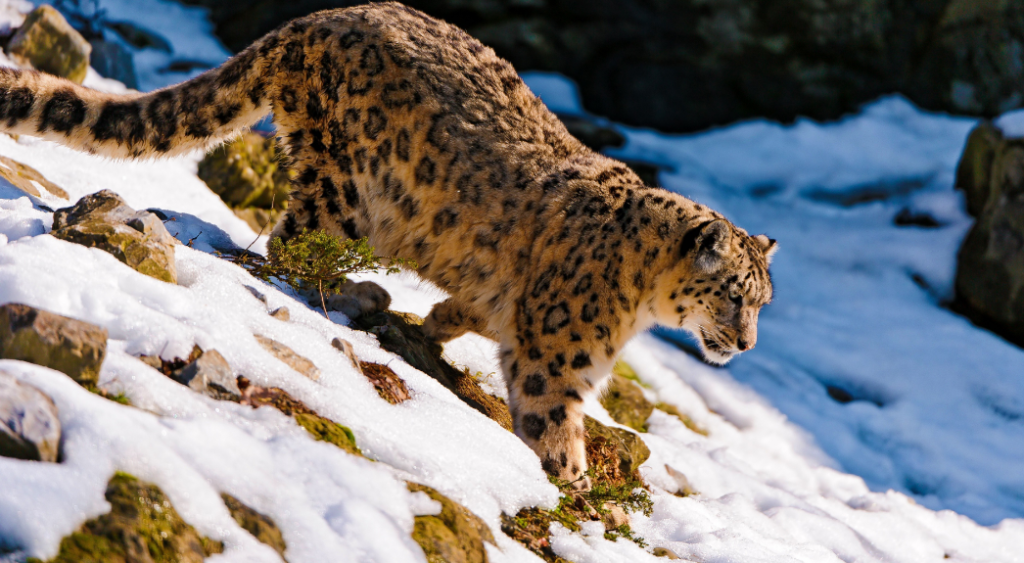
The Snow Leopard is a large, carnivorous cat native to the mountain ranges of Central and South Asia. It is known for its thick fur, which helps it survive the…
The Sockeye Salmon is a species of salmon found in the Pacific Ocean. It is famous for its bright red coloration during the spawning season. Sockeye salmon are prized for…
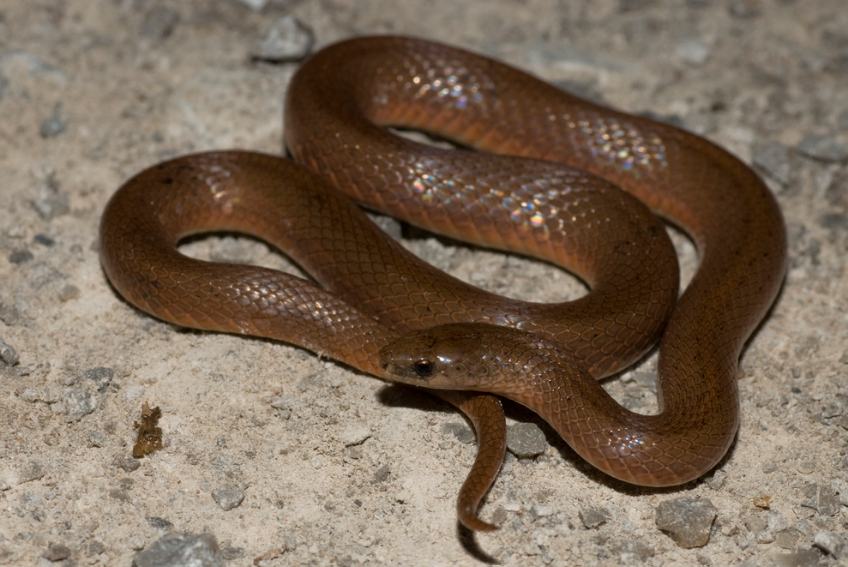
The Smooth Earth Snake is a small, non-venomous snake found in North America. It has smooth, shiny scales and typically inhabits woodlands and grasslands. It feeds on small invertebrates, such…
The Spongy Moth, formerly known as the Lymantria dispar, is an invasive species originally from Europe. It is infamous for the damage its larvae cause to trees, particularly oaks. These…