Quick Top 10 Facts about Brown-banded Cockroach
| SCIENTIFIC NAME | Supella longipalpis |
| CLASSIFICATION | KINGDOM: Animalia PHYLUM: Arthropoda CLASS: Insecta ORDER: Blattodea FAMILY: Ectobiidae GENUS: Supella SPECIES: S. longipalpis |
| SIZE | Length: 1–1.5 inches (2.5–3.8 cm) |
| HABITAT | Commonly found in homes, particularly in kitchens, bathrooms, and wall voids |
| DIET | Omnivorous; feeds on food crumbs, grease, paper, and other organic matter |
| SPECIES | Brown-banded Cockroach, a small but widespread species of cockroach known for its distinctive banding |
| COUNTRY | Native to the tropical and subtropical regions of the world; commonly found in homes in many countries |
| GESTATION PERIOD | Egg case (ootheca) takes about 30–45 days to hatch |
| LIFE SPAN | Approximately 6 months to a year, depending on environmental conditions |
| CONSERVATION STATUS | Not considered endangered; however, they can be a pest in human environments |
Amazing Facts About Brown-banded Cockroaches
1. Brown-banded Cockroaches are small and agile
Their small size and ability to hide in tight spaces make them particularly difficult to detect.
2. They have distinctive markings
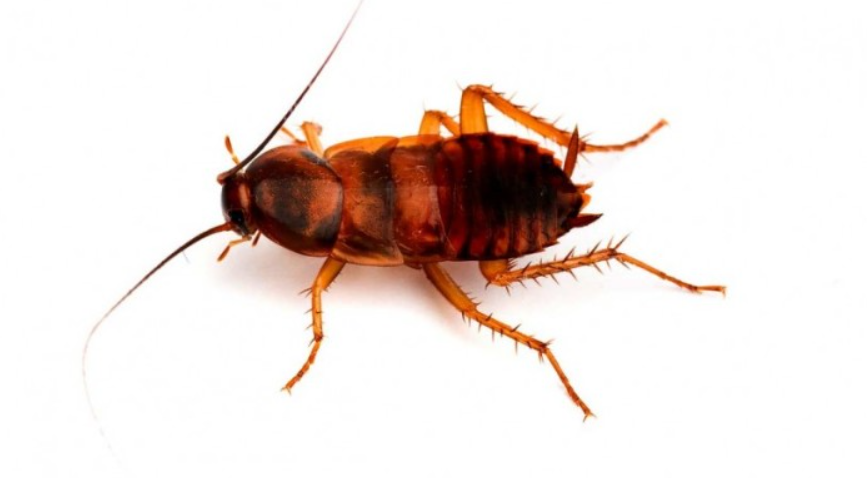
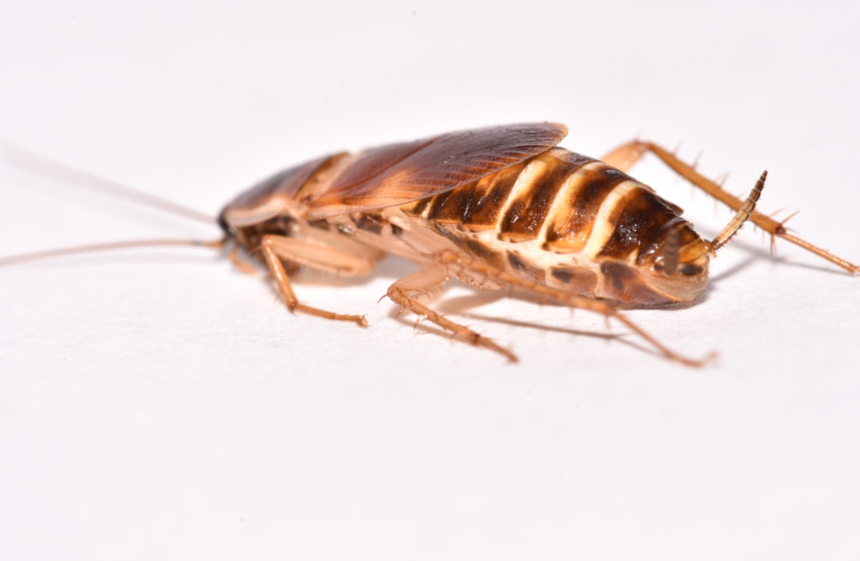
These cockroaches are named for the light-colored bands that run across their brown bodies.
3. They are excellent climbers
Brown-banded Cockroaches can easily climb walls, ceilings, and smooth surfaces, making them common in kitchens and bathrooms.
4. They can live in dry environments
Unlike other cockroaches, Brown-banded Cockroaches can tolerate drier areas of the home.
5. They are nocturnal
These cockroaches are most active at night when they search for food and water.
6. They are fast movers
Brown-banded Cockroaches can run quickly and are known for their ability to scurry away at the slightest disturbance.
7. They reproduce quickly
Females produce egg cases (oothecae) that contain multiple eggs, which hatch within a few weeks, leading to rapid population growth.
8. They can be a nuisance in homes
While not dangerous, they can contaminate food and surfaces with bacteria, making them a potential health hazard.
9. They can spread allergens
The body parts and feces of cockroaches can trigger asthma and allergic reactions in some individuals.
10. Control methods include cleanliness and traps
Eliminating food sources, sealing entry points, and using insecticides or traps are common methods for controlling Brown-banded Cockroach populations in homes.
Intriguing facts about brown-banded cockroaches
The brown-banded cockroach is one kind of cockroach that is often seen in houses and other structures. Unlike other cockroach species, the brown-banded cockroach prefers to live in drier areas like closets, bedrooms, and furniture. Their tendency to infest different rooms within a residence makes them a popular home pest.
Different types of traits of brown-banded cockroach
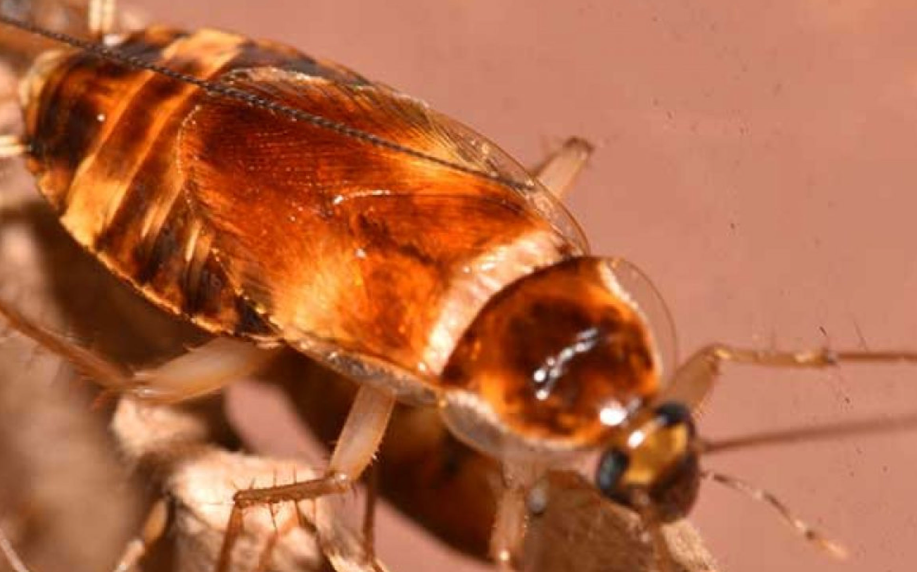
One of the traits that distinguishes the brown-banded cockroach from other species is its colouring. As the name suggests, this species has brown bands covering its wings and abdomen. The adult cockroaches have more pronounced bands than the nymphs, which have a softer colouring. Because of their colouring, which helps them blend in with their surroundings, they are difficult to recognise.
Nocturnal nature of brown-banded cockroaches: preference for dark and secluded areas
The brown-banded cockroach is a nocturnal bug, meaning that it is most active at night. Because they are omnivores, they can eat a wide range of things, such as crumbs, book bindings, and oil. Their ability to adapt allows them to survive in a range of environments, which explains how they might penetrate different areas of a building.
Brown-banded cockroaches have the ability to survive without water for extended periods of time
Compared to several other cockroach species, the brown-banded cockroach requires less moisture to survive. As a result, they become more resilient and can live in arid conditions. They also have a reputation for being more adept climbers than other cockroaches, which makes it easier for them to move across rooms and even up to the upper areas of a building.
Brown-banded cockroaches are not very popular, like other cockroaches
Brown-banded cockroaches, although not as well-known as some other cockroach species, can still be a nuisance in residential and commercial spaces. Recognising and managing infestations may be aided by knowledge of their life cycle, behaviour, food, and outward appearance. You can reduce the chance of these pests entering your area by keeping everything hygienic and tidy.
short lifespan of Brown-banded cockroaches
The usual lifespan of a mature male brown-banded cockroach is 3–6 months, but females may live up to 9 months. This lifespan is not very long. Nonetheless, throughout the course of her life, a female may produce several egg cases, each containing around 10 to 18 eggs. Their remarkable capacity to reproduce allows them to quickly infest an area if left unchecked.
The significance of maintaining cleanliness and regular inspections to deter infestations
Brown-banded Cockroach infestations may be controlled and avoided by keeping areas clean and eliminating potential food and water sources. Vacuuming and cleaning frequently used areas like closets and bedrooms is one strategy to reduce their population. Another way to keep them out of other areas is to seal the cracks and crevices left by furniture and walls. If the infestation is severe, professional pest control services may be necessary to effectively eradicate the cockroaches.
Some fascinating details on the brown-banded cockroach
The brown-banded cockroach (Supella longipalpa) is a common home pest all over the world. Even though they are not as common as other cockroach species, such as the German cockroach, they may nonetheless be a nuisance in homes and commercial spaces. We’ll look at some fascinating details on the brown-banded cockroaches below:
Understanding their behavior and characteristics
The characteristic bands that run the length of its wings and abdomen have given rise to the term “brown-banded cockroach.” The mature cockroaches are light brown in colour and are about half an inch in length. While the females have undeveloped wings and are unable to fly, the males have fully formed wings and are able to fly short distances.
Brown-banded cockroaches are a common household pest
These cockroaches are nocturnal and would rather spend the day hiding in warm, dark places. It has been reported that they infest bedrooms, kitchens, bathrooms, and even furniture in homes. They can travel across rooms with ease by utilising pipes and electrical lines since they are skilled climbers.
Brown-banded cockroaches has omnivorous diet and feed on various organic materials
Brown-banded cockroaches are omnivores, consuming almost everything. Their diet consists of a variety of items, such as organic materials and starchy and sweet foods. They have been seen consuming paper products, food spills, and even leftover crumbs.
Brown-banded cockroaches Survive without water
Brown-banded cockroaches do not always need access to water, in contrast to some other cockroach species. Since they can go for extended periods of time without water, they are better suited to a variety of habitats. However, they will still look for water if it’s easily accessible.
Brown-banded cockroaches reproductive behavior and the number of eggs laid by females
Throughout their lives, female brown-banded cockroaches may lay up to 14 egg cases, each of which has 10–18 eggs. Usually concealed in nooks and crannies, these egg casings are hard to find. In around two weeks, the eggs hatch, and the nymphs go through many moulting phases before maturing into adults.
The life cycle of brown-banded cockroaches
A brown-banded cockroach’s whole life cycle, from egg to adult, may take three to six months. An adult cockroach may live anywhere from six to 10 months, depending on temperature and food availability, among other things.
The importance of prompt control measures to prevent health issues from brown-banded cockroaches
Brown-banded cockroaches may nevertheless be harmful to your health, even if they are not known to spread illness like some other kinds. Sensitive people may develop allergies and asthma triggered by their excrement and shed skin. Their presence in a house or workplace may also indicate unhygienic conditions.
Tips to prevent and Control brown-banded cockroaches
Keeping your home tidy and clutter-free is essential to managing a brown-banded cockroach infestation. To help remove possible food sources, vacuum and clean the places where food is prepared or eaten on a regular basis. Another way to stop these cockroaches from entering your house is to seal up gaps and openings.
Expertise and targeted treatments in eradicating brown-banded cockroaches
It is advised that you contact a pest control company if you think you may have a brown-banded cockroach infestation. They have the skills and knowledge necessary to get rid of these pests and prevent infestations in the future.
FAQ (Frequently Asked Questions) about Brown-banded Cockroach
Q: What is a Brown-banded Cockroach?
Ans: The Brown-banded Cockroach (Supella longipalpis) is a species of cockroach commonly found in homes and buildings. It is smaller than the typical American cockroach and is named for the distinctive brown bands running across its wings and body.
Q: What does the Brown-banded Cockroach look like?
Ans: Brown-banded cockroaches are small, measuring about 1/2 inch (1.3 cm) in length. They have a tan to light brown body with two dark, transverse bands running across their wings, which is a distinguishing characteristic of this species.
Q: Are Brown-banded Cockroaches harmful?
Ans: While Brown-banded Cockroaches do not bite humans, they can carry disease-causing bacteria. Their presence can contribute to the spread of allergens, which can trigger asthma and other respiratory issues in sensitive individuals, particularly in children and the older people.
Q: Where are Brown-banded Cockroaches found?
Ans: Brown-banded Cockroaches are commonly found in warmer, indoor environments such as homes, apartments, hotels, and other buildings. They prefer dry, high places, such as walls, ceilings, and furniture, rather than the damp areas where other cockroaches are often found.
Q: What do Brown-banded Cockroaches eat?
Ans: Brown-banded cockroaches are omnivores and scavengers, feeding on a wide variety of food sources. This includes crumbs, pet food, paper, and organic materials like glue or fabric. They can also feed on books, which makes them a particular nuisance in libraries or offices.
Q: How do you get rid of Brown-banded Cockroaches?
Ans: To eliminate Brown-banded Cockroaches, it’s essential to maintain a clean environment, seal cracks and crevices, and reduce moisture. Bait stations, insecticides, and traps can be effective in controlling their population. In some cases, professional pest control services may be necessary for larger infestations.
Q: Are Brown-banded Cockroaches a sign of poor hygiene?
Ans: While Brown-banded Cockroaches are more likely to be found in areas with some level of food or moisture, their presence does not necessarily indicate poor hygiene. They are highly adaptable and can infest even clean homes. However, their presence does suggest that there is an accessible food source and possible moisture.
Q: How do Brown-banded Cockroaches reproduce?
Ans: Female Brown-banded Cockroaches produce egg cases, each containing approximately 14-18 eggs. The egg cases are typically hidden in dark crevices or cracks. The female carries the egg case until it is nearly ready to hatch, and then she deposits it in a safe location. The nymphs emerge in about 1-2 months.
Q: How long do Brown-banded Cockroaches live?
Ans: Brown-banded Cockroaches have a lifespan of about 6-12 months, depending on environmental conditions. Their life cycle consists of egg, nymph, and adult stages, with adults being capable of reproducing after about 60-100 days.
#BrownBandedCockroach, #CockroachControl, #PestControl, #IndoorPests, #HomePests, #CockroachInfestation, #PestPrevention, #InsectPests, #BrownBanded, #CleanLiving
Our sources and references about Brown-banded Cockroach
1: Wikipedia – Brown-banded Cockroach
2: CDC – Brown-banded Cockroach Fact Sheet
3: National Pest Management Association – Brown-banded Cockroach