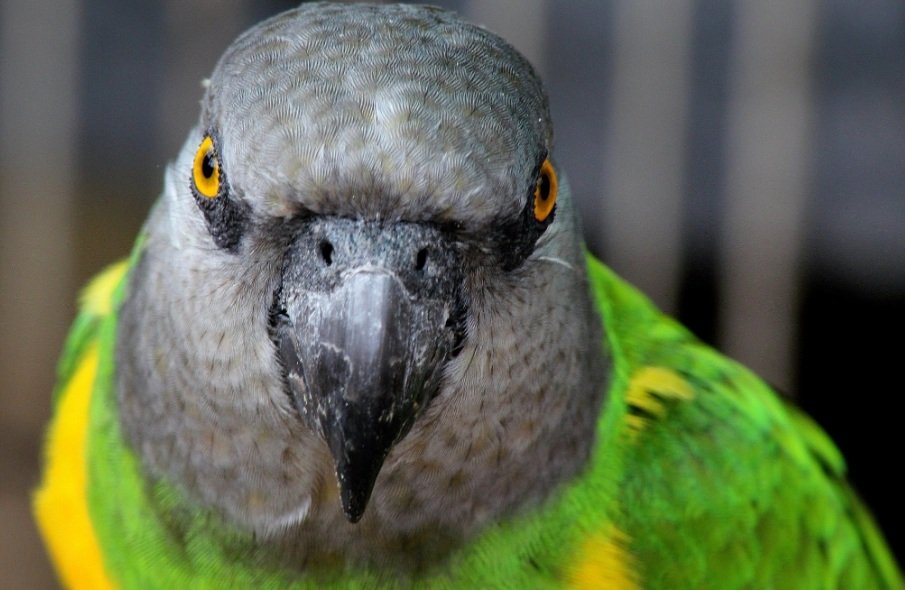
Senegal Parrots are a popular species of parrot native to West Africa, known for their playful and social nature. These medium-sized parrots are a favorite among bird enthusiasts due to their vibrant plumage and intelligent behavior. Senegal Parrots have a diverse diet, typically feeding on seeds, fruits, and nuts. They are known for being relatively quiet compared to other parrots, making them ideal pets for those who live in smaller spaces. With their charming personalities, these parrots form strong bonds with their human caregivers.
Quick Top 10 Facts about Senegal Parrot
| SCIENTIFIC NAME | Poicephalus senegalus |
| CLASSIFICATION | KINGDOM: Animalia PHYLUM: Chordata CLASS: Aves ORDER: Psittaciformes FAMILY: Psittacidae |
| SIZE | Length: 23–25 cm (9–10 inches) Weight: 120–170 grams (4.2–6 oz) |
| SPECIES | Senegal Parrots are one of the most well-known species of the Poicephalus genus, which includes other parrots like the Meyer’s Parrot and the Brown-headed Parrot. |
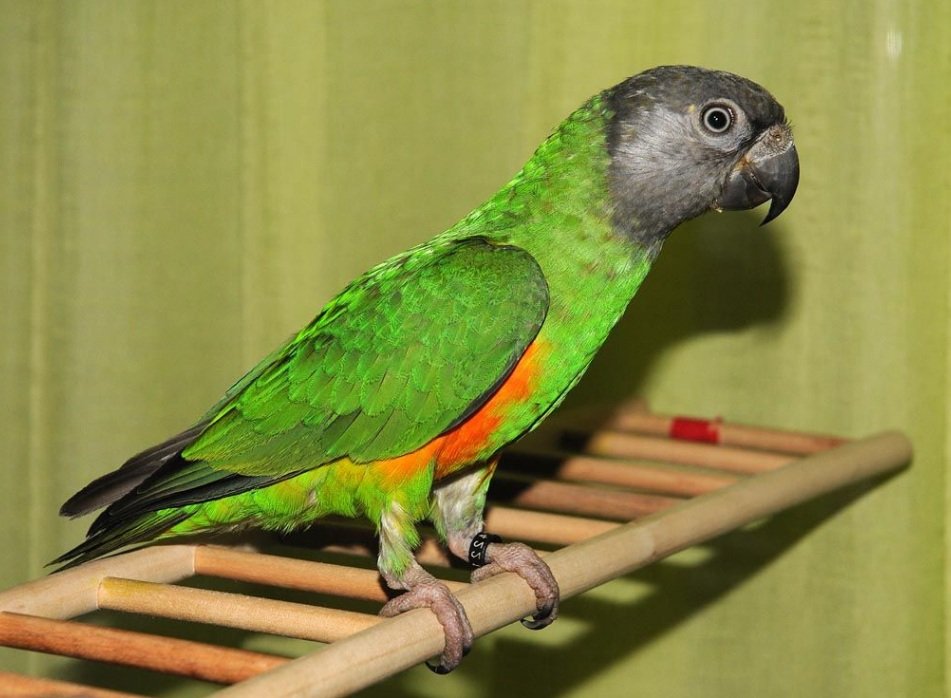
| APPEARANCE | Senegal Parrots are characterized by their vibrant green plumage, a yellow and orange belly, and a distinctive gray face and cheeks. Their beaks are strong and curved, typical of parrots. |
| LIFE SPAN | Typically 25–30 years, though they can live longer in captivity with proper care. |
| HABITAT | Senegal Parrots are found in forests, savannas, and woodlands across West Africa, particularly in Senegal, Guinea, and other countries in the region. |
| DIET | Senegal Parrots feed primarily on seeds, fruits, nuts, and berries. In captivity, their diet is supplemented with pellets, fresh fruits, and vegetables. |
| NATURAL PREDATORS | Senegal Parrots face predation from larger birds of prey, snakes, and occasionally from mammals that may target their nests. |
| COUNTRY | Senegal Parrots are native to West Africa, including countries like Senegal, Guinea, Gambia, Mali, and Ivory Coast. |
| GESTATION PERIOD | As birds, Senegal Parrots lay eggs, with an incubation period of around 28 days, depending on the conditions and the individual bird. |
| CONSERVATION STATUS | Least Concern (IUCN). While their population is stable, Senegal Parrots face threats from habitat loss and trapping for the pet trade. |
Amazing Facts About Senegal Parrots
1. Great Companions
Senegal Parrots are known for forming strong bonds with their owners, and they thrive on interaction. They enjoy spending time with their human companions and can be very affectionate.
2. Quiet Compared to Other Parrots
Senegal Parrots are relatively quiet compared to other species of parrots, making them an ideal pet for people who live in apartments or have noise restrictions.
3. Intelligent and Trainable
These parrots are highly intelligent and can learn a variety of tricks, commands, and even words. They respond well to positive reinforcement and mental stimulation.
4. Vibrant and Colorful Plumage
Senegal Parrots have beautiful plumage, with a mix of bright green, yellow, and orange hues, making them visually striking and captivating to look at.
5. Excellent Climbers
As with most parrots, Senegal Parrots are strong climbers and use their feet and beaks to navigate around their environment with ease.
6. Love for Chewing
Senegal Parrots love to chew, and providing them with toys and safe wood to chew on is important for their well-being, as it helps with beak maintenance and keeps them entertained.
7. Natural Habitat in West Africa
These parrots are native to the forests and savannas of West Africa, where they live in small flocks, often near trees and areas with abundant food sources.
8. Unique Call
Senegal Parrots have a unique, soft call that can be a bit repetitive but is less harsh than the screeches of other parrot species, making them more tolerable for pet owners.
9. Long Lifespan
Senegal Parrots can live 25 to 30 years or more in captivity with proper care, making them a long-term companion for those willing to commit to their care.
10. Threatened by Pet Trade
While they are not endangered, Senegal Parrots are sometimes trapped and sold in the pet trade, which can impact their population in the wild. Conservation efforts are focused on protecting their natural habitat.
Understanding the Senegal Parrot (Poicephalus senegalus)
Natural Habitat and Geographic Origin of Senegal Parrots
Poicephalus senegalus, the scientific name for Senegal parrots, have captivated bird lovers all around the world. These clever and amusing parrots thrive in the tropical and subtropical regions of West Africa. They inhabit savannas, woodlands, and forest edges, where they can find ample food and protective cover.
Visual Appeal and Unique Physical Appearance
Senegal parrots possess unique traits that largely contribute to their growing popularity as pets. They display a striking combination of bright yellow and green on their bodies. Hints of orange and grey further enhance their plumage. These medium-sized birds typically measure between 9 and 11 inches in length. Besides their beauty, these vivid colours play a crucial role in social interactions within bird communities. They assist in species recognition and communication.
Charming Personality and Social Intelligence
Senegal parrots charm not only with their appearance but also with their delightful temperament. With proper training, they can develop impressive speaking abilities and produce a range of vocalisations. People know them for being inquisitive and energetic. They thrive in environments that stimulate their minds and support physical activity. Their affectionate behaviour makes them ideal companions for bird lovers who cherish interaction and bonding. This devotion helps deepen their connection with human caretakers.
Gregarious Behaviour in the Wild and in Captivity
Senegal parrots naturally form close-knit groups in the wild, which reflects their social nature. They frequently engage in play, enhancing their communal living experience. Their sociable traits, vibrant appearance, and intelligence make them delightful additions to aviaries and homes across the globe.
Behaviour and Physical Features of Senegal Parrots
Body Size and Distinctive Traits
Poicephalus senegalus, known as Senegal parrots, stand out for their vibrant colouring and physical features. These medium-sized parrots generally weigh between 120 and 170 grams and grow about 9 to 10 inches long. Their strong, curved beaks suit cracking nuts and seeds, complementing their solid and compact build.
Striking Plumage and Facial Characteristics
Senegal parrots flaunt stunning plumage, with green bodies accented by yellow and orange on their face and underparts. These bright colours enhance their beauty and aid social signalling. One of their most notable features is their face pattern. White eye-rings surround expressive eyes, giving them a curious and engaging appearance. Their dark grey or black beaks provide a bold contrast against the colourful feathers.
Feathers and Camouflage Benefits
The colours on their wings and tail feathers add to their overall visual charm. These vivid hues not only look stunning but also help them camouflage and attract mates.
Personality Traits and Companionship Qualities
Senegal parrots display sociable and energetic personalities, making them favourites among bird enthusiasts. They enjoy spending time with other birds or their human carers, as they crave interaction and companionship.
Vocalisation, Playfulness, and Mental Engagement
They produce varied sounds, including cheerful whistles and amusing screeches, demonstrating their ability to mimic and communicate. Their enthusiasm for toys also reveals their playful nature and highlights their intelligence and curiosity.
Nutrition and Maintenance Needs of Senegal Parrots
Essential Dietary Requirements
Senegal parrots, loved for their colours and charm, require a balanced diet to stay healthy and full of energy. Their diet should include high-quality pellets, fresh fruits, vegetables, and occasional protein sources. Cooked eggs and lentils make excellent protein options.
Recommended Foods for Optimal Health
- Provide pellets as the main dietary component to deliver necessary nutrients.
- Offer leafy greens like spinach and kale to boost the immune system.
- Include apples, bananas, and berries to promote hydration and provide natural sugars.
Housing and Daily Environment
Owners must carefully manage the parrots’ living space for optimal well-being. These lively birds require a spacious, clean cage equipped with toys, perches, and climbing structures. They need physical activities and room to play.
Out-of-Cage Time and Enrichment Activities
Allow them time outside the cage daily to stimulate their bodies and minds. This routine increases happiness and reduces behavioural issues.
Monitoring Health and Veterinary Care
To keep them in peak condition, owners must closely monitor their health. Schedule regular veterinary visits with an avian specialist to detect any emerging health issues early.
Behavioural Well-Being and Social Needs
Since symptoms in parrots can be subtle, monitor their behaviour, eating habits, and droppings. Encouraging social interaction and providing enrichment reduces boredom and discourages destructive actions. A calm and stimulating environment improves their overall quality of life.
Summary of Care Requirements
In short, Senegal parrots depend on diet and care for a long, healthy life. Owners who provide nutritious meals, engaging environments, and consistent check-ups help their parrots thrive as lively companions.
Typical Obstacles and Things to Think About When Owning a Senegal Parrot
Health Concerns and Preventive Measures
Although caring for a Senegal parrot brings joy, owners must prepare for certain challenges. Their health is a primary concern. Senegal parrots commonly suffer from respiratory issues and dietary deficiencies. Maintaining a diet rich in fruits, vegetables, and top-quality pellets proves essential for their health.
Behavioural Challenges and Solutions
Consider the behavioural tendencies of Senegal parrots as well. They often display spirited and even cheeky behaviour. When neglected or bored, they might resort to biting or persistent screaming. Providing them with regular interaction and mental activities helps reduce such behaviours.
Importance of Mental Stimulation
- Engage them regularly to support mental and emotional health.
- Give them access to toys and puzzles to reduce stress and boredom.
- Maintain consistent routines to prevent undesirable habits from forming.
Companionship and Avoiding Loneliness
Due to their social nature, Senegal parrots should not remain alone for extended periods. Isolation can trigger stress and lead to harmful behaviours. Owners must ensure their pets receive adequate attention, either from people or other birds.
Building a Strong Bond with Your Senegal Parrot
Strengthen your bond by including daily quality time with your Senegal parrot. Understanding and addressing their needs allows you to form a rewarding, lasting relationship with them.
FAQ (Frequently Asked Questions) about Senegal Parrot
Q: What is a Senegal Parrot?
Ans: A Senegal Parrot is a medium-sized parrot native to West Africa, known for its bright colors, playful nature, and relatively quiet temperament compared to other parrots.
Q: What do Senegal Parrots eat?
Ans: Senegal Parrots eat a diet of seeds, fruits, nuts, and berries. In captivity, their diet is supplemented with pellets, vegetables, and fresh fruits.
Q: Where are Senegal Parrots found?
Ans: Senegal Parrots are native to West Africa, including countries like Senegal, Guinea, Gambia, and Mali. They inhabit forests, savannas, and woodlands.
Q: How long do Senegal Parrots live?
Ans: Senegal Parrots have a lifespan of 25–30 years, and some can live even longer with proper care in captivity.
Q: Are Senegal Parrots good pets?
Ans: Yes, Senegal Parrots make excellent pets due to their playful, affectionate nature, and they are generally quieter than other parrot species, making them ideal for apartments or smaller living spaces.
Q: How can I keep my Senegal Parrot entertained?
Ans: Provide your Senegal Parrot with toys to chew on, puzzles to solve, and opportunities for interaction with you. They thrive on mental stimulation and need regular exercise to stay happy.
Q: Are Senegal Parrots endangered?
Ans: Senegal Parrots are not currently endangered, but they face threats from habitat loss and the illegal pet trade, which may affect their population in the wild.
Q: Do Senegal Parrots talk?
Ans: While Senegal Parrots are not as prolific at speaking as other parrots, they can learn to mimic a few words and sounds with training and time.
Q: How big are Senegal Parrots?
Ans: Senegal Parrots are medium-sized parrots, measuring between 23 to 25 cm (9–10 inches) in length and weighing around 120 to 170 grams (4.2–6 oz).
Q: How often should I interact with my Senegal Parrot?
Ans: Senegal Parrots thrive on social interaction and should be engaged with daily. Spending quality time with your parrot helps strengthen your bond and keeps them mentally stimulated.
#SenegalParrot #WestAfricanParrot #PetParrot #BirdLovers #ParrotFacts #TropicalBirds #ExoticBirds #ParrotPets
Our sources and references about Senegal Parrot
1: Wikipedia – Senegal Parrot
2: The Parrot Project – Senegal Parrot
3: BirdLife International – Senegal Parrot
4: Avian Web – Senegal Parrot