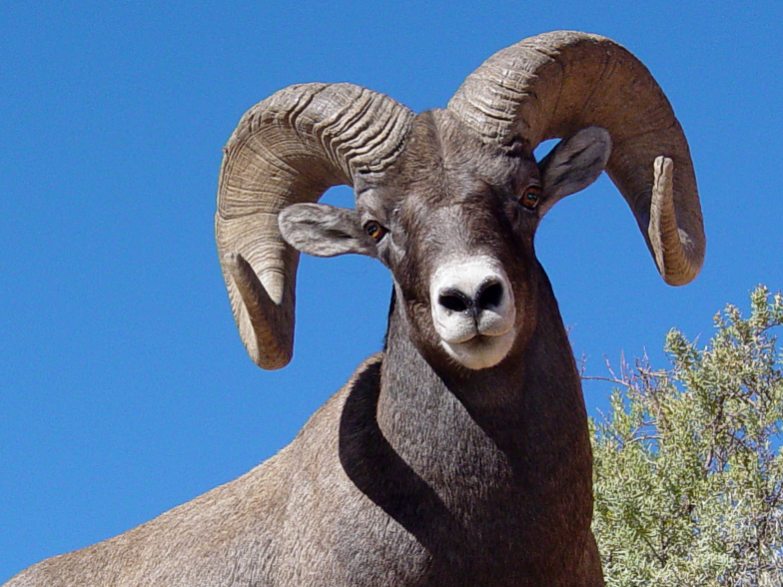
Quick Top 10 Facts about Bighorn Sheep
| SCIENTIFIC NAME | Ovis canadensis |
| CLASSIFICATION | KINGDOM: Animalia PHYLUM: Chordata CLASS: Mammalia ORDER: Artiodactyla FAMILY: Bovidae GENUS: Ovis SPECIES: O. canadensis |
| SIZE | Height: 3.3–3.6 feet (1–1.1 meters), Weight: 120–300 pounds (55–136 kg) |
| HABITAT | Rocky mountain ranges, cliffs, and alpine meadows across western North America |
| DIET | Herbivorous; feeds on grasses, shrubs, and alpine vegetation |
| SPECIES | Bighorn Sheep, which has two primary subspecies: the Rocky Mountain bighorn and the desert bighorn |
| COUNTRY | Native to North America, particularly in the western United States and Canada |
| GESTATION PERIOD | Approximately 6 months (180–190 days) |
| LIFE SPAN | 10–19 years in the wild |
| CONSERVATION STATUS | Least concern, though some populations face threats from habitat loss, disease, and human encroachment |
Amazing Facts About Bighorn Sheep
1. Bighorn sheep are famous for their large, spiraled horns
Male bighorn sheep, or rams, have massive, spiraling horns that they use for combat during mating season, where they ram into each other with great force.
2. They are expert climbers
Bighorn sheep are incredibly agile and can scale steep, rocky cliffs and mountainous terrain to evade predators and find food.
3. Their diet consists mainly of grasses and shrubs
Bighorn sheep are herbivores, feeding on a variety of vegetation, including grasses, herbs, shrubs, and even lichens in alpine environments.
4. They live in herds
Bighorn sheep typically live in social groups, known as herds, that are led by an older, more experienced ewe (female). These herds provide protection against predators.
5. Their horns continue to grow throughout their lives
The horns of male bighorn sheep grow larger each year, and their size is an indicator of their age and health.
6. Bighorn sheep have keen eyesight
These animals have excellent vision that helps them spot predators from a distance, allowing them to react quickly and avoid danger.
7. They are strong swimmers
While typically found on rocky terrain, bighorn sheep are also strong swimmers and can cross rivers and streams when necessary.
8. Mating season is marked by dramatic headbutts
During the breeding season, male bighorn sheep engage in fierce head-to-head battles by charging and ramming their horns together in displays of strength to win the attention of females.
9. Bighorn sheep are highly territorial
Males often establish territories during mating season, and they will defend their area from other males through physical confrontations.
10. They have a keen sense of hearing
Bighorn sheep have a sharp sense of hearing that helps them detect predators, like mountain lions and wolves, and respond to the sound of danger.
Significance and uniqueness of Bighorn Sheep
This incredible animal, which is native to the Rocky Mountains of North America, is known by its scientific name, Ovis canadensis, or bighorn sheep. These amazing creatures are well adapted to their hostile surroundings and have numerous unique characteristics that set them apart from other animals. Bighorn sheep are a remarkable species that have adapted to the severe climate of the Rocky Mountains. Their social structure, unique behaviours, and impressive horns make them fascinating candidates for study.
Physical appearance and characteristics of Bighorn Sheep
One of the things that sets bighorn sheep apart is their amazing pair of horns. There are horns on both sexes, but the males, called rams, have bigger, more elaborate horns. The maximum weight and length of these horns are thirty pounds and three feet, respectively. They are composed of the same material—a bone core encased in a keratin sheath—as human hair and nails. During the mating season, the horns serve as demonstrations of dominance in addition to offering protection from predators.
Behavior Bighorn Sheep within the herd, hierarchy and communication
Bighorn sheep exist in social groupings called herds, which are composed of individual members. The bulk of these herds are made up of lambs, young rams, and ewes (females), with mature rams often forming smaller bachelor groups. Protecting the group and directing the herds to suitable grazing grounds are the responsibilities of a dominant ram.
Mating rituals of Bighorn Sheep and competition among males
During the mating season, male bighorn sheep engage in violent combat known as the rut in an effort to establish their dominance and get access to females. The fighters in these bouts rush at top speed at one another, crashing into each other with a loud snap. They can both hear the collision from a distance. The victorious ram is granted the right to procreate with the females in the herd in order to protect his genes.
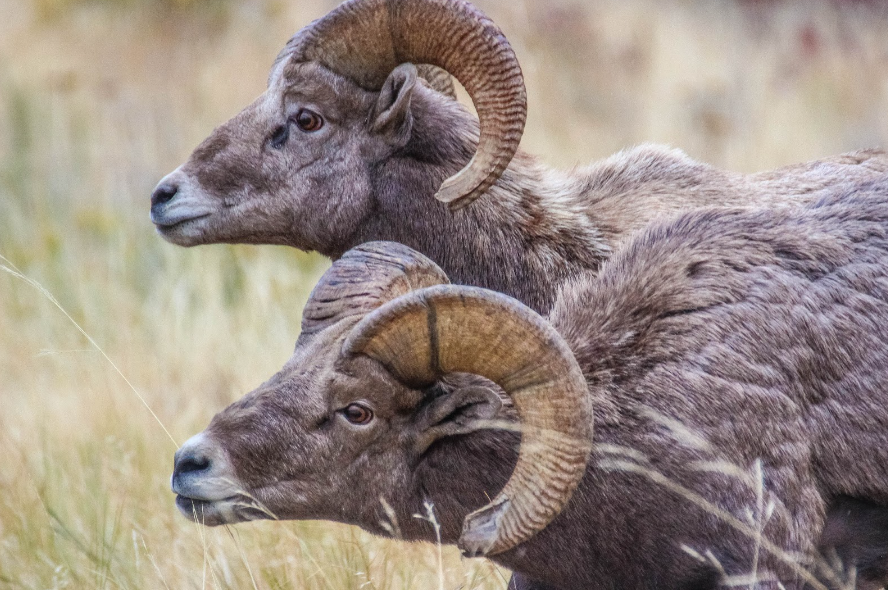
Threats faced by Bighorn Sheep from over hunting and habitat loss
The major causes of the many problems bighorn sheep populations have encountered throughout the years have been overhunting, illness, and habitat degradation. As a result, many conservation programmes have been implemented to protect and repopulate these populations. These programmes include the establishment of protected areas, disease monitoring, and habitat restoration.
Effects of Habitat Fragmentation and conservation efforts for Bighorn Sheep
Despite these conservation efforts, bighorn sheep are still endangered by human activities such as habitat fragmentation and climate change. If their habitat is broken up, it might affect their migratory habits and limit their access to food and water supplies. On the other side, climate change may have an impact on the availability of food supplies and suitable habitats.
Fascinating facts about Bighorn Sheep
Ovis canadensis, or bighorn sheep, are magnificent animals that live in the untamed highlands and valleys of North America. For generations, those who love nature and wildlife have been enthralled with these amazing creatures. In this post, we will study some amazing facts about bighorn sheep and obtain a greater knowledge of their distinct qualities and activities.
Outstanding Physical Features and characteristics of bighorn sheep
The remarkable physical characteristics of bighorn sheep, especially their enormous, curving horns, are widely recognised. The enormous horns of male bighorn sheep, referred to as rams, may weigh up to 30 pounds (13.6 kilogrammes) and reach a length of up to 3 feet (0.9 metres). During the breeding season, these horns are employed as a sign of power in ram fights.
Ability to navigate steep and rocky terrains by bighorn Sheep
The extraordinary agility and surefootedness of bighorn sheep are another noteworthy characteristic. Their flexible foot structure and cushioned hooves allow them to easily traverse hilly and rough terrain. They are well adapted to their mountainous environments because of their characteristics, which enable them to leap over large gaps and scale steep slopes.
Temperament and behavior of bighorn sheep with other animals
Herds are social units in which bighorn sheep dwell. A normal sheep herd consists of a dominant ram, lambs, and ewes, or female sheep. Rams demonstrate their superiority in fierce confrontations by charging at opponents at great speeds and clashing with a loud boom of horns. These conflicts decide who is allowed to mate with ewes and establish the hierarchy among the herd.
Reproductive behavior of Bighorn Sheep, mating season and courtship rituals
The rut, or mating season, occurs in late autumn or early winter. The rams compete ferociously during this period to get the ewes’ attention. They display their power and supremacy by bumping against one another and making loud noises called “bugling.” In order to preserve their genetic lineage, the winning ram subsequently mates with other ewes in the herd.
How bighorn sheep have adapted to their specific habitats
Bighorn sheep have developed a number of amazing adaptations that help them live in their hostile alpine habitats. Their superior vision is one of these adaptations. Because of their vast range of vision and the placement of their eyes on the sides of their heads, they are able to identify distant predators like coyotes and mountain lions.
Bighorn Sheep when navigating precarious ledges, including their cautious movements
Bighorn sheep also have excellent balance, which enables them to go over precarious ledges and high cliffs without losing their equilibrium. Their powerful legs and robust physique allow them to easily ascend and descend dangerous hills. Additionally, they have a thick coat that is double-layered to shield them from the summer heat and to act as insulation in the chilly winter months.
Feeding habits and preferred vegetation diet for Bighorn Sheep
Being herbivores, bighorn sheep mostly eat the grasses, bushes, and other plants that grow in their mountainous environments. They have evolved to be able to take nutrients from hardy, fibrous plants. Because of their unique digestive mechanism, they can effectively break down cellulose and thrive in settings with limited food supplies.
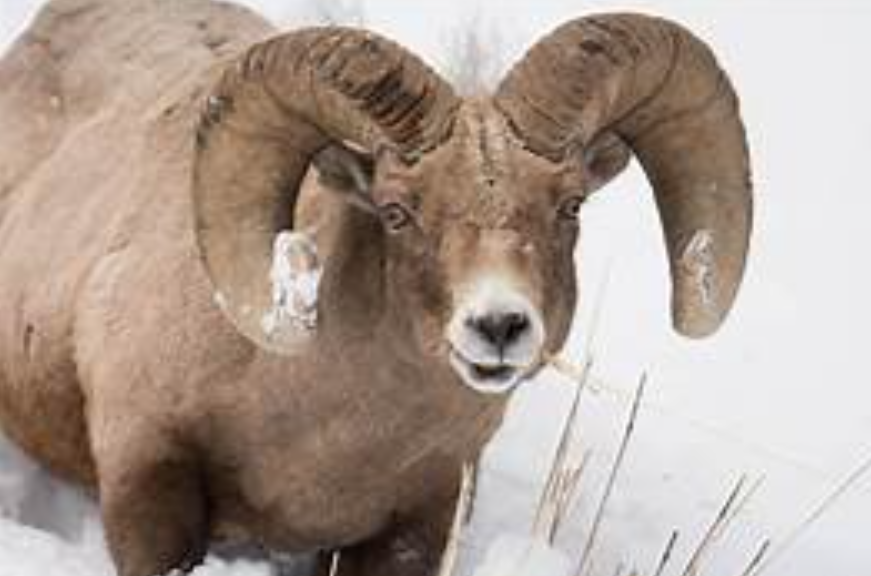
Survival of bighorn Sheep without water and ability to rehydrate
These amazing animals can survive for long periods of time without water. The majority of the moisture they need comes from the plants they eat. To rehydrate themselves, they will, however, drink from streams and other water sources when it are available.
Unique physiological and behavioral adaptations of Bighorn Sheep
Bighorn sheep are really amazing creatures that have evolved to survive in some of North America’s most difficult environments. They are a fascinating species to study and adore because of their remarkable physical characteristics, social organisation, and survival adaptations. We may have a greater appreciation for the marvels of nature and the astounding variety of life on Earth by knowing these amazing facts
about bighorn sheep.
FAQ (Frequently Asked Questions) about Bighorn Sheep
Q: What is a Bighorn Sheep?
Ans: Bighorn sheep (*Ovis canadensis*) are a species of wild sheep native to North America. They are known for their large, curved horns, which are primarily found in males. Bighorn sheep inhabit rugged mountain terrains and are excellent climbers.
Q: Where do Bighorn Sheep live?
Ans: Bighorn sheep are found in the western parts of North America, including the Rocky Mountains, Sierra Nevada, and desert mountain ranges in the southwestern United States, as well as parts of Canada and Mexico. They live in rocky, steep, and rugged terrains, often at high altitudes.
Q: What do Bighorn Sheep eat?
Ans: Bighorn sheep are herbivores. Their diet consists mainly of grasses, shrubs, and other vegetation found in their mountainous habitat. In the winter, they may feed on woody plants, moss, and lichen when other food sources are scarce.
Q: How big do Bighorn Sheep get?
Ans: Bighorn sheep are medium to large-sized animals. Adult males (rams) can weigh between 250 and 350 pounds (113 to 159 kg), while females (ewes) typically weigh around 120 to 200 pounds (54 to 91 kg). Males can stand up to 3.5 feet (1 meter) tall at the shoulder, and females are slightly smaller.
Q: Why do Bighorn Sheep have large horns?
Ans: The large, curved horns of male Bighorn sheep are used primarily for dominance displays and during fights for territory or mating rights. Rams engage in head-to-head battles, known as “ram fights,” in which they use their horns to charge at each other and try to knock their opponent off balance. The horns also serve as a symbol of strength and status within the herd.
Q: How do Bighorn Sheep defend themselves?
Ans: Bighorn sheep have several ways of defending themselves. Their natural habitat in rugged, mountainous areas provides them with the ability to escape predators by climbing steep cliffs and rocky terrains where few animals can follow. Their keen eyesight helps them spot predators from a distance, and they are quick to run or flee when threatened.
Q: How do Bighorn Sheep reproduce?
Ans: Bighorn sheep have a seasonal mating period, typically in late fall. During the breeding season, rams compete for the attention of females through head-butting contests. Females give birth to a single lamb in the spring, usually after a gestation period of about 6 months. Lambs are born in sheltered areas and are able to stand and walk shortly after birth.
Q: Are Bighorn Sheep endangered?
Ans: While Bighorn sheep are not considered endangered, some populations are at risk due to habitat loss, disease, and overhunting. Conservation efforts are focused on preserving their natural habitats, reintroducing them to areas where populations have declined, and preventing diseases like pneumonia from domestic sheep, which can affect wild populations.
#BighornSheep, #WildSheep, #MountainSheep, #BighornRam, #WildlifeConservation, #Herbivores, #MountainAnimals, #Sheep, #NorthAmericanWildlife, #RuggedTerrain, #NatureLovers, #BighornSheepConservation, #WildlifeProtection, #HikingAndWildlife
Our sources and references about Bighorn Sheep
1: National Geographic – Bighorn Sheep
2: IUCN Red List – Bighorn Sheep
3: Encyclopedia Britannica – Bighorn Sheep
4: Wildlife Society – Bighorn Sheep