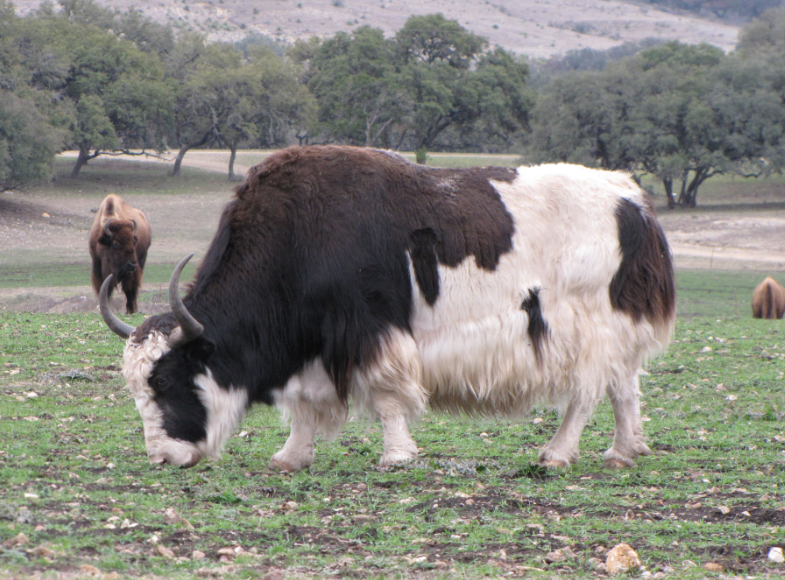
Quick Top 10 Facts about Beefalo Cattle
| SCIENTIFIC NAME | Bos taurus × Bos bison |
| CLASSIFICATION | KINGDOM: Animalia PHYLUM: Chordata CLASS: Mammalia ORDER: Artiodactyla FAMILY: Bovidae GENUS: Bos SPECIES: B. taurus × B. bison (Hybrid) |
| SIZE | Height: 4–5 feet (1.2–1.5 meters), Weight: 900–1,500 pounds (400–680 kg) |
| HABITAT | Pastures and ranches; adapted to a variety of climates and landscapes |
| DIET | Herbivorous; grass, hay, and other plant material |
| SPECIES | Beefalo, a hybrid breed between domestic cattle and American bison |
| COUNTRY | Primarily found in the United States, though also in Canada and other countries |
| GESTATION PERIOD | Approximately 280–290 days (similar to cattle) |
| LIFE SPAN | 15–20 years |
| CONSERVATION STATUS | Not endangered; farmed and raised for beef production |
Amazing Facts About Beefalo Cattle
1. Beefalo are a hybrid of cattle and bison
Beefalo are the result of crossing domestic cattle (Bos taurus) with American bison (Bison bison), combining the best traits of both animals.
2. They are known for their leaner meat
Beefalo meat is leaner than traditional beef, with less fat and fewer calories, making it a healthier option for consumers.
3. Beefalo are hardier than regular cattle
Thanks to their bison heritage, Beefalo are more resistant to harsh climates, diseases, and parasites.
4. They have a calm temperament
Despite their bison lineage, Beefalo are typically calm and manageable, making them suitable for farm environments.
5. Beefalo are efficient grazers
Their mixed ancestry allows them to graze more efficiently and be less reliant on supplemental feed compared to regular cattle.
6. They have a strong immune system
Beefalo inherit a strong immune system from the bison, which helps them resist diseases that may affect standard cattle.
7. Beefalo are versatile
They are not only raised for beef but also for their ability to be raised in a variety of farming systems, including pasture-based and feedlot systems.
8. Beefalo have a similar growth rate to cattle
While they may take slightly longer to reach market weight than regular cattle, their meat quality and health benefits make them a valuable alternative.
9. They are increasingly popular among farmers
Due to their hardiness, adaptability, and meat quality, Beefalo are gaining popularity as an alternative to traditional beef cattle.
10. Beefalo are raised in various climates
They are well-suited for a range of climates, from cold winters to hot, dry conditions, thanks to their bison genetics.
Beefalo cattle are a hybrid breed of domestic cattle and American bison
The hybrid cow breed called beefalo is created by crossbreeding domestic cattle with American bison. A meat animal with the requisite beef meat qualities and the adaptability and toughness of bison is generated as a result of this unique combination. The breed was first developed in the United States in the mid-1900s with the goal of creating a new kind of livestock that could thrive in a range of climates and provide meat that was of the highest quality.
Beefalo cattle are more adaptable to different climates and require less maintenance
Beefalo’s ability to withstand harsh weather conditions is one of its key characteristics. Since these animals are descended from bison, they are inherently resistant to extremes in temperature, diseases, and parasites. As a result, they may be allowed to graze in many different places, including those with challenging weather conditions. Additionally, beefalo are skilled foragers that can efficiently use a wide range of plants for food.
Beefalo meat is leaner and lower in cholesterol compared to traditional beef
There are many advantages to beefalo in terms of meat quality when compared to traditional beef cattle. Bison genetics are often blamed for the meat’s reputation for tenderness, juiciness, and rich flavour. Because it is lower in fat and cholesterol than regular beef, it is a healthier choice for consumers. Beefalo meat is also quite versatile and can be used in many different culinary preparations, including ground beef for burgers, sausages, steaks, and roasts. Due to its distinctive combination of qualities, the beefalo breed is profitable in the cattle industry.
Fascinating facts about beef Cattle
Cattalo, another name for a beefalo cow, is a rare breed of cattle that combines the traits of domestic cattle and bison. Because of its remarkable qualities and versatility, this hybrid breed has grown in popularity recently. We will examine several amazing buffalo cattle facts below:
Origin and History of Beefalo cattle
In the middle of the 1960s, American cattle breeders began producing beefalo cattle. Developing a breed capable of thriving in challenging conditions and producing superior meat was the aim. The method of breeding entailed mating American bison with domestic cattle, usually meat types like Hereford or Angus. A hybrid with the toughness of bison and the meat quality of cows was the product of this crossbreeding.
Genetic Makeup of Beefalo Cattle
A 50/50 crossbreed between bison and cattle is not what beefalo cattle are. Instead, their bison bloodlines often make up about 1/4 to 3/8 of the whole population. The cross’s remaining genetic makeup is derived from the domestic cow breed. The precise genetic mix might change based on the desired features and the breeding program.
 Adaptability and Rugged Characteristics of Beefalo Cattle
Beefalo cattle are renowned for their amazing ability to adapt to a variety of temperatures and settings. They are able to survive in harsh weather and untamed environments because they have inherited the toughness and perseverance of bison. Beefalo cattle can survive and even flourish in harsh settings, such as the sweltering heat of the desert or the bitter cold of the highlands.

Benefits of Beefalo Cattle: resistance of beefalo cattle to several illnesses
They are the perfect option for ranchers and farmers in resource-poor locations because of their resilience in foraging for food under difficult circumstances. Furthermore, the inherent resilience of beefalo cattle to several illnesses and parasites increases their adaptability to a wide range of conditions. Additionally, beefalo cattle’s inherent hardiness and disease resistance lessen the need for antibiotics and other pharmaceuticals, supporting a more ecologically friendly and sustainable method of raising livestock.
Health Benefits of Quality Meat: tenderness and flavour of most-liked beefalo meat
The flavour and quality of buffalo flesh are well known. Genetics from cows and bison combine to produce lean, delicious meat that is lower in fat and cholesterol than conventional beef. In addition, the meat has more protein and is a great source of important minerals like zinc and iron.
The lower fat content and higher protein content in beefalo meat.
Because of its nutritional makeup, beefalo meat is often seen as a more healthful option than traditional beef. It is a fantastic source of omega-3 fatty acids and contains all the key amino acids needed by the human body. Because of its excellent flavour and nutritional advantages, beefalo meat is becoming more and more popular among people who are concerned about their health.
Sustainability in the Environment: Environmental benefits of raising beef cattle
The reputation of beefalo cattle is their little environmental effect. It takes less intensive agricultural techniques to feed them since they can graze on a variety of plants. In comparison to traditional beef production, they also have a reduced carbon footprint as they need less feed, water, and land to produce the same quantity of meat.
Financial advantages: Market Demand and Profitability
From an economic perspective, ranchers and farmers may benefit economically from beefalo cattle in several ways. They can be grown in places where other breeds would find it difficult because of their environmental flexibility. This creates new prospects for raising cattle in areas with harsh temperatures or few resources.
Analysis of the market demand for beefalo meat and potential challenges in marketing this unique product
In addition, beefalo cattle’s superior meat often fetches a higher price on the market. For customers who are prepared to pay more for items that are socially and ecologically conscientious, the distinctive flavour, nutritional advantages, and sustainable production techniques make it a desirable option.
Unique breeding process of beefalo cows
The exceptional breed of beefalo cow combines the greatest traits of domestic cattle with bison. Both customers and ranchers find them to be an appealing option because of their versatility, high-quality meat, environmental sustainability, and financial advantages. Beefalo cattle are definitely something to think about, whether you’re interested in more environmentally friendly agricultural methods, healthier meat alternatives, or novel prospects in the livestock industry.
FAQ (Frequently Asked Questions) about Beefalo Cattle
Q: What is Beefalo?
Ans: Beefalo is a hybrid breed of cattle created by crossing American bison (buffalo) with domestic cattle. They are known for their hybrid vigor, combining the strength and hardiness of bison with the domestication and productivity of cattle. Beefalo are typically raised for beef production due to their lean meat and excellent feed-to-weight conversion ratio.
Q: What are the benefits of Beefalo cattle?
Ans: Beefalo cattle are known for their leaner meat compared to traditional cattle, with a lower fat content and higher protein levels. Their hybrid nature makes them more resilient to harsh environments and diseases, offering increased hardiness. Beefalo also tend to be more efficient at converting feed into weight gain compared to regular cattle, making them an attractive option for beef producers.
Q: How do Beefalo cattle compare to regular cattle?
Ans: While both Beefalo and regular cattle are used for beef production, Beefalo tend to have a leaner, more flavorful meat. The hybrid nature of Beefalo also gives them certain advantages, such as increased disease resistance and better tolerance to extreme weather conditions. However, Beefalo can have a slightly wilder temperament due to the bison ancestry.
Q: Where are Beefalo cattle found?
Ans: Beefalo cattle are found in many regions of the United States and in some parts of Canada. They are primarily raised in North America, but they can also be found in other parts of the world where hybrid cattle are of interest for beef production.
Q: What do Beefalo cattle eat?
Ans: Beefalo cattle are herbivores and primarily feed on grass, hay, and other forage. Like other cattle, their diet consists mainly of grasses, but Beefalo have a more efficient digestive system, allowing them to extract more nutrients from their food. They are also capable of surviving in harsher conditions where food might be scarce.
Q: Are Beefalo cattle suitable for small farms?
Ans: Beefalo can be suitable for small farms, especially in areas with limited resources or harsher climates. Their hardiness and lower feed requirements make them a good choice for smaller-scale beef production. However, because they are a hybrid breed, they may require more attention and care compared to traditional cattle, especially in terms of handling their temperament.
Q: Do Beefalo cattle have any special care requirements?
Ans: Beefalo cattle do not require much more care than regular cattle, but they may have slightly wilder behavior due to their bison ancestry. It’s important to provide them with ample grazing space, clean water, and shelter from extreme weather conditions. They may also require extra attention when it comes to handling, especially if they have not been well-socialized from a young age.
Q: Are Beefalo cattle endangered?
Ans: Beefalo cattle are not considered endangered. They are a hybrid breed, so their population is primarily dependent on breeders who are interested in producing hybrid cattle for beef production. However, they are less common than traditional beef cattle breeds, and their numbers can fluctuate depending on market demand.
Q: How long do Beefalo cattle live?
Ans: Beefalo cattle typically live between 12 to 20 years, depending on factors such as genetics, care, and living conditions. Like other cattle, their lifespan can be affected by disease, nutrition, and management practices.
Q: How are Beefalo cattle bred?
Ans: Beefalo are bred by mating an American bison (buffalo) with domestic cattle, typically a breed such as the Angus or Hereford. The crossbreeding process results in a hybrid that shares characteristics of both species, combining the hardiness and resistance of bison with the productivity of domestic cattle. The breeding is typically done through artificial insemination or natural breeding.
#Beefalo, #HybridCattle, #CattleBreeding, #BeefProduction, #AmericanBison, #CattleFarming, #LeanMeat, #FarmAnimals, #BeefaloCattle, #Livestock, #Agriculture, #AnimalFarming, #SustainableFarming
Our sources and references about Beefalo Cattle
1: Wikipedia – Beefalo
2: Beefalo Association – Official Website
3: The Daily Beast – Why Beefalo Are the Beef You’ve Never Tried, But Should
4: Backyard Beef – Beefalo Cattle Guide