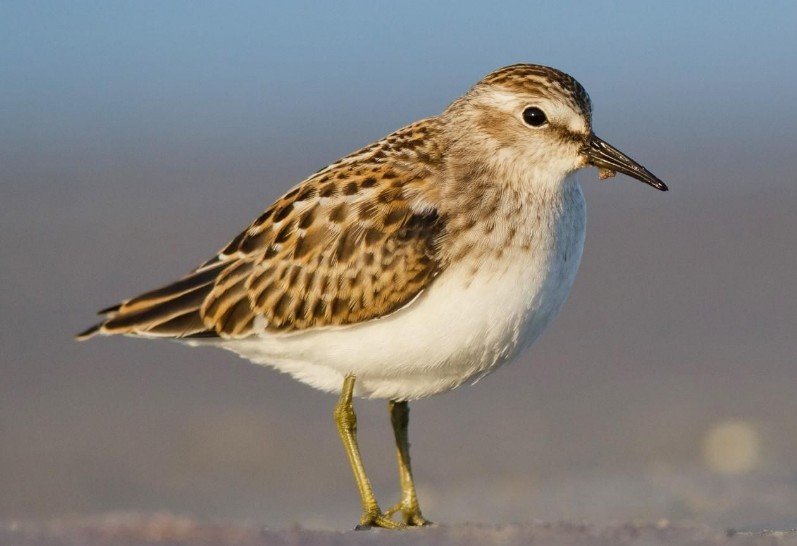
Common Sandpipers are small to medium-sized wading birds that belong to the family Scolopacidae. They are found in a variety of habitats, ranging from coastal beaches and mudflats to wetlands and estuaries. Known for their long, slender legs and sharp beaks, sandpipers are excellent foragers, often seen probing the mud and sand for food. These birds are highly migratory, traveling great distances between breeding and wintering grounds. Below are some interesting facts about sandpipers.
Sandpiper Bird Scientific Classification
| SCIENTIFIC NAME | Actitis hypoleucos |
| CLASSIFICATION | KINGDOM: Animalia PHYLUM: Chordata CLASS: Aves ORDER: Charadriiformes FAMILY: Scolopacidae ORDER: Actitis FAMILY: Actitis hypoleucos |
| SIZE | Length: 15–30 cm (6–12 inches) Wingspan: 30–50 cm (12–20 inches) |
| SPECIES | There are over 80 species of sandpipers, including the Western Sandpiper, Dunlin, and Least Sandpiper. |
| APPEARANCE | Sandpipers have slender bodies, long legs, and pointed beaks. Their plumage is often brown or grayish, with lighter undersides, perfect for camouflage in their habitats. |
| LIFE SPAN | Typically 5–10 years, depending on species and environmental conditions. |
| HABITAT | Coastal beaches, mudflats, estuaries, wetlands, and other shallow water areas. |
| DIET | Sandpipers primarily feed on invertebrates, such as worms, mollusks, crustaceans, and insects found in the mud and sand. |
| NATURAL PREDATORS | Predators include larger birds of prey, foxes, and raccoons. |
| COUNTRY | Sandpipers are found around the world, particularly in coastal areas across North America, Europe, Africa, and Asia. |
| CONSERVATION STATUS | Some species of sandpipers are considered vulnerable or endangered due to habitat loss and environmental changes, such as pollution and coastal development. |
Sandpiper Bird Facts
1. Exceptional Foragers
Sandpipers are known for their excellent foraging skills. They use their long, slender beaks to probe the sand and mud for tiny invertebrates, which make up the majority of their diet.
2. Migratory Birds
Most species of sandpipers are highly migratory, traveling long distances between their breeding grounds in the Northern Hemisphere and wintering grounds in the South.
3. Skilled Flyers
Sandpipers are strong fliers, capable of covering vast distances during migration. Some species travel thousands of miles each year.
4. Camouflage Experts
With their brownish and grayish plumage, sandpipers are perfectly camouflaged against the sandy beaches and mudflats, helping them evade predators.
5. Tiny Birds with Big Impact
Despite their small size, sandpipers play a significant role in their ecosystems by controlling populations of invertebrates and serving as food for predators like birds of prey.
6. Group Behavior
Sandpipers often forage and migrate in large flocks, working together to find food and evade predators. Their synchronized movements in flight are a spectacular sight.
7. Nesting on the Ground
Sandpipers build simple nests on the ground, typically hidden among grasses or shrubs, to protect their eggs from predators.
8. Specialized Diet
Sandpipers have specialized feeding habits. They often feed at the water’s edge, where they catch prey like worms, crustaceans, and small fish, often in shallow water.
9. Vocal Communicators
While they are not known for loud calls, sandpipers communicate with soft whistles, chirps, and trills, particularly during mating season or when in flight.
10. Important for Coastal Ecosystems
Sandpipers help maintain the health of coastal ecosystems by regulating populations of small invertebrates and contributing to the food chain. They are an important part of the balance of coastal environments.
About Sandpipers
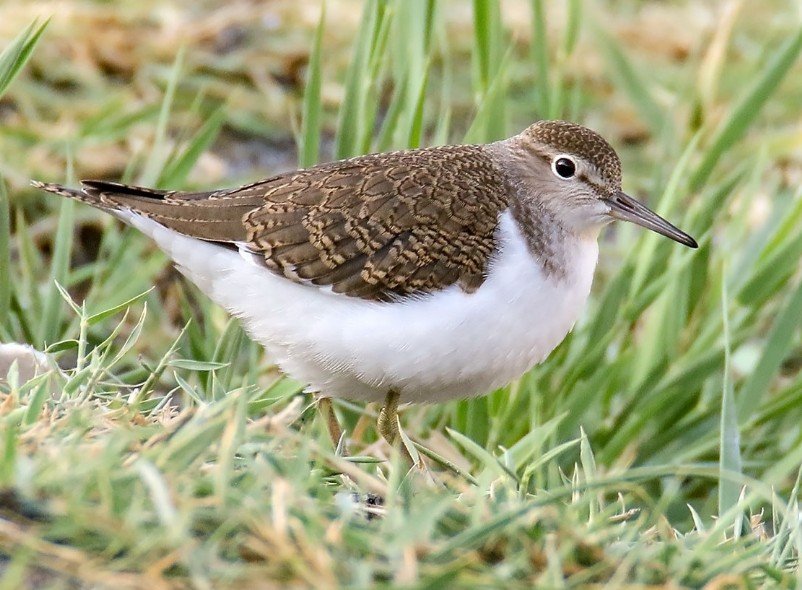
Sandpipers represent a diverse group of small to medium-sized shorebirds living in marshes, wetlands, and coastal environments worldwide. These shorebirds belong to the Scolopacidae family and display distinctive physical traits and adaptive feeding behaviours. Despite their small size, sandpipers play a vital ecological role within coastal and wetland ecosystems. They feed on diverse invertebrates and complete long-distance migrations across continents each year.
This article explores sandpiper anatomy, habitat range, diet, migration patterns, breeding behaviour, and modern conservation challenges.
Physical Traits
Sandpipers are generally small coastal birds with long legs, slender bodies, and narrow, elongated bills. Although physical traits vary by species, most sandpipers share several key anatomical characteristics.
Size and Shape
- Most sandpipers display wingspans of 30–60 cm and body lengths of 15–30 cm.
- Their long, thin legs allow efficient wading in shallow water while searching for aquatic prey.
- Bills vary by species and may appear straight, curved, or upturned for probing sand and mud.
Plumage Colour
Sandpipers usually display camouflage colours, including brown and grey tones, with bars, stripes, or spotted patterns. Their plumage often changes seasonally to support breeding and survival needs.
- Breeding Colours: Brighter colours and stronger patterns help attract potential mates.
- Winter Colours: Muted, earthy tones help conceal birds from predators.
Habitat Range
Sandpipers inhabit coastal mudflats, beaches, sandbars, salt marshes, and estuarine ecosystems worldwide. They also occupy lakeshores, riverbanks, inland wetlands, and flooded grasslands. Sandpipers are globally distributed, particularly across North America, Europe, Asia, and Australia.
Coastal Zones
Sandpipers favour shallow coastal waters where food sources remain abundant throughout tidal cycles. Observers often see them darting along shorelines while searching for fish, crustaceans, and small invertebrates.
Seasonal Migration
Many sandpiper species complete long-distance migrations spanning thousands of kilometres each year. The Western Sandpiper breeds in the Arctic and migrates south to North and Central America. These migratory birds show exceptional endurance, following established routes and stopping to rest and feed.
Diet Patterns
Sandpipers mainly consume small invertebrates found within mudflats, sandy shores, and shallow coastal waters. When animal prey becomes scarce, some species occasionally consume plant matter.
Primary Prey
- Worms
- Crustaceans
- Molluscs
- Insects
Feeding Style
Sandpipers use a distinctive run-and-stop feeding strategy along shorelines. They sprint briefly, pause to probe with their bills, and swiftly capture prey. This efficient method allows sandpipers to forage across wide coastal feeding areas.
Breeding Habits
Sandpipers usually breed on the ground near water or within open grassy habitats. They construct shallow nests in sandy depressions or concealed grassy patches.
Egg Care
- Females lay three to four eggs marked with dark spots for effective camouflage.
- Both parents incubate eggs and guide chicks in foraging and predator avoidance.
- Chicks hatch precocial, allowing movement and feeding shortly after emergence.
Threats Overview
Although many sandpiper species remain stable, several face increasing environmental threats.
- Habitat Loss: Coastal development, agriculture, and tourism reduce nesting and feeding areas.
- Pollution Impact: Runoff, plastics, and oil spills degrade water quality and prey availability.
- Climate Effects: Rising sea levels disrupt habitats and alter migratory routes.
- Human Pressure: Hunting and egg collection threaten vulnerable populations.
Protection Efforts
- Protecting coastal wetlands and critical shorebird habitats.
- Enforcing regulations to limit pollution and uncontrolled coastal development.
- International agreements, including the Ramsar Convention, support migratory bird conservation.
Sandpiper FAQ (Frequently Asked Questions)
Q: What do sandpipers eat?
Ans: Sandpipers mainly eat small invertebrates such as worms, insects, mollusks, and crustaceans, which they forage from the sand and mud.
Q: Where do sandpipers live?
Ans: Sandpipers are commonly found in coastal regions, wetlands, and mudflats around the world, particularly in North America, Europe, and Asia.
Q: Are sandpipers migratory?
Ans: Yes, most species of sandpipers are migratory. They travel long distances from their breeding grounds in the North to their wintering grounds in the South.
Q: How long do sandpipers live?
Ans: Sandpipers typically live for 5 to 10 years, although this can vary depending on the species and environmental factors.
Q: How do sandpipers protect themselves from predators?
Ans: Sandpipers use their excellent camouflage to blend into their environment. They are also very quick and can take flight at a moment’s notice to escape predators.
Q: Do sandpipers form flocks?
Ans: Yes, sandpipers often form large flocks, especially during migration. They forage and fly together in coordinated groups to increase their chances of survival.
Q: Are sandpipers endangered?
Ans: While many sandpiper species are abundant, some, like the Western Sandpiper and other coastal species, face threats from habitat loss and environmental degradation.
Q: What is the primary threat to sandpipers?
Ans: The primary threats to sandpipers are habitat loss due to coastal development, pollution, and climate change, which affects their migratory patterns and food sources.
Q: How do sandpipers communicate?
Ans: Sandpipers communicate through soft whistles, chirps, and trills, especially during flight or when in close proximity to each other during mating season.
Q: Do sandpipers migrate alone?
Ans: No, sandpipers typically migrate in flocks. Migration helps them avoid predators and ensures they can find food more efficiently.
#Sandpiper #WadingBirds #MigratoryBirds #BirdWatching #CoastalBirds #Wetlands #Wildlife #BirdFacts #Scolopacidae #BirdConservation
Sandpiper sources and references
1: Wikipedia – Sandpiper
2: Audubon – Sandpiper
3: Britannica – Sandpiper