Quick Top 10 Facts about Buffalo
| SCIENTIFIC NAME | Bubalus bubalis |
| CLASSIFICATION | KINGDOM: Animalia PHYLUM: Chordata CLASS: Mammalia ORDER: Artiodactyla FAMILY: Bovidae GENUS: Bubalus SPECIES: B. bubalis |
| SIZE | Height: 4.5–5.5 feet (1.4–1.7 meters), Weight: 1,000–2,500 pounds (450–1,100 kg) |
| HABITAT | Native to Asia, primarily found in wetlands, grasslands, and floodplains |
| DIET | Herbivorous; primarily feeds on grasses, aquatic plants, and other vegetation |
| SPECIES | Buffalo, including the domestic water buffalo and the wild buffalo species such as the African buffalo |
| COUNTRY | Native to Asia, domesticated water buffalo are also found in parts of Europe, Africa, and South America |
| GESTATION PERIOD | Approximately 10–11 months |
| LIFE SPAN | 15–25 years in the wild; domesticated buffalo can live up to 30 years |
| CONSERVATION STATUS | Water buffalo are domesticated and not endangered, but the wild buffalo populations are at risk due to habitat loss and poaching |
Amazing Facts About Buffalo
1. Buffalo are strong and durable animals
Buffalo are known for their physical strength and resilience. They can carry heavy loads, plow fields, and provide milk and meat for humans.
2. They are domesticated for farming
Water buffalo are widely domesticated and used in agriculture, particularly for plowing fields and as a source of milk.
3. They have large, curved horns
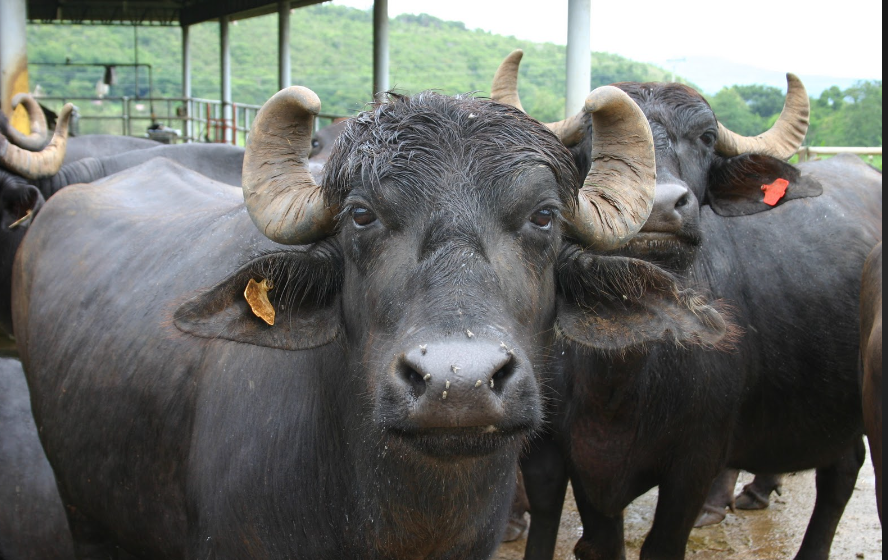
Buffalo have distinct, large, and curved horns that they use for defense and display, particularly in male buffalo during mating season.
4. They are social animals
Buffalo are herd animals and typically live in groups. They are highly social and communicate with one another using vocalizations, body language, and scent.
5. They have a strong sense of smell
Buffalo rely on their acute sense of smell to detect danger and find food and water in their environment.
6. They are excellent swimmers
Water buffalo are strong swimmers and are often found in wetlands, rivers, and lakes. They cool off in water during the hot summer months.
7. They are herbivores
Buffalo primarily graze on grasses and other vegetation, making them important for maintaining ecosystems in their native habitats.
8. They have a thick, protective hide
Buffalo have thick, tough skin that helps protect them from predators and the elements, especially in their natural, wild environments.
9. Water buffalo produce nutritious milk
The milk of water buffalo is rich in fat and protein and is used to make a variety of dairy products, such as mozzarella cheese.
10. Wild buffalo are critical to ecosystems
In the wild, buffalo help shape their ecosystems by grazing on plants and providing food for predators like lions and wild dogs.
Intriguing facts about buffalo species
Buffalo are intriguing animals with a rich history and cultural importance, in addition to being famous emblems of the American West. Buffalo continue to pique our interest and serve as a constant reminder of the need to protect our natural heritage, thanks to their historical significance to Native American groups, their physical traits, and conservation efforts.
Physical characteristics of buffalo species
Massive herbivorous creatures, the buffalo, sometimes known as bison, are native to North America. They are well known for their massive size, with adult males weighing up to 2,000 pounds and standing over six feet tall at the shoulder. These amazing creatures are readily identified by their shaggy brown hair, curled horns, and humped shoulders.
Habitat and adaptations of buffaloes enable them to thrive in different environments
Buffalo are very adaptable animals that can survive in a variety of habitats, including grasslands, forests, and even deserts. They are well-suited to survive in harsh environments because of their thick fur, which provides insulation in the cold winter months, and their ability to retain water in dry conditions. Despite their size, buffalo are very athletic creatures that can sprint up to 35 miles per hour.
Buffalo Hunting for variety of human uses
Buffalo have always been vital to Native American groups since they provided people with clothes, food, and shelter. These animals were hunted for their meat, hides, and bones for a variety of purposes. Unfortunately, during the 19th century, overhunting and habitat degradation led to a significant decline in the buffalo population. However, due to conservation efforts that have aided in the recovery of their numbers, buffalo are now found across North America’s national parks and protected regions.
Interesting and informative facts about buffaloes
Bison, another name for buffalo, are magnificent animals that have captured people’s attention for a very long time. These recognisable creatures have had a profound impact on North American history and culture. We’ll look at some amazing Buffalo facts that you may not be aware of.

Buffaloes in various cultures and their ecological importance
Buffalo have a long history, especially when it comes to Native American culture. Buffalo were an essential component of many Native American groups’ way of life. Every component of the animal was used, and they provided food, clothes, and shelter. Buffalo were also important in religious and cultural rituals and were seen as a resilient, abundant, and strong symbol.
Buffalo hunting in older days and conservation efforts internationally
In addition, the widespread killing of buffalo in the 19th century contributed significantly to the erasure and dislocation of Native American group. Within a few decades, the buffalo population in North America is said to have fallen from millions to only a few hundred.
Amazing information about buffalo
Buffalo are big, strong creatures that can weigh up to 2,000 pounds and have shoulder-to-shoulder heights greater than six feet. Their large heads are supported by muscles on their shoulders, giving them a characteristic hump. Though male horns tend to be larger and curlier, both sexes have horns.
Buffalo are remarkable and iconic animals
Buffalo are remarkably athletic animals that can gallop up to 40 miles per hour, despite their size. They can swim rather well, too, and they have been observed to traverse lakes and rivers in quest of food and water.
Current protection status of buffalo population
In recent years, the buffalo population has increased again, mostly due to conservation measures. National parks and organisations have devoted countless hours to safeguarding and maintaining these amazing animals. The bulk of the 500,000 buffalo that live in North America today are found in national parks and other protected locations.

Success stories of buffalo population recovery efforts
The environments that buffalo live in, as well as their numbers, have both recovered because of these conservation measures. Because of the way they graze, buffalo are essential to grasslands’ health and balance. Their grazing encourages the establishment of fresh grass, which draws in more animals and slows the spread of fascinating plant species. The next time you see a buffalo, pause and acknowledge the amazing fortitude and tenacity of these wonderful creatures.
FAQ (Frequently Asked Questions) about Buffalo
Q: What is a Buffalo?
Ans: A buffalo is a large herbivorous mammal belonging to the family Bovidae. The term ‘buffalo’ typically refers to two species: the African buffalo (*Syncerus caffer*) and the water buffalo (*Bubalus bubalis*), both of which are native to different parts of the world. Buffaloes are known for their strength, large horns, and social behavior.
Q: Where are Buffaloes found?
Ans: African buffaloes are found primarily in sub-Saharan Africa, while water buffaloes are native to Asia but have also been introduced to other parts of the world, including Europe, Australia, and the Americas. Water buffaloes are commonly found in wetland areas such as swamps, rivers, and marshes.
Q: What do Buffaloes eat?
Ans: Buffaloes are herbivores, meaning they primarily feed on plants. African buffaloes graze on grasses, while water buffaloes also consume aquatic plants in addition to grass. Both species are known to form large herds and graze together in open spaces.
Q: How dangerous is a Buffalo?
Ans: Buffaloes, particularly the African buffalo, are known to be highly dangerous due to their strong, territorial nature and powerful horns. African buffaloes have been known to attack when provoked or threatened. Water buffaloes, while generally more docile, can also be aggressive, especially when protecting their young.
Q: How big do Buffaloes get?
Ans: Buffaloes are large animals, with the African buffalo weighing between 1,000 to 2,000 pounds (450 to 900 kg) and standing about 3 to 5 feet (0.9 to 1.5 meters) tall at the shoulder. Water buffaloes are similarly large, with males weighing up to 2,650 pounds (1,200 kg) and reaching heights of up to 5 feet (1.5 meters).
Q: What does a Buffalo look like?
Ans: Buffaloes have robust, muscular bodies with thick fur. African buffaloes have a dark brown to black coat with a distinct hump over their shoulders and large, curved horns. Water buffaloes have a similar dark coat but are distinguished by their broad, sweeping horns and long, wetland-adapted hooves.
Q: How do Buffaloes defend themselves?
Ans: Buffaloes use their large horns to defend themselves from predators and threats. When confronted by danger, they will charge with great force. African buffaloes, in particular, are known for their aggressive nature and will form defensive circles around vulnerable members of the herd.
Q: How do Buffaloes reproduce?
Ans: Female buffaloes give birth to a single calf after a gestation period of about 10 to 11 months. Calves are usually born in the rainy season, and they are protected by the herd. Water buffaloes typically give birth to a single calf every two years. Both species care for their young in a communal herd setting.
Q: Are Buffaloes endangered?
Ans: While water buffaloes are not considered endangered, African buffalo populations face threats from habitat loss, poaching, and diseases like bovine tuberculosis. Conservation efforts are underway to protect wild buffalo populations, including protected areas and wildlife sanctuaries.
#Buffalo, #AfricanBuffalo, #WaterBuffalo, #WildlifeConservation, #Herbivores, #LargeAnimals, #AnimalBehavior, #WildlifeProtection, #AnimalKingdom, #Bovidae, #HerbivorousAnimals, #BigAnimals
Our sources and references about Buffalo
1: National Geographic – African Buffalo
2: IUCN Red List – Water Buffalo
3: Encyclopedia Britannica – Buffalo
4: World Wildlife Fund – African Buffalo