
Quick Top 10 Facts about Blue Lacy Dog
| SCIENTIFIC NAME | Canis lupus familiaris |
| CLASSIFICATION | KINGDOM: Animalia PHYLUM: Chordata CLASS: Mammalia ORDER: Carnivora FAMILY: Canidae GENUS: Canis SPECIES: C. lupus SUBSPECIES: C. l. familiaris |
| SIZE | 17 to 25 inches tall; 30 to 50 pounds in weight |
| HABITAT | Domesticated – typically found on ranches, farms, and homes, especially in Texas |
| DIET | Omnivorous – fed on high-protein dog food; occasionally raw meat or kibble diets |
| SPECIES | Domestic Dog (Breed: Blue Lacy) |
| COUNTRY | United States – originated in Texas and is the official state dog of Texas |
| GESTATION PERIOD | Approximately 63 days |
| LIFE SPAN | 12 to 16 years |
| CONSERVATION STATUS | Not evaluated – considered a rare breed, but not endangered |
Amazing Facts About Blue Lacy Dog
1. State dog of Texas
The Blue Lacy is the official state dog of Texas, recognized for its working ability and historical ties to Texan ranch life.
2. Developed in the mid-1800s
This breed was developed in Texas by the Lacy brothers to be a multipurpose ranch dog.
3. Known for versatility
Blue Lacys excel in herding, hunting, tracking, and even as service animals.
4. Not always blue
Despite the name, Blue Lacys come in various colors including blue, red, and tri-color (blue, white, and tan).
5. High energy breed
These dogs are extremely energetic and need plenty of exercise and mental stimulation.
6. Intelligent and trainable
The breed is highly intelligent and responds well to consistent, positive training.
7. Strong prey drive
Blue Lacys are skilled hunters and often used for tracking game like wild hogs and raccoons.
8. Short coat, low grooming needs
Their smooth, short coats make them easy to groom and ideal for warmer climates.
9. Protective but not aggressive
They are loyal and protective of their families but generally not aggressive if socialized early.
10. Rare outside of Texas
While popular in their home state, Blue Lacys are relatively rare in other parts of the U.S. and the world.
Introduction of the Blue Lacy dog breed
One canine breed that is well-known for its distinct traits and skills is the blue-lacy. This breed was created especially for labour and has its origins in Texas. They are highly valued for their intellect, agility, and rapidity.
Blue Lacy’s size, weight, and overall appearance
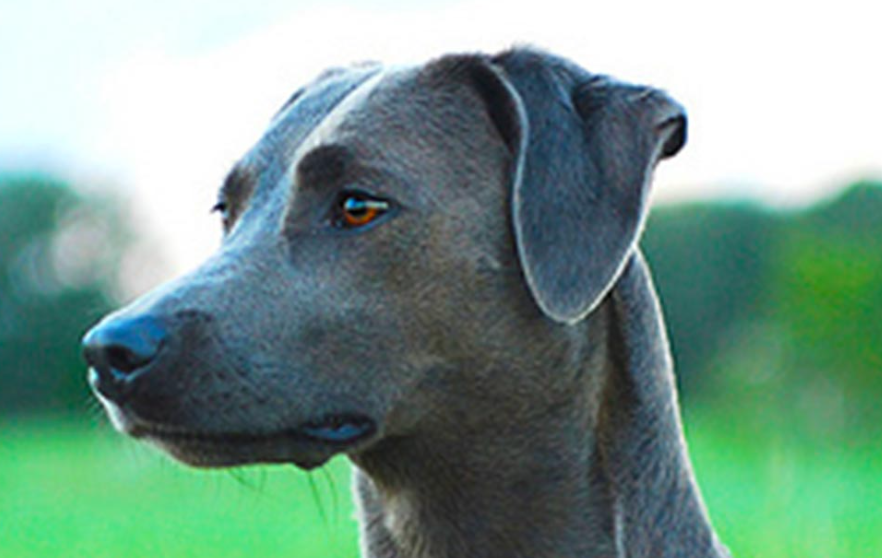
The hue of the blue-lacy dog’s coat is an intriguing characteristic. These dogs, as their name implies, often have blue coats that may be any shade between light slate and light silver. As they operate in different situations, this unique coat enhances their visual appeal and helps them fit in with their surroundings.
Distinctive physical features of the Blue Lacy
The remarkable work ethic of the Blue Lacy dog is yet another intriguing feature. These canines are excellent at a variety of jobs since they were bred to be working dogs. They are often used in tracking, search and rescue, and herding animals. Their powerful vitality,
Their aptitude for intellect and innate intuition make them excellent candidates for these challenging jobs. They are also very faithful and reliable buddies because of their strong sense of loyalty and desire to please their owners.
Fascinating facts about blue-lacy dog
The Blue Lacy dog is a unique and versatile breed that has gained popularity lately. Originally bred in the United States to herd cattle, this intelligent and energetic dog has become a beloved working and companion dog for many families.
Breed’s origin and history
The Blue Lacy dog has the name of the Lacy family, which played a significant role in the creation of the breed. The Lacys, a Texas ranching family, meticulously bred their dogs to improve their tracking and herding abilities. The breed’s ancestors include greyhounds, scent hounds, and coyote-wolf hybrids.
Breed’s Appearance, coat colour and texture
The Blue Lacy dog breed has a muscular, athletic build and is medium in size. They come in a range of blue tones, from light charcoal to dark silver, for their stylish, short coat. Their eyes are often golden or amber, and they have medium-sized ears that are high on the head.
Breed’s temperament and general behaviour
Blue-leaf canines are known for their endless energy, kind dispositions, and keen intellects. They are very adept in many various skills, like agility, tracking, and herding, and are highly trainable. They are also widely regarded as excellent family dogs since they are kind and devoted to the people they love.
Blue Lacy’s intelligence and trainability
Due to their high intelligence and superior herding ability, Blue Lacy dogs are often used as working dogs on farms and ranches. They are skilled at herding animals, such as pigs and cattle, and are used for tracking and game hunting. Because of their quickness and agility, they are highly skilled in capturing and reclaiming prey.
Suitable activities and exercises for the breed
Lacy dogs need regular exercise to keep their minds and bodies active because of their high level of energy. Regular plays, walks, or runs are essential to preventing boredom and misbehaviour. Exercise and mentally stimulating hobbies are also quite enjoyable to them.
Blue Lacy’s overall health and common health issues
Blue-lashed dogs are a generally healthy breed with relatively few breed-specific health issues. Like any other dog, they could be prone to certain conditions, such as hip dysplasia and visual problems. For their overall health, a well-balanced diet, frequent veterinarian checkups, and proper grooming are essential.
Breed’s compatibility with children and other pets
If you’re considering owning a Blue Lacy dog, it’s important to educate yourself on their needs and do some research. Families or active individuals who can provide them plenty of mental and physical stimulation are the ones who raise them well. Responsible ownership includes socialisation, suitable training, and the establishment of a loving environment.
Significant contributions the breed has made in various fields
The Blue Lacy dog is recognised by a number of bodies, including the United Kennel Club (UKC) and the American Kennel Club (AKC) Foundation Stock Service. Dog enthusiasts are starting to recognise and value them, even though the AKC has not yet recognised them as a separate breed.
Unique qualities and facts about the Blue Lacy dog
The intelligent and versatile Blue Lacy breed is a loyal and compassionate companion and performs well in a range of professional contexts. With their amazing abilities, stunning beauty, and distinctive past, they continue to captivate the hearts of many dog enthusiasts. If you’re looking for a breed that is both highly trainable and lively, the Blue Lacy may be the one for you.
FAQ (Frequently Asked Questions) about Blue Lacy Dog
Q: What is a Blue Lacy Dog?
Ans: The Blue Lacy, also known simply as the Lacy Dog, is a breed of working dog that originated in Texas, USA. It is the official state dog of Texas and was originally bred to work on ranches as a herding, hunting, and tracking dog. The breed is known for its intelligence, agility, and energy, making it ideal for active owners and working environments.
Q: Why is it called the “Blue” Lacy?
Ans: The name “Blue” Lacy comes from the breed’s most common coat color — a distinctive blue-gray. However, the breed can also come in other colors like red and tri-colored (blue, black, and white). The blue-gray coat is the most iconic and recognized variant.
Q: What is the temperament of the Blue Lacy Dog?
Ans: Blue Lacys are highly intelligent, energetic, and loyal. They are very driven and need regular physical and mental stimulation to stay happy and well-behaved. While they are affectionate with family, they may be reserved around strangers. They excel in obedience training and various types of dog sports or work-related activities.
Q: How big do Blue Lacy Dogs get?
Ans: Blue Lacy dogs are medium-sized. Males typically weigh between 35–50 pounds (16–23 kg), and females range from 30–45 pounds (14–20 kg). They stand about 18–21 inches (46–53 cm) tall at the shoulder. Their lean and muscular build supports their high activity level and working capabilities.
Q: Are Blue Lacy Dogs good family pets?
Ans: Yes, they can make excellent family pets, especially for active families that can provide them with plenty of exercise and tasks. They are loyal and protective, good with children, and often get along with other pets when socialized properly. However, due to their high energy and work-driven nature, they are not ideal for first-time or sedentary pet owners.
Q: Do Blue Lacy Dogs shed?
Ans: Blue Lacys have short, smooth coats that shed moderately. They are relatively low-maintenance in terms of grooming. Weekly brushing and occasional baths are usually enough to keep their coat clean and healthy.
Q: How much exercise does a Blue Lacy need?
Ans: Blue Lacy dogs need a significant amount of daily exercise. They thrive in environments where they can run, play, and have a job to do. Without enough physical and mental stimulation, they can become bored and destructive. Activities like running, agility training, hiking, and working tasks are ideal for them.
Q: Are Blue Lacy Dogs easy to train?
Ans: Yes, they are very trainable due to their intelligence and eagerness to please. They respond well to consistent, positive reinforcement training methods. Early socialization and obedience training are recommended to ensure a well-rounded temperament.
Q: What is the lifespan of a Blue Lacy Dog?
Ans: Blue Lacys typically live between 12 to 16 years. With proper care, regular veterinary visits, and a healthy lifestyle, they can live long and active lives.
#BlueLacy, #LacyDog, #WorkingDog, #TexasDog, #DogBreeds, #HerdingDog, #ActiveDogs, #DogLovers, #MediumDogs, #FamilyPets, #BlueLacyFacts, #DogTraining, #EnergeticDogs
Our sources and references about Blue Lacy Dog
1: Wikipedia – Blue Lacy
2: American Kennel Club – Blue Lacy (not yet officially recognized)
3: DogTime – Blue Lacy Dog Breed Information
4: Petfinder – Blue Lacy