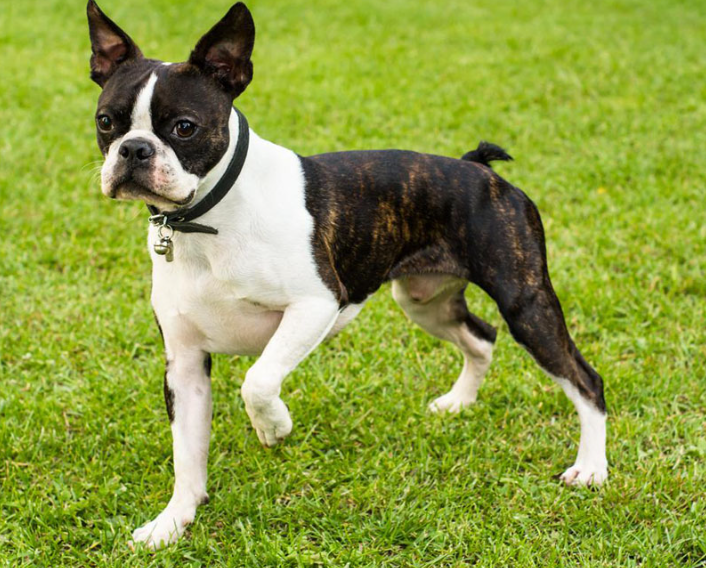
Quick Top 10 Facts about Boston Terrier
| SCIENTIFIC NAME | Canis lupus familiaris |
| CLASSIFICATION |
KINGDOM: Animalia PHYLUM: Chordata CLASS: Mammalia ORDER: Carnivora FAMILY: Canidae GENUS: Canis |
| SIZE | 15–17 inches (38–43 cm) tall; 12–25 pounds (5–11 kg) |
| HABITAT | Domestic environments; suitable for both apartments and houses |
| DIET | High-quality commercial dog food, occasional vegetables, and lean meats |
| SPECIES | Boston Terrier – a distinct and recognized dog breed |
| COUNTRY | United States – originated in Boston, Massachusetts |
| GESTATION PERIOD | Approximately 63 days |
| LIFE SPAN | 11–15 years |
| CONSERVATION STATUS | Not listed; domesticated breed maintained through selective breeding |
Amazing Facts About Boston Terriers
1. Nicknamed “The American Gentleman”
Their tuxedo-like coat and polite demeanor earned Boston Terriers this charming nickname.
2. They were bred in the USA
Boston Terriers are one of the few breeds that originated in the United States, specifically Boston, Massachusetts.
3. Boston Terriers are small but sturdy
Despite their compact size, they have muscular bodies and are surprisingly strong and agile.
4. They’re very people-oriented
Boston Terriers are affectionate, loyal, and thrive on human interaction, making them great family pets.
5. They have expressive eyes
One of the breed’s most recognizable features is their large, round, expressive eyes.
6. Low maintenance coat
Their short, smooth coat requires minimal grooming—perfect for pet parents who prefer low-fuss dogs.
7. They’re relatively quiet
Boston Terriers aren’t known for excessive barking, which makes them great for apartments.
8. Great for first-time dog owners
Their friendly personality, intelligence, and ease of care make them ideal for first-time pet owners.
9. They can be sensitive to extreme temperatures
Due to their short snouts, Boston Terriers can struggle in hot or cold weather and need to be monitored closely.
10. They’re full of personality
Boston Terriers are playful, comical, and full of charm, making them delightful companions for all ages.
Origin and history of Boston Terrier breed
With American origins, the Boston Terrier, often called the “American Gentleman,” is a small dog breed. In the late 1800s, English Bulldogs and English White Terriers were crossed in the first documented breeding of them. This odd combination resulted in a strong little dog with a tuxedo-like coat pattern. A Boston Terrier may provide its owners with pleasure and companionship for many years to come if they get the proper care and attention.
Physical characteristics and unique features of Boston Terriers
One of the most distinguishing characteristics of Boston Terriers is their friendly and gregarious nature. Their kind and amiable nature makes them the perfect family and friend companions. Since they are often seen as intelligent and willing to please, they are relatively easy to train.
Distinctive features, such as their compact body, short coat, and expressive eyes
The square head, short snout, and large, round eyes of Boston Terriers are their defining features. Their ears are often erect, and they have short, horizontal tails. They come in a range of colours, including brindle, seal, and black with white markings, with their glossy, silky coat.
Fascinating facts about Boston Terrier breed
The Boston Terriers’ powerful, muscular physique belies their little height, giving them an athletic and confident demeanour. Boston Terriers are wonderful companions who are well-known for their intellect, friendliness, and unique look. They adapt nicely to a variety of living conditions and are wonderful family pets. Potential owners should be informed about the breed’s propensity for specific health problems as well as its requirements for activity and grooming.
Introduction of the Boston Terrier dog breed
The Boston Terrier, also referred to as the “American Gentleman,” is a petite, amiable canine breed. Boston Terriers have gained popularity as pets and household companions because of their unique tuxedo-like patterns and endearing personalities. We’ll look at some fascinating breed-specific information in this post on Boston Terriers.
Origins of Boston Terriers and their development as a breed
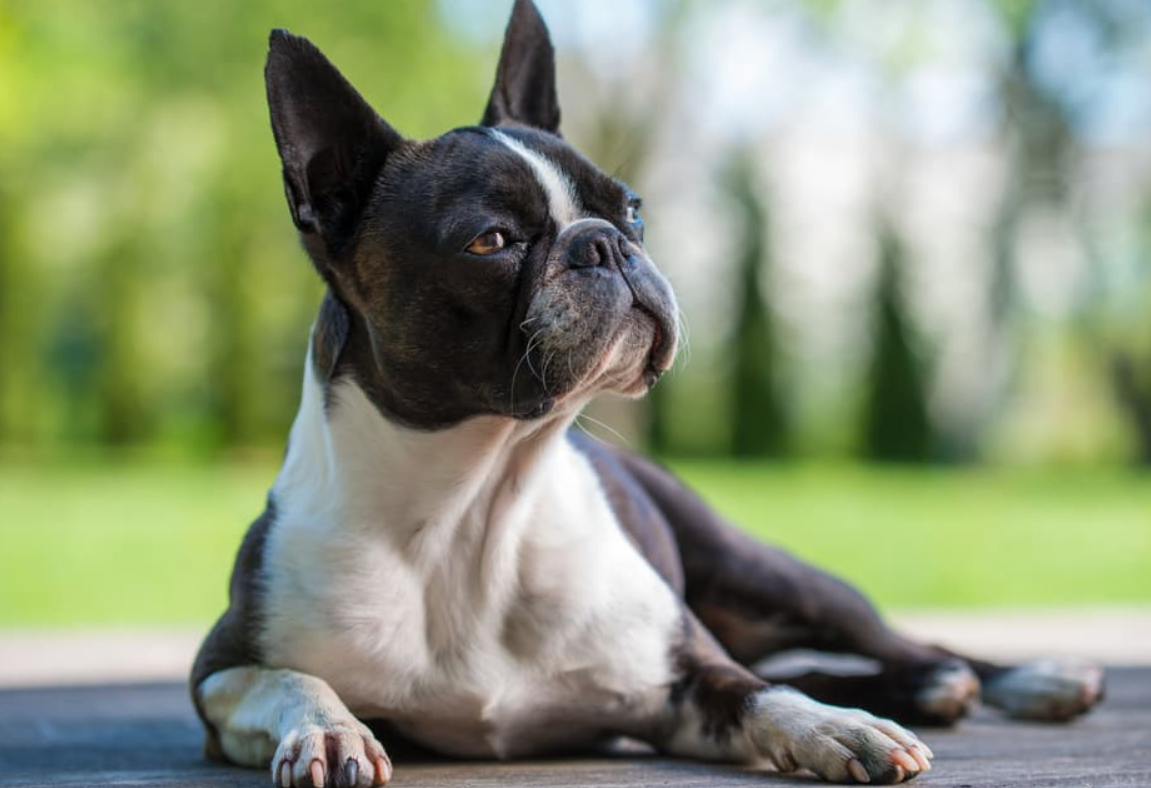
In the late 19th century, the Boston Terrier was first developed in the United States. Originally developed for canine combat, they subsequently gained popularity as companion animals. The English Bulldog and the now-extinct English White Terrier were crossed to form the breed. The final product was a compact, strong dog with a kind and amiable disposition.
Typical size and weight of Boston Terriers
Boston Terriers are little canines with a musculoskeletal structure. Their skull is square-shaped, their nose is short, and their eyes are big and round. Their tails are small and tapered, and their ears are typically upright. The short, silky coat of a Boston Terrier, which comes in a range of hues such as brindle, seal, and black with white markings, is one of their most characteristic attributes.
Friendly and affectionate nature of Boston Terriers
It is well known that Boston Terriers are extroverted and gregarious animals. They are wonderful family dogs since they get along well with kids and other animals in general. They are rather simple to teach since they are bright and eager to please. Additionally, well-known for their sense of humour, Boston Terriers enjoy providing their owners with amusement via their mischievous activities.
Intelligence and willingness to learn, making them relatively easy to train
Boston Terriers are active canines who need frequent exercise despite their tiny stature. They need to play in a safely enclosed yard and go on daily walks to be intellectually and physically occupied. In order to instill positive conduct and avert any future behavioural problems, training should begin early. Treats and praise are two effective forms of positive reinforcement for this breed.
Importance of regular veterinary check-ups and proper care to maintain their well-being
Boston Terriers are prone to specific health problems, just like any other breed of dog. Allergies, skin disorders, allergies, and respiratory issues are a few prevalent health issues with Boston Terriers. A balanced diet, regular vet visits, and good grooming may help avoid or treat certain health issues. Selecting a trustworthy breeder who examines the health of their breeding dogs is crucial.
Lifespan Estimate of Boston Terriers
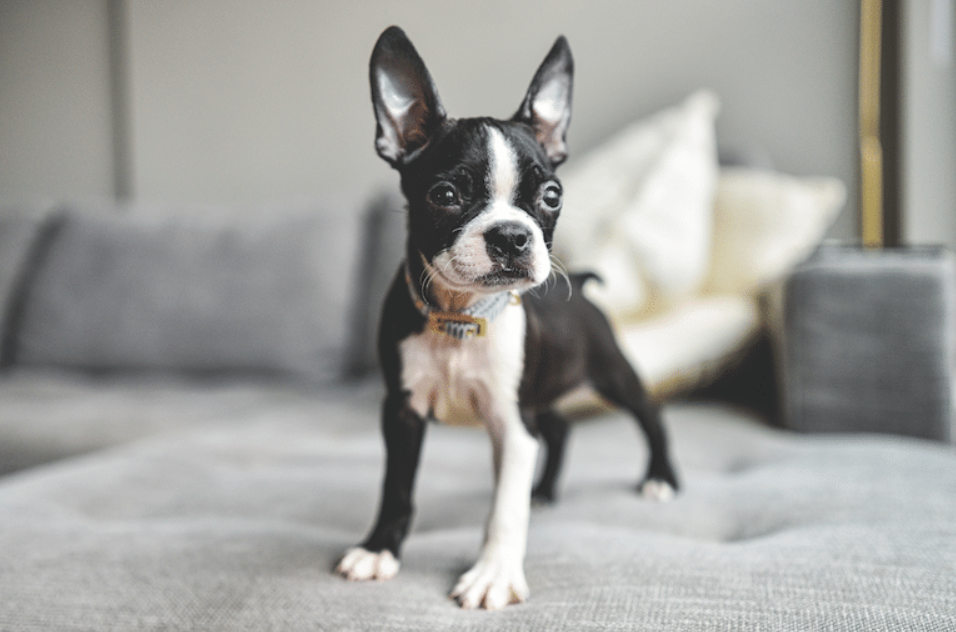
A Boston Terrier may expect to live for around 11 to 15 years on average. Boston Terriers may have long and happy lives if they get the right care, eat a balanced diet, exercise often, and see their veterinarian on a regular basis.
FAQ (Frequently Asked Questions) about Boston Terrier Dog
Q: What is a Boston Terrier?
Ans: The Boston Terrier is a small, lively dog breed known for its tuxedo-like coat, expressive eyes, and friendly nature. Often called the “American Gentleman,” this breed was developed in the United States in the late 19th century and is a cross between an English Bulldog and a white English Terrier.
Q: What do Boston Terriers look like?
Ans: Boston Terriers are compact dogs with short tails, erect ears, and a smooth, short coat. They are most commonly black and white, but they can also be brindle or seal with white markings. Their round, expressive eyes and distinctive facial expressions are part of their charm.
Q: How big do Boston Terriers get?
Ans: Boston Terriers are small dogs, typically weighing between 12 to 25 pounds (5.4 to 11.3 kg) and standing 15 to 17 inches (38 to 43 cm) tall at the shoulder. They are compact and muscular, yet agile and graceful.
Q: What is the temperament of a Boston Terrier?
Ans: Boston Terriers are known for being affectionate, intelligent, and social. They make excellent family pets and tend to get along well with children and other animals. They are alert and may bark at strangers, but they are not aggressive by nature.
Q: Are Boston Terriers easy to train?
Ans: Yes, Boston Terriers are intelligent and eager to please, making them relatively easy to train. They respond well to positive reinforcement methods and consistency. Early socialization and training help bring out their best behavior.
Q: Do Boston Terriers shed a lot?
Ans: Boston Terriers have a short, smooth coat that sheds minimally. They are considered low-maintenance in terms of grooming but do benefit from occasional brushing to remove loose hair and keep their coat healthy and shiny.
Q: How much exercise does a Boston Terrier need?
Ans: While Boston Terriers are energetic, they don’t require excessive exercise. Daily walks, playtime, and mental stimulation will keep them happy and healthy. They enjoy indoor play and are well-suited for apartment living.
Q: Are Boston Terriers good with children?
Ans: Yes, Boston Terriers are generally very good with children. Their playful, gentle nature and small size make them a great match for families with kids. As with any dog, interactions should be supervised with very young children.
Q: Do Boston Terriers have any health problems?
Ans: Like many short-nosed (brachycephalic) breeds, Boston Terriers may be prone to breathing issues, especially in hot or humid weather. They can also be susceptible to eye conditions, allergies, and patellar luxation. Regular vet visits and a healthy lifestyle can help prevent major issues.
Q: How long do Boston Terriers live?
Ans: Boston Terriers typically live between 11 to 15 years. With proper care, including regular veterinary checkups, good nutrition, and daily exercise, they can enjoy a long, happy life.
#BostonTerrier, #AmericanGentleman, #SmallDogBreed, #FamilyDog, #CompanionDog, #ApartmentDog, #LowShedding, #DogLovers, #PetCare, #DogTraining
Our sources and references about Boston Terrier Dog
1: Wikipedia – Boston Terrier
2: AKC – Boston Terrier
3: Hill’s Pet – Boston Terrier
4: Petfinder – Boston Terrier