Quick Top 10 Facts about Box Tree Moth
| SCIENTIFIC NAME | Cydalima perspectalis |
| CLASSIFICATION | KINGDOM: Animalia PHYLUM: Arthropoda CLASS: Insecta ORDER: Lepidoptera FAMILY: Crambidae GENUS: Cydalima SPECIES: C. perspectalis |
| SIZE | Wingspan: 1.6–1.8 inches (4–4.5 cm) |
| HABITAT | Gardens, parks, and forests where boxwood plants (Buxus) are present |
| DIET | Larvae feed primarily on boxwood (Buxus spp.) leaves and bark |
| SPECIES | Box Tree Moth, an invasive species known for damaging ornamental boxwood plants |
| COUNTRY | Native to East Asia; invasive in Europe and spreading in North America |
| LIFE CYCLE | Egg → Larva (caterpillar) → Pupa → Adult moth; multiple generations per year in warm climates |
| LIFE SPAN | Adult moth lives around 2 weeks; full life cycle takes 45–60 days |
| CONSERVATION STATUS | Not endangered; considered an invasive pest in many regions |
Amazing Facts About Box Tree Moths
1. The Box Tree Moth is an invasive species
Originally from East Asia, this moth has spread rapidly in Europe and North America, damaging boxwood plants.
2. It targets ornamental plants
Its larvae feed voraciously on boxwood, a popular ornamental plant used in hedges and gardens.
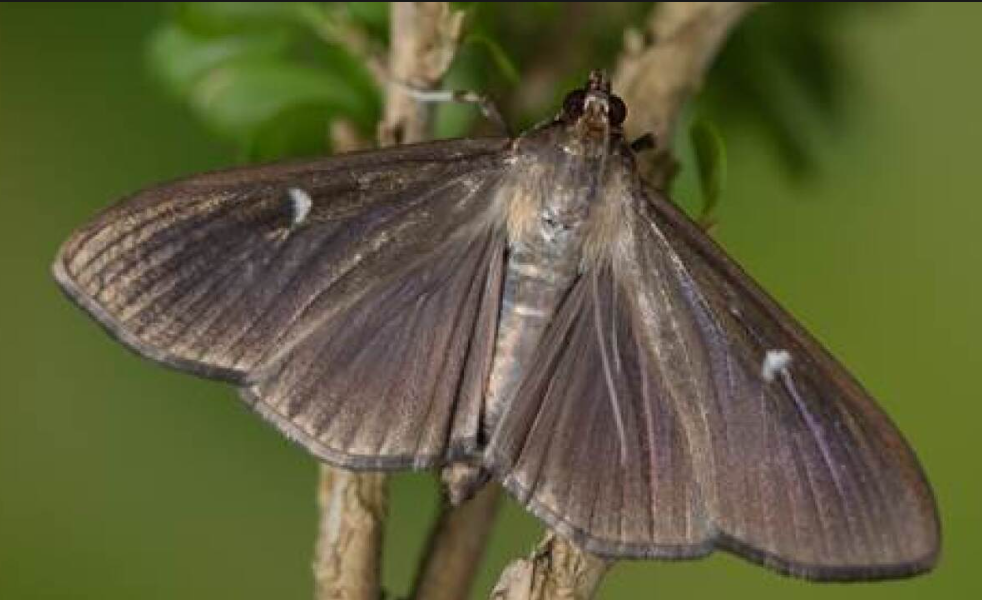
3. The moth has two main color forms
Box Tree Moths come in a common white form with a dark border and a less common brown form.
4. Larvae cause the most damage
The caterpillars feed on leaves and bark, often completely defoliating the plant and killing it if infestations are severe.
5. They have multiple generations per year
In warmer climates, the moth can produce 3–4 generations annually, increasing its impact.
6. It’s hard to detect early infestations
Initial damage is often hidden inside the plant, making early detection difficult until leaves are visibly skeletonized.
7. They spread quickly
Box Tree Moths can disperse naturally by flying and also spread via movement of infested plants.
8. Pupae are well hidden
The pupae are often wrapped in leaves and silk webbing, offering protection from predators and weather.
9. Monitoring is essential for control
Pheromone traps are used by gardeners and pest controllers to monitor and reduce populations.
10. Management requires integrated efforts
Control methods include pruning, pheromone traps, insecticides, and biological control using natural predators or parasitoids.
Intriguing facts about Box Tree Moth
Cydalima perspectalis is the scientific name for the Box Tree Moth, which belongs to the Crambidae family of moths. It is native to Taiwan, China, Japan, and the Korean Peninsula in East Asia. However, it has been introduced to other European nations, most notably the UK, where it has become a significant annoyance.
Physical description of the Box Tree Moth
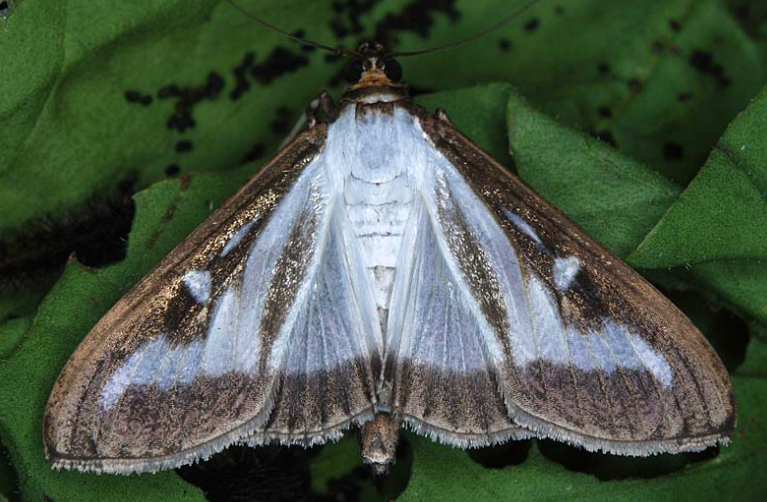
The adult Box Tree Moth has a wingspan of around 4 cm and is characterized by its unique look. The forewings are white with distinct brown markings, while the hindwings are light brown. The moth is most active throughout the summer, which lasts from May to September, and is attracted to light sources at night.
Damage caused by the Box Tree Moth larvae to boxwood plants
One of the Box Tree Moth’s most concerning characteristics is how it affects boxwood plants (Buxus species). This moth’s larvae severely defoliate and damage boxwood plants by consuming their leaves. This may damage and finally kill boxwood hedges and topiaries, which are valued for their ornamental qualities in gardens and landscapes.
Life Cycle of Box Tree Moth
The life cycle of the Box Tree Moth consists of four stages: the egg, larva, pupa, and adult. The female moth lays her eggs on the undersides of boxwood leaves, usually in clusters. Small greenish-yellow caterpillars with black heads and black spots all over their bodies emerge from the eggs. These caterpillars eat the leaves, leaving behind skeletonized vegetation.
Box Tree Moth: Transformation from one life stage to another
As they get older, the caterpillars go through several molting stages when they lose their old skin and acquire larger bodies. When the caterpillars mature, they spin silken cocoons to transform into pupae on nearby boxwood trees or structures. Within the cocoons, the caterpillars undergo metamorphosis into pupae, which eventually mature into adult moths.
Prevention and Control Method of Box Tree Moth
The Box Tree Moth may be controlled using a variety of management strategies to reduce damage and halt its spread. These include plucking the larvae and pupae by hand and discarding them, regularly inspecting boxwood trees for signs of infestation, and utilizing biological control agents, such as parasitic wasps, to target the eggs and larvae of the moth.
Chemical pesticides may sometimes be employed as a last resort, but their application has to be done correctly and in accordance with local regulations to avoid harming the ecosystem and beneficial insects.
The box tree moth is a destructive pest that harms boxwood plants and ecosystems
Overview The box tree moth is a member of the Crambidae family, with the scientific name Cydalima perspectalis. This moth, which was formerly endemic to East Asia, is now considered a terrible nuisance in many regions of North America and Europe. Its population has grown quickly in recent years, seriously harming boxwood plants, which are often utilized in gardens and landscaping. We will look at some significant information on the box tree moth and its effects on the ecosystem.
Fascinating facts of the Box Tree Moth insects
The adult box tree moth is distinguished by its striking black dots and its white wings with brown borders, measuring around 4 centimeters in length. Initially appearing yellowish-green, the larvae, or caterpillars, eventually become a vivid green hue with black dots and stripes. These caterpillars have a maximum length of 4 cm. The box tree moth has four phases in its life cycle: the egg, larva, pupa, and adult. Usually in groups of 30 to 40, the mature female moth deposits her eggs on the underside of boxwood leaves. The eggs hatch, and the caterpillars appear after approximately a week. The caterpillars devour the leaves, often severely defoliating them in the process. They finally create a cocoon and go through multiple molting phases to reach the pupal stage. The cycle restarts when the adult moths emerge from their cocoons after a few weeks.
Damage caused by the box tree moth
Impact and damage Due to its capacity to seriously harm boxwood plants, the box tree moth is regarded as a serious pest. After feeding on the leaves, the caterpillars often skeletonize them, leaving just the veins. Particularly in situations where there is a serious infestation, this defoliation weakens the plants and may eventually cause them to die. This bug especially affects ornamental plants, such as topiaries and boxwood hedges. The box tree moth’s effects go beyond the aesthetic harm it does to plants.
Negative impact of box tree moth on environment
Boxwood is a vital component of many ecosystems because it provides a place for different insects and birds to live and feed. These environments may be negatively impacted by the moth’s infestation of boxwood plants, which might lead to a decline in biodiversity.Dissemination and Administration
Monitoring for Box Tree Moth infestations
Early in the new millennium, box tree moths were probably brought to Europe via imported diseased trees. Since then, because of its long-range flight capabilities and the absence of natural predators in its new habitat, it has quickly expanded over several nations. The movement of infected plant material could potentially unintentionally spread the moth’s eggs and caterpillars. The box tree moth infestation has been managed by a combination of chemical and cultural management strategies.
Methods for monitoring moth populations
Cultural methods include checking plants on a regular basis, hand-removing eggs and caterpillars, and using pheromone traps to keep an eye on moth populations. Chemical control calls for the use of pesticides; nevertheless, in order to avoid damage to beneficial insects and the environment, this strategy should be used sparingly and in compliance with local rules. In addition to these management measures, increasing public awareness of the box tree moth and its effects is critical. It is important to inform gardeners, landscapers, and plant nurseries about the warning indications of infestation and the steps to take to stop the pest from spreading.
The threatened facts about the Box Tree Moth
Boxwood plants and the ecosystems they sustain are being threatened by the destructive box tree moth. Gardeners and environmentalists are concerned about it because of its quick spread and capacity to inflict significant harm. Through comprehending the life cycle, consequences, and effective management techniques linked with this moth, we may endeavor to mitigate its adverse impacts and save our priceless boxwood trees.
FAQ (Frequently Asked Questions) about Box Tree Moth
Q: What is a Box Tree Moth?
Ans: The Box Tree Moth (Cydalima perspectalis) is an invasive moth species native to East Asia. It has spread to Europe and parts of North America, where it poses a serious threat to boxwood plants. The larvae (caterpillars) feed aggressively on boxwood leaves, often defoliating entire shrubs.
Q: What does the Box Tree Moth look like?
Ans: The adult Box Tree Moth has a wingspan of about 1.5 inches (4 cm). It typically has white wings with a brown border, though a darker, all-brown morph also exists. The caterpillars are greenish-yellow with black stripes and spots, making them well-camouflaged on boxwood plants.
Q: Where is the Box Tree Moth found?
Ans: Originally from East Asia, the Box Tree Moth has spread across Europe and has recently been detected in North America. It is usually found wherever boxwood plants are grown, including parks, gardens, and ornamental landscapes.
Q: Why is the Box Tree Moth a problem?
Ans: The larvae of the Box Tree Moth feed on boxwood leaves and bark, which can severely damage or kill the plant. Because boxwood is a popular ornamental shrub, the moth poses a threat to horticulture and native ecosystems where boxwood plays a role.
Q: How can you identify a Box Tree Moth infestation?
Ans: Signs of infestation include skeletonized or missing leaves, visible green caterpillars with black stripes, and webbing on the branches. You may also spot the distinctive adult moths nearby, especially during the warmer months.
Q: How do Box Tree Moths reproduce?
Ans: Female Box Tree Moths lay clusters of eggs on the underside of boxwood leaves. The eggs hatch into caterpillars that feed on the plant before pupating and emerging as adult moths. There can be multiple generations per year in warmer climates.
Q: How can you control or prevent a Box Tree Moth infestation?
Ans: Control methods include manual removal of larvae, the use of pheromone traps to monitor populations, and application of biological or chemical insecticides. In some regions, natural predators and targeted bacteria (like Bacillus thuringiensis) are also used.
Q: Are Box Tree Moths harmful to humans or pets?
Ans: No, Box Tree Moths are not harmful to humans or pets. The primary concern is the damage they cause to boxwood plants, which can impact gardens, parks, and ornamental landscaping.
Q: Can Boxwood recover after an infestation?
Ans: In some cases, yes. If the infestation is caught early and treated promptly, boxwood shrubs can regrow. However, repeated infestations or severe damage may kill the plant, especially if larvae feed on the bark in addition to the leaves.
Q: Are there any natural predators of the Box Tree Moth?
Ans: In its native range, natural predators help keep populations in check. Invasive regions may lack these predators, although birds and parasitic wasps are being studied as potential biological controls in affected areas.
#BoxTreeMoth, #InvasiveSpecies, #GardenPests, #BoxwoodDamage, #MothFacts, #CaterpillarInfestation, #GardenCare, #HorticultureThreat, #Biodiversity, #PestControl, #BoxwoodShrub
Our sources and references about Box Tree Moth
1: Wikipedia – Box Tree Moth
2: RHS – Box Tree Moth
3: CABI – Cydalima perspectalis
4: Canadian Food Inspection Agency – Box Tree Moth