Quick Top 10 Facts about Brookesia Micra
| SCIENTIFIC NAME | Brookesia micra |
| CLASSIFICATION | KINGDOM: Animalia PHYLUM: Chordata CLASS: Reptilia ORDER: Squamata FAMILY: Chamaeleonidae GENUS: Brookesia SPECIES: B. micra |
| SIZE | Length: Approximately 3–4 cm (1.2–1.6 inches), making it one of the smallest reptiles in the world |
| HABITAT | Native to the dry forests and leaf litter of Madagascar |
| DIET | Insectivorous, feeding on small insects, spiders, and other arthropods |
| SPECIES | Brookesia micra is one of the smallest known chameleons and the smallest known reptile in the world |
| COUNTRY | Endemic to Madagascar |
| GESTATION PERIOD | Brookesia micra lays eggs, which hatch in about 4 to 6 months depending on the environmental conditions |
| LIFE SPAN | Approximately 3–4 years in the wild |
| CONSERVATION STATUS | Endangered, primarily due to habitat loss, climate change, and human disturbance |
Amazing Facts About Brookesia Micra
1. Brookesia Micra is the smallest known reptile
At only 3–4 cm in length, Brookesia micra holds the title of the smallest known reptile on Earth, smaller than most common insects.
2. It is a chameleon species
Although tiny, Brookesia micra is a type of chameleon and exhibits some of the characteristic traits of this family, such as color-changing abilities.
3. They have an excellent camouflage
Brookesia micra is highly camouflaged, blending seamlessly into its environment, especially among the leaf litter in Madagascar’s dry forests.
4. They are insectivores
Brookesia micra primarily feeds on tiny insects, spiders, and other small arthropods found in its habitat.
5. They are endemic to Madagascar
Brookesia micra is found exclusively in the dry forests of Madagascar, a biodiversity hotspot with many endemic species.
6. Brookesia Micra is difficult to spot
Due to its tiny size and natural camouflage, Brookesia micra is extremely difficult to spot in the wild, often going unnoticed by researchers.
7. They are oviparous
Like other chameleons, Brookesia micra lays eggs, with the hatchlings emerging after several months of incubation.
8. They are highly vulnerable to environmental changes
Brookesia micra faces significant threats due to deforestation, habitat destruction, and climate change, which affect their survival in the wild.
9. They have a limited distribution range
The species is found only in a small area of Madagascar, making it highly vulnerable to extinction from localized threats.
10. Brookesia Micra was discovered relatively recently
Brookesia micra was first described by scientists in 2012, making it one of the more recent discoveries in the reptile world.
Intriguing facts about chameleon, Brookesia Micra
The rare species of chameleon known as the nano-chameleon, or Brookesia micra, is exclusive to the island of Madagascar. Brookesia micra little reptile is among the smallest in the world when it comes to adult male chameleons, which reach a maximum length of roughly 29 millimetres. Brookesia micra has unique traits, and its small size makes it a very remarkable species.
Physical attributes of brookesia micra
Brookesia micra is distinguished from other chameleons by its physical attributes. Its shape is flattened to blend in with its environment, and its body is very thin and small. This chameleon also has a small, prehensile tail that aids in balance and movement. It can effectively blend in with its environment and evade predators because of its ability to change colour.
Uniqueness and significance of chameleon Brookesia Micra
For a little dog, the Brookesia Micra has a lot of interesting quirks. Like other chameleons, it can change the colour of its skin to fit in with its surroundings, providing it with excellent camouflage. This species is arboreal, meaning it spends most of its time in trees. It moves slowly and with purpose, using its special foot and tail to help it cling to plants and trees. The Brookesia Micra is well-known for its unusual hunting technique, which entails waiting for prey to reach its range by staying still for extended periods of time. Its methodical methodology allows it to accurately collect tiny insects and other animals.
Fascinating facts regarding of brookesia Micra
One of the tiniest reptiles on the planet is the Brookesia micra chameleon, often referred to as the dwarf chameleon. The following are some intriguing details regarding this amazing creature:
Incredible smallest size of chameleon: Brookesia Micra
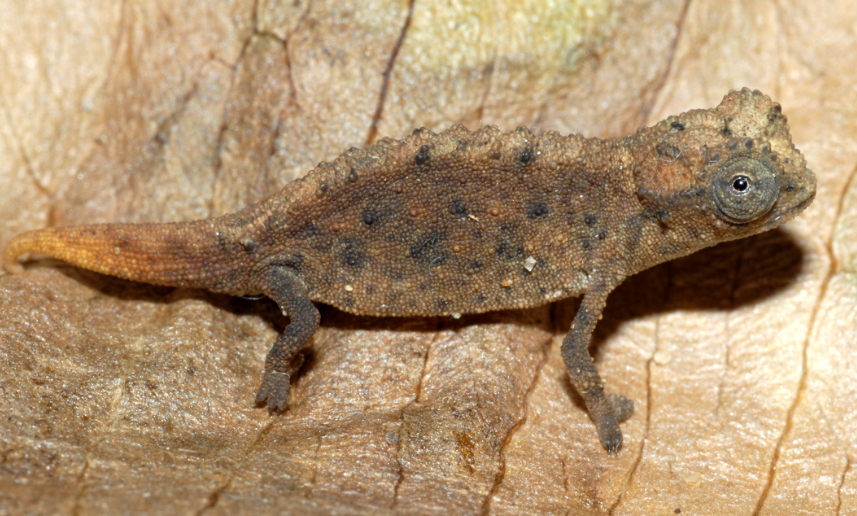
Male, mature Brookesia micra chameleons grow to a maximum length of around one inch, making them very small animals. As a result, they rank among Earth’s tiniest vertebrates. Their prehensile tail, which helps them hold onto trees, small limbs, and slim body give them a distinctive look. They may have a variety of colours, but they usually have grey, green, and brown tones that help them blend in with their environment.
Habitat ranges or countries where Brookesia Micra Chameleon can be found
The Brookesia Micra Chameleon is originally from Madagascar, an island near Africa’s east coast. It is located on the tiny islet of Nosy Hara in the island’s northern region. This chameleon’s environment, low-lying coastal woodlands, requires it to be extremely specialised.
The behavioral characteristics of Brookesia Micra.
The Brookesia micra chameleon, like other chameleons, has the amazing ability to alter its colour to fit in with its surroundings. This allows it to ambush its prey and hide from predators. These chameleons have amazing camouflage qualities in addition to their ability to change colour. They are almost inconspicuous among the leaves and branches of their environment because of their tiny size and cryptic colouring.
Special adaptations that help it survive in its environment
Additionally, Brookesia micra chameleons have developed special environmental adaptations. They can search their environment for possible dangers or prey by moving their eyes independently. They are also skilled climbers because of their unique feet, which have little claws that help them hold onto objects.
Preferred food and eating patterns of Brookesia Micra Chameleon
Microscopic invertebrates such as mites and ants are the primary food source for these little chameleons. They capture their prey using their lengthy, sticky tongue. Because of their small size, they require a large number of insects to meet their energy needs. They are patient hunters, waiting to use their tongues to seize their prey until it is close enough to attack.
Mating and Reproductive process of Brookesia Micra
Reproduction in Brookesia micra chameleons is distinct. The female lays tiny clutches of eggs, often two to four, and buries them in the leaf litter on the forest floor. The hatchlings are completely autonomous from birth, and the eggs take many months to hatch.
longevity and lifespan of this fascinating creature: Brookesia Micra
These chameleons have a comparatively short lifetime, usually lasting two to three years. Because their life cycles are shorter and their metabolic rates are higher than those of larger species, tiny reptiles are frequently affected.
Continued research and conservation efforts are needed to ensure the survival of Brookesia Micra
The International Union for Conservation of Nature has designated the Brookesia micra chameleon as critically endangered (IUCN). Due to its tiny population and restricted distribution, it is very susceptible to habitat deterioration and loss. The removal of forests, especially for logging and agriculture, is a major danger to their existence. This species’ demise is further exacerbated by the illicit pet trade.
importance of understanding and conserving Brookesia Micra
In addition to spreading awareness of the Brookesia micra chameleon’s conservation concerns, efforts are being made to preserve the species’ remaining habitat. For this rare and amazing animal to survive, strict rules against the illicit wildlife trade and legislation protecting its habitat are essential.
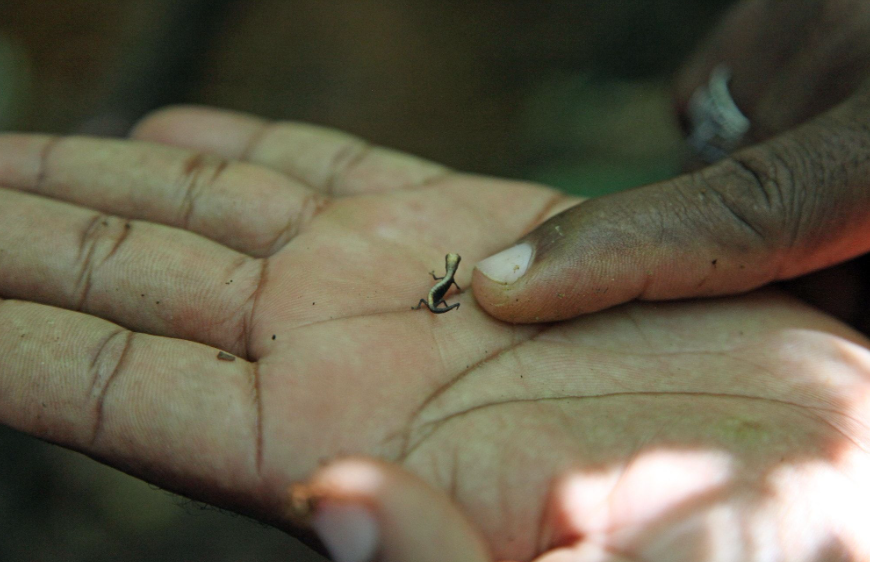
Information that showcases the uniqueness of Brookesia Micra.
A fascinating species, the Brookesia micra chameleon is named for its unusual adaptations and small size. It’s an interesting organism to examine because of its ability to blend in with its environment and its unique eating habits. But in order to save this threatened species and guarantee its continued existence for future generations, immediate conservation action is required.
FAQ (Frequently Asked Questions) about Brookesia Micra
Q: What is Brookesia Micra?
Ans: Brookesia Micra is one of the smallest known species of chameleon, native to the island of Madagascar. This miniature chameleon was first described in 2012 and is considered one of the tiniest reptiles in the world. Adult males of Brookesia Micra can be as small as 1.1 inches (2.8 cm) in length, with females slightly larger.
Q: Where is Brookesia Micra found?
Ans: Brookesia Micra is endemic to Madagascar, specifically found in a small, restricted region of the island’s northern rainforests. It inhabits leaf litter on the forest floor, making it difficult to spot due to its camouflage and diminutive size.
Q: What does Brookesia Micra eat?
Ans: Like other chameleons, Brookesia Micra primarily feeds on small invertebrates, including insects, spiders, and other arthropods. They use their long, sticky tongues to capture prey from their surroundings. Their diet consists of small, soft-bodied creatures that they can easily hunt from their perch in the leaf litter.
Q: How does Brookesia Micra survive in its environment?
Ans: Brookesia Micra’s small size and cryptic coloration help it blend into the leaf litter, providing excellent camouflage from predators. It is a slow-moving and secretive species, which helps it avoid being detected. Additionally, this chameleon has adapted to its humid, dense forest habitat by remaining close to the forest floor, where it is protected from the elements and predators.
Q: How big does Brookesia Micra get?
Ans: Brookesia Micra is one of the smallest reptiles in the world. Adult males can grow to about 1.1 inches (2.8 cm) in body length, with females being slightly larger, reaching up to 1.6 inches (4 cm). Their tiny size makes them incredibly hard to spot in their natural habitat.
Q: Is Brookesia Micra endangered?
Ans: Yes, Brookesia Micra is considered to be at risk due to its limited distribution and the ongoing threats to its habitat. Deforestation, habitat destruction, and climate change are significant risks to the survival of this species. Conservation efforts are necessary to protect its fragile ecosystem in Madagascar.
Q: How does Brookesia Micra reproduce?
Ans: Brookesia Micra, like other chameleons, reproduces by laying eggs. The female typically lays a small clutch of eggs, which she buries in the leaf litter. The eggs incubate in the warm, humid conditions of the forest floor. The young chameleons hatch as miniature versions of the adults and are independent from birth, relying on their camouflaged appearance to avoid predators.
Q: How can we help protect Brookesia Micra?
Ans: Protecting Brookesia Micra involves conserving its natural habitat in Madagascar. Efforts to prevent deforestation, promote sustainable land management practices, and establish protected areas are vital for the survival of this species. Supporting conservation initiatives in Madagascar and raising awareness about the importance of preserving biodiversity on the island can also help safeguard the species.
Q: Can Brookesia Micra be kept as a pet?
Ans: While Brookesia Micra is a fascinating species, it is not recommended to keep it as a pet. Due to its extremely small size, specific habitat requirements, and delicate nature, it is difficult to care for in captivity. Additionally, removing these tiny creatures from their natural habitat poses a threat to their already vulnerable population. Conservation of their wild populations is crucial.
#BrookesiaMicra, #SmallestChameleon, #Madagascar, #Reptiles, #Chameleons, #WildlifeConservation, #EndangeredSpecies, #Biodiversity, #MadagascarWildlife, #LivingFossil, #TinyReptiles, #CrypticSpecies, #ForestFloor
Our sources and references about Brookesia Micra
1: Wikipedia – Brookesia Micra
2: National Geographic – Brookesia Micra
3: IUCN Red List – Brookesia Micra
4: Reptile City – Brookesia Micra