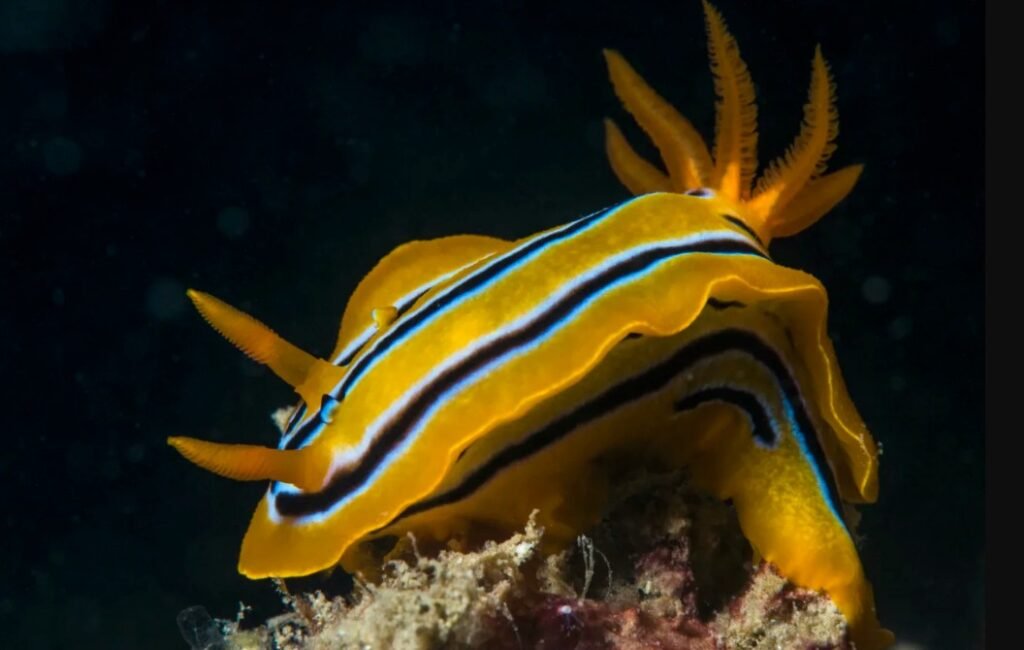
Sea slugs, also known as nudibranchs, are a diverse group of soft-bodied marine gastropods. These colorful and fascinating creatures are found in oceans around the world, from shallow coastal waters to deep-sea habitats. Known for their vivid hues and intricate body structures, sea slugs are primarily herbivores, feeding on algae and other marine plants. Despite their small size, some species are capable of defending themselves through toxic secretions or by incorporating toxins from their food.
Quick Top 10 Facts about Sea Slug
| SCIENTIFIC NAME | Various species across different genera, such as Chromodoris and Flabellina |
| CLASSIFICATION | KINGDOM: Animalia PHYLUM: Mollusca CLASS: Gastropoda ORDER: Nudibranchia |
| SIZE | Length: 1–30 cm (0.4–12 inches), depending on the species |
| SPECIES | Algae, small invertebrates, and some marine organisms like sponges |
| APPEARANCE | Colorful and varied, often displaying vivid patterns and hues like pink, purple, blue, and yellow. Their bodies are often soft and gelatinous. |
| LIFE SPAN | Typically 1–2 years, depending on the species |
| HABITAT | Shallow coastal waters, coral reefs, and underwater kelp forests around the world |
| DIET | Primarily herbivorous, feeding on algae and other marine plants, with some species feeding on sponges or other small marine animals |
| NATURAL PREDATORS | Fish, crabs, and other marine predators that are immune to their toxins |
| COUNTRY | Found worldwide, particularly in tropical and temperate waters |
| GESTATION PERIOD | Eggs are laid in gelatinous clusters, and development varies by species. Some species also undergo external fertilization. |
| CONSERVATION STATUS | Some species are threatened due to habitat loss and environmental changes, although many are not considered endangered. |
Amazing Facts About Sea Slug
1. Vibrant Colors for Defense
Sea slugs are known for their striking colors and patterns, which serve as a warning to predators about their toxicity or bad taste. Some species also use camouflage to blend into their surroundings.
2. Incredible Defenses
Some sea slugs, like the blue dragon (Glaucus atlanticus), are capable of absorbing toxins from their food, such as sponges, and using these toxins for their own defense against predators.
3. No Shell, No Problem
Unlike many other gastropods, sea slugs do not have a protective shell. Instead, they rely on their vibrant colors, mucus trails, and toxins to avoid being eaten.
4. Highly Specialized Diet
Sea slugs have evolved specialized diets, with some species feeding exclusively on specific types of algae or sponges. They are particularly important in controlling marine plant growth.
5. Marine Pollinators
Some sea slugs play a role in marine ecosystems by helping to pollinate marine plants, further contributing to their habitat’s health.
6. Slime Production for Protection
Sea slugs produce a slimy mucus that can be used to protect themselves from predators and parasites, allowing them to slide smoothly across surfaces or escape attacks.
7. Complex Reproductive Strategies
Most sea slugs are intersex, meaning they have both male and female reproductive organs. This allows them to mate with any other individual of their species.
8. They Can Regrow Body Parts
Certain species of sea slugs, like the Elysia chlorotica (Eastern Emerald Elysia), are capable of regenerating parts of their bodies, such as their tails, when injured.
9. Slow and Steady
Sea slugs are not fast movers. They generally glide slowly over the ocean floor or attach to plants, using their mucus to help them move.
10. Important for Marine Health
Despite their small size, sea slugs play a vital role in maintaining marine ecosystems, helping control algae populations and providing a food source for other marine life.
Introduction of fascinating Sea Slug
Sea slugs are marine gastropods that are members of the Nudibranchia order and are distinguished by their exquisite colours, complex shapes, and unusual behaviours. Sea slugs are a very diversified collection of invertebrates that may be found in seas all over the world, despite the fact that the name “slug” may conjure ideas of terrestrial species. Because of their intriguing biology and ecological relevance, these remarkable organisms enthral both marine researchers and amateurs.
1. Sea Slugs: What Are They?
Snails, slugs, and limpets are all members of the broader Gastropoda class, which also includes sea slugs. The majority of sea slug species are found in shallow coastal waters, indicating that they have evolved to an aquatic existence in contrast to their terrestrial counterparts. Often used as a general phrase, “sea slug” refers to animals of the Nudibranchia order, also called nudibranchs, which are distinguished by their vivid colours and visible gills.
Distinctive Colours and Patterns
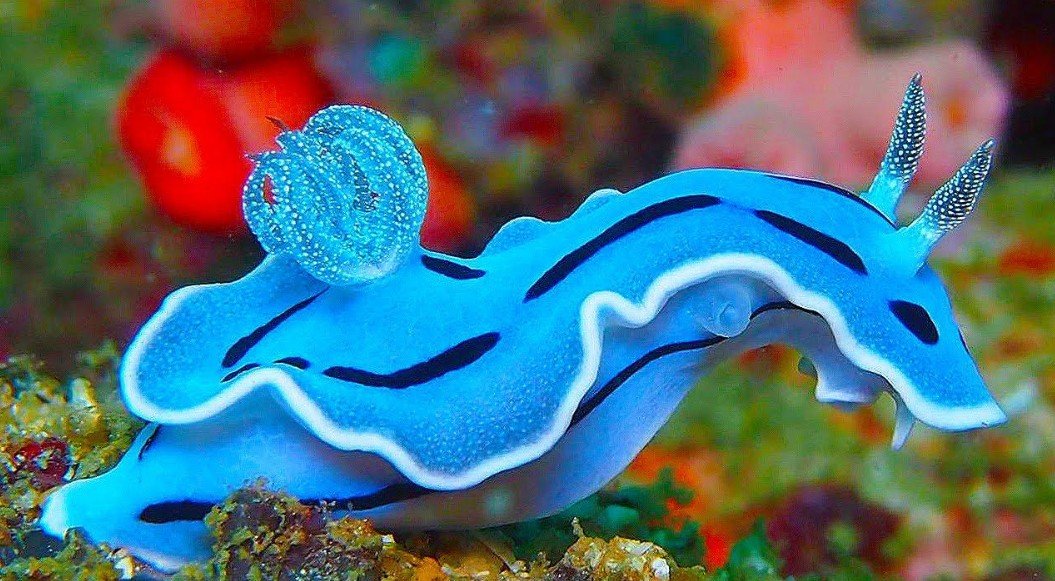
Sea slugs are renowned for their vivid colours and patterns, which include reds, pinks, yellows, and deep blues and purples. Their many biological roles, like as defence, mating, and camouflage, are responsible for the variety of colours and forms they display.
2. The Physical Attributes of Sea Slugs
The strikingly unique and colourful look of sea slugs is one of its most amazing characteristics. In addition to being aesthetically pleasing, their bodies are well suited for surviving in their watery habitats.
Body Composition
- Size: The size of sea slugs varies widely. While some species, such as the Spanish dancer nudibranch, may reach a maximum size of 40 cm (16 inches), others are just a few millimetres in size. Most sea slugs, however, range in length from 2 to 10 cm.
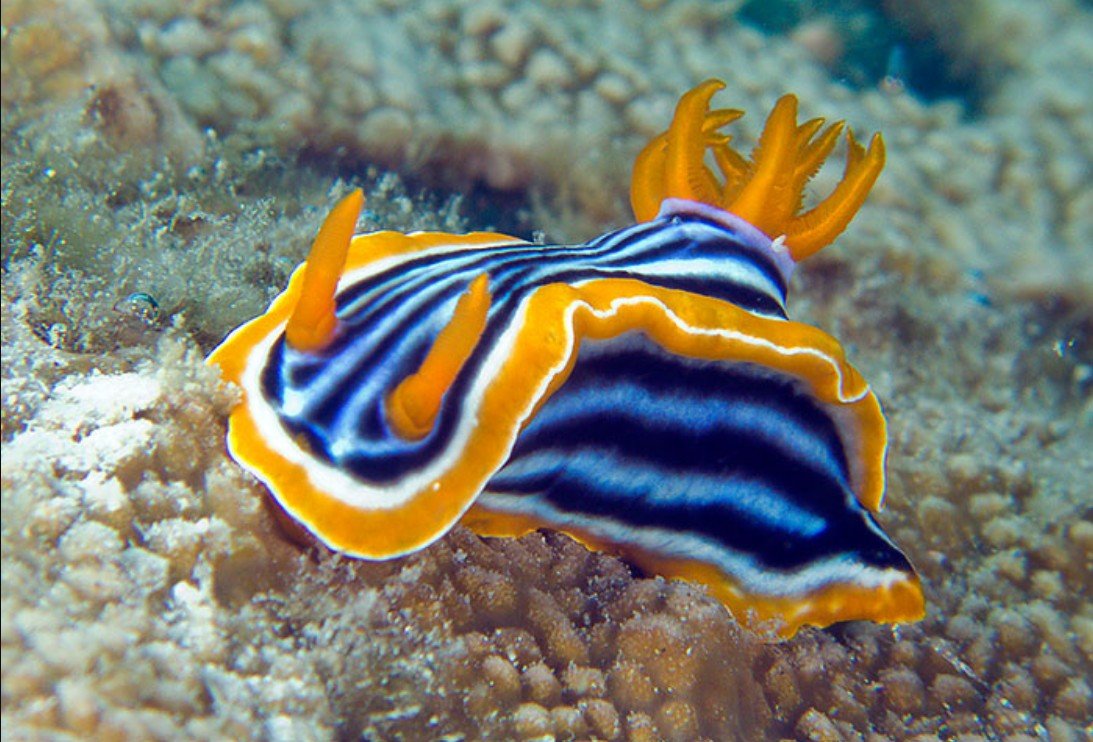
- Exposed Gills: One of the most distinctive characteristics of sea slugs is their exposed gills. These gills are needed for breathing and are often organised on their back in a frilly, branching, or leaf-like pattern. These gills aid in gas exchange and underwater breathing, but unlike many other gastropods, they are not concealed by a shell, leaving them open to predators.
- Rhinophores: The rhinophores, two long, tentacle-like sensory organs on the head of many sea slugs, are another distinguishing characteristic. By detecting odours, rhinophores may identify compounds in the water, including the presence of food or mates. Sea slugs use these very sensitive organs to find food sources and navigate their environment.
- Cerata: Cerata are finger-like extensions that protrude from the rear of the body of some sea slug species. In addition to increasing the surface area available for breathing, these projections also operate as a defence mechanism by storing toxins from the food they consume, particularly in carnivorous species.
Colours
One of the most striking characteristics of sea slugs is their vivid colouring. They come in a variety of hues, including orange, blue, purple, and vivid reds and yellows. There are many uses for this colouring, including:
- Colouration Warning: Many sea slugs are poisonous or repulsive to predators. As a defence tactic, bright colours often alert predators to the slug’s danger.
- Camouflage: In order to conceal themselves from predators, several sea slugs have colours and patterns that allow them to blend in with their surroundings, such as sponges, coral, or algae.
3. Distribution and Habitat
Oceans all throughout the globe are home to sea slugs, some of which thrive in shallow waters while others have adapted to deeper marine environments. Algae, sponges, and tiny invertebrates are among the many food sources found in their chosen settings.
Preferences for Habitat
- Coral Reefs: Sea slugs may find a wide range of food sources in the diverse ecosystems that make up coral reefs. These environments are home to a wide variety of sea slug species, which eat algae, sponges, and coral polyps.
- Seagrass Beds and Kelp Forests: Because they provide a plenty of food and cover, sea slugs thrive in seagrass beds and kelp forests around the coast. Particularly for herbivorous animals, kelp forests provide a source of nourishment.
- Shallow Coastal Waters: Shallow coastal waters are preferred by many sea slugs because they can readily get the sunlight required for the development of algae, which is a major component of their food.
- Deep-sea Habitats: Certain sea slug species have evolved to survive in deeper depths, where they come into contact with a variety of prey and environmental factors. The difficulty of reaching their habitats frequently results in a lack of research on these deep-sea animals.
4. Nutrition and Feeding Practices
Sea slugs have a varied diet that varies by species. Sea slugs fall into a variety of dietary groups; some are herbivores, carnivores, or omnivores.
Herbivorous Sea Slugs
As herbivores, many sea slug species mostly consume algae and other plant matter for food. They are algae grazers, scraping algae off rocks, coral, and other surfaces using their radula, a specialised feeding apparatus.
One well-known example of a herbivorous sea slug is the Eastern Emerald Elysia, or Elysia chlorotica. It consumes algae and is capable of photosynthesising, which is the process by which it absorbs chloroplasts from algae to live on sunlight.
Carnivorous Sea Slugs
Certain sea slug species are carnivorous, meaning they consume smaller invertebrates like hydroids, sponges, and even other sea slugs. These carnivorous animals, such as carnivorous nudibranchs, which consume sponges or other tiny marine life, often exhibit specialised eating habits. Within their species, some even hunt on other nudibranchs, exhibiting an intriguing predator-prey dynamic.
These slugs often defend themselves by using substances from their victim. Some species, for instance, are poisonous to predators because they retain poisons from their sponge diet in their bodies.
5. Conduct and Procreation
With several distinctive adaptations that enable them to flourish in the wild, sea slugs exhibit remarkable behaviour.
Motion
Using their muscular foot, which is the big, flat ventral surface of their body, sea slugs move slowly and glide. They can travel over the ocean bottom because to their usually smooth and delicate movement.
Certain species, such as the Spanish dancer, can swim through the water with elegance by causing their bodies to undulate in a way that produces spectacular motions.
Reproduction
Because they have both male and female reproductive organs, sea slugs are intersex. In order to increase the likelihood of successful reproduction, two sea slugs exchange sperm and fertilise each other’s eggs when they mate.
Sea slugs deposit large, often gelatinous egg masses after mating. These egg masses might be affixed to coral, rocks, or other materials. After emerging from the eggs, the larvae undergo a process known as metamorphosis to become young sea slugs.
6. The Function of Sea Slugs in Ecology
The ecosystems that sea slugs live in depend heavily on them. Because they are herbivores, they regulate the development of algae, which helps keep marine ecosystems in balance. In the absence of sea slugs, algae may proliferate and displace other species, which might upset the food chain.
Furthermore, sea slugs play a significant role in the marine food chain. Seabirds, fish, and crabs are among the many predators that eat them. They are able to escape being eaten because of their deadly compounds and vibrant colouring, which prevent many prospective predators.
FAQ (Frequently Asked Questions) about Sea Slug
Q: What is a Sea Slug?
Ans: A Sea Slug is a type of soft-bodied marine gastropod, often known for its vibrant colors and intricate patterns. It belongs to the order Nudibranchia and is found in oceans worldwide.
Q: What do Sea Slugs eat?
Ans: Sea Slugs primarily feed on algae, marine plants, and sometimes small invertebrates like sponges. Their diet is highly specialized, depending on the species.
Q: Where are Sea Slugs found?
Ans: Sea Slugs are found worldwide, mostly in shallow coastal waters, coral reefs, and kelp forests in both tropical and temperate zones.
Q: How long do Sea Slugs live?
Ans: The lifespan of a Sea Slug typically ranges from 1 to 2 years, although this can vary by species and environmental factors.
Q: Are Sea Slugs harmful to humans?
Ans: Some species of Sea Slugs are toxic and may be harmful if touched or ingested. However, they generally do not pose a direct threat to humans unless provoked.
Q: How do Sea Slugs reproduce?
Ans: Most Sea Slugs are intersex, possessing both male and female reproductive organs. They typically lay eggs in gelatinous clusters, which hatch into larvae.
Q: Are Sea Slugs endangered?
Ans: While most species of Sea Slugs are not considered endangered, some are threatened by habitat loss, pollution, and climate change.
Q: What role do Sea Slugs play in ecosystems?
Ans: Sea Slugs are essential to marine ecosystems, contributing to the health of coral reefs by controlling algae populations and providing food for other marine animals.
Q: Can Sea Slugs regenerate lost body parts?
Ans: Some species of Sea Slugs have the ability to regenerate parts of their bodies, such as their tails, when injured or attacked by predators.
Q: How do Sea Slugs defend themselves?
Ans: Sea Slugs defend themselves through their toxic secretions, vibrant colors as a warning to predators, and by producing slime that helps them escape danger.
#SeaSlug #Nudibranchs #MarineLife #SeaCreatures #MarineEcosystems #OceanWildlife #SlugFacts #UnderwaterWonders
Our sources and references about Sea Slug
1: Wikipedia – Nudibranch (Sea Slug)
2: National Geographic – Nudibranchs
3: Britannica – Nudibranch
4: Audubon – Sea Slug