Quick Top 10 Facts about Brown Snake
| SCIENTIFIC NAME | Pseudonaja textilis |
| CLASSIFICATION | KINGDOM: Animalia PHYLUM: Chordata CLASS: Reptilia ORDER: Squamata FAMILY: Elapidae GENUS: Pseudonaja SPECIES: P. textilis |
| SIZE | Length: 1.8–2.5 meters (6–8 feet), Weight: 2–3 kg (4.4–6.6 lbs) |
| HABITAT | Found in a variety of habitats, including woodlands, forests, and grasslands throughout Australia |
| DIET | Carnivorous, feeding primarily on small mammals, birds, and reptiles |
| SPECIES | Brown Snake, often referring to the Eastern Brown Snake (Pseudonaja textilis), one of the most venomous snakes in the world |
| COUNTRY | Native to Australia |
| GESTATION PERIOD | Brown snakes lay eggs, and the incubation period lasts about 6–8 weeks |
| LIFE SPAN | 10–15 years in the wild, depending on environmental factors and threats |
| CONSERVATION STATUS | Least Concern, although local populations can be threatened by habitat loss and human activities |
Amazing Facts About Brown Snakes
1. Brown Snakes are extremely venomous
The Eastern Brown Snake is considered one of the most venomous snakes in the world, capable of delivering a lethal dose of venom with just one bite.
2. They are highly aggressive when threatened
Brown snakes are known for their aggressive behavior, especially when they feel cornered or threatened by humans or predators.
3. They are fast and agile
Brown snakes are fast movers and can strike with remarkable speed, making them formidable predators and difficult to avoid.
4. They feed primarily on small mammals and reptiles
Brown snakes are carnivores and often hunt small mammals, reptiles, and birds, using their venom to immobilize and subdue prey.
5. They can be found across much of Australia
Brown snakes are distributed throughout Australia and are commonly found in woodlands, grasslands, and even urban areas.
6. They are often found near human settlements
Due to their adaptable nature, brown snakes are frequently found in areas near human habitation, where they hunt rodents and other small animals.
7. Brown snakes are egg layers
Brown snakes lay eggs, and the number of eggs in each clutch can vary, with hatchlings emerging after an incubation period of 6–8 weeks.
8. They use their venom to hunt and defend themselves
The venom of the brown snake contains powerful neurotoxins and hemotoxins, which can cause paralysis and internal bleeding in their prey.
9. They are often misunderstood and feared
Despite their fearsome reputation, brown snakes generally avoid human interaction and will often flee rather than attack if given the chance.
10. They have an important role in controlling rodent populations
As predators of small mammals, brown snakes help control the population of rodents, which can have negative impacts on crops and human settlements.
Introduction of brown snakes as a species
Formally known as Pseudonaja textilis, the brown snake is an amazing reptile belonging to the Elapidae family. This species is widely distributed across Australia, existing in forests, grasslands, and even urban settings. The brown snake, with its striking brown colour and slender body, is sometimes misidentified as a harmless species despite its small length of one to 1.5 meters. However, it’s important to keep in mind that brown snakes are very deadly and should only be handled with caution.
Brown snake’s common characteristics and habitats
The brown snake’s versatility allows it to survive in a range of settings, including grasslands, forests, and even urban areas. In the eastern and southeastern parts of Australia, gardens, parks, and even residences often have it. This snake is mostly diurnal, meaning it is mainly active during the day; however, it may sometimes be active at night during the warmer months. The brown snake is well known for being a reclusive species that hides from predators and bad weather by hiding in crevices, beneath rocks, and amid leaf litter.
Brown snake diet preferences and feeding habits
As a carnivorous snake, the brown snake eats a variety of animals, including small mammals, birds, reptiles, and amphibians. Its potent venom immobilises its prey, which makes it perfect for eating and hunting.
Mating and reproduction process of Brown snake
A fascinating observation is the brown snake’s mode of reproduction. The female gives birth to a clutch of eggs in the spring after a two- to three-month gestation period. One noteworthy observation is that the brown snake is among the few snake species that exhibit communal nesting, when several females lay their eggs at the same location. This increases the youth’s chances of survival by safeguarding them. After hatching, the young snakes become entirely independent and go out on their own in the wild.
Facts of brown snakes as fascinating reptiles
Scattered over the globe, brown snakes are an intriguing family of reptiles. These snakes, which are members of the Colubridae family, are distinguished by their unusual brown colouring. We’ll look at some fascinating information on brown snakes below:
Traits and a predilection for certain habitats
Brown snakes are a diverse group, with approximately 40 distinct species found in various parts of the world. They are found in Australia, Africa, Asia, and both North and South America. Every species has distinct traits and a predilection for certain habitats.
Physical Characteristics of Brown snakes
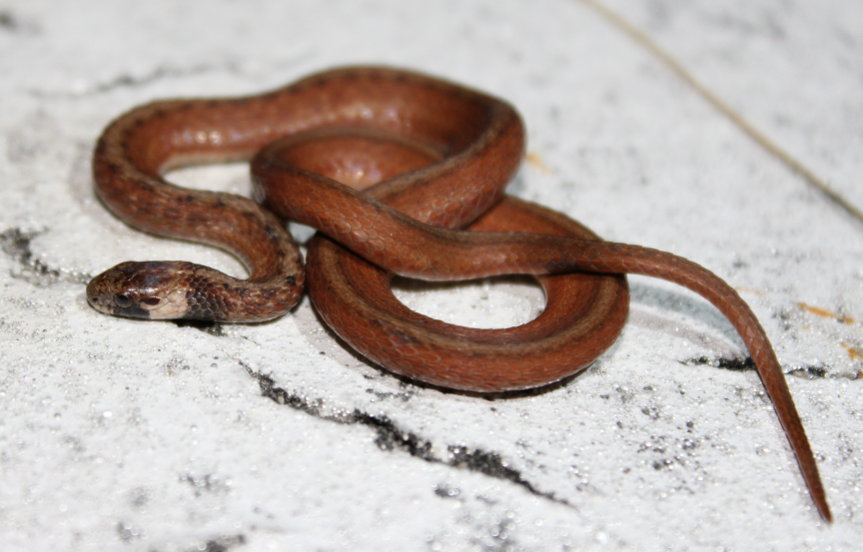
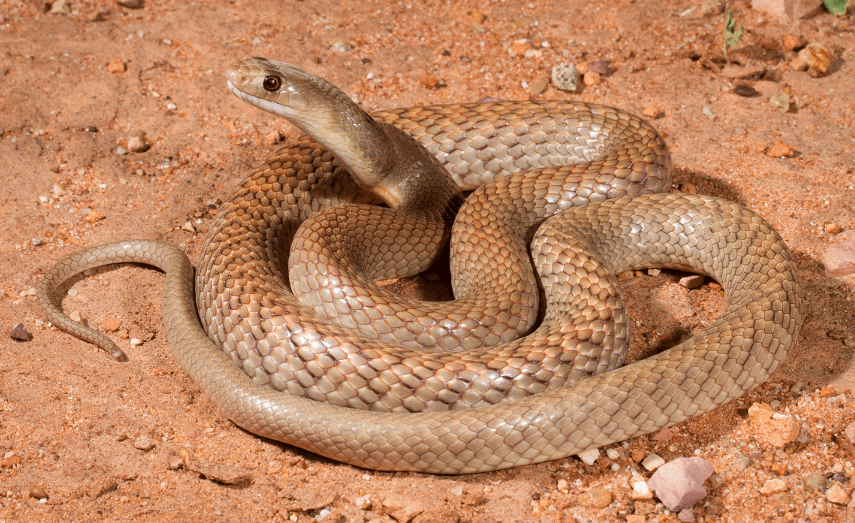
Brown snakes are mostly brown in colour, as the name would imply. However, different species and people may have different shades of brown. While some brown snakes have a more consistent appearance, others have patterns or markings all over their bodies. Their bodies are usually smooth and thin.
The physical appearance of brown snakes, including their size
Brown snakes, depending on the species, may vary significantly in size. Certain species may reach lengths of up to six feet, such as the Eastern Brown Snake found in Australia. Some species are much smaller, reaching lengths of around three feet. One such species is the brown tree snake, which is located in the Pacific Islands.
Understanding Brown snakes diet preference
Brown snakes, as carnivores, primarily eat small animals. They eat a wide range of prey, including birds, lizards, mice, and even other snakes. They are expert predators that catch their prey by moving quickly and staying hidden.
Venom and Biting Phenomena of Brown snakes
Brown snakes come in a variety of species, and many of them have strong venom. But not all brown snakes are poisonous; certain kinds are safe for people to handle. Unless you are a qualified specialist, you should always handle wild snakes with care.
Brown snakes are adapted to various habitats, such as grasslands, forests, and urban areas.
Numerous environments, such as grasslands, woodlands, deserts, and even cities, are home to brown snakes. They may flourish in a variety of settings because they are adaptive. While some species are more terrestrial, others are arboreal, which means they live mostly in trees.
The timid nature of brown snakes
In general, brown snakes are timid and want to stay out of trouble. They may bite, hiss, or inflate their bodies in a protective manner when they feel threatened. Nonetheless, they are not naturally hostile and would often attempt to flee rather than confront someone.
The reproductive cycle of brown snakes.
Males and females of the same species mate in order to reproduce sexually. After mating, the female will deposit a clutch of eggs, which she will guard until they hatch. Different species lay different numbers of eggs; some lay fewer eggs than others, while yet others lay bigger clutches.
Threats and conservation status of brown snakes
The existence of some brown snake species is in jeopardy because of habitat loss, pollution, and human activity. It’s critical to preserve these snakes’ native habitats and keep them safe. Snake conservation may be aided by raising public awareness of the value of snakes in ecosystems and through education.
Brown snakes are an essential component of our natural ecosystems
Brown snakes, a varied group of reptiles, have adapted to a variety of environments worldwide. They are an essential component of our natural ecosystems because of their striking behaviours and distinctive colouring. If we understand and value these snakes, we can help conserve them and ensure their survival for future generations.
FAQ (Frequently Asked Questions) about Brown Snake
Q: What is a Brown Snake?
Ans: The Brown Snake (Pseudonaja spp.) is a species of venomous snake native to Australia. It is one of the most widespread and commonly encountered snakes in the country, with various species within the genus Pseudonaja. Brown snakes are known for their potent venom and can pose a danger to humans and animals if not handled properly.
Q: Where do Brown Snakes live?
Ans: Brown Snakes are found throughout most of Australia, including rural and urban areas. They prefer dry, open woodlands, grasslands, and the edges of forests. They are also commonly found in suburban areas where they seek shelter in gardens, under houses, and in piles of debris. Some species, like the Eastern Brown Snake, are more commonly found in coastal regions, while others inhabit more inland areas.
Q: What do Brown Snakes eat?
Ans: Brown Snakes are carnivorous and primarily feed on small vertebrates such as rodents, lizards, and birds. They are skilled hunters and can strike quickly to immobilize their prey using their venom. The venom of a Brown Snake contains neurotoxins and coagulants that paralyze the prey and eventually kill it. Brown Snakes may also consume smaller snakes if available.
Q: Are Brown Snakes dangerous to humans?
Ans: Yes, Brown Snakes, especially the Eastern Brown Snake, are considered one of the most dangerous snakes to humans due to their highly toxic venom. A bite from a Brown Snake can cause paralysis, internal bleeding, and even death if not treated immediately. While they are generally shy and prefer to avoid human contact, they can be aggressive if threatened. It is important to seek medical attention immediately after a snake bite, as antivenom is available for treatment.
Q: How big do Brown Snakes get?
Ans: Brown Snakes vary in size depending on the species. The Eastern Brown Snake, one of the largest in the group, can grow up to 2 meters (6.5 feet) in length, although they are typically found at lengths of 1.5 meters (5 feet). Other species of Brown Snakes are generally smaller, with some species reaching up to 1 meter (3.3 feet) in length. Despite their size, they are very quick and agile.
Q: How do Brown Snakes behave?
Ans: Brown Snakes are highly active and quick-moving, especially during the warmer months. They are known for their defensive behavior and will often strike when threatened. These snakes are generally shy and will avoid humans if possible, but they can become aggressive if cornered or provoked. They are excellent climbers and swimmers and are usually solitary creatures except during mating seasons.
Q: How do Brown Snakes reproduce?
Ans: Brown Snakes reproduce sexually, with mating typically occurring in the warmer months. After mating, the female lays eggs, usually in hidden and secure locations like under rocks or in rotting logs. The eggs hatch into young snakes, which are independent from birth and must fend for themselves immediately. Brown Snakes are oviparous, meaning they lay eggs rather than giving live birth.
Q: Can Brown Snakes be kept as pets?
Ans: While it is possible to keep a Brown Snake in captivity, it is not recommended for most people, particularly those with little experience in handling venomous reptiles. Due to their venomous nature and the potential risks involved in handling them, Brown Snakes are best left in the wild or cared for by experienced reptile professionals. In many places, it may also be illegal to keep venomous snakes as pets without a special permit.
Q: Are Brown Snakes endangered?
Ans: Brown Snakes are not considered endangered. In fact, they are relatively common and widespread across Australia. However, some species may face local population declines due to habitat loss, road mortality, and human encroachment. Despite these challenges, Brown Snakes are not currently at risk of extinction, but conservation efforts are important to protect their habitats.
Q: How can you identify a Brown Snake?
Ans: Brown Snakes are typically brown, grey, or tan in color, with lighter underbellies. Some species may have darker markings or a more uniform appearance, while others may have a more distinctive pattern. They have narrow, elongated bodies and a distinct triangular-shaped head. Their eyes are small, and they have a streamlined body, which helps them move quickly and efficiently through their environment.
#BrownSnake, #VenomousSnake, #AustraliaSnakes, #SnakeConservation, #Wildlife, #Reptiles, #DangerousSnakes, #SnakeSafety, #WildlifeProtection, #Herpetology, #BrownSnakeFacts
Our sources and references about Brown Snake
1: Wikipedia – Eastern Brown Snake
2: Australian Geographic – Everything You Need to Know About the Brown Snake
3: Australian Reptile Park – Brown Snake Facts
4: Snakes and Adders – Brown Snakes