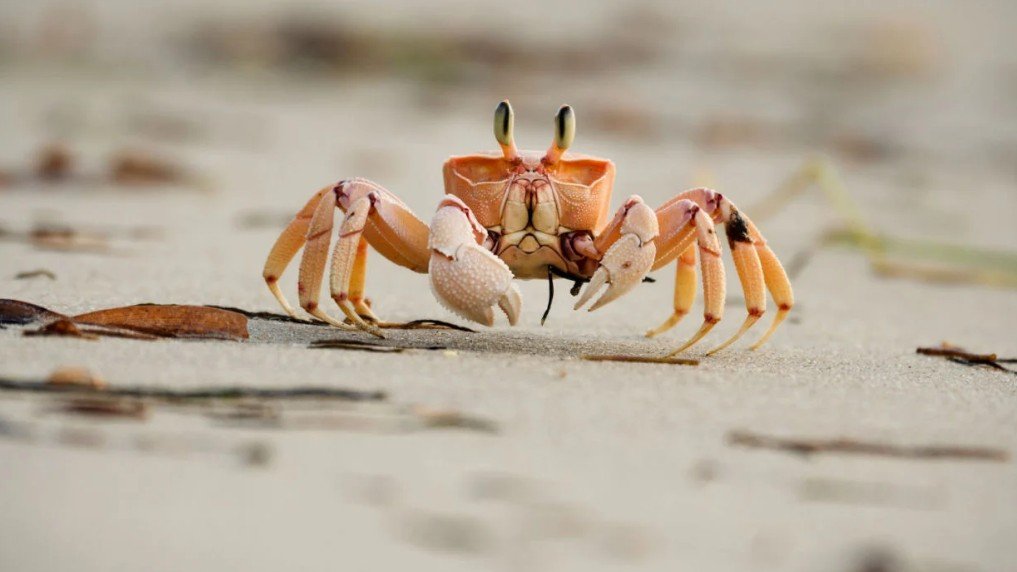
Sand Crabs, also known as “beach crabs” or “sand fleas,” are small crustaceans that live on sandy beaches. These creatures are well adapted to life in the intertidal zone, where they burrow into the sand to avoid predators and capture food. Despite their small size, Sand Crabs play a crucial role in the ecosystem by serving as food for many birds and other predators. Here are some fascinating facts about these remarkable creatures.
Sand crabs, often known as beach crabs or mole crabs, are tiny yet highly specialised marine crustaceans commonly found along sandy shorelines worldwide. Despite their small size, sand crabs play a crucial role in coastal ecosystems by supporting shoreline food webs and contributing to beach sediment health. Renowned for their rapid burrowing ability and unique life cycle, sand crabs are a classic example of animals adapted to dynamic intertidal environments.
Sand Crab Scientific Classification
| SCIENTIFIC NAME | Emerita analoga |
| CLASSIFICATION | KINGDOM: Animalia PHYLUM: Arthropoda CLASS: Malacostraca ORDER: Decapoda FAMILY: Hippidae |
| SIZE | Length: 2.5–5 cm (1–2 inches) |
| SPECIES | The most common species is the Pacific Sand Crab (Emerita analoga), found along the West Coast of North America. |
| APPEARANCE | Sand Crabs are small, oval-shaped, with a smooth exoskeleton and long antennae. Their color ranges from pale yellow to light brown, helping them blend into the sand. |
| LIFE SPAN | Typically 2–3 years, though this can vary depending on environmental conditions and predation. |
| HABITAT | Sand Crabs live in the intertidal zone of sandy beaches, typically buried in the sand just beneath the surface, where they feed on plankton and detritus. |
| DIET | Sand Crabs are filter feeders, using their specialized appendages to collect plankton, small organisms, and detritus from the water. |
| NATURAL PREDATORS | Various birds, fish, and other beach predators feed on Sand Crabs, especially when they are exposed at the surface during low tide. |
| COUNTRY | Found primarily along the coastlines of North America, particularly in the Pacific Ocean, from Alaska to Baja California, and in parts of South America. |
| CONSERVATION STATUS | Least Concern, though populations may be affected by coastal development, pollution, and habitat disturbance. |
Sand Crab Facts
1. Masters of Camouflage
Sand Crabs are experts at blending into their environment. Their light-colored exoskeleton helps them remain hidden beneath the sand, making them less visible to predators.
2. Filter Feeders
Sand Crabs use their specialized appendages, known as maxillipeds, to filter plankton and other microscopic organisms from the water as the waves crash over them.
3. Burrowers by Nature
Sand Crabs spend much of their time buried in the sand, which helps them avoid predators and find food. They use their long antennae to sense the water and food around them.
4. A Vital Food Source
Sand Crabs are an important food source for many coastal birds, including shorebirds, seagulls, and even some fish species that hunt near the shore.

5. Small but Efficient
Although Sand Crabs are tiny, they have evolved efficient mechanisms for feeding and avoiding predators. They can move quickly through the sand when they sense danger.
6. A Seasonal Creature
Sand Crabs are often more abundant during the warmer months when the water temperature rises, and they are found in large groups along the shore during these times.
7. Important to the Ecosystem
In addition to being a food source for predators, Sand Crabs play a role in nutrient cycling by filtering plankton from the water and helping maintain the balance of the ecosystem.
8. Play a Role in the Sand Ecosystem
Sand Crabs help aerate the sand by burrowing, which improves the flow of oxygen and nutrients to other organisms living in the sandy substrate.
9. Easy to Spot at Low Tide
At low tide, Sand Crabs often emerge from their burrows to feed. Beachgoers can often see them scurrying across the wet sand near the waterline.
10. Reproductive Strategy
Female Sand Crabs release their eggs into the water, where they are fertilized externally. The larvae hatch and drift in the water before eventually settling on the sand to start the next generation.
Species Overview
The term “sand crab” refers to several species within the order Decapoda, with the genus Emerita representing the most widely recognised beach-dwelling sand crabs. These burrowing marine invertebrates inhabit sandy beaches and shallow coastal waters across tropical, subtropical, and temperate regions. As members of the Hippidae family, sand crabs are exceptionally adapted to shifting sands and constant wave action.
Unlike larger shoreline crabs, sand crabs live almost entirely beneath the sand surface, where they feed, shelter, and avoid predators, making them a remarkable example of specialised coastal adaptation.
Physical Traits
Although small, sand crabs possess specialised physical features that allow them to survive in highly energetic beach environments where tides and waves constantly reshape the shoreline.
Size and Shape
- Sand crabs typically measure 2.5–5 cm (1–2 inches) in length and have a smooth, oval body that allows fast, efficient burrowing.
- A thick, streamlined exoskeleton protects them from predators, abrasive sand, and wave impact.
- The pale, smooth carapace blends seamlessly with sand, providing effective natural camouflage.
- Specialised legs equipped with comb-like setae filter food particles from sand and seawater.
Sensory Organs
- Small lateral eyes detect changes in light and movement, alerting sand crabs to approaching predators or disturbances.
- Long, flexible antennae sense vibrations, locate food particles, and detect tidal shifts essential for feeding.
Range and Habitat
Sand crabs primarily inhabit the intertidal zone, where ocean waves meet sandy shorelines. They favour gently sloping beaches with fine sand and consistent wave movement, thriving in bays, beaches, and estuarine environments protected from extreme surf.
Habitat Needs
- Loose, well-oxygenated sand that allows rapid burrowing.
- Shallow coastal waters that provide moisture without strong wave turbulence.
- Moderate tidal action to deliver plankton and organic food particles.
- These habitats also support diverse coastal wildlife, strengthening overall ecosystem stability.
Behavioural Adaptations
Burrowing behaviour is essential to sand crab survival, allowing these small crustaceans to regulate body temperature, avoid desiccation, and remain hidden from predators.
Burrowing Skills
- Sand crabs bury themselves within seconds when waves recede, forming shallow tunnels beneath the sand surface.
- This behaviour provides shelter from predators and protection from intense sunlight.
- Crabs position themselves close to the wave line to access food while staying concealed.
Feeding Habits
- Sand crabs are filter feeders, capturing plankton, microscopic animals, and organic debris suspended in seawater.
- Hair-like setae on their legs efficiently strain food from incoming waves.
- Feeding activity closely follows tidal rhythms, ensuring hydration and consistent nutrient intake.
Life Cycle
- Mating typically occurs during warmer months, with external fertilisation taking place in coastal waters.
- Fertilised eggs develop into planktonic larvae that drift with ocean currents before settling onto sandy beaches.
- Juvenile sand crabs burrow immediately upon settlement, facing predation and environmental challenges.
- The life cycle continues as juveniles mature and establish independent burrowing behaviour.
Ecological Role
Despite their small size, sand crabs play an essential role in coastal food chains and beach ecosystems:
- They serve as a primary food source for shorebirds, seabirds, fish, and marine mammals such as seals and sea otters.
- Burrowing activity aerates beach sand, increasing oxygen availability for microorganisms and invertebrates.
- By feeding on plankton and organic debris, sand crabs contribute to nutrient recycling in coastal environments.
Threats and Care
While sand crabs are not currently classified as endangered, several environmental pressures threaten local populations:
- Habitat loss: Coastal development, tourism, and beach modification reduce suitable burrowing areas.
- Pollution: Plastics, oil contamination, and chemical waste disrupt food sources and sediment quality.
- Climate change: Rising sea levels, stronger storms, and altered tidal patterns affect feeding and survival.
Maintaining healthy sandy beaches and reducing coastal pollution are critical for sustaining sand crab populations and preserving shoreline biodiversity.
Sand Crab FAQ (Frequently Asked Questions)
Q: What is a Sand Crab?
Ans: A Sand Crab is a small, burrowing crustacean that lives in the intertidal zone of sandy beaches. They are filter feeders, often found just beneath the sand, where they feed on plankton and small organisms.
Q: How do Sand Crabs feed?
Ans: Sand Crabs are filter feeders, using specialized appendages to filter plankton and other microscopic organisms from the water as waves wash over them.
Q: Where can I find Sand Crabs?
Ans: Sand Crabs are found along the coastlines of North America, especially in the Pacific Ocean, but they can also be found in parts of South America. They live in the intertidal zone, typically beneath the sand.
Q: Are Sand Crabs dangerous?
Ans: No, Sand Crabs are not dangerous to humans. They are small and peaceful creatures, mainly serving as food for other animals.
Q: How long do Sand Crabs live?
Ans: Sand Crabs typically live 2 to 3 years, depending on environmental factors and predation.
Q: What do Sand Crabs look like?
Ans: Sand Crabs have a small, oval-shaped body, pale yellow or brownish exoskeleton, and long antennae. They have specialized appendages that help them filter food from the water.
Q: Do Sand Crabs have predators?
Ans: Yes, Sand Crabs are preyed upon by many coastal birds, fish, and other predators that hunt near the shore.
Q: Can I collect Sand Crabs?
Ans: While you can observe Sand Crabs, it’s important to leave them in their natural environment to preserve their populations and the coastal ecosystem.
Q: How do Sand Crabs reproduce?
Ans: Female Sand Crabs release their eggs into the water, where fertilization occurs externally. The larvae develop in the water before settling on the sand.
Q: Are Sand Crabs endangered?
Ans: Sand Crabs are not considered endangered, though their populations may be affected by coastal development, pollution, and habitat disturbances.
#SandCrab #BeachLife #Crustaceans #MarineEcosystem #CoastalWildlife #FilterFeeders #BeachCreatures #MarineLifeFacts
Sand Crab sources and references
1: Wikipedia – Sand Crab
2: National Geographic – Sand Crabs
3: Britannica – Sand Crab


