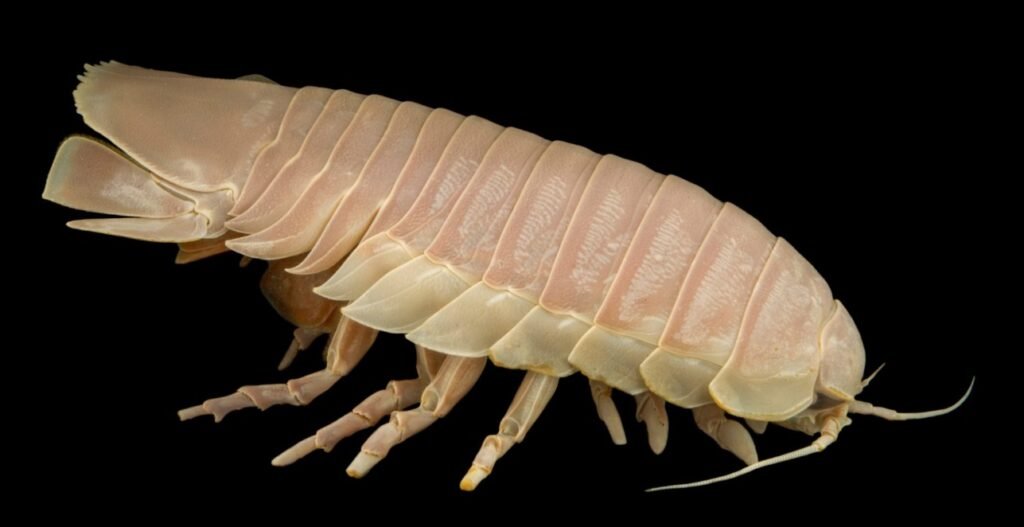
Sea roaches, often called marine cockroaches, are a type of crustacean found in coastal waters. These creatures belong to the order Isopoda and are well-adapted to life in the ocean. Despite their unappealing name, sea roaches play an essential role in marine ecosystems as scavengers. They feed on decaying organic matter and help maintain the balance of underwater habitats. While they may appear similar to their terrestrial counterparts, sea roaches are aquatic and thrive in marine environments. Though generally harmless, they can be a nuisance in certain areas due to their abundance.
Quick Top 10 Facts about Sea Roach
| SCIENTIFIC NAME | Various species across different genera, such as Ligia and Bathynomus |
| CLASSIFICATION | KINGDOM: Animalia PHYLUM: Arthropoda CLASS: Malacostraca ORDER: Isopoda |
| SIZE | Length: 1–8 cm (0.4–3 inches), depending on the species |
| SPECIES | Various species, including the giant sea roach (Bathynomus giganteus) |
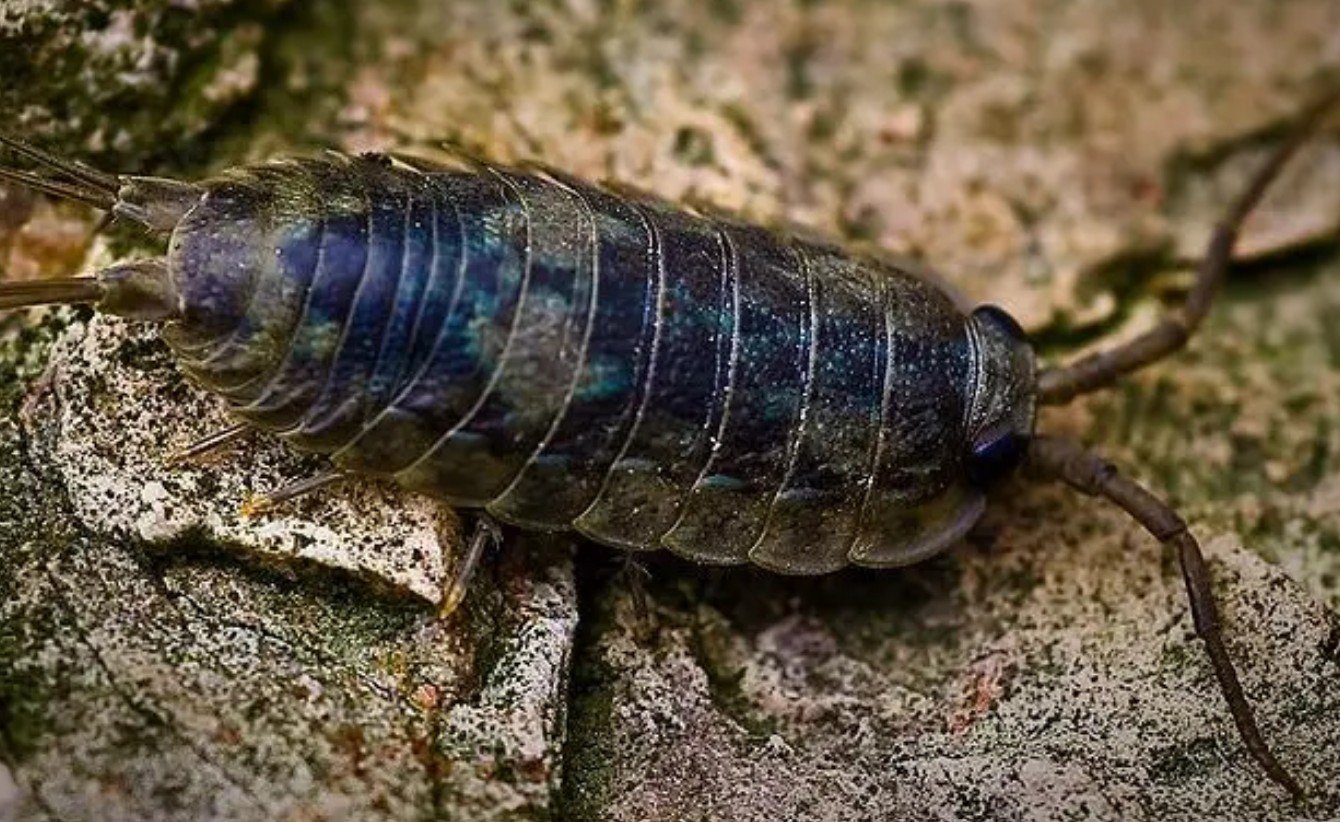
| APPEARANCE | Flattened body, segmented exoskeleton, antennae, and a pair of large compound eyes. They are typically brown or grey in colour, resembling terrestrial roaches but adapted for marine environments. |
| LIFE SPAN | Typically 1–2 years, depending on environmental conditions |
| HABITAT | Coastal waters, including tide pools, beaches, and shallow marine environments worldwide |
| DIET | Primarily scavengers, feeding on decaying organic matter, detritus, algae, and small invertebrates |
| NATURAL PREDATORS | Fish, birds, and larger marine invertebrates |
| COUNTRY | Found worldwide in coastal regions, including the Atlantic, Pacific, and Indian Oceans |
| GESTATION PERIOD | Female sea roaches carry eggs in a specialized brood pouch until they hatch into juvenile forms |
| CONSERVATION STATUS | Not considered endangered; populations are generally stable, though some species are affected by pollution and habitat changes |
Amazing Facts About Sea Roaches
1. Vital Scavengers in Marine Ecosystems
Sea roaches play an essential role as scavengers in coastal ecosystems, feeding on detritus, decaying plants, and animal matter. This helps to clean up the ocean floor and maintain ecosystem balance.
2. Look-alikes of Terrestrial Roaches
Despite their name, sea roaches are not the same as the land-based cockroaches. They belong to the order Isopoda, which is entirely separate from the cockroach family, though they share similar body shapes.
3. Adapted to Coastal Habitats
Sea roaches are well-suited for life in coastal areas, often found in tide pools and on rocky shores. They are highly tolerant of changes in salinity and can survive in various marine environments.
4. Camouflage Masters
The colour of sea roaches, typically grey or brown, allows them to blend into their surroundings, providing some protection from predators.
5. Nocturnal Creatures
Sea roaches are primarily nocturnal, feeding during the night when they are less likely to be seen by predators or humans. They are most active at dusk and dawn.
6. Amazing Growth Rates
Sea roaches have relatively fast growth rates, especially in warm waters. They moult several times as they grow, shedding their exoskeletons before growing larger.
7. Incredibly Resilient
Sea roaches are resilient creatures, able to survive in harsh coastal environments with changing tides and fluctuating temperatures. They are able to adapt to various conditions.
8. Not Dangerous to Humans
Unlike their terrestrial counterparts, sea roaches are not a health risk to humans. While they may appear unappealing, they are not known to transmit diseases.
9. Important for Marine Food Webs
Sea roaches provide a valuable food source for a variety of marine predators, including fish, seabirds, and crustaceans. They help sustain the food web in coastal habitats.
10. Fascinating Breeding Habits
Female sea roaches carry eggs in a special brood pouch until the larvae hatch. This protects the young from environmental threats during early development stages.
Introduction to the Sea Roach: A Coastal Marine Marvel
The sea roach, sometimes known as a marine cockroach, is a fascinating animal that lives in coastal waters, usually in places with a rocky or sandy bottom. The sea roach is a marine creature that is vital to the ecology, despite the word “roach” suggesting a typical domestic nuisance. These resilient animals belong to the Isopod family, a group of crustaceans that resemble land-dwelling cockroaches but have evolved to live in water.
What Is a Sea Roach?
Taxonomic Classification and Related Species
A wide range of marine animals belonging to the Isopoda order—which includes both aquatic and semi-aquatic organisms—can be referred to as sea roaches. Although they are not really roaches, they are closely related to other crustaceans such as crabs, prawns and lobsters, and their flattened bodies and segmented exoskeletons have given them the popular moniker “roach.”
Common Types and Global Distribution
Sea roaches come in a variety of varieties, but the most well-known are the marine isopods, which are often found in intertidal and coastal areas worldwide. Though certain species may reach remarkable proportions, particularly in deep-sea habitats, these animals are usually smaller than land-based cockroaches.
The Sea Roach’s Physical Features
Body Composition and Structural Adaptations
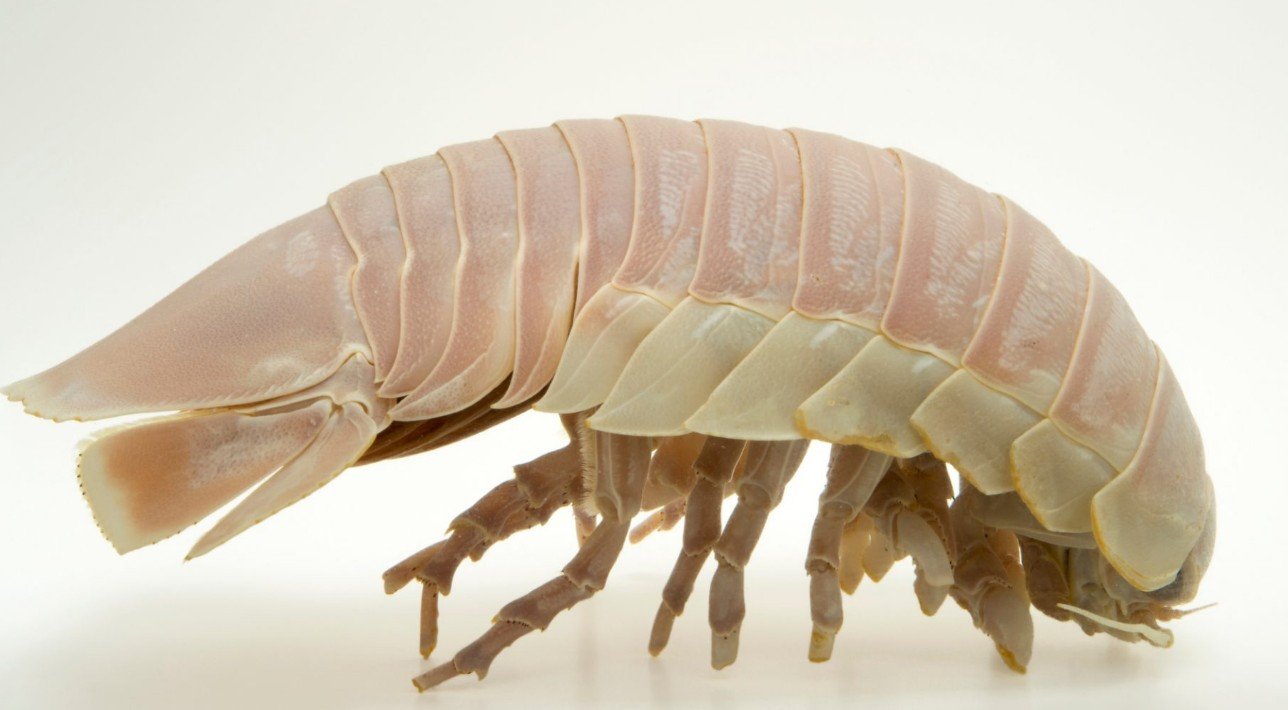
- Dimensions: Typically, sea roaches are tiny to medium-sized crustaceans. The majority of species are between 1 and 5 centimetres (0.4 and 2 inches) long, while certain deep-sea species may reach up to 30 centimetres (12 inches) in length.
- Exoskeleton: To help shield them from predators and environmental dangers, their bodies are clad with a robust, segmented exoskeleton. Usually strong and resilient, the exoskeleton provides protection from shocks and the hostile environment of coastal seas.
- Antennae and Legs: Sea roaches have seven pairs of legs that are designed to allow them to walk and swim on the bottom. In order to navigate and sense their surroundings, they also have two sets of antennas.
Shape and Survival Strategies
Sea roaches’ flattened bodies, which resemble those of their terrestrial counterparts, enable them to squeeze into small spaces under the sand or between rocks. They are protected from predators and environmental stressors thanks to this adaption.
Coloration for Camouflage
The dark brown, grey, or tan hues of sea roaches help them blend in with their rocky or sandy surroundings. They are protected from predators including fish, birds, and bigger crustaceans by their colouration, which acts as camouflage.
Distribution and Habitat of Sea Roaches
Preferred Coastal Environments
Coastal areas, from shallow intertidal zones to deeper oceans, are usually home to sea roaches. These animals flourish in settings with plenty of food sources and cover. Sea roaches may adapt to a variety of coastal environments and are found in different parts of the globe depending on the species.
Common Habitat Zones
- Zones between tides: The space between the high and low tide lines is known as the intertidal zone, and it is home to several kinds of sea roaches. Because the tides bring in organic materials, this ecosystem offers an abundant supply of food.
- Sandy and Rocky Coastal Regions: Both rocky and sandy coastal environments are home to sea roaches. The roaches may feed on the many cracks, algae, and decomposing plant matter in these places.
- Deeper Waters: The ocean bottom is home to certain bigger species of sea roaches, which are found in deeper waters. These species may grow far bigger than their shallow-water relatives and have evolved to colder, darker settings.
Nutrition and Feeding Practices of Sea Roaches
Dietary Habits of Sea Roaches
As scavengers, sea roaches mostly consume decomposing organic materials, such as dead fish, algae, plant debris, and other detritus. By decomposing dead organic matter and reusing nutrients, their function as scavengers is essential to preserving the health of coastal ecosystems.
Feeding Practices and Mechanisms
Sea roaches break down and eat organic material using their mandibles, or jaws. They can crush and break down debris because to their powerful chewing tools. As sea roaches dig or crawl on the ocean bottom, they may come into contact with tiny invertebrates, algae, and debris, in addition to scavenging on decomposing stuff.
Role in the Ecosystem
Because they recycle nutrients and break down organic materials, sea roaches contribute to the cleanliness of the coastal habitat. Because of the way they eat, they are vital to the cycling of nutrients and sustain other species in the food chain. They play an important part in marine food chains because they are food for a variety of predators, such as fish, seabirds, and other bigger invertebrates.
Social Structure and Behaviour
Solitary or Social Tendencies
Like many other isopods, sea roaches are solitary organisms that display a variety of eating, moving, and reproducing behaviours. Certain species, however, could congregate in tiny groups under ideal circumstances, as in regions with an abundance of food.
Mobility and Locomotion
Although they may move both on land and in the water, sea roaches are most often seen on the sand or on the ocean bottom. They can move quickly when disturbed, and their legs are well adapted for walking on the seabed. Sea roaches move through the water by using their pleopods, or swimming legs, which are situated close to the belly. Despite their slow swimming speed, they have adapted successfully to living on the sea bottom and in shallow waters.
Burrowing Behaviour and Environmental Impact
In order to hide from predators or to get away from unfavourable environmental circumstances, sea roaches often burrow into the sand or mud. Species that inhabit sandy environments often engage in this burrowing behaviour. Sea roaches contribute to sediment aeration via burrowing, which enables oxygen to reach deeper substrate layers and enhances the general health of the coastal environment.
Reproduction and Life Cycle of Sea Roaches
Fertilisation and Brooding
Sea roaches, like the majority of crustaceans, reproduce via external fertilisation, in which the male fertilises the eggs that the female releases into the environment. The female carries the eggs in a brood pouch on the bottom of her body after fertilisation. The nymphs (juvenile roaches) that emerge from the eggs seem like little adults but need to go through many moults in order to develop into adults.
Predators and Protective Techniques
Common Natural Predators
- Larger fish like bass and trout
- Various types of crabs and octopuses
- Seabirds including gulls and herons
Defense Mechanisms and Survival Strategies
The capacity to conceal themselves from predators is essential for sea roaches. They are less likely to be seen because of their flattened bodies, which enable them to fit into confined areas, cracks, or sand burrows. In order to ward off possible predators, several sea roach species also emit poisons or manufacture compounds when threatened.
FAQs (Frequently Asked Questions) about Sea Roach
Q: What is a Sea Roach?
Ans: A sea roach is a marine crustacean belonging to the order Isopoda. Despite its name, it is not related to the terrestrial cockroach. It plays a critical role in marine ecosystems as a scavenger.
Q: What do sea roaches eat?
Ans: Sea roaches are scavengers, feeding on decaying organic matter, algae, detritus, and sometimes small marine animals. They help clean the ocean floor and recycle nutrients.
Q: Where are sea roaches found?
Ans: Sea roaches are found in coastal regions around the world, typically in tide pools, on beaches, and in shallow marine environments, especially in temperate and tropical zones.
Q: How long do sea roaches live?
Ans: Sea roaches typically live for 1–2 years, depending on the species and environmental conditions.
Q: Are Sea Roaches harmful to humans?
Ans: Sea roaches are not harmful to humans. While they may appear similar to terrestrial roaches, they do not carry diseases and are not a direct threat to human health.
Q: How do sea roaches reproduce?
Ans: Female sea roaches carry eggs in a specialised brood pouch, and once the eggs hatch, the larvae are released into the water to develop further.
Q: Are Sea Roaches endangered?
Ans: Most sea roach species are not endangered. However, some may face threats from pollution, habitat destruction, and environmental changes.
Q: What role do Sea Roaches play in ecosystems?
Ans: Sea roaches are vital to marine ecosystems, acting as scavengers that help clean up the ocean floor by feeding on decaying organic matter and contributing to nutrient recycling.
Q: Can Sea Roaches survive in fresh water?
Ans: No, sea roaches are adapted for marine environments and cannot survive in fresh water. They are tolerant of varying salinity levels but require a marine habitat.
Q: Do sea roaches bite?
Ans: No, sea roaches do not bite. They primarily feed on organic matter and are not aggressive toward humans.
#SeaRoach #MarineCockroach #Isopoda #MarineEcosystems #CoastalWildlife #OceanScavengers #CrustaceanFacts #OceanCleanup
Our sources and references about Sea Roach
1: Wikipedia – Sea Roach
2: National Geographic – Sea Roaches
3: Britannica – Sea Roach
4: Audubon – Sea Roach