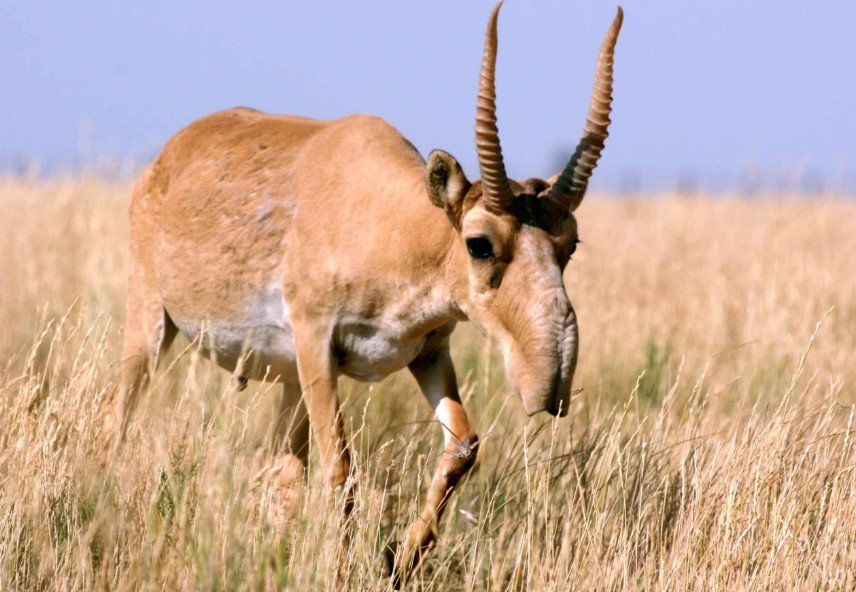
The Saiga is a unique and critically endangered antelope found in the grasslands and steppes of Central Asia. Known for its distinctive appearance, particularly its bulbous nose, the Saiga is a fascinating creature that has adapted to life in some of the harshest environments. Here are the top 10 facts about the Saiga.
Quick Top 10 Facts about Saiga
| SCIENTIFIC NAME | Saiga tatarica |
| CLASSIFICATION | KINGDOM: Animalia PHYLUM: Chordata CLASS: Mammalia ORDER: Artiodactyla FAMILY: Bovidae |
| SIZE | Height: 60–85 cm (24–34 inches) Weight: 35–60 kg (77–132 pounds) |
| SPECIES | Saiga Antelope (Saiga tatarica) |
| APPEARANCE | Saigas are small, with long legs, a short neck, and a distinctive bulbous nose. Their light-colored coats help them blend into their arid environments, while their large nostrils help them filter dust. |
| LIFE SPAN | 6–10 years in the wild |
| HABITAT | Grasslands, steppes, and semi-desert regions of Central Asia, including Kazakhstan, Mongolia, and parts of Russia. |
| DIET | Saigas are herbivores, feeding mainly on grasses, herbs, and shrubs in the steppe and grassland ecosystems. |
| NATURAL PREDATORS | Wolves, lynx, and other large carnivores are the primary predators of Saiga. |
| CONSERVATION STATUS | Critically Endangered (IUCN) – The Saiga population has dramatically declined due to habitat loss, poaching, and disease outbreaks. |
Amazing Facts About Saiga
1. The Unique Nose
The Saiga’s distinctive bulbous nose serves a crucial purpose: it helps filter out dust and cools the air before it reaches their lungs, an essential adaptation for surviving in the harsh, dry climates of the steppe.
2. Migratory Behavior
Saigas are migratory animals, moving in large herds to find food and water. Their migration patterns are influenced by the changing seasons and the availability of resources.
3. Large Herds
Saigas live in large herds that can number in the hundreds or even thousands. These large groups offer protection from predators and help with navigating the tough environment.
4. Overhunting Threats
Historically, Saigas were hunted for their meat, hides, and horns. The demand for their body parts has contributed to the significant population decline of the species.
5. Fast Runners
Despite their somewhat awkward appearance, Saigas can run at speeds of up to 80 km/h (50 mph) to escape predators, making them one of the fastest antelopes.
6. Seasonal Fur Color Changes
Saigas undergo a seasonal change in fur color. During the summer, their fur is lighter to help them blend into the arid steppe landscape, while their winter coat is darker to conserve heat.
7. Vulnerable to Disease Outbreaks
The Saiga population has been severely affected by disease outbreaks, including a 2015 epidemic of Pasteurella bacteria that wiped out nearly 200,000 individuals in Kazakhstan.
8. Important Role in the Ecosystem
As herbivores, Saigas play a critical role in maintaining the balance of their ecosystem. They help to control the growth of plants and are an essential food source for predators.
9. Short Breeding Season
Saigas have a brief breeding season, usually in December and January, when males compete for access to females. After a gestation period of around 4–5 months, females give birth to one or two calves.
10. Conservation Efforts
Various conservation initiatives are underway to protect the Saiga, including habitat protection, anti-poaching measures, and efforts to combat diseases that affect the population.
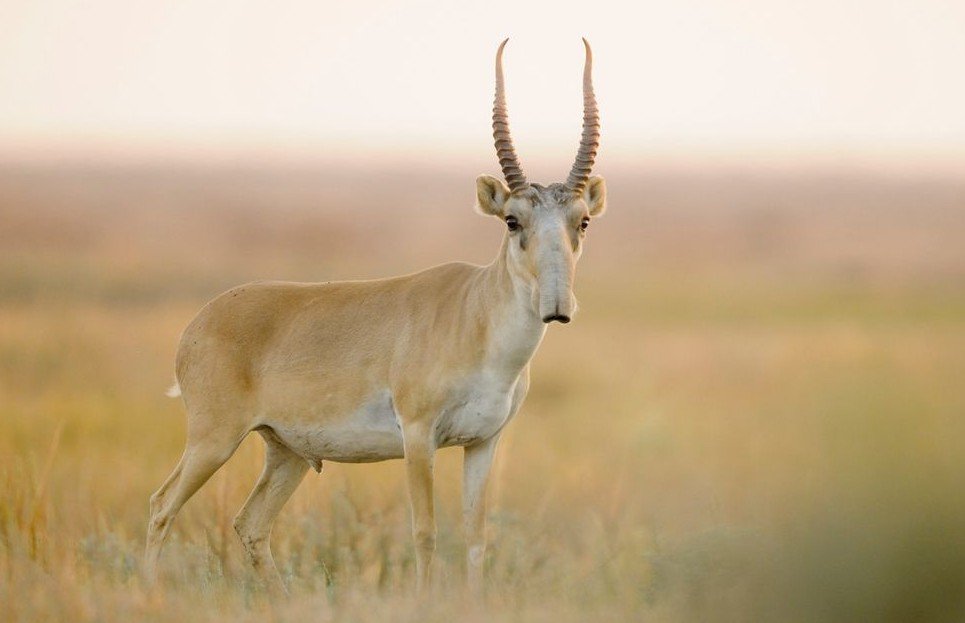
Saiga Antelope: A Unique and Endangered Species
The Saiga antelope (scientific name: Saiga tatarica) is one of the most distinctive and unusual species of antelope found in the world. With its unique appearance, remarkable adaptations, and fascinating evolutionary history, the Saiga has captured the attention of scientists and nature enthusiasts alike. However, despite its historical prevalence across Eurasian steppes, the Saiga antelope is now critically endangered due to habitat loss, poaching, and diseases.
Physical Characteristics of the Saiga Antelope
The Saiga is known for its unusual and striking appearance, which sets it apart from other species of antelopes. While it belongs to the family Bovidae, the Saiga’s characteristics are unlike those of many other grazing animals found in the same region. The Saiga is best recognized for its:
1. Distinctive Nose
The most remarkable feature of the Saiga antelope is its large, bulbous, and downward-sloping nose. This unique feature is often compared to the snout of a prehistoric species, and it serves several vital functions. The Saiga’s nose is thought to help filter out dust and regulate air temperature during its movement across the dry, windy steppe. It also assists in moistening the air before it reaches the animal’s lungs, an essential adaptation for surviving in harsh, arid climates.
The shape and size of the nose also have implications for the Saiga’s social structure. Males have more prominent noses than females, which may be a trait used in sexual selection, signaling strength and fitness.
2. Size and Build
Saigas are medium-sized antelopes, standing at about 24 to 32 inches (60 to 80 cm) at the shoulder. Males are generally larger than females, with an average weight of 35 to 55 kilograms (77 to 121 pounds), while females tend to weigh between 30 to 45 kilograms (66 to 99 pounds). They have a robust build with short legs, making them well-suited to fast movement across the flat steppe landscape. Their body is adapted for covering long distances in search of food, and their hooves are specially designed for running swiftly and efficiently.
3. Coloration
The Saiga’s coat is typically light brown or sandy in color, which helps it blend into the arid grasslands and steppes where it resides. The winter coat tends to be thicker and slightly grayer, offering better camouflage in the colder months. The eyes of the Saiga are large, and they have a prominent white ring around them, which adds to their striking facial appearance.
4. Horns
Male Saiga antelopes possess distinctive, curved horns that are used during mating displays and territorial fights. The horns are lyre-shaped and grow in a spiral pattern, reaching lengths of up to 30 cm (12 inches). Female Saiga antelopes, on the other hand, do not have horns at all. The horns of the males are a defining feature and are highly sought after in illegal poaching markets, contributing to the species’ decline.
Behavior and Social Structure of the Saiga
Saiga antelopes are herbivorous grazers, feeding primarily on grasses, herbs, and shrubs. They are well-adapted to living in open, flat areas like steppes, dry deserts, and semi-arid regions. Let’s take a closer look at the behavioral characteristics and social structure of the Saiga:
1. Social Structure
Saigas are social animals and are typically found in herds. These herds can vary in size from small groups of a few individuals to large congregations of several hundred animals. The size of a herd often depends on the season and the availability of resources, such as water and food. In the winter months, Saigas tend to form larger herds to protect themselves from predators, whereas in the summer, smaller groups are often seen.
The herds are usually led by females, who guide the group to grazing areas. Males, on the other hand, tend to be more solitary, especially outside the breeding season. During mating periods, males compete for the attention of females, and they engage in head-to-head combat, using their horns as weapons to determine dominance.
2. Migration
Saiga antelopes are migratory animals that travel long distances in search of better grazing conditions and suitable breeding areas. These migrations typically occur in the spring and fall when environmental conditions change, and food becomes scarce in certain areas. Saiga herds move in large groups and are often seen traveling across vast steppe landscapes.
Migration also helps Saigas avoid extreme temperatures, as the herds move to more favorable climates for grazing and reproduction. Their ability to migrate and find adequate food sources is crucial for their survival.
3. Breeding and Reproduction
The Saiga’s breeding season occurs during the winter months. Males fight fiercely for the attention of females, using their horns in elaborate displays of strength. After a successful mating, females give birth to one or two calves, typically in the spring when food is abundant. The calves are born with their eyes open and are able to stand and walk shortly after birth, a survival strategy that allows them to keep up with the herd in the event of a predator attack.
The gestation period for the Saiga antelope lasts about 140 days, and the calves are born in the warmer spring months. The survival rate of the young Saigas is directly linked to environmental factors, food availability, and the presence of predators.
Habitat and Distribution of the Saiga Antelope
Historically, the Saiga antelope was widely distributed across the Eurasian steppe, with large populations in Central Asia, Kazakhstan, Mongolia, and parts of Russia. Today, their range has significantly shrunk due to habitat loss, climate change, and poaching.
1. Habitat Preferences
The Saiga thrives in open, arid environments such as grasslands, steppes, and deserts. These areas provide the ideal conditions for grazing and are sparsely populated by humans, allowing the Saiga to roam freely in search of food and water. The Saiga is particularly adapted to the harsh conditions of the Central Asian steppe, where temperatures can fluctuate drastically between seasons.
2. Decline in Range
The once vast range of the Saiga has been significantly reduced due to human encroachment, agricultural development, and industrial activities. As their natural habitat diminishes, Saiga populations are being forced into smaller, fragmented regions, further jeopardizing their survival.
Conservation Status and Threats to the Saiga
The Saiga antelope has faced a sharp decline in population in recent decades, and as of today, it is classified as critically endangered by the International Union for Conservation of Nature (IUCN). There are several key factors contributing to the Saiga’s decline:
1. Poaching and Illegal Hunting
The primary threat to the Saiga is illegal poaching, particularly for its horns, which are highly valued in traditional medicine markets, especially in parts of Asia. Saiga antelope horns are believed to have medicinal properties, contributing to the illegal trade and overhunting of the species. Additionally, Saiga meat is also sought after in some regions, further contributing to population declines.
2. Habitat Loss
As human populations expand and industrial development progresses, the natural habitats of the Saiga are being destroyed. Agricultural practices, urbanization, and infrastructure development disrupt the Saiga’s migration routes and grazing areas, limiting their access to food and water. The loss of habitat also leads to increased human-wildlife conflict, as Saigas are often pushed into closer proximity with human settlements.
3. Climate Change
Climate change is also playing a significant role in the Saiga’s decline. Alterations in weather patterns, such as longer droughts and more extreme temperatures, affect the availability of food and water resources for the Saiga. These changes may also disrupt the timing of migrations, impacting the ability of the species to find suitable breeding grounds.
4. Disease Outbreaks
Saiga populations have also been severely impacted by disease outbreaks. In 2015, an unprecedented mass mortality event killed nearly 200,000 Saiga in Kazakhstan due to a bacterial infection (pasteurellosis). This tragedy highlighted the vulnerability of the Saiga to disease and the need for improved monitoring and disease prevention strategies.
Conservation Efforts for Saiga Antelope Protection
Efforts are underway to protect the Saiga antelope and ensure the survival of the species. These efforts include:
- Anti-poaching initiatives: Various national and international organizations are working to reduce poaching and illegal hunting of Saiga antelopes through stricter enforcement, increased patrols, and awareness campaigns.
- Habitat protection: Conservationists are focused on preserving and restoring the Saiga’s natural habitat, ensuring that the species has access to adequate grazing and migration areas.
- Captive breeding programs: Some Saiga populations are being held in protected reserves or conservation areas where captive breeding programs help bolster numbers and ensure genetic diversity.
- International collaboration: Saiga conservation requires global cooperation, especially since the species spans multiple countries. International treaties and collaborative projects are crucial for protecting Saiga populations across their range.
FAQ (Frequently Asked Questions) about Saiga
Q: Why does the Saiga have such a unique nose?
Ans: The bulbous nose helps filter out dust and cool the air, enabling the Saiga to survive in dry, dusty environments.
Q: Where can I find Saiga in the wild?
Ans: Saigas are primarily found in Central Asia, in countries like Kazakhstan, Mongolia, and parts of Russia, living in grasslands, steppes, and semi-desert regions.
Q: How long do Saigas live?
Ans: In the wild, Saigas typically live for 6–10 years, although their lifespan is affected by predation and disease outbreaks.
Q: Are Saigas endangered?
Ans: Yes, the Saiga is critically endangered, with a population that has sharply declined due to habitat loss, poaching, and disease.
Q: What do Saigas eat?
Ans: Saigas are herbivores and primarily feed on grasses, herbs, and shrubs that grow in the steppe and grassland ecosystems.
Q: How fast can Saigas run?
Ans: Saigas are capable of running at speeds up to 80 km/h (50 mph), making them one of the fastest antelopes despite their stocky build.
Q: What is the Saiga’s migration pattern?
Ans: Saigas are migratory and travel in large herds to find food and water, moving seasonally depending on resource availability.
Q: How does poaching affect the Saiga population?
Ans: Poaching for their meat, hides, and horns has been a major contributor to the Saiga’s critically endangered status, severely reducing their population.
Q: What are conservationists doing to protect the Saiga?
Ans: Efforts to protect the Saiga include habitat protection, anti-poaching laws, and addressing health threats such as disease outbreaks in Saiga populations.
Q: How does the Saiga contribute to its ecosystem?
Ans: As an herbivore, the Saiga helps regulate plant growth and provides food for larger predators, maintaining a balanced ecosystem.
#Saiga #EndangeredSpecies #Conservation #Antelope #Herbivores #SteppeAnimals #WildlifeProtection #SaigaFacts #CentralAsia #Wildlife
Our sources and references about Saiga
1: IUCN Red List – Saiga
2: World Wildlife Fund – Saiga
3: Britannica – Saiga