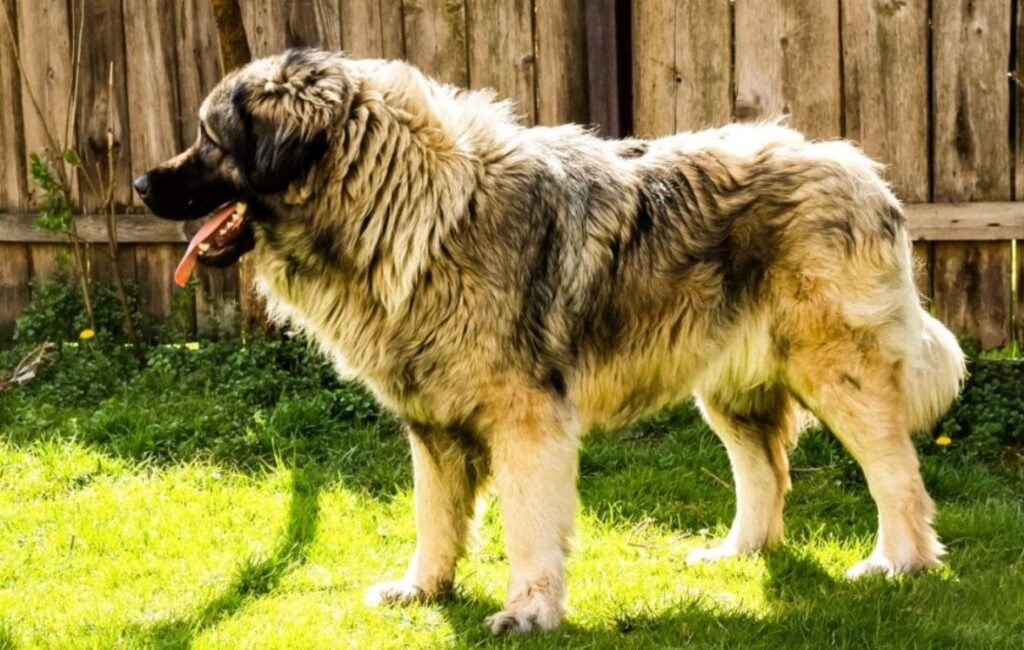
The Sarplaninac, also known as the Yugoslavian Shepherd Dog, is a large and powerful working breed native to the mountainous regions of the Balkans. This majestic dog is known for its remarkable protective instincts and loyalty, often serving as a guardian of livestock in rugged terrains. With its thick double coat and strong physique, the Sarplaninac is well-equipped to handle harsh weather conditions. This breed is independent, intelligent, and calm, making it an excellent choice for guarding both animals and property. While typically reserved with strangers, the Sarplaninac is deeply affectionate and devoted to its family.
Quick Top 10 Facts about Sarplaninac Dog
| SCIENTIFIC NAME | Canis lupus familiaris |
| CLASSIFICATION | KINGDOM: Animalia PHYLUM: Chordata CLASS: Mammalia ORDER: Carnivora FAMILY: Canidae GENUS: Canis |
| SIZE | Height: 62–70 cm (24–27 inches) Weight: 40–60 kg (88–132 lbs) |
| SPECIES | Large working dogs used primarily for guarding livestock in mountainous areas of the Balkans. |
| APPEARANCE | Muscular and robust, with a thick double coat that can range in color from white, gray, black, or brindle. Their ears are often cropped, and their tail is bushy and carried over the back. |
| LIFE SPAN | Typically 10–12 years |
| HABITAT | Originally from the mountainous regions of the Balkans, Sarplaninac dogs are accustomed to cold, rugged environments and work in harsh conditions. |
| DIET | As large working dogs, Sarplaninacs require a high-quality, balanced diet that supports their energy needs, including lean meats, vegetables, and grains. |
| NATURAL PREDATORS | Due to their protective nature, Sarplaninacs are generally not preyed upon, but they do act as protectors of livestock from predators such as wolves and bears. |
| COUNTRY | Originating from the Balkans, including countries like Albania, Kosovo, North Macedonia, and parts of Serbia. |
| CONSERVATION STATUS | Not endangered, but the breed’s population is relatively small outside of its native region, and efforts to preserve its working abilities are ongoing. |
Amazing Facts About Sarplaninac Dog
1. Exceptional Livestock Guardian
The Sarplaninac is primarily bred to guard livestock, especially in mountainous regions, where it protects animals from predators like wolves and bears.
2. Strong, Protective Instincts
Sarplaninacs are known for their fearless and protective nature. They are highly intelligent and independent, often making their own decisions about how to protect their flock.
3. Beautiful Thick Coat
The Sarplaninac’s double coat is one of its most striking features. It helps protect them from harsh weather conditions and predators in the rugged mountainous terrains they inhabit.
4. Loyal and Affectionate
Although independent and reserved with strangers, Sarplaninacs are incredibly loyal and affectionate with their families. They bond deeply with their owners and are protective of their loved ones.
5. Excellent Working Dog
In addition to guarding livestock, Sarplaninacs are sometimes used for search-and-rescue missions due to their intelligence, stamina, and ability to work in difficult environments.
6. Calm and Steady Temperament
Despite their intimidating appearance, Sarplaninacs are known for their calm demeanor. They are not overly aggressive but can be assertive when needed.
7. Reserved Around Strangers
Sarplaninacs tend to be wary of strangers and may take time to warm up to new people. Their cautious nature makes them excellent guard dogs for homes and farms.
8. Originating from the Balkans
This breed is native to the mountainous regions of the Balkans, where it has been used for centuries as a guard dog for livestock and property.
9. Large and Muscular Build
Sarplaninacs are large dogs with a strong, muscular physique that allows them to handle the physical demands of their guarding work, as well as the harsh terrain they often navigate.
10. Requires Early Socialization
Due to their protective nature, early socialization is important for Sarplaninac puppies to ensure they are well-adjusted and able to distinguish between friend and foe.
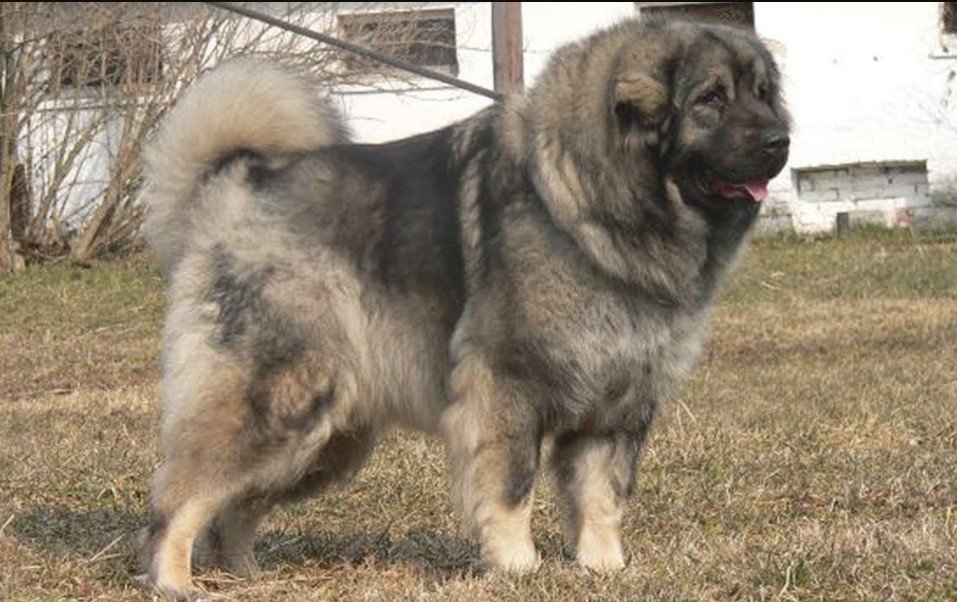
Introduction to the Sarplaninac: The Balkan Guardian Dog
The Sarplaninac is a big, strong, and devoted dog breed that comes from the Balkan mountains of Albania and Macedonia. For ages, the Sarplaninac has been employed mostly as a herding dog and flock protector because to its intelligence, strength, and protective instincts. Because of its reputation for protecting cattle from wolves and bears, this old breed has become an essential companion for shepherds in the area. We shall examine the Sarplaninac’s history, traits, temperament, and upkeep in this extensive post.
1. The Sarplaninac’s History and Origins
Ancient Lineage in the Balkan Mountains
This breed has been protecting cattle for years in the rocky Sar Mountains, which form the name of the Sarplaninac. These mountains span the boundary between Macedonia and Albania. The Sarplaninac, often called the Yugoslav Shepherd Dog, has a long and illustrious history that begins in the Middle Ages, while some experts believe its roots may be far earlier.
Origins in Native Working Dogs
The native working dogs of the area, which pastoralists employed to safeguard their herds in the hostile alpine climate, are most likely the forebears of this breed. Sarplaninacs are great livestock protectors because they have been bred for intelligence, strength, and agility throughout the years.
2. Physical Attributes
Large Build and Mountain-Hardy Appearance
Large and robust, the Sarplaninac breed is built for endurance and physical power. Because of its looks, it stands out in the highlands, where it diligently guards animals and sheep.
Dimensions and Mass
- Height: Females are somewhat shorter, standing between 24 and 28 inches (61 and 71 cm), while males normally stand between 26 and 30 inches (66 and 76 cm) at the shoulder.
- Weight: Females are somewhat lighter, usually weighing between 88 and 120 pounds (40 and 54 kg), while males normally weigh between 110 and 140 pounds (50 and 64 kg).
Coat and Colour Variations
The long, thick, and dense coat of the Sarplaninac offers superior defence against the frigid alpine climate. Usually, the coat is double-layered, with longer, coarser guard hairs on top of a soft undercoat. The breed is an effective livestock protector because of its fur, which also helps it blend in with its surroundings.
- Grey (the most common)
- White
- Fawn
- Dark
- Cream
One characteristic that sets this breed apart is the black face or mask that often goes with the grey and fawn colours. They are naturally adapted to the harsh, cold areas in which they were reared because of the length and thickness of their coat.
Facial Features
With its big, square head, powerful jaw, and dark eyes, the Sarplaninac exudes intellect and alertness. Their medium-sized, triangular ears, which usually fold forward, give them the distinctive look of a shepherd dog. Their placid manner is reflected in their often serene look.
The Distinctive Tail
The Sarplaninac’s bushy tail, which is held in a small curve over their back, gives them a sophisticated but watchful appearance. The tail may be kept low or gently curved while working or acting.
3. Personality and Temperament
Protective and Loyal Nature
The Sarplaninac is well known for its protective nature and devotion. It may be independent and reticent with strangers, yet it develops close relationships with its family and animals. Although this breed is often described as courageous, vigilant, and serene, it can also be domineering and possessive when it comes to defending its territory.
Protecting Instincts and Courageous Behavior
The Sarplaninac’s natural instinct as a flock guardian is to defend its herd from predators, such as wolves, bears, and even big wild cats. For farmers and herders in need of a trustworthy defender, this makes it a great option. The Sarplaninac may be bold and unrelenting while protecting sheep, even taking on enormous predators if needed. It is also renowned for not attacking other animals unless it feels threatened by their presence.
Social Behavior and Family Loyalty
Sarplaninacs tend to be compassionate and loving towards family members. Despite their protective character, which keeps them always aware of the family and its surroundings, they have a tendency to be especially nice with youngsters. Once they have united with their family, they are very loyal and often develop close bonds with their owners, despite the fact that they may be distant or hesitant around others.
Territorial Tendencies with Other Dogs
They may not always get along with other dogs, particularly those of the same sex, due to their strong territorial tendencies. Potential problems with other animals or strangers may be reduced with early socialisation and appropriate training.
Independent Yet Trainable Breed
The Sarplaninac may be quite autonomous, despite its intelligence. Its lengthy history of operating in isolated mountainous areas without human guidance accounts for its independence. This breed can be taught, but it needs a masterful owner who can provide firm, continuous guidance and who knows its strong-willed temperament. The Sarplaninac excels in settings where it is assigned a task, such as safeguarding property, keeping an eye on animals, or engaging in different canine sports.
4. Grooming and Maintenance
Coat Maintenance and Shedding
The thick, lengthy coat of the Sarplaninac needs frequent maintenance. Despite the fact that it is a generally healthy breed, maintaining its comfort and happiness requires knowledge of its grooming and maintenance requirements.
- The Sarplaninac’s thick fur need frequent brushing to avoid matting and to get rid of extra hair, especially during the shedding season (about twice a year).
- More regular grooming can assist reduce shedding in the house since this breed is thought to be a moderate shedder.
Daily Exercise and Activity Needs
Regular exercise is essential for the Sarplaninac’s high level of activity. It has a lot of energy and requires a lot of exercise to keep healthy and happy because of its past as a working dog. This breed needs daily playtime, walks, and treks to be emotionally and physically active.
Although the Sarplaninac thrives in hilly and rural areas, it may adapt to urban situations given enough room and exercise. However, prospective owners should be advised that early socialisation is essential since this breed’s strong protective instincts may make it suspicious of strangers or new situations.
Diet and Nutritional Guidelines
The Sarplaninac needs a varied diet to be healthy since it is a big, active breed. To satisfy its energy demands, a high-quality dog food that offers sufficient amounts of protein, fat, and carbs
FAQ (Frequently Asked Questions) about Sarplaninac
Q: What is a Sarplaninac?
Ans: The Sarplaninac is a large, powerful breed from the Balkans, known for its protective nature, guarding livestock, and strong work ethic in rugged terrains.
Q: Are Sarplaninacs good guard dogs?
Ans: Yes, Sarplaninacs are excellent guard dogs, known for their protective instincts and ability to guard livestock from predators such as wolves and bears.
Q: How big do Sarplaninacs get?
Ans: Sarplaninacs are large dogs, typically standing 62–70 cm (24–27 inches) tall and weighing between 40–60 kg (88–132 lbs).
Q: How long do Sarplaninacs live?
Ans: Sarplaninacs generally have a lifespan of 10–12 years.
Q: What is the temperament of a Sarplaninac?
Ans: Sarplaninacs are calm, steady, and reserved with strangers but deeply loyal and affectionate with their family members. They are independent and protective.
Q: Where are Sarplaninacs from?
Ans: The Sarplaninac originates from the Balkans, particularly countries like Albania, Kosovo, North Macedonia, and parts of Serbia.
Q: Are Sarplaninacs good with children?
Ans: Yes, Sarplaninacs are typically good with children, especially if they are properly socialized from an early age. However, they are best suited for families who are familiar with large, protective breeds.
Q: Do Sarplaninacs require a lot of exercise?
Ans: While Sarplaninacs are working dogs with high energy, they do not require excessive exercise as long as they have a job to do. Daily walks and tasks to keep them busy are important.
Q: Are Sarplaninacs easy to train?
Ans: Sarplaninacs are intelligent, but they can be independent and stubborn. Early socialization and consistent, positive training methods are essential for successful training.
Q: Can Sarplaninacs live in apartments?
Ans: Sarplaninacs are large, active dogs, and while they can adapt to living in a home with a yard, they are not well-suited for apartment living unless they receive plenty of exercise and attention.
#Sarplaninac #YugoslavianShepherd #LivestockGuardian #BalkanDogs #ProtectiveDogs #WorkingDogs #DogBreedFacts #GuardDogs #SarplaninacFacts
Our sources and references about Sarplaninac
1: Wikipedia – Sarplaninac
2: AKC – Sarplaninac
3: DogTime – Sarplaninac
4: Dog Breed Info – Sarplaninac