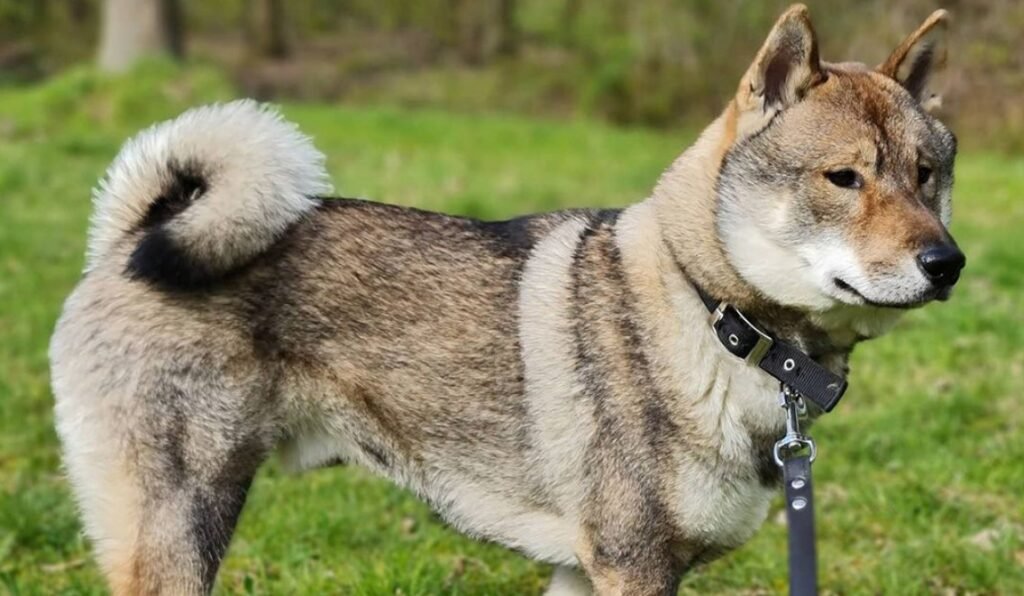
The Shikoku is a small-to-medium-sized dog breed from Japan, known for its alertness, agility, and intelligence. Originally bred for hunting and herding, the Shikoku is an ancient breed that is highly prized for its keen senses and ability to work in challenging environments. It is known for its fox-like appearance, with a curled tail, erect ears, and a sharp, expressive gaze. Shikoku dogs are highly independent and are often described as being reserved but loyal to their owners. With their strong instincts and energy, they make excellent companions for active individuals and families.
Quick Top 10 Facts about Shikoku
| SCIENTIFIC NAME | Canis lupus familiaris (Shikoku is a breed of domestic dog) |
| CLASSIFICATION | KINGDOM: Animalia PHYLUM: Chordata CLASS: Mammalia ORDER: Carnivora FAMILY: Canidae GENUS: Canis SPECIES: C. lupus (domestic dog) |
| SIZE | Height: 17–18.5 inches (43–47 cm) Weight: 30–40 lbs (14–18 kg) |
| SPECIES | The Shikoku is a breed of Japanese dog, often categorized as a Spitz-type dog with a distinctive curled tail and fox-like appearance. |
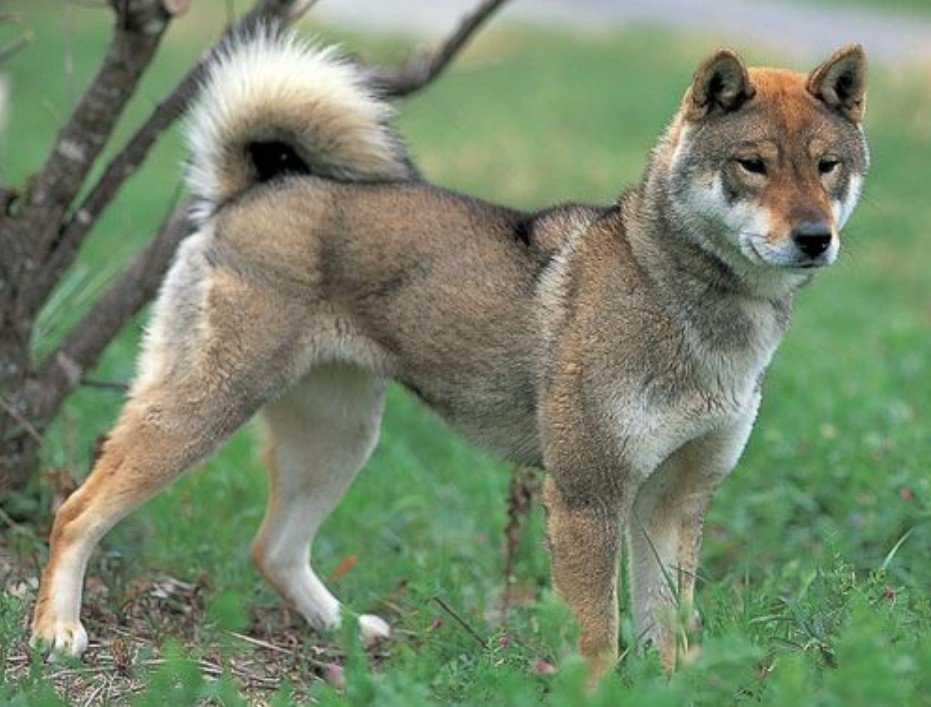
| APPEARANCE | Shikoku dogs have a strong, athletic build with a curled tail, erect triangular ears, and a thick double coat that typically comes in red, black and tan, or sesame (a mixture of red and black). Their expression is alert and intelligent, and they possess a graceful, fox-like look. |
| LIFE SPAN | 12–15 years |
| HABITAT | Shikoku dogs are versatile and can live in a variety of environments, from suburban homes to rural areas. However, they do best in active households with plenty of space for exercise. |
| DIET | Shikoku dogs require a well-balanced diet that supports their active lifestyle. This typically includes high-quality dry food or a combination of dry and wet food, supplemented with occasional treats for training or rewards. |
| NATURAL PREDATORS | As a domesticated breed, Shikoku dogs do not have natural predators, but they are excellent hunters and will chase after small animals if given the opportunity. |
| COUNTRY | The Shikoku breed originated in Japan, specifically from the Shikoku Island. It is considered a national treasure in Japan and is one of the oldest native Japanese breeds. |
| GESTATION PERIOD | The gestation period for Shikoku dogs is typically around 63 days, similar to other dog breeds. |
| CONSERVATION STATUS | Shikoku dogs are not considered endangered, but their numbers are relatively small outside of Japan. Efforts are being made to preserve the breed and maintain its unique characteristics. |
Amazing Facts About Shikoku
1. Japanese Heritage
The Shikoku is a traditional Japanese dog breed, and its roots trace back to the Shikoku Island, where it was originally used for hunting game such as boar and deer.
2. Highly Independent
Shikoku dogs are known for their independent and sometimes aloof personalities. While they are loyal to their owners, they often enjoy doing their own thing and may not always seek constant affection.
3. Excellent Hunters
Originally bred for hunting, Shikoku dogs have a strong prey drive and are natural hunters. They excel at tracking and chasing small animals and are very agile and fast.
4. Fox-Like Appearance
Shikoku dogs are often described as looking like foxes, with their pointed ears, expressive eyes, and curled tails. Their appearance is striking and distinctive among other breeds.
5. Energetic and Agile
Shikoku dogs are known for their agility and high energy. They enjoy engaging in physical activities and need regular exercise to stay fit and healthy. They thrive in active households.
6. Vocal but Not Excessive
Shikoku dogs tend to be vocal, especially when they see something interesting or need attention. However, they are not known to bark excessively, making them a relatively quiet breed.
7. Loyal and Protective
While Shikoku dogs are independent, they are also fiercely loyal and protective of their families. They can be reserved around strangers but are deeply devoted to their owners.
8. Clean and Low Maintenance
Shikoku dogs are known for being clean and have a natural inclination to keep themselves tidy. Their thick coat sheds moderately, and regular grooming is required to keep them looking their best.
9. Good with Children
Although they are not as outgoing as some other breeds, Shikoku dogs are generally good with children, especially if they are raised with them. They are gentle and affectionate with their family members.
10. Japanese National Treasure
The Shikoku is recognized as a national treasure in Japan, symbolizing the country’s rich cultural heritage. It is a breed that is deeply connected to the history and traditions of Japan.
Shikoku: The Japanese Superdog with an Enthusiastic Nature
Japan is the birthplace of the stunning and active Shikoku dog breed. The Shikoku, a medium-sized dog that resembles the more well-known Akita and Shiba Inu, is renowned for its agility, attractive looks, and steadfast devotion. In Japan, this breed has long been prized for its remarkable hunting prowess as well as its endearing, lively nature.
Shikoku Dog Breed History and Origins
One of Japan’s oldest indigenous dog breeds, the Shikoku was developed mainly for hunting. The Shikoku island, where the breed first appeared, is the source of its name. The Shikoku was created on this island in southern Japan to hunt in the region’s untamed mountainous landscape. Shikokus were originally employed to hunt small game, including deer, rabbits, and birds, because of their superior tracking abilities, speed, and intelligence.
Shikoku Growth and Hunting Objectives
Along with other breeds like the Akita and Shiba Inus, the Shikoku belongs to the Japanese Spitz family. The Miya dog, a now-extinct breed that was originally utilised in Japan to hunt greater animals, is closely linked to this breed. The Shikoku evolved into the medium-sized, multipurpose hunting dog it is today throughout time. It was a great fit for Shikoku Island’s untamed, varied terrain because of its strong hunting instincts and acute senses.
The Shikoku’s population declined in the early 20th century as other dog breeds gained popularity and sophisticated hunting techniques became more prevalent. But because to meticulous breeding initiatives, the breed was saved, and by the middle of the 20th century, the Japan Kennel Club had formally recognised the Shikoku. Later on, the American Kennel Club (AKC) and the United Kennel Club (UKC) also recognised the breed.
Shikoku Physical Characteristics and Size
The Shikoku is a handsome dog that seems strong and athletic. Though it is a little bigger and stronger, it is often likened to the Shiba Inu. The Shikoku is a physique that is well-balanced and designed for endurance and agility.
Shikoku Dimensions and Weight
Male Shikokus are usually between 18 and 22 inches (46 and 56 cm) height at the shoulder, while females are somewhat shorter at 17 to 21 inches (43 to 53 cm). The Shikoku is a medium-sized dog. Males are usually heavier than females, weighing between 35 and 45 pounds (16 and 20 kg). Given their ancestry as hunting dogs, Shikokus are powerful and nimble despite their small stature.
Shikoku Coat Color, Type, and Grooming
The thick, double coat of the Shikoku is ideal for keeping it safe in inclement weather. The undercoat is thick and velvety, offering protection from the weather, while the outside coat is standing, harsh, and straight. The Shikoku performs better in chilly climates and while engaging in outdoor activities thanks to its garment.
- Red Shikoku Coat Color – Popular and Traditional Choice
- Tan and Black Shikoku Coat – Distinctive Medium-Sized Dog Colors
- Sesame Shikoku Coat – Black and Red Hair Mix
While the black, tan, and sesame varieties offer the Shikoku a more striking, distinctive appearance, the red colour is often linked to the breed’s traditional appearance. Compared to some other breeds with long or thick coats, theirs is a comparatively low-maintenance coat that needs just basic care to maintain it clean and healthy.
Shikoku Expression, Face, and Tail Features
The Shikoku’s almond-shaped eyes and fox-like features give it a keen, perceptive appearance. It has a bold and watchful appearance due to its triangular, upright ears. The Shikoku’s characteristic look is enhanced by the fact that its tail is usually coiled over its back.
Shikoku Temperament: Self-Reliant, Devoted, and Perceptive
The Shikoku is renowned for having a lively and vivacious demeanour. Being an active breed, it needs mental and physical stimulation on a regular basis to be content and healthy. Shikokus have a strong sense of independence that stems from their hunting past, yet they are also devoted and kind to their families.
Devoted and Caring Shikoku Dogs
Shikokus develop close relationships with their owners and are devoted to their families. They are considered to be loving and love spending time with their family members, yet not being excessively attached. They might be reticent with strangers, but once they connect, they become fiercely protective and affectionate.
Self-Sufficient Yet Trainable Shikoku
Shikokus are very bright dogs who adapt well to instruction, despite their independence and sometimes difficult nature. Although they pick things up quickly, they may also be stubborn, which makes training difficult for new dog owners. Shikokus need to be trained in a strict, consistent manner; patience and the application of positive reinforcement techniques are also crucial. For your Shikoku to behave nicely and grow acclimated to both humans and other animals, early socialisation is essential.
Energetic and Active Shikoku Dogs
The Shikoku is an energetic breed that enjoys exploring and working out. They need a lot of exercise to keep healthy and happy since they have a lot of energy. A happy Shikoku must engage in regular outside activities such as walks, treks and playtime in a safely enclosed yard. A Shikoku may become bored and start engaging in unpleasant behaviours, such digging or excessive barking, if they don’t get enough exercise.
Shikoku Compatibility with Children and Other Pets
In general, shikokus get along well with kids and are excellent family pets, particularly in homes with plenty of activity. They should be appropriately taught and watched over with small children, however, due to their high level of activity and independence. Shikokus may have a high prey drive and not necessarily get along with smaller animals like rabbits or guinea pigs since they are a hunting breed. For them to form wholesome bonds with other pets, early socialisation is crucial.
Shikoku Grooming, Care, and Maintenance Guide
Regular grooming is necessary to maintain the Shikoku’s thick, double coat in excellent shape. Even while their coat doesn’t need as much care as some other breeds, it still has to be managed to avoid matting and control shedding.
Shikoku Coat Cleaning and Brushing
The Shikoku should be brushed often to get rid of stray hair and avoid matting. Try to brush at least once every seven days. You may need to brush more often to control the increased shedding during the spring and autumn shedding seasons.
Shikoku Bathing and Coat Care
Shikokus don’t need to be bathed very often unless they become filthy from being outside. Use a dog-friendly shampoo to give your Shikoku a bath every four to six weeks. It’s preferable to wash them only when absolutely required since over-bathing might remove the natural oils from their coat.
Shikoku Ear Care and Infection Prevention
Shikokus are less likely to have ear infections than breeds with floppy ears because of their upright ears, although regular ear examinations are still crucial. To get rid of dirt and debris, gently wipe the ears. See your veterinarian if you see any symptoms of pain or illness.
Trimming Shikoku Nails and Paw Care
Regularly trim your Shikoku’s nails to prevent them from becoming too long. Injuries and pain may result from overgrown nails.
Shikoku Dog Health Issues and Care Tips
Like other dogs, the Shikoku is susceptible to various health issues, despite being a generally healthy breed. You can provide better care and identify any possible difficulties early if you are aware of these challenges.
Common Shikoku Dog Health Problems
- Hip Dysplasia in Shikoku Dogs – Causes and Prevention
- Progressive Retinal Atrophy (PRA) – Eye Health for Shikoku Dogs
- Patellar Luxation in Shikoku Dogs – Symptoms and Treatment
- Allergies in Shikoku Dogs – Skin and Environmental Triggers
General Shikoku Health and Wellness Tips
Maintaining your Shikoku’s health requires frequent exercise, a balanced diet, and regular veterinarian examinations. Keeping your dog occupied and intellectually busy can also assist to avoid anxiety or boredom-related behavioural problems.

FAQ (Frequently Asked Questions) about Shikoku
Q: What is a Shikoku?
Ans: The Shikoku is a small-to-medium-sized dog breed that originated from Shikoku Island in Japan. It is a versatile, energetic, and intelligent breed with a fox-like appearance.
Q: Are Shikoku dogs good family pets?
Ans: Yes, Shikoku dogs are great family pets. They are loyal, good with children, and can adapt to family life, but they do require plenty of exercise and mental stimulation.
Q: How much exercise does a Shikoku need?
Ans: Shikoku dogs are very active and require plenty of physical activity, including daily walks, playtime, and sometimes agility or training sessions.
Q: Are Shikoku dogs easy to train?
Ans: Shikoku dogs are intelligent and independent, which can make training a challenge at times. However, with consistent and positive reinforcement, they can be trained successfully.
Q: Do Shikoku dogs shed a lot?
Ans: Shikoku dogs shed moderately, and regular grooming is recommended to keep their coat healthy and reduce shedding. They have a thick double coat that sheds seasonally.
Q: How long do Shikoku dogs live?
Ans: Shikoku dogs typically live between 12 and 15 years, depending on their health, diet, and overall care.
#Shikoku #JapaneseDogs #SpitzBreed #FoxLikeDog #ActiveDogs #DogLovers #HuntingDogs #ShikokuFacts #LoyalDogs
Our sources and references about Shikoku
1: American Kennel Club – Shikoku
2: Petfinder – Shikoku
3: DogTime – Shikoku
4: Wikipedia – Shikoku Dog


