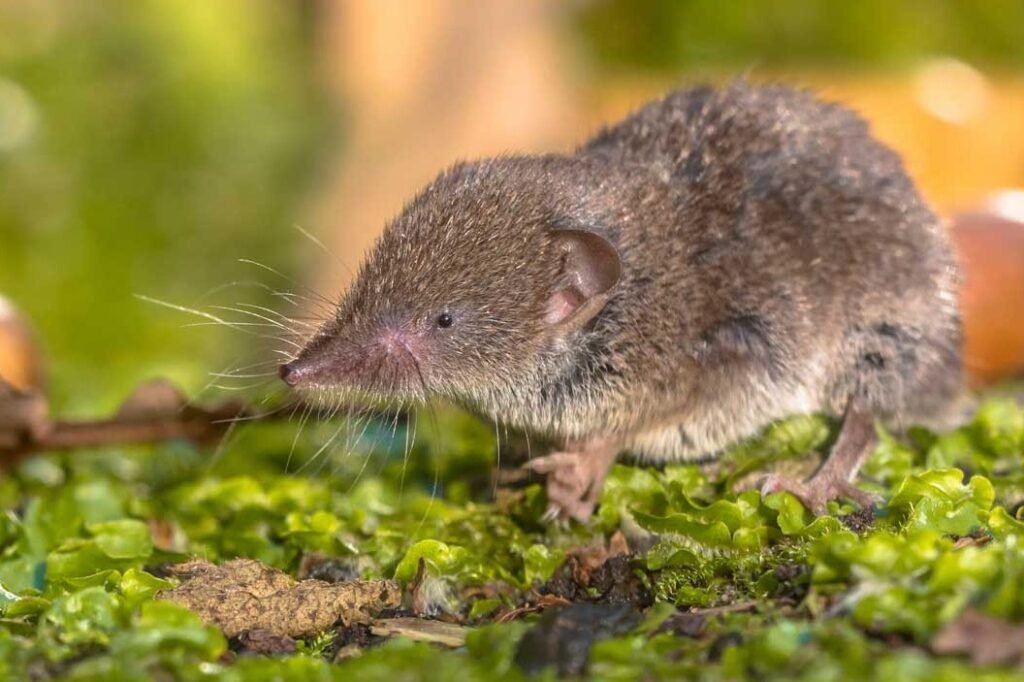
Shrews are small, insectivorous mammals belonging to the family Soricidae. They are found in a variety of habitats, including forests, grasslands, and even urban areas. Shrews are known for their sharp, pointed snouts, which they use to hunt insects, worms, and other small invertebrates. Despite their size, shrews are incredibly active and can have a very fast metabolism, requiring them to eat large amounts of food each day to survive. These mammals play an important role in controlling insect populations in their ecosystems.
Quick Top 10 Facts about Shrew
| SCIENTIFIC NAME | Soricidae (various species) |
| CLASSIFICATION | KINGDOM: Animalia PHYLUM: Chordata CLASS: Mammalia ORDER: Eulipotyphla FAMILY: Soricidae |
| SIZE | Length: 5–14 cm (2–5.5 inches), depending on the species |
| SPECIES | There are over 300 species of shrews, including the Eurasian Water Shrew and the Eurasian Pygmy Shrew |
| APPEARANCE | Small, with a pointed snout, small eyes, and short fur, typically gray or brown |
| LIFE SPAN | 1–3 years, depending on the species |
| HABITAT | Forests, grasslands, gardens, and even urban areas worldwide |
| DIET | Insects, worms, small invertebrates, and some plant matter |
| NATURAL PREDATORS | Owls, hawks, weasels, and larger mammals |
| COUNTRY | Found in many parts of the world, including North America, Europe, and Asia |
| GESTATION PERIOD | 21–30 days, depending on the species |
| CONSERVATION STATUS | Most species are not threatened, but some are considered vulnerable due to habitat loss |
Amazing Facts About Shrew
1. Hyperactive Metabolism
Shrews have an incredibly fast metabolism and must eat frequently to survive. Some species can consume up to 60-100% of their body weight in food each day.
2. Sharp Snout for Hunting
Shrews use their sharp, pointed snouts to root through soil and leaf litter to find insects, worms, and other small invertebrates.
3. Venomous Bite
Many shrew species possess venomous salivary glands that help them immobilize and pre-digest their prey, especially invertebrates.
4. Nocturnal Hunters
Shrews are primarily nocturnal, hunting at night when their prey is more active, and avoiding larger predators during the day.
5. Wide Habitat Range
Shrews can be found in a variety of habitats, including forests, meadows, grasslands, and urban areas, making them adaptable to different environments.
6. Important Pest Controllers
By feeding on insects and small invertebrates, shrews help control pest populations, which is important for maintaining the balance in ecosystems.
7. Short Lifespan
Despite their short lifespan, shrews live fast-paced lives, constantly foraging and reproducing. They usually live only 1 to 3 years.
8. Quick and Agile
Shrews are known for their speed and agility. Their small size and quick movements help them evade predators and catch prey efficiently.
9. Reproduction and Offspring
Shrews reproduce quickly, with some species capable of having multiple litters each year. A typical litter contains 3-7 young.
10. Communicating with Ultrasound
Shrews are known to use high-pitched ultrasound sounds to communicate with one another, which is especially useful in dense habitats where vision is limited.
Shrew Facts, Soricidae Species & Small Mammals
Shrews belong to the Eulipotyphla order, which also contains moles and hedgehogs. In contrast to rodents like mice and rats, shrews belong to a different family called the Soricidae. There are more than 300 different species of shrews, and they may be found in a wide range of environments, including grasslands, woodlands, and even cities. They are distinct from other mammals due to their diminutive stature, pointed snouts, and ravenous appetites.
Shrew Taxonomy & Species Identification
Animalia is the kingdom. Phylum: Chordata Mammalia is the class. Eulipotyphla is the order. The Soricidae family Genus: Different based on the species
2. The Physical Attributes of Shrews
Despite being very tiny animals, shrews have a wealth of remarkable traits that enable them to flourish in a variety of settings. Their physical attributes are tailored to their subterranean lifestyle, speed, and insectivorous diet.
Shrew Body Size & Weight
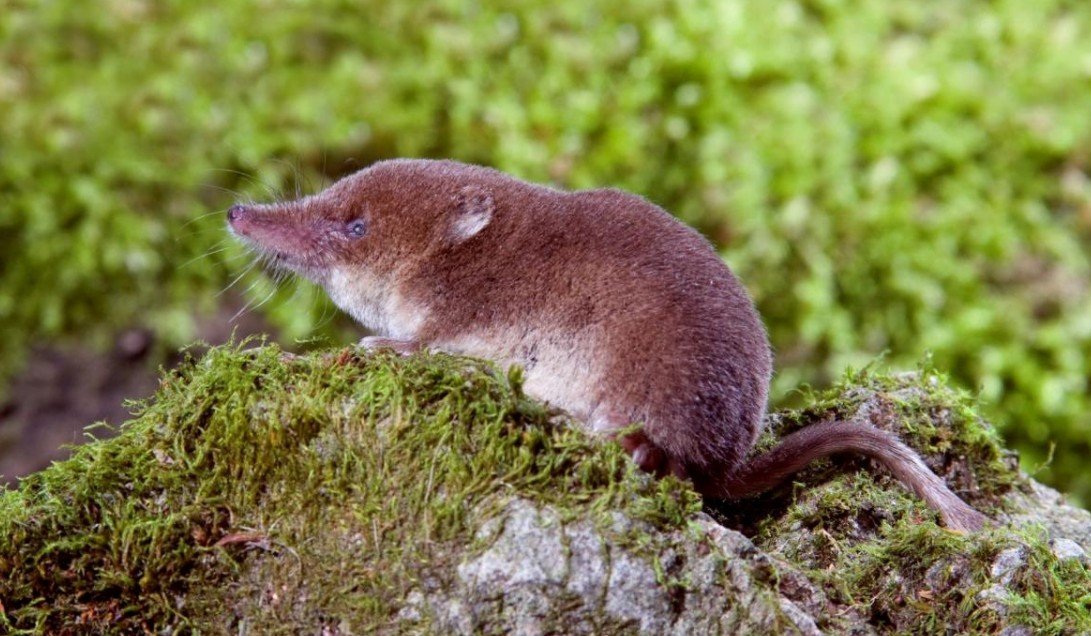
Size: Shrews are usually rather little, with lengths between 2 and 6 inches (5 and 15 cm). While the biggest species may grow up to 10 inches (25 cm) in length, several species are significantly smaller, with body lengths under 3 inches (7 cm). Weight: The majority of shrews are light and nimble, weighing about 1 to 2 ounces (28 to 57 grammes). The pygmy shrew is one of the tiniest species, weighing about 0.1 ounces (2 grammes). Body Shape: Shrews are excellent hunters of insects and other small invertebrates because of their long, pointed snouts and tiny, sharp teeth. Their velvety, thick fur, which is often grey or brown in colour, covers their bodies and helps keep them warm in chilly climates.
Shrew Eyesight, Teeth & Tail Features
Eyes: Due to their primary adaptation for smell detection and hearing, shrews have relatively tiny eyes and poor eyesight. Ears: To assist them blend in with their surroundings, they have tiny ears that are often partly hidden by their fur. Teeth: Shrews can capture and eat insects, worms, and tiny animals thanks to their keen, needle-like teeth. Tail: Although they are not as noticeable as those of rodents like mice, most shrews have long, thin tails that aid in balance.
3. Shrew Diet, What Shrews Eat & Hunting Behavior
As insectivores, shrews mostly consume insects, spiders, earthworms, and other tiny invertebrates. Shrews have a very quick metabolism and need to eat constantly, hence their diet is crucial to sustaining their high metabolic rate.
Shrew Hunting Strategies & Metabolism
Constant Feeding: In order to keep their metabolisms running smoothly, shrews must eat almost every hour. They must constantly seek for food day and night since they are unable to accumulate fat. Some animals have daily feeding intakes of up to double their body weight. Hunting Strategies: Shrews detect prey by using their acute sense of hearing and smell. They are quite busy and look for food beneath logs, leaves, and dirt. In order to find insects and other food, shrews may sometimes stick their long snouts into gaps and crevices. Poisonous Shrews: Certain shrew species, including the North American and European water shrews, contain poisonous saliva that aids in capturing prey. The venom is injected via tooth grooves by the poisonous glands, which are situated close to the mouth. This enables the shrew to render prey, such earthworms, immobile and preserve them for later use.
Sources of Food — Insects, Worms, Spiders & More
- Insects — shrew primary food source
Grasshoppers, flies, ants, and beetles are common prey.
- Worms — common shrew diet
Shrews often consume earthworms, particularly in the rainy seasons when worm populations are higher.
- Spiders and Tiny Amphibians — shrew prey animals
Certain bigger shrew species may even feed on tiny reptiles or amphibians, such lizards and frogs.
- Fruits and Fungi — additional shrew food sources
Although they are mostly carnivorous, some shrews may consume fruits, berries, and mushrooms at times when their favourite food source is in short supply.
4. Shrew Behavior, Social Structure & Territorial Habits
Shrews are solitary animals that typically live alone, with the exception of mating season and times when a mother is tending to her young. They are quite active; depending on their environment and the availability of prey, some species are nocturnal and others are diurnal. A deeper examination of shrew behaviour and social structure is provided below:
Shrew Territorial Behavior
Animals like shrews are territorial, especially when it’s mating season. They will vigorously protect their areas from other shrews and mark them with smell glands. In some species, males will use their sharp fangs and claws to battle for access to females.
Shrew Burrows & Nesting Habits
Numerous shrew species have evolved to live underground. They build tunnels and nests in subterranean burrows, behind logs, or in leaf litter to shield themselves from predators and the elements. Shrews often use grass, leaves, and other plant materials to construct their nests. Certain species, like the Eurasian Water Shrew, may build their nests close to water sources because they like moist settings.
Shrew Social Behavior & Mating Habits
The majority of shrews live alone and are not known to interact with others. They usually stay apart from other shrews unless they are mating. Some shrew species, on the other hand, are able to live alongside other species in their native region. Males will vie for females’ attention during short mating sessions, which may lead to violent interactions. The female tends to the young after mating, while the male usually departs.
5. Shrew Breeding Cycle & Life Expectancy
Due to their rapid rate of reproduction, many shrew species breed many times a year. When food is plentiful in the spring and summer, they usually procreate.
Gestation and Breeding Facts
Most species of shrews have a gestation period of 18 to 30 days, which is comparatively short. Although the number of litters might vary, mothers usually give birth to three to seven puppies at a time. Shrews are blind and defenceless at birth, but they develop quickly. After a few weeks, they start eating solid food, and a month later, they are completely weaned.
Duration of Life
The lifetime of shrews is rather brief. Even if some individuals may live longer under the right circumstances, most species only survive for one to two years. Shrews, however, breed rapidly to secure the survival of the species due to their high death rate.
6. Distribution and Habitat of Shrew
Around the world, shrews may be found in a variety of settings. While certain species may be found in urban settings, forests, grasslands, and wetlands are where they are most prevalent. Their environments provide them the food, shelter, and predator protection they need.
Worldwide Distribution
With the exception of Australia and Antarctica, shrews may be found on every continent. North America, Europe, and certain regions of Asia have the greatest species variety. While some species, like the water shrew, thrive in dry places like forests and prairies, others prefer damp regions like lakes, streams, and wetlands.
7. Shrew Ecological Role & Benefits
Shrews are important members of their ecosystems despite their little size. As insectivores, they aid in the management of insect populations that pose a threat to crops and plants by causing illnesses and pests. Many predators, such as hawks, owls, and snakes, rely on shrews as a food supply.
Shrew Importance in Ecosystems
- Pest Control — shrews help reduce insect populations
Shrews keep insect populations in check by eating large quantities of insects, which keeps them from growing out of control and endangering ecosystems.
- Soil Health — burrowing animals improving soil
By mixing organic matter and increasing soil fertility, shrews’ burrowing activities aerates the soil.
- Food Supply — shrews as prey for predators
Shrews contribute to the food chain and preserve biodiversity by serving as an essential food supply for many bigger predators.
8. Shrew Conservation Status & Threats
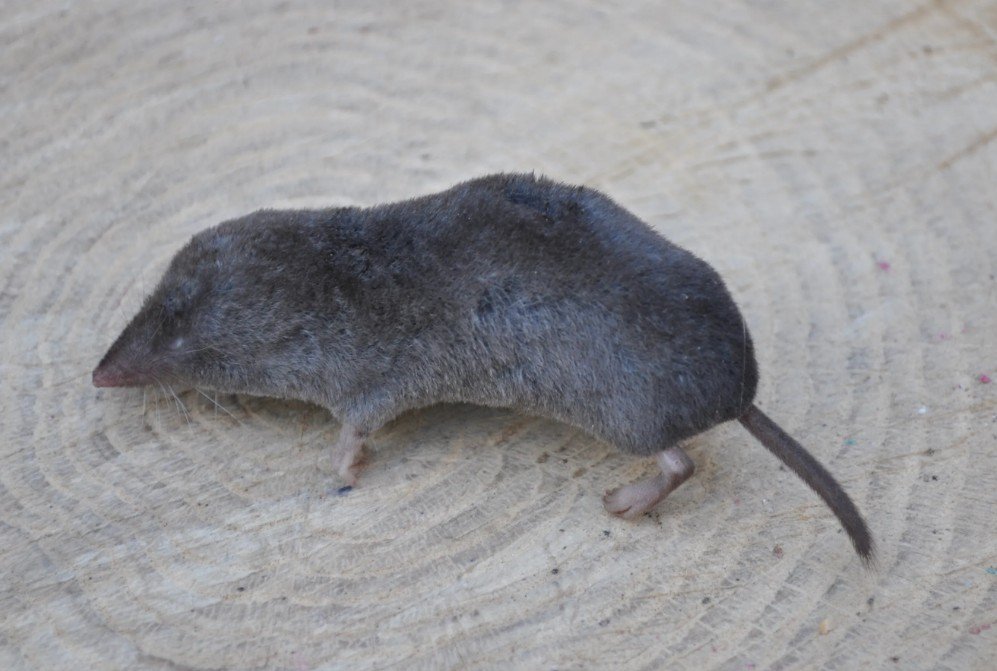
Since many species of shrews are common and plentiful, they are not usually regarded as endangered. However, local populations, especially those residing in unique or restricted ecosystems, may be threatened by pollution, climate change, and habitat degradation. Shrew populations depend on conservation initiatives that preserve their habitats, particularly in regions where land development and deforestation are taking place.
FAQ (Frequently Asked Questions) about Shrew
Q: What do shrews eat?
Ans: Shrews are insectivores, primarily feeding on insects, worms, and other small invertebrates, though they may also consume some plant matter.
Q: How long do shrews live?
Ans: The lifespan of a shrew is typically between 1 and 3 years, depending on the species.
Q: Are shrews venomous?
Ans: Yes, many species of shrews possess venomous saliva, which helps them immobilize and pre-digest their prey.
Q: Where are shrews found?
Ans: Shrews are found in a wide range of habitats across the world, including forests, grasslands, gardens, and even urban areas.
Q: Do shrews make good pets?
Ans: Shrews are wild animals and do not typically make good pets due to their need for large amounts of food and their specialized habitat requirements.
Q: How do shrews communicate?
Ans: Shrews communicate using high-frequency ultrasound calls, which are particularly useful in dense environments where other forms of communication might be difficult.
Q: Are shrews endangered?
Ans: Most shrew species are not endangered, but habitat loss and environmental changes may threaten certain populations.
#Shrew #Mammals #Insectivores #Wildlife #ShrewFacts #SmallMammals #PestControl #Nature
Our sources and references about Shrew
1: Wikipedia – Shrew
2: Britannica – Shrew
3: National Geographic – Shrew
4: ARKive – Shrew