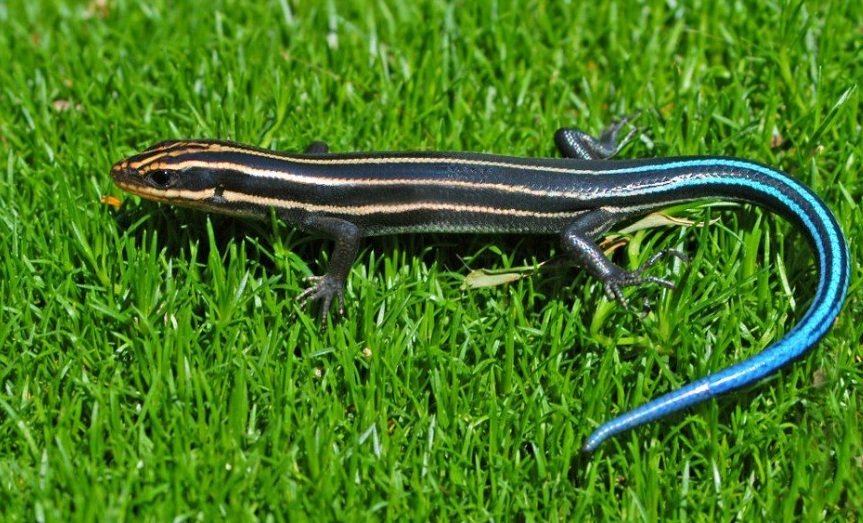
Skinks are a diverse family of lizards known for their distinctive, elongated bodies and smooth, shiny scales. They are found in a wide range of habitats, from forests and deserts to grasslands and rocky areas. Skinks are known for their agility and often have reduced limbs, which gives them a streamlined, snake-like appearance. They are primarily insectivores, feeding on a variety of small invertebrates, although some species may also eat plants. Skinks have a variety of adaptations, including the ability to shed their tails to escape predators and their robust, muscular bodies that help them navigate their environments.
Quick Top 10 Facts about Skink Lizard
| SCIENTIFIC NAME | Scincidae |
| CLASSIFICATION | KINGDOM: Animalia PHYLUM: Chordata CLASS: Reptilia ORDER: Squamata FAMILY: Scincidae |
| SIZE | Length: 10–30 cm (4–12 inches), depending on the species |
| SPECIES | There are over 1,500 species of skinks found worldwide, making them one of the largest families of lizards. |
| APPEARANCE | Skinks typically have smooth, shiny scales, a streamlined body, and small legs. They may have a variety of color patterns, including earthy browns, greens, and blues, which help them blend into their environment. |
| LIFE SPAN | Generally, skinks live 5–10 years in the wild, although some species may live longer in captivity. |
| HABITAT | Skinks are found in diverse habitats, including tropical and subtropical forests, grasslands, deserts, and rocky outcrops, across all continents except Antarctica. |
| DIET | Skinks are mainly insectivorous, feeding on a diet of insects, spiders, and other small invertebrates, though some species may also eat fruits and plants. |
| NATURAL PREDATORS | Skinks are preyed upon by a variety of animals, including birds, snakes, and larger mammals. Their ability to shed their tail provides a defense mechanism to escape predators. |
| COUNTRY | Skinks are found worldwide, except for Antarctica. They inhabit diverse regions across Africa, Asia, Australia, and the Americas. |
| GESTATION PERIOD | Skinks do not have a gestation period since most species lay eggs. Some skinks, such as the viviparous species, give birth to live young, but the reproductive process varies by species. |
| CONSERVATION STATUS | Many skink species are not currently endangered. However, habitat loss and illegal pet trade pose threats to certain species, particularly those in restricted or fragile environments. |
Amazing Facts About Skink Lizards
1. Skinks have smooth, shiny scales
Skinks are known for their smooth, glossy scales, which help them slide easily across surfaces and protect their skin from moisture loss.
2. They are excellent burrowers
Many skink species are proficient burrowers, creating tunnels to escape predators, regulate their temperature, and find food.
3. Some species have reduced limbs
While most skinks have limbs, some species, like the legless skink, have highly reduced or absent limbs, making them appear snake-like.
4. Skinks have a unique defense mechanism of tail regeneration
When threatened, some skinks can shed their tails to escape predators. The tail wriggles and distracts the predator, allowing the skink to flee.
5. Skinks are sun-lovers
Skinks are often found basking in the sun to regulate their body temperature, as they are ectothermic (cold-blooded).
6. They are fast and agile
Skinks are quick on their feet, often darting away from threats or chasing prey with surprising speed and agility.
7. They are omnivorous
Skinks have a varied diet, eating a mix of insects, spiders, and small plants, which helps them thrive in various habitats.
8. Some skinks have a blue tongue
Certain species, like the Blue-Tongued Skink, have a striking blue tongue, which they display to intimidate predators.
9. Skinks are territorial
Many skink species are highly territorial and will defend their area against other skinks or intruders.
10. They play an important ecological role
As both predators and prey, skinks help control insect populations and serve as food for larger predators, contributing to the balance of their ecosystem.
Intriguing facts about Skink Lizards
Skink lizards, a diverse group within the Scincidae family of reptiles, are captivating creatures found across Africa, Asia, Australia, and the Americas. With over 1,500 recognized species, these lizards exhibit remarkable variability in size, coloration, and behavior. Known for their unique ability to autotomize tails and adapt to various habitats, skinks play a crucial role in maintaining ecological balance by controlling insect populations.
Their reproductive strategies, including viviparity and egg-laying, showcase their adaptability to different environments. Despite facing threats from habitat loss and fragmentation, conservation efforts aim to protect skink populations and their habitats for future generations to appreciate and study.
Skink Lizards: Variability and Adaptation
All continents, except Antarctica, are home to skink lizards. From dry deserts to lush rainforests, they have adapted to a variety of habitats. Even the Sahara Desert and the Australian Outback are hostile environments that certain animals may survive in.
These lizards come in a variety of sizes and forms. Although most skink species are tiny, growing to a maximum length of 4 to 8 inches, others may reach up to 2 feet in length. Their bodies are elongated and have smooth scales.
Distinctive Traits of Skink Lizards
The unique characteristics and adaptations of skinks are well known. Their capacity to lose their tails is one of their most remarkable traits. Skinks may defend themselves by detaching their tails when they feel threatened by a predator. The skink keeps wriggling its disconnected tail to divert the attention of any predators while it makes its getaway. The skink will grow back its missing tail over time.
Another intriguing feature is skinks’ ability to autotomize or self-amputate limbs. This is a unique lizard skill that is believed to be a survival tactic in the event of entrapment or predator attack.

Ecological Importance of Skink Lizards
In their habitats, skink lizards play a significant role in maintaining environmental balance. Their primary mode of eating is insectivores, where they consume a range of minute invertebrates, including worms, spiders, and insects. Skinks help to control the population of these creatures.
Additionally, skinks serve as prey for bigger predators like birds, snakes, and mammals. Their ability to camouflage and blend in with the environment improves their chances of survival by preventing detection.
Reproduction and Behavior of Skink Lizards
Skinks reproduce in various ways, with certain species giving birth to live offspring and others laying eggs. Depending on the species, the mother skink usually produces a clutch of eggs or gives birth to many children.
The territorial behavior of skinks is well-documented. Males defend their territories from other males through regular fighting. Aggressive behaviors, such as head nodding and tail waving, are common during these encounters.
Conservation Status of Skink Lizards
While skink lizards are not currently listed as endangered, they face threats from habitat loss and fragmentation. Urbanization, deforestation, and the introduction of alien species are major contributors to the decline of skink populations.
Efforts to preserve skink lizards and their habitats include protecting their native environments, raising awareness about their ecological significance, and implementing policies to curb the spread of invasive species.
Discover the Fascinating World of Skink Lizards
A remarkable genus of reptiles known as skink lizards has adapted to a variety of settings worldwide. One of the many interesting characteristics of these animals is their ability to lose their tails, autotomize their limbs, and blend in with their environment. Prioritizing the protection of these lizards is essential as we continue to learn more about them and secure their existence for future generations.
Explore the Global Distribution of Skink Lizards
All continents, except Antarctica, are home to skink lizards. From dry deserts to lush rainforests, they have adapted to a variety of habitats. Even the Sahara Desert and the Australian Outback are hostile environments that certain animals may survive in.
These lizards come in a variety of sizes and forms. Although most skink species are tiny, growing to a maximum length of 4 to 8 inches, others may reach up to 2 feet in length. Their bodies are elongated and have smooth scales.
Understanding Skink Lizards’ Defense Mechanisms
The distinctive characteristics and adaptations of skinks are well known. Their capacity to lose their tails is one of their most remarkable traits. Skinks may defend themselves by detaching their tails when they feel threatened by a predator. The skink keeps wriggling its disconnected tail to divert the attention of any predators while it makes its getaway. The skink will grow back its missing tail over time.
Unlocking the Adaptability and Physical Traits of Skink Lizards
Discover how skink lizards’ sleek bodies, equipped with short legs and long tails, enable them to thrive across diverse environments, demonstrating impressive climbing, swimming, and burrowing skills.
Exploring the Omnivorous Diet of Skink Lizards
Delve into the dietary habits of skink lizards, who consume both plant materials and tiny invertebrates, showcasing remarkable adaptability to varying food sources and environmental conditions.
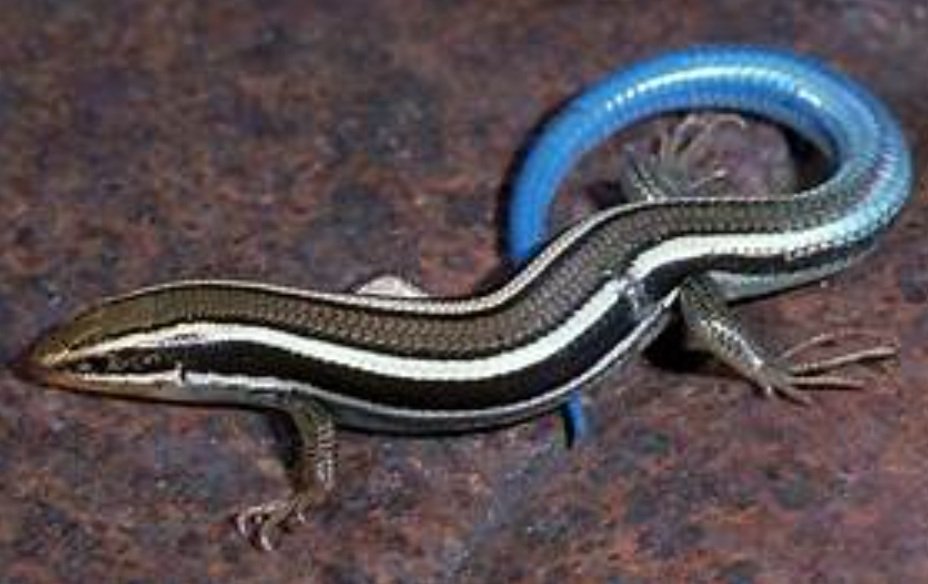
Revealing the Unusual Reproductive Methods of Skink Lizards
Learn about the viviparity reproductive strategy of skink lizards, where some species give birth to live offspring, ensuring higher survival rates and contributing to their species’ resilience.
Understanding the Ecological Importance of Skink Lizards
In their habitats, skink lizards are significant. Their primary mode of eating is insectivores, where they consume a range of minute invertebrates, including worms, spiders, and insects. Skinks help to maintain environmental balance by controlling the number of these creatures.
Additionally, bigger predators like birds, snakes, and mammals feed on skinks. Their ability to camouflage and integrate with the environment improves their chances of survival by preventing discovery.
FAQ (Frequently Asked Questions) about Skink Lizard
Q: What is a Skink Lizard?
Ans: Skink Lizards are a diverse group of reptiles belonging to the family Scincidae. These lizards are characterized by their smooth, shiny scales, long bodies, and short legs. Skinks are found in a variety of habitats worldwide, including deserts, grasslands, forests, and coastal areas. Some species of skinks are known for their ability to shed their tails as a defense mechanism against predators.
Q: Where do Skink Lizards live?
Ans: Skinks can be found in a wide range of habitats across the world. Some species inhabit tropical rainforests, while others live in dry, arid regions like deserts. They are found on every continent except Antarctica, with the greatest diversity in Australia, Southeast Asia, and Africa. Skinks are often found in burrows, under rocks, or in leaf litter, where they can stay cool and protected from predators.
Q: What do Skink Lizards eat?
Ans: Skinks are generally insectivores, meaning their diet consists mainly of insects and other invertebrates such as crickets, beetles, and worms. Larger skinks may also eat small vertebrates like rodents or other reptiles. Some skinks are omnivorous and will also consume fruits, plants, and seeds, depending on the species and available food sources.
Q: How big do Skink Lizards get?
Ans: Skink Lizards vary greatly in size, depending on the species. Smaller species can be as short as 3 to 6 inches (7 to 15 cm), while larger species like the Grand Skink can grow up to 24 inches (60 cm) or more. The size also depends on factors such as the habitat, available food, and climate.
Q: Are Skink Lizards dangerous to humans?
Ans: No, Skink Lizards are not dangerous to humans. They are generally shy and non-aggressive creatures. While some species may bite in self-defense if threatened, their bites are usually harmless. Skinks are not venomous and are not known to pose any significant danger to people. They are more likely to flee from humans than to engage in any form of aggression.
Q: How do Skink Lizards defend themselves?
Ans: Skinks have several defense mechanisms to avoid predators. Many species can shed their tails when caught, which distracts the predator and allows the skink to escape. The tail will often continue to twitch, giving the predator a chance to focus on the detached tail while the skink escapes. Some skinks also have the ability to camouflage themselves, blending in with their surroundings to avoid detection.
Q: What does a Skink Lizard look like?
Ans: Skinks have long, smooth bodies with short legs, and their most distinguishing feature is their shiny, overlapping scales. Their colors vary depending on the species, but many skinks have brown, gray, or greenish hues, often with stripes or patterns along their backs. Some species, like the Blue-Tongued Skink, are easily recognizable due to their vibrant blue tongues, which they display as a warning to predators.
Q: How long do Skink Lizards live?
Ans: Skinks can live anywhere from 5 to 20 years, depending on the species and whether they are kept in captivity or live in the wild. Larger species like the Blue-Tongued Skink may live up to 20 years with proper care in captivity, while smaller species generally have shorter lifespans.
Q: Can Skink Lizards be kept as pets?
Ans: Yes, many species of Skink Lizards can be kept as pets. The Blue-Tongued Skink is particularly popular in the pet trade due to its docile nature and relatively easy care. Skinks require a properly designed enclosure with suitable temperature, humidity, and lighting conditions to thrive in captivity. As with any pet, it is important to research the specific needs of the species you are interested in before acquiring one.
Q: Are Skink Lizards endangered?
Ans: Some species of Skink Lizards are considered endangered or threatened due to habitat loss, illegal pet trade, and environmental changes. Conservation efforts are being made to protect their natural habitats, particularly for species that are found only in limited geographic areas or specific ecosystems.
#SkinkLizard, #ReptilePets, #LizardCare, #BlueTonguedSkink, #ReptileEnthusiasts, #WildlifeConservation, #Herpetology, #Insectivores, #LizardFacts, #EndangeredSpecies, #SkinkSpecies, #PetLizards
Our sources and references about Skink Lizard
1: Wikipedia – Skink
2: Reptile Living World – Blue-Tongue Skink Care
3: The Spruce Pets – Blue-Tongue Skinks
4: Reptiles Magazine – Caring for Skinks