Quick Top 10 Facts about Agama Lizard
| SCIENTIFIC NAME | Agama agama |
| CLASSIFICATION | KINGDOM: Animalia PHYLUM: Chordata CLASS: Reptilia ORDER: Squamata FAMILY: Agamidae GENUS: Agama SPECIES: A. agama |
| SIZE | Length: 12–18 inches (30–45 cm) |
| HABITAT | Dry savannas, deserts, and rocky environments across sub-Saharan Africa |
| DIET | Insectivorous; primarily feeds on ants, beetles, grasshoppers, and termites |
| SPECIES | Agama lizard, also known as common agama or rainbow lizard |
| COUNTRY | Widespread in countries throughout central and western Africa |
| GESTATION PERIOD | Egg-laying species; females lay clutches of 5–7 eggs in sandy burrows |
| LIFE SPAN | Up to 10 years in captivity; shorter in the wild |
| CONSERVATION STATUS | Not Evaluated; generally common and widespread in their natural range |
Amazing Facts About Agama Lizards
1. Males display bright colors
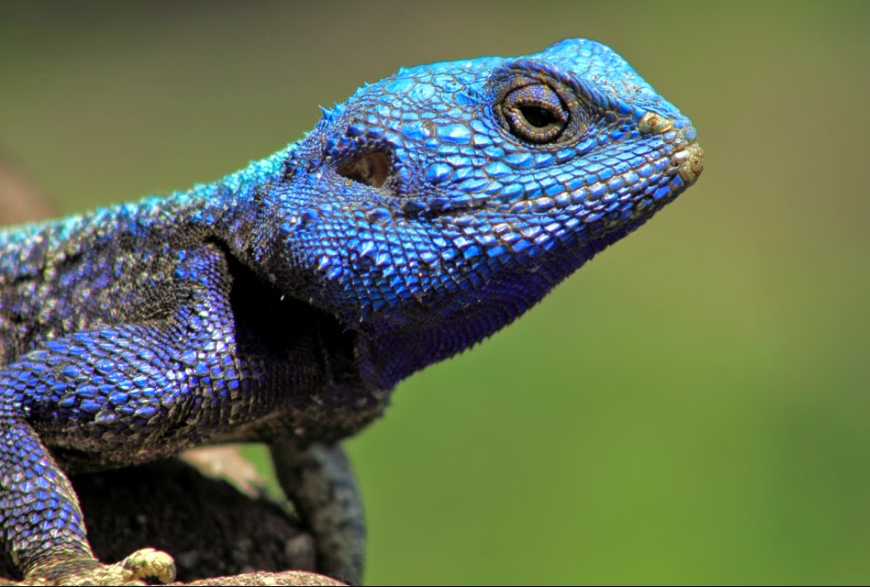
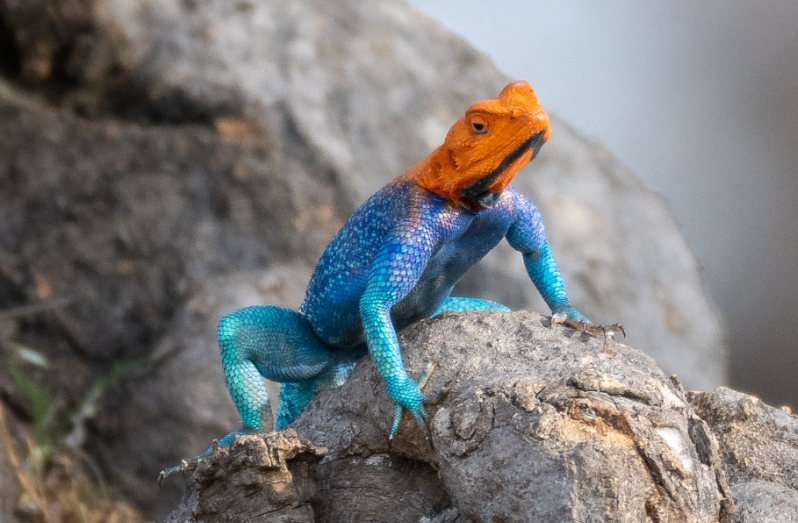
Male agamas often have vibrant blue and red or orange coloring, especially during the breeding season.
2. Excellent climbers
They are skilled climbers and often perch on rocks or walls to bask in the sun or look for prey.
3. They are territorial
Dominant males defend their territory aggressively, performing head-bobs and push-ups to warn rivals.
4. Adapted to heat
Agamas are well-suited to hot, dry environments and regulate their body temperature through sunbathing and shade.
5. Change colors
Agamas can subtly change their skin color to regulate temperature or express dominance and readiness to mate.
6. Live in groups
They often live in social groups consisting of a dominant male, several females, and subordinate males.
7. Communicate through body language
They use visual cues such as head movements and tail flicks to communicate.
8. Fast and agile
These lizards are quick runners and can dart away rapidly when threatened.
9. Important insect controllers
By feeding on insects, agamas help keep local insect populations in check.
10. Popular in the pet trade
Due to their hardiness and colorful appearance, some species of agama are kept as pets around the world.
The popularity and diversity of Agama Lizards worldwide
Fascinating animals, agamas are members of the Agamidae family. These reptiles are renowned for having distinctive morphological characteristics and vivid colours. They live in many different parts of the globe, including Australia, Asia, and Africa. Because they sleep at night and are active during the day, agamas lizards are diurnal. We will look at some fascinating facts about the Agama lizard below:
The ability to change colour and its significance in communication
The capacity to change colour is one fascinating feature of Agama lizards. Their skin has unique cells called chromatophores, which give them the ability to change how they look. Temperature, light, and mood are some of the variables that affect this colour shift. Agama lizards often exhibit vivid hues like red, orange, blue, and green, which are useful for a variety of functions, including communication, concealment, and predator attraction.
Feeding habits and hunting facts about Agama lizard
Because they are omnivores, agamas lizards eat a variety of foods. Their main food sources include insects, spiders, and other tiny invertebrates. But they also eat plants—leaves, flowers, and fruits, among other things. Their diversified diet makes sure they have all the resources they need to survive. Agama lizards can effectively catch and devour their food because of their powerful jaws and keen fangs.
Fascinating facts about the Agama lizard
Agama lizards are fascinating animals all around because of their vivid colours, capacity for colour change, and varied food. Because of their distinctive qualities, they are fascinating to study for scholars and fascinating to watch for nature lovers.
Members of the Agamidae family of reptiles, agamas lizards, are an interesting group. These lizards are well-known for their striking displays and brilliant colours.
1. Diversity of Agama Lizards Worldwide:
There are agama lizards all throughout the globe, especially in Australia, Asia, and Africa. Agama lizards come in more than 300 different species, each with unique traits and adaptations.
2. Vibrant Appearance of Agama Lizards:
The vivid colouring of Agama lizards is one of their most remarkable characteristics. Typically, males exhibit brighter shades of red, orange, blue, and green, making them more colourful than females. In addition to being aesthetically pleasing, these hues are essential for courting and territorial displays.
3. Behaviour patterns of Agama Lizards:
Agama lizards are very protective animals. Males often put on spectacular shows to keep other males out of their territory. These gestures include blowing up the neck, head bobbing, and push-ups. These actions are used to establish control and get attention from women.
4. Diet and Feeding Habits of Agama Lizards:
Being omnivores, agamas lizards consume both tiny animals and vegetation. Typically, they eat flowers, fruits, leaves, tiny animals, spiders, and insects. They are able to get the nutrients they need to survive thanks to this diversified diet.
5. Unique adaptations that help them survive in their habitats:
Agama lizards are able to flourish in their surroundings due to a variety of adaptations. Certain species can easily scale buildings and trees because of their unique toe pads. Others have lengthy tails that help with agility and balance. Their ability to traverse their environment and elude predators is facilitated by these characteristics.
6. Reproductive Process of Agama Lizards:
In order to attract females, male agamid lizards engage in complex courting rituals. Females bury their eggs in a ground-dug nest after mating. Different species lay different numbers of eggs; some lay a few, while others lay hundreds.
7. Habitat and Distribution of Agama Lizards:
Agama lizards may be found in a variety of environments, including rocky places, meadows, woodlands, and deserts. They are very versatile animals that live in both humid and desert climates. Their vast range is partly due to their tolerance of many environments and temperatures.
8. Unique dietary requirements or adaptations:
Larger reptiles, snakes, and raptors are among the agama lizards’ natural predators. They depend on their mobility and camouflage to defend themselves. They could attempt to flee or hide amid plants and rocks if they feel threatened.
9. Duration of Life of Agama Lizards:
The species and environmental factors that affect an Agama lizard’s lifetime vary. They may survive in the wild for five to ten years on average. Some species, however, may live even longer in captivity if given the right care.
10. Conservation status of Agama Lizards:
Even though many Agama Lizard species are not presently listed as endangered, habitat destruction and the illicit pet trade are posing dangers to certain populations. It’s critical to maintain their natural habitats and to oppose the poaching and trading of these exquisite animals.
Agama lizards are amazing reptiles distinguished by their vivid colors, aggressive nature, and variety of adaptations. Gaining knowledge about these intriguing animals may enhance our appreciation of the intricacy and beauty of the natural world.
FAQ (Frequently Asked Questions) about Agama Lizard
Q: What is an Agama Lizard?
Ans: The Agama Lizard is a group of lizards belonging to the genus *Agama*, commonly found in sub-Saharan Africa. These reptiles are known for their vibrant colors, especially during mating season when males display bright blues and oranges. They are often seen basking in the sun on rocks or walls.
Q: Where does the Agama Lizard live?
Ans: Agama Lizards are native to Africa and are found in a variety of habitats, including savannas, deserts, forests, and even urban areas. They prefer warm, dry environments and are commonly seen in open areas where they can sunbathe.
Q: What does the Agama Lizard eat?
Ans: Agama Lizards are primarily insectivorous, feeding on ants, beetles, grasshoppers, and other small insects. Some species may also consume fruits, flowers, or small vertebrates depending on availability and habitat.
Q: How big does an Agama Lizard get?
Ans: The size of an Agama Lizard can vary by species, but most adult agamas range from 12 to 18 inches (30 to 45 cm) in length, including the tail. Males are typically larger and more colorful than females.
Q: Are Agama Lizards dangerous?
Ans: No, Agama Lizards are not dangerous to humans. They are non-venomous, shy creatures that usually flee when approached. While they may bite if handled improperly, they pose no serious threat to people.
Q: How do Agama Lizards behave?
Ans: Agama Lizards are diurnal (active during the day) and are often seen basking in the sun. Males are territorial and may display head-bobbing, push-ups, and color changes to attract mates or ward off rivals. They are agile climbers and quick runners.
Q: What does the Agama Lizard look like?
Ans: Agama Lizards vary in color, but males often exhibit bright hues like blue, orange, or red, especially during breeding season. Females and juveniles are typically brown or grey. They have long tails, spiny scales, and strong limbs for climbing and running.
Q: How long do Agama Lizards live?
Ans: In the wild, Agama Lizards typically live for about 5 to 10 years. In captivity, with proper care, they may live slightly longer. Their lifespan depends on species, environment, and predation.
Q: Can you keep an Agama Lizard as a pet?
Ans: Yes, some species of Agama Lizards can be kept as pets, such as the Red-headed Agama. They require a warm, well-ventilated enclosure with access to UVB lighting, a proper diet of live insects, and regular care. It’s important to research specific needs before keeping one as a pet.
Q: Are Agama Lizards endangered?
Ans: Most species of Agama Lizards are not considered endangered and are relatively common throughout their range. However, habitat destruction and the pet trade may pose localized threats to some populations.
#AgamaLizard, #ReptileLovers, #AfricanWildlife, #ColorfulLizard, #UrbanWildlife, #LizardFacts, #NonVenomousReptiles, #AgamaCare, #NatureWatch, #Herpetology
Our sources and references about Agama Lizard
1: Wikipedia – Agama Lizard
2: Reptile Database – Agama
3: Animal Diversity Web – Agama
4: A-Z Animals – Agama Lizard