The Wolf Spider is a species of spider known for its large size and aggressive behavior. Unlike most spiders, wolf spiders do not spin webs to catch prey. Instead, they actively hunt on the ground for insects, using their speed and agility to capture their meals. They have excellent vision, which aids in their hunting style.
Quick Top 10 Facts about Wolf Spider
| SCIENTIFIC NAME | Lycosidae (Wolf Spiders) |
| CLASSIFICATION | KINGDOM: Animalia CLASS: Arachnida ORDER: Araneae FAMILY: Lycosidae PHYLUM: Arthropoda GENUS: Varies by species |
| SIZE | Body length: 0.4 to 1.4 inches (1 to 3.5 cm), with legs spanning up to 4 inches (10 cm) |
| HABITAT | Grasslands, forests, deserts, and human dwellings across the world |
| DIET | Carnivorous – Insects and other small invertebrates; known for actively hunting prey |
| SPECIES | Over 2,300 species in the family Lycosidae, including Hogna carolinensis, the largest North American wolf spider |
| COUNTRY | Worldwide – Found on every continent except Antarctica |
| GESTATION PERIOD | Eggs hatch after about 2–3 weeks; females carry egg sacs and young on their backs |
| LIFE SPAN | 1–2 years, depending on the species and environment |
| CONSERVATION STATUS | Not Evaluated – Most species are common and not currently threatened |
Facts about wolf spiders and their significance in the animal kingdom
The Lycosidae family includes the intriguing wolf spider species. The hunting prowess and unique features of these spiders are well known. We will look at a few fascinating wolf-spider facts in this post. Arachnids such as wolf spiders are widespread across the world’s habitat. Many find them terrifying because of their huge stature and shaggy bodies. Though they may have a frightening look, wolf spiders are not harmful to people and are even advantageous to have around since they help regulate the number of other insects. More facts about wolf spiders are:
Unique characteristics and behaviours of wolf spiders that make them fascinating creatures
A particular kind of spider found worldwide, mostly in deserts and temperate regions, is the wolf spider. These spiders hunt using their eight eyes, preferring to pursue their prey rather than wait for it, rather than spinning webs. In addition, they can swim well and climb with dexterity. The body hair of wolf spiders is hairy, and they have a brown, tan, or grey coloration. Wolf spiders are big, growing up to two inches in length. They hunt alone, like wolves, as opposed to in packs, like many other spider species, which is how they got their name.
Unique method of carrying their eggs on their abdomen
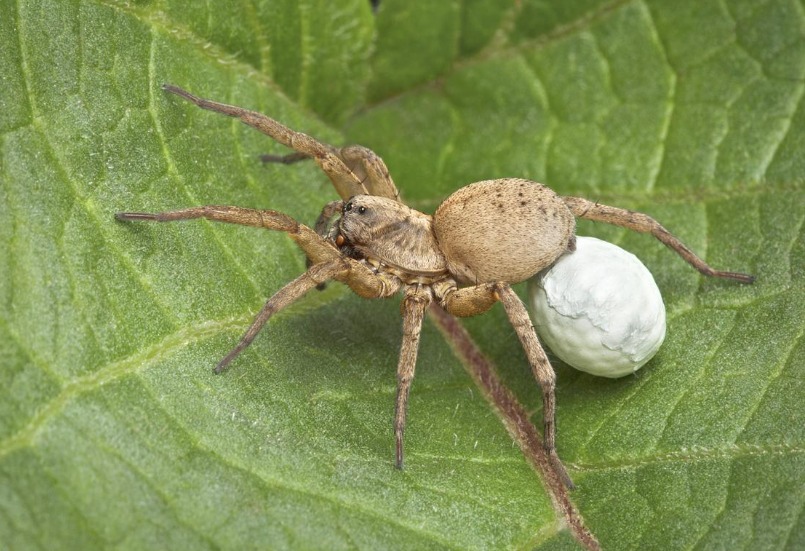
Since they spend the day hiding in cracks and the night hunting, wolf spiders are likewise nocturnal animals. With their venom, they immobilise their victims after consuming insects, spiders, and other small animals. Instead of spinning webs, they make confusion silk to confound their prey and shield their eggs and young, as well as a safety line to utilise as they climb. To ensure that their offspring have enough time to develop, female wolf spiders create an egg sac that resembles a cocoon and carry it until the eggs hatch. Due to their role in managing the number of other insects, wolf spiders are both environmentally friendly and safe for people.
Hunting techniques and prey-finding facts about wolf spiders
Not like other spiders, wolf spiders do not spin webs, which is an unusual feature about them. They pursue their prey on foot in order to hunt for it instead. They can follow their prey using their great sense of smell in addition to having superb vision. The females of wolf spiders carry their eggs and young on their backs until they are mature enough to take care of themselves, which is another unique aspect of their parenting technique.
Hunting techniques, life cycle, and diverse species of Wolf Spiders
These spiders are renowned for their extraordinary physical attributes and unusual hunting strategies. Wolf spiders don’t construct webs to capture prey, in contrast to other spider species. Rather, they pursue and apprehend their prey by using their exceptional vision and dexterity. They are strong and have long legs, making them ideal for this kind of hunting. Wolf spiders may be found all over the globe in a variety of environments, such as deserts, grasslands, and woodlands. Because of their great adaptability, they may flourish in a variety of settings. Usually solitary creatures, these spiders want to live and hunt by themselves. But male wolf spiders may go out in quest of a female companion during mating season. The fact that wolf spiders transport their eggs is an intriguing feature about them. The wolf spider’s female forms a silk sac that she affixes to her abdomen. The female holds this sac, which is filled with hundreds of eggs, until the eggs hatch. The spiderlings’ survival is guaranteed by this unusual behavior, which also offers them safety throughout their early existence.
Physical appearance, size, coloration, and distinctive facts about wolf spiders
Wolf spiders come in several species, each with its own set of unique traits. While several species may blend in with their environment via camouflage, others can be identified as toxic by their vivid patterns. Wolf spiders are diverse creatures, but they all have one thing in common: they are expert hunters who are vital to the ecosystem’s survival.
1. Appearance
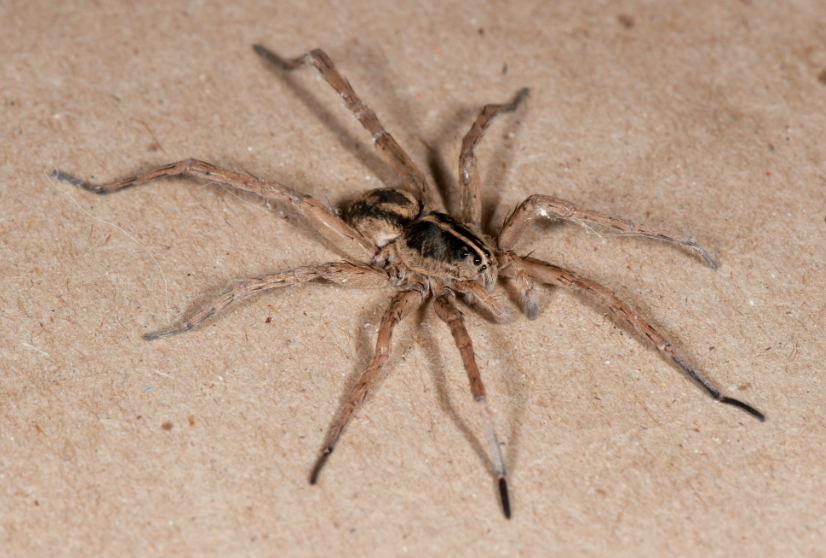
In addition to having distinctive markings on their bodies, wolf spiders are often brown, grey, or black in colour. With four eyes in the central row, their eight eyes are organised in three rows. Due to their configuration, they are effective hunters with a broad field of view.
2. Quantity
Although they may range in size from 1 to 1.5 inches, wolf spiders are generally rather small. Most of the time, females are bigger than men. The fearsome wolf spider is not thought to be harmful to people and is not likely to bite unless provoked, despite its size.
3. The Way Someone Hunts
Wolf spiders hunt on the go, in contrast to most other spiders that construct webs to capture their victims. To find and apprehend their prey, they depend on their keen vision and quickness. Strong legs enable these spiders to strike their prey with quickness and accuracy.
4. Environment
There are wolf spiders on every continent, including deserts, meadows, woods, and even urban areas. In order to have shelter and protection, they would rather reside in burrows or behind logs and rocks. Instead of forming colonies, these spiders are solitary individuals.
5. Offspring
A silken bag that they carry contains the eggs deposited by female wolf spiders. Upon hatching, the spiderlings clamber onto their mother’s back and remain there until they reach a size that allows them to go out independently. This conduct guarantees the spiderlings’ survival and safety.
6. Toxins
Although wolves are known to carry venom, people are not thought to be at risk from this venom. Though significant medical problems are uncommon, their bites may cause considerable pain, akin to a bee sting. Whenever possible, it is preferable to seek medical assistance if bitten by a spider, since different people may respond differently to these bites.
7. Relevance of Ecosystems
A crucial role in managing insect populations is played by wolf spiders. Mosquitoes, flies, and other pests that may be dangerous to people and agriculture are among the many insects they eat. Wolf spiders contribute to the equilibrium of ecosystems by regulating these populations.
8. Capability to Jump
Wolf spiders are not able to leap, despite common misconceptions. They are swift and nimble, but instead of leaping to get their prey, they use their sprinting and hunting abilities.
FAQ (frequently asked questions) about Wolf Spider
Q: What is a Wolf Spider?
Ans: A wolf spider is a member of the Lycosidae family, known for its excellent eyesight, fast movement, and hunting abilities. Unlike many other spiders, wolf spiders do not spin webs to catch prey but instead chase and pounce on it like a wolf—hence the name.
Q: Where do Wolf Spiders live?
Ans: Wolf spiders are found all over the world in a variety of habitats, including forests, grasslands, gardens, and even deserts. They often live under rocks, leaves, or in burrows in the ground.
Q: What do Wolf Spiders eat?
Ans: Wolf spiders are carnivores and primarily feed on insects and other small invertebrates. They are agile hunters that actively chase down or ambush their prey.
Q: Are Wolf Spiders dangerous to humans?
Ans: Wolf spiders are not dangerous to humans. While they can bite if provoked, their venom is not harmful to most people and usually causes only mild irritation or swelling.
Q: How do Wolf Spiders reproduce?
Ans: After mating, the female wolf spider lays eggs and carries the egg sac attached to her spinnerets. Once the spiderlings hatch, they climb onto their mother’s back and stay there for several days before dispersing.
Q: How do Wolf Spiders defend themselves?
Ans: Wolf spiders rely on their speed and camouflage to avoid predators. If threatened, they can bite, though they prefer to flee rather than confront larger animals or humans.
Q: How long do Wolf Spiders live?
Ans: Wolf spiders typically live for about one to two years. Females usually live longer than males, especially since males often die shortly after mating.
Q: What are the physical characteristics of Wolf Spiders?
Ans: Wolf spiders have robust, hairy bodies and long legs. They usually range from 0.4 to 1.4 inches in size and have eight eyes arranged in three rows, giving them excellent vision.
Q: Do Wolf Spiders spin webs?
Ans: No, wolf spiders do not spin webs to catch prey. Instead, they are active hunters that rely on their speed and stealth to capture food. Some may create silk-lined burrows or retreats for resting and laying eggs.
Q: Are Wolf Spiders beneficial?
Ans: Yes, wolf spiders are beneficial to ecosystems and gardens because they help control pest populations by feeding on insects such as flies, crickets, and beetles.
#WolfSpider, #WolfSpiders, #SpidersOfInstagram, #ArachnidLovers, #CreepyCrawlies, #InsectPhotography, #SpiderLife, #NatureLovers, #WildlifePhotography, #ArachnidWorld, #SpiderWatch, #SpiderLovers, #OutdoorExploration, #MacroPhotography, #BugLife
Our sources and references about Wolf Spiders
1: Wikipedia – Wolf Spider
2: National Geographic – Wolf Spider Facts
3: Encyclopaedia Britannica – Wolf Spider
4: Orkin – Wolf Spider Identification & Behavior