Introducing aardvark, an intriguing and unique mammal
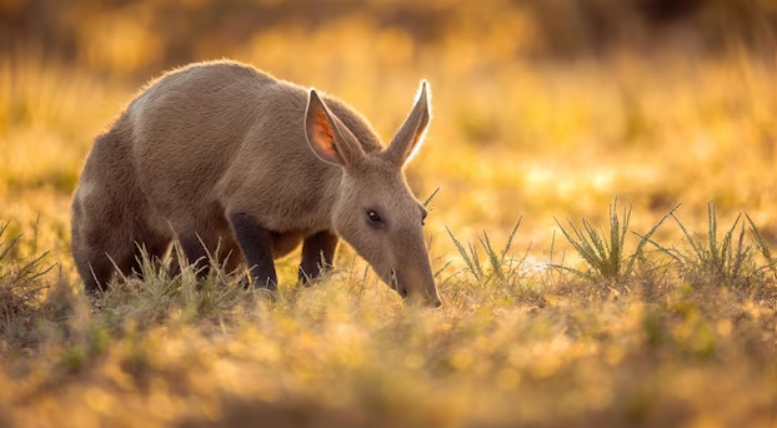
Orycteropus afer, the official name for the aardvark, is a rare species of mammal that may be found across Africa. This amazing species is well-known for its unusual look and intriguing traits. Aardvarks are strong animals with a broad skull, a long snout, and ears that resemble rabbits. Their thick and resilient greyish-brown skin shields them from predators and environmental dangers.
Quick Top 10 Facts about Aardvark
| SCIENTIFIC NAME | Orycteropus afer (Aardvark) |
| CLASSIFICATION | KINGDOM: Animalia CLASS: Mammalia ORDER: Tubulidentata FAMILY: Orycteropodidae PHYLUM: Chordata GENUS: Orycteropus |
| SIZE | Up to 1.3 meters (4.3 feet) in length, with a tail length of about 0.6 meters (2 feet), weighing between 40-65 kg (88-143 lbs) |
| HABITAT | Found in a variety of habitats, including savannas, grasslands, and forests across sub-Saharan Africa |
| DIET | Insectivorous – Primarily feeds on ants, termites, and other insects |
| SPECIES | Aardvark (*Orycteropus afer*) |
| COUNTRY | Found throughout sub-Saharan Africa, from Senegal in the west to Somalia in the east |
| GESTATION PERIOD | Approximately 7 months |
| LIFE SPAN | Up to 23 years in the wild |
| CONSERVATION STATUS | Listed as “Least Concern” (LC) by the IUCN, although habitat loss and hunting pose threats in some areas |
Aardvarks feeding habits, including their nocturnal nature
Being essentially nocturnal creatures, aardvarks are most active at night. They can detect their preferred food source, termites and ants, thanks to their superb hearing and great sense of smell. With their long, sticky tongues, aardvarks may gulp up thousands of insects in a single night. They can dig into ant hills or termite mounds with their strong claws, and their large nose allows them to detect the locations where the insects are hiding.
Unique features and adaptations of Aardvark to surroundings
Aardvarks have a peculiar look, yet they are well suited to their surroundings. When in danger, they can move astonishingly quickly because of their powerful legs. Another special protective mechanism of aardvarks is their ability to burrow themselves into the earth swiftly, exposing just their robust rear end. They can avoid lions, hyenas, and leopards because of this habit. Aardvarks may also store energy during times of food shortages because of their low body temperature and moderate metabolic rate. These amazing animals are vital contributors to the African savannah because they regulate termite and ant populations, which is how they contribute to their ecology.
Aardvark distribution across Africa and the specific countries
Living in Africa’s grasslands and savannas are amazing animals called aardvarks. These unusual mammals stand out from other animals thanks to their distinctive looks and intriguing activities. We will examine some fascinating aardvark facts below:
Size and weight of Aardvark
Given their look, the Afrikaans term “aardvark” (which means “earth pig”) seems appropriate. Aardvarks are large-headed, stocky, and have a long snout. Their tails are similar to kangaroo tails, and they have coarse fur all over them. These animals have a maximum length of 6 feet, including the tail, and a maximum weight of 180 pounds.
Aardvark’s nocturnal characteristics and features
Since they are mostly nocturnal, aardvarks are most active at night. Despite having weak vision, they make up for it with their keen sense of smell. The bulk of an aardvark’s diet consists of termites and ants, which they find via their long snouts. To catch their meal, they may stretch their sticky tongue up to 12 inches.
Aardvarks have burrowing and digging abilities
Because they are such skilled diggers, aardvarks spend a lot of time digging holes. They live in these burrows, which also shield them from predators. Aardvarks can easily dig through tough terrain because of their powerful limbs and keen claws. They are able to excavate a tunnel up to 30 feet long and 10 feet deep.
Aardvarks solitary and nocturnal behaviour
Due to their solitary nature, aardvarks prefer living by themselves. They do not protect their burrows from other aardvarks and are not territorial. They do, however, use their pungent urine to indicate their territory. Aardvarks use a variety of grunts, snorts, and hisses to communicate.
The reproductive behaviour of Aardvarks includes mating rituals and gestation periods
Aardvarks reproduce differently from other animals. The gestation period for females is around seven months, and they only give birth to one child at a time. Before going out on its own, the baby aardvark, known as a cub, spends around six months with its mother. Given that female aardvarks only have two teats, the youngster must take turns feeding from each teat.
An overview of the conservation status of Aardvarks, as determined by international organisations
According to the IUCN Red List, aardvarks are now classified as a species of least concern. Unfortunately, hunting and habitat destruction are causing their numbers to decline. Many people hunt aardvarks for their flesh and scales, which are thought to have therapeutic qualities in some cultures. They are trying to preserve their environments and spread the word about the necessity of their protection.
Interesting Facts and Myths about Aardvarks
Throughout history, aardvarks have been the focus of several stories and legends. They are connected to the spirit realm and thought to have magical abilities in various African civilizations. In certain areas, the aardvark has acquired cultural importance and mystery due to these tales.
Appreciate the fascinating world of aardvarks and support conservation efforts
Aardvarks are amazing animals with unusual habits and adaptations. They are very intriguing because of their unique look, nocturnal habit, and digging prowess. It’s critical to preserve these fascinating species’ habitats and guarantee their survival for future generations as we continue to learn more about them.
FAQ (frequently asked questions) about Aardvark
Q: What is an Aardvark?
Ans: The Aardvark (Orycteropus afer) is a nocturnal mammal native to Africa, known for its long ears, burrowing habits, and diet of ants and termites.
Q: Where do Aardvarks live?
Ans: Aardvarks are found throughout sub-Saharan Africa, living in savannas, grasslands, and open woodlands, where they can dig burrows to sleep and forage.
Q: What do Aardvarks eat?
Ans: Aardvarks are insectivores, primarily feeding on ants and termites. They use their strong claws to dig into termite mounds and anthills to access their food.
Q: How do Aardvarks defend themselves?
Ans: Aardvarks defend themselves by digging quickly to escape predators, and their tough skin and sharp claws help them when facing threats.
Q: How do Aardvarks reproduce?
Ans: Aardvarks give birth to a single offspring after a gestation period of about 7 months. The young Aardvark stays with the mother until it is old enough to fend for itself.
Q: Are Aardvarks nocturnal?
Ans: Yes, Aardvarks are nocturnal creatures, typically coming out at night to forage for ants and termites and avoiding the heat of the day.
Q: How long do Aardvarks live?
Ans: Aardvarks typically live 10 to 23 years in the wild, depending on environmental conditions and the presence of predators.
Q: What are the characteristics of Aardvarks?
Ans: Aardvarks have a distinct appearance with a long snout, large ears, strong claws, and a thick tail. They are well-adapted for digging and foraging for insects.
Q: Are Aardvarks endangered?
Ans: Aardvarks are not currently considered endangered, but they face threats from habitat loss, hunting, and human development. Their populations are generally stable but may be affected by environmental changes.
Q: Do Aardvarks live in groups?
Ans: Aardvarks are typically solitary animals, except during mating or when a mother is caring for her young. They create burrows to live in and often share these burrows with other animals.
#Aardvark, #AfricanWildlife, #NocturnalAnimals, #WildlifePhotography, #AardvarkLife, #WildAnimals, #AnimalLovers, #SavannaAnimals, #EndangeredSpecies, #NatureLovers, #WildlifeConservation, #AfricaWildlife, #UniqueAnimals, #WildlifeProtection, #AnimalKingdom
Our sources and references about Aardvark
1: Wikipedia
2: Encyclopaedia Britannica
3: National Geographic
4: World Wildlife Fund (WWF)