Quick Top 10 Facts about African Fish Eagle
| SCIENTIFIC NAME | Haliaeetus vocifer |
| CLASSIFICATION | KINGDOM: Animalia PHYLUM: Chordata CLASS: Aves ORDER: Accipitriformes FAMILY: Accipitridae GENUS: Haliaeetus SPECIES: H. vocifer |
| SIZE | Length: 23–25 inches (58–64 cm), Wingspan: 6–7 feet (1.8–2.2 meters) |
| HABITAT | Found near large bodies of open water, including lakes, rivers, and wetlands across sub-Saharan Africa |
| DIET | Carnivorous; primarily feeds on fish, but will also hunt waterfowl and small mammals |
| SPECIES | African Fish Eagle, a large bird of prey known for its distinctive call |
| COUNTRY | Native to sub-Saharan Africa, found in countries like Kenya, South Africa, and Zambia |
| GESTATION PERIOD | Eggs take about 35–45 days to hatch, with both parents involved in incubation and chick rearing |
| LIFE SPAN | Up to 20–30 years in the wild |
| CONSERVATION STATUS | Least Concern (IUCN); widespread and relatively stable population |
Amazing Facts About African Fish Eagles
1. They have a distinctive, loud call
The African Fish Eagle is known for its iconic, high-pitched call, often heard near bodies of water.
2. They are skilled hunters
These eagles are excellent at fishing and use their powerful talons to catch fish directly from the water.
3. They build large nests
They construct large, bulky nests in tall trees, often overhanging water. Some nests can be used for many years.
4. They have a powerful vision
With sharp eyesight, African Fish Eagles can spot fish from great distances while flying at high altitudes.
5. They are territorial birds
They are highly territorial and will defend their nesting areas aggressively from other birds of prey.
6. They have striking plumage
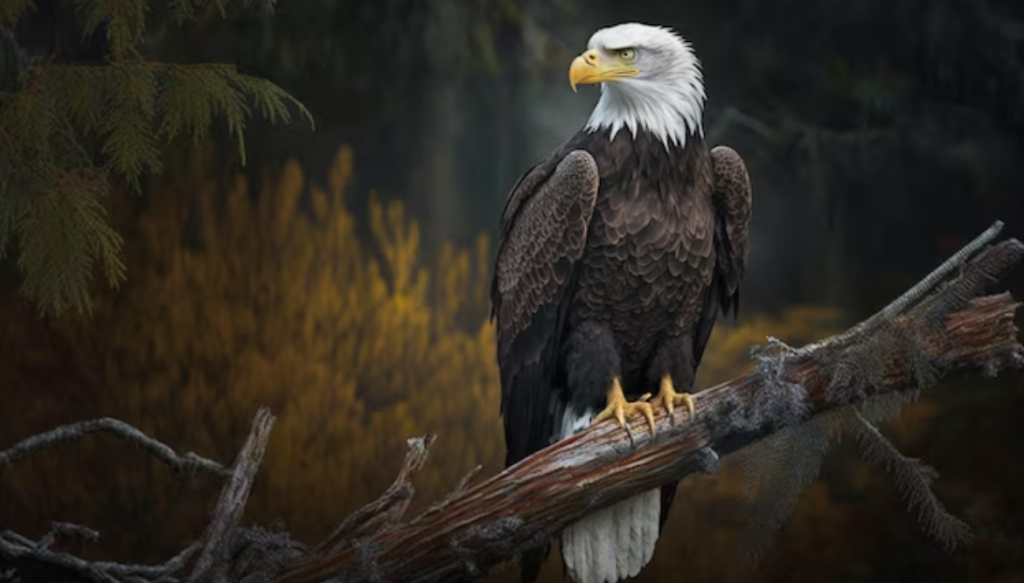
Their characteristic plumage consists of a white head and tail, dark brown body, and chestnut wings, making them easily recognizable.
7. They live in pairs
African Fish Eagles often form long-term monogamous pairs, working together to raise their young.
8. They are opportunistic feeders
While fish is their main diet, African Fish Eagles will also scavenge, hunting small mammals, waterfowl, and even stealing from other birds.
9. They play a role in ecosystems
By feeding on fish and other aquatic animals, they help maintain the balance in freshwater ecosystems.
10. Their nests are reused for generations
African Fish Eagles often reuse their nests, which can become quite large as multiple generations of eagles add to them over time.
Introducing the facts about African Fish Eagle
The African Fish Eagle is a magnificent bird that personifies the essence of the continent’s rivers. It is a cherished and revered animal due to its remarkable looks, formidable hunting abilities, and cultural importance. By gaining more knowledge about the African Fish Eagle, we can respect and preserve these amazing birds for future generations.
The scientific name and physical Characteristics
Haliaeetus vocifer, the scientific name for the magnificent African Fish Eagle, is a native of sub-Saharan Africa. Its impressive looks and formidable hunting abilities are well known. The African eagle is one of the biggest species, with a maximum wingspan of 2.4 metres.
African Fish Eagle’s distinctive features, such as the white head, brown body, and powerful hooked beak
The African Fish Eagle is mostly located close to water features, including rivers, lakes, and coastal areas. Its dark brown body and wings contrast sharply with its white head and breast. Its sharp, hooked beak and penetrating yellow eyes are ideal for its hunting methods. This eagle is recognised for its unusual scream, which is often characterised as a loud, resounding screech that reverberates over the water.
The African Fish Eagle’s primary diet, which consists mainly of fish
The African Fish Eagle, as its name implies, mostly eats fish, which it captures by diving from its perch or by flying far above the water. It can securely grab its prey because of its strong talons. This eagle can also eat other tiny creatures, including birds, reptiles, and even carrion; thus, it is not only reliant on fish for its food. Being a territorial bird, the African Fish Eagle often constructs its massive nests on tall trees close to water sources, giving it a good view of its hunting territory. It is revered as a national emblem in many African nations and is a symbol of strength and elegance in African mythology.
The African Fish Eagle is a majestic bird of prey found in Africa
Haliaeetus vocifer, often known as the African Fish Eagle, is a magnificent predatory bird that may be found in sub-Saharan Africa. The African Fish Eagle is a unique species that enthrals both nature lovers and birdwatchers with its remarkable hunting abilities and spectacular looks. We’ll look at some fascinating information about the African Fish Eagle below:
Describing the African Fish Eagle’s appearance
The African Fish Eagle is a huge bird that may reach a maximum height of two metres (6.5 feet) on its wings. Its head is white, its plumage is dark brown, and its beak is a striking yellow colour. The African Fish Eagle’s dominant appearance is enhanced by its brilliant yellow eyes.
African fish eagle characteristics and habitat
Lakes, rivers, and marshes are among the bodies of water that the African Fish Eagle often inhabits. Its principal food supply, fish, is found in abundance in these areas, which it likes. These eagles may often be seen flying over the river or perched on trees, looking for possible food.
The African Fish Eagle’s primary diet and feeding habits
The African Fish Eagle mostly eats fish, as its name implies. It captures fish from the water’s surface using its razor-sharp claws, and it can transport up to two kilos (4.4 pounds) of prey back to its nest. The African Fish Eagle may also eat small animals, reptiles, and aquatic birds in addition to fish.
African Fish Eagles vocalisations include territorial defense and communication with mates
The booming, ringing scream that the African Fish Eagle is renowned for is one of its most characteristic calls. During the mating season, this call—which is a territorial display—is commonly heard. Africa’s wildness is symbolized by the cry of the African Fish Eagle, which is often connected to the continent.
About Breeding and Reproduction of the African Fish Eagle
The African Fish Eagle constructs a large stick and branch nest close to the water’s edge during the mating season, which usually lasts from May to October. One to three eggs are laid by the female, and they take 42 to 45 days to hatch. It is a shared responsibility for the chicks’ upbringing and egg incubation.
Information on the conservation status of African Fish Eagles, highlighting any threats they face
The International Union for Conservation of Nature has designated the African Fish Eagle as a species of least concern (IUCN). Threats to the species include habitat loss, pollution, and human disturbance, much as they do for many other bird species. In order to guarantee the African Fish Eagle’s survival in the wild, efforts are being made to safeguard its habitats and populations.
Importance of conserving African fish eagles and appreciating their beauty and ecological role
In several African nations, the African Fish Eagle is significant culturally. It often appears in artwork, customary folklore, and even on national insignia. The African Fish Eagle is a symbol of strength, independence, and the beauty of the natural world due to its magnificent appearance and skill at hunting.
FAQ (Frequently Asked Questions) about African Fish Eagle
Q: What is an African Fish Eagle?
Ans: The African Fish Eagle (Haliaeetus vocifer) is a large bird of prey found across sub-Saharan Africa. It is known for its distinctive white head, dark body, and powerful, hooked beak. The African Fish Eagle primarily feeds on fish, which it catches with its sharp talons, but it also hunts birds and small mammals.
Q: Where can the African Fish Eagle be found?
Ans: The African Fish Eagle is commonly found near bodies of freshwater, including lakes, rivers, and reservoirs, throughout sub-Saharan Africa. It is particularly abundant in countries like Kenya, Tanzania, Botswana, and South Africa.
Q: What does the African Fish Eagle eat?
Ans: As its name suggests, the African Fish Eagle primarily feeds on fish. It often catches its prey by swooping down to the water’s surface, using its strong talons to grab fish. Occasionally, it may also prey on waterfowl and small mammals.
Q: How does the African Fish Eagle hunt?
Ans: The African Fish Eagle is an expert hunter, using its keen eyesight to spot fish from a great height. Once it has spotted its prey, the eagle dives from a perch to snatch the fish from the water with its sharp talons. It may also steal food from other birds.
Q: Is the African Fish Eagle endangered?
Ans: The African Fish Eagle is not currently listed as endangered. However, it faces threats from habitat loss, pollution, and overfishing in some areas. Conservation efforts are in place to protect their habitats and ensure their populations remain stable.
Q: How large is the African Fish Eagle?
Ans: The African Fish Eagle is a large bird, with a wingspan ranging from 2 to 2.5 meters (6.6 to 8.2 feet). The males are typically slightly smaller than the females, with a body length of about 63 to 75 cm (25 to 30 inches).
Q: What is the call of the African Fish Eagle like?
Ans: The African Fish Eagle is known for its distinctive, loud call that resembles a high-pitched “kleeek” or a series of ringing whistles. This call is often heard near lakes and rivers and is one of the most iconic bird calls in Africa.
Q: Does the African Fish Eagle migrate?
Ans: The African Fish Eagle is generally non-migratory, staying within its territory year-round. However, in some regions, they may move seasonally in search of better food sources or due to changes in water levels.
Q: How long does the African Fish Eagle live?
Ans: The African Fish Eagle has a relatively long lifespan for a bird of prey, living up to 20 to 30 years in the wild, depending on factors such as food availability and environmental conditions.
Q: What is the significance of the African Fish Eagle?
Ans: The African Fish Eagle is considered a symbol of power, freedom, and strength. It is a national symbol of several African countries, including Zambia, where it is depicted on the country’s coat of arms.
#AfricanFishEagle, #BirdOfPrey, #Eagle, #Wildlife, #AfricanWildlife, #BirdsOfAfrica, #FishEagle, #BirdsOfPrey, #Conservation, #WildlifeProtection, #AfricanBirds
Our sources and references about African Fish Eagle
1: Wikipedia – African Fish Eagle
2: South Africa – African Fish Eagle
3: Britannica – African Fish Eagle
4: Audubon – African Fish Eagle