Quick Top 10 Facts about Bengal Tiger
| SCIENTIFIC NAME | Panthera tigris tigris |
| CLASSIFICATION |
KINGDOM: Animalia PHYLUM: Chordata CLASS: Mammalia ORDER: Carnivora FAMILY: Felidae GENUS: Panthera |
| SIZE | Up to 3.3 meters long, and weight ranging from 180 to 260 kg |
| HABITAT | Forests, grasslands, and wetlands in the Indian subcontinent, especially in India, Bangladesh, Bhutan, and Nepal |
| DIET | Carnivorous – primarily preys on large mammals like deer, wild boar, and buffalo |
| SPECIES | Bengal Tiger (Panthera tigris tigris) – a subspecies of the tiger |
| COUNTRY | India, Bangladesh, Bhutan, and Nepal |
| GESTATION PERIOD | Approximately 93-112 days |
| LIFE SPAN | Up to 15-20 years in the wild; can live longer in captivity |
| CONSERVATION STATUS | Endangered – habitat loss, poaching, and human-wildlife conflict threaten their survival |
Amazing Facts About Bengal Tiger
1. Bengal tigers are the largest tiger subspecies
Bengal tigers are the biggest of the tiger subspecies, with males weighing up to 500 pounds and measuring over 3 meters long!
2. They are expert swimmers
Bengal tigers love water and are known to swim across rivers and lakes in their territories to hunt or explore.
3. Bengal tigers have unique stripes
No two Bengal tigers have the same stripe pattern, much like human fingerprints.
4. They are solitary animals
Bengal tigers prefer to live alone and usually only come together for mating or during the mother’s care of her cubs.
5. Bengal tigers have powerful jaws and claws
Their jaws can crush bones, and their sharp claws help them hold onto prey during the hunt.
6. They primarily hunt at night
Bengal tigers are nocturnal predators, relying on their keen sense of sight and stealth to stalk and ambush prey.
7. Bengal tigers are apex predators
As apex predators, Bengal tigers are at the top of the food chain in their habitats.
8. They communicate with scent marking
Bengal tigers use scent marking to communicate with other tigers, marking their territory and announcing their presence.
9. Bengal tigers are endangered
The Bengal tiger population is at risk due to habitat loss, poaching, and a decreasing prey base. Conservation efforts are essential to their survival.
10. Bengal tigers are an important part of the ecosystem
By controlling prey populations, Bengal tigers help maintain a balanced ecosystem in their habitat.
Origin and history of Bengal tigers
The Bengal Tiger, or Panthera tigris tigris in scientific parlance, is one of the most stunning and recognised huge creatures in the world.
The Indian subcontinent, which includes Bangladesh, Bhutan, Nepal, and India, is home to the majority of it. With its vivid orange coat and black stripes, the Bengal Tiger is an amazing animal to see.
Size and weight of Bengal tigers
This remarkable beast is widely recognised for its incredible strength and agility. It is the largest subspecies of tiger and may grow to a maximum length of 10 feet (3 metres), including the tail, and a maximum weight of 500 pounds (227 kilogrammes). With its strong body and sharp claws, the Bengal Tiger is an expert hunter that can take down large animals such as deer, wild boar, and even water buffalo.
Hunting techniques and strategies of Bengal tigers
The Bengal tiger is a solitary feline that enjoys hunting and exploring its own territory. This is a territorial species, with males having larger territories that overlap with several female areas. These regions are marked with smell and roaring markers to designate their boundaries. Despite living in isolation, Bengal tigers have been seen to engage in social behaviours like grooming and playing with other tigers.
Threats to Bengal tigers and Conservation efforts to protect them
The Bengal Tiger is classified as endangered by the International Union for Conservation of Nature (IUCN), which means that conservation efforts are crucial to the survival of the species. The main threats to their population are human-animal conflict, habitat degradation, and poaching for their skin and other body parts. Many organisations and nations are working together to conserve this incredible species’ habitats, establish protected areas, and combat illegal wildlife trafficking in order to ensure its long-term existence.
Importance of coexistence and conservation of Bengal tigers
The Bengal Tiger is very important from a cultural and religious standpoint in the places where it is found. It is often seen as a symbol of power, beauty, and strength. It is the national animal of India and may be found in mythology, literature, and other creative forms. Conservation efforts for Bengal Tigers aim not just to safeguard the species but also to preserve its rich cultural heritage.
Call to action for supporting conservation efforts for Bengal tigers
Magnificent and mesmerising Bengal tiger is a representation of the strength and beauty of the natural world. But because of the danger to their existence, action must be taken to protect them. We can help ensure that this amazing species is there for future generations by spreading awareness and encouraging conservation initiatives.
Fascinating facts about Bengal tigers
One of the most stunning and well-known large cats in the world is the Bengal Tiger, or Panthera tigris tigris in scientific parlance. The Bengal Tiger, which is indigenous to the Indian subcontinent, is renowned for both its formidable presence and remarkable look.
Unique features such as stripes and coloration
One of the biggest big cats in the world and the largest member of the tiger species is the Bengal Tiger. Male adults may grow to a maximum length of 10 feet (3 metres) and weigh 400–550 pounds (180–250 kg). The females are somewhat smaller, with a length of around 8 to 9 feet (2.5 to 2.7 metres) and a weight of about 220 to 350 pounds (100 to 160 kilogrammes).
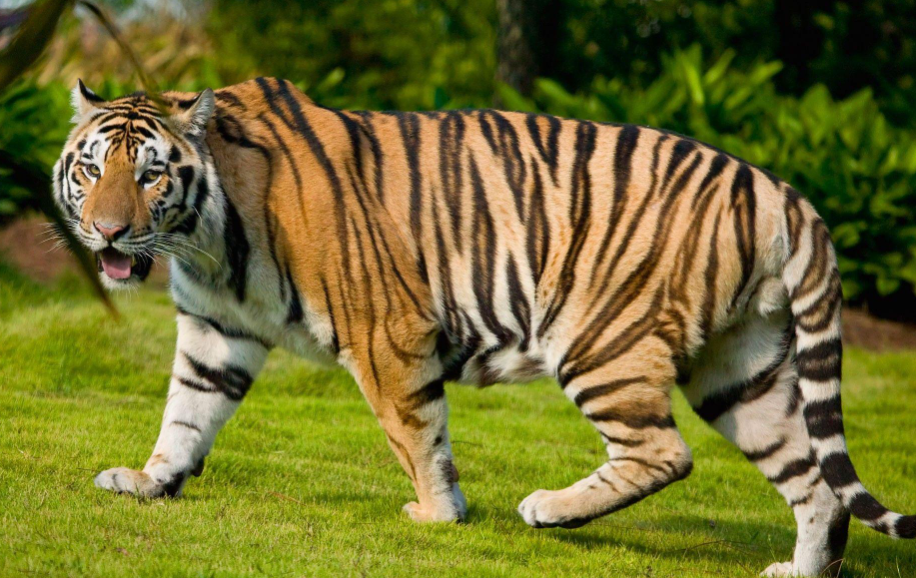
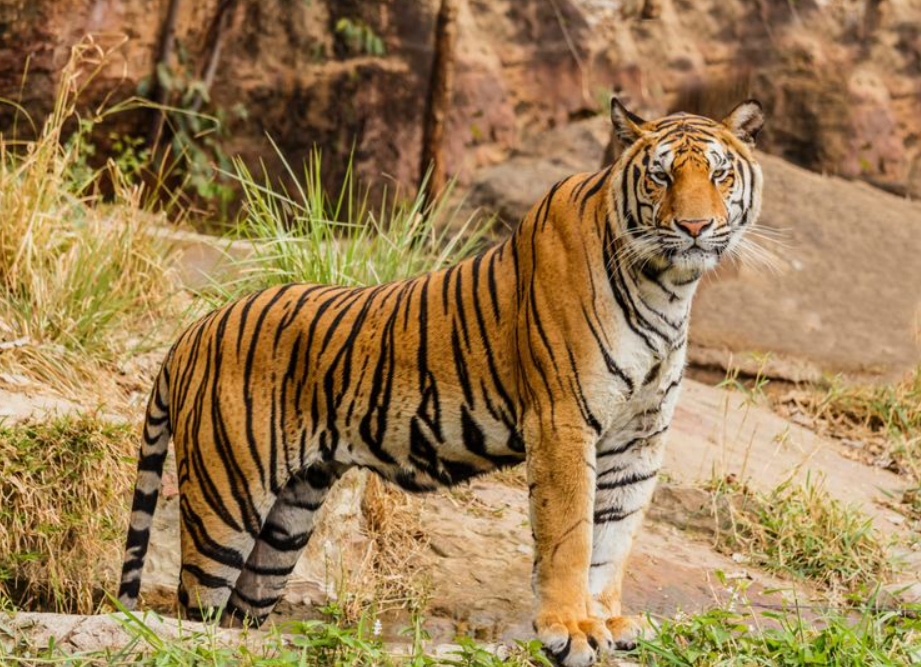
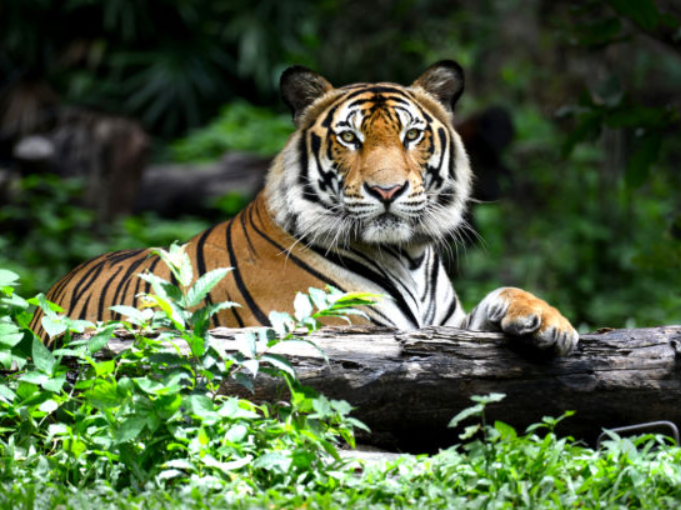
The stunning coat of the Bengal tiger is one of its most distinguishing characteristics. In the thick woodlands and grasslands where they live, their reddish-orange fur with black stripes provides great concealment. Every tiger is different from the others since no two have the same pattern of stripes.
Habitat and Distribution: Preferred habitats of Bengal tiger
The main habitats of the Bengal Tiger are Bangladesh, Bhutan, India, and Myanmar. They live in a variety of environments, including tropical rainforests, grasslands, and mangrove swamps. Because of their extreme adaptability, these tigers can live happily in both broad grasslands and dense woods.
However, throughout time, their number has drastically decreased as a result of habitat degradation and poaching. In order to preserve their native habitats and stop additional population decreases, conservation initiatives are being taken.
Eating habits and hunting: What Bengal tigers eat
As carnivores, Bengal tigers mostly consume big ungulates like buffalo, deer, and wild boar. They hunt alone and are quite skilled at ambushing and stalking their prey. They are able to take down much bigger creatures with their strong muscles and razor-sharp claws.
Because of their exceptional agility and stealth, these tigers are renowned for their ability to glide quietly through thick jungle and surprise their victims. They hunt with around a 50% success rate, which makes them very effective predators.
Conduct and social organisation: Communication methods and social interactions
Being solitary creatures, Bengal tigers want to live and hunt by themselves. They are a territorial species that uses scent markers and tree scratch marks to demarcate its territory. Depending on the quantity of resources and prey available, their area may vary in size.
The broader territories of male tigers overlap with those of many female tigers. Particularly during the mating season, they ferociously protect their territory from rival males. Until they are mature enough to go out on their own, female tigers raise their cubs in isolated dens and provide them with food and safety.
Status of Conservation: Threats to Bengal tigers
The International Union for Conservation of Nature has designated the Bengal Tiger as endangered (IUCN). Loss of habitat, poaching for their body parts and skin, and conflicts between humans and animals are the greatest dangers to their existence.
Governments and conservation groups are collaborating to preserve the Bengal Tiger and its natural habitat. Their population has stabilised as a consequence of measures like the creation of protected areas, anti-poaching patrols, and community-based conservation projects.
FAQ (Frequently Asked Questions) about Bengal Tiger
Q: What is a Bengal Tiger?
Ans: The Bengal Tiger (Panthera tigris tigris) is a subspecies of tiger found primarily in the Indian subcontinent. It is the most numerous of all tiger subspecies, known for its distinct orange coat with black stripes. The Bengal Tiger is considered the national animal of India.
Q: Where can Bengal Tigers be found?
Ans: Bengal Tigers are primarily found in India, but they also inhabit parts of Bangladesh, Nepal, Bhutan, and Myanmar. They are typically found in forests, grasslands, and mangrove swamps, and they prefer areas near water sources such as rivers and lakes.
Q: How big are Bengal Tigers?
Ans: Bengal Tigers are one of the largest tiger subspecies. Males can weigh between 400 to 500 pounds (180 to 230 kg) and measure 8 to 10 feet (2.4 to 3 meters) in length, including the tail. Females are smaller, typically weighing between 220 to 350 pounds (100 to 160 kg).
Q: What do Bengal Tigers eat?
Ans: Bengal Tigers are carnivores and primarily hunt large prey such as deer, wild boar, and buffalo. They are also known to prey on smaller animals like rabbits, monkeys, and birds. Tigers are apex predators and rely on stealth and strength to ambush their prey.
Q: Are Bengal Tigers endangered?
Ans: Yes, Bengal Tigers are classified as endangered by the International Union for Conservation of Nature (IUCN). Habitat loss, poaching for their fur, bones, and other body parts, and human-wildlife conflict have severely reduced their population. There are an estimated 2,500 Bengal Tigers left in the wild.
Q: How long do Bengal Tigers live?
Ans: In the wild, Bengal Tigers typically live around 10 to 15 years. In captivity, they can live longer, often reaching 20 years, due to better access to food and medical care.
Q: How do Bengal Tigers hunt?
Ans: Bengal Tigers are solitary hunters. They rely on their exceptional strength, agility, and stealth to stalk their prey. Tigers usually hunt at night and use the cover of tall grass or dense forests to get close to their prey before launching a powerful attack.
Q: Are Bengal Tigers solitary animals?
Ans: Yes, Bengal Tigers are solitary by nature. They are territorial and typically live alone, with each tiger maintaining a large home range. Males and females come together only for mating, and mothers raise their cubs alone.
Q: How many Bengal Tigers are left in the wild?
Ans: The population of Bengal Tigers is estimated to be around 2,500 individuals, and they remain critically endangered due to habitat destruction and poaching. Conservation efforts are ongoing to protect their habitats and prevent further decline in their population.
Q: What is being done to conserve Bengal Tigers?
Ans: Several conservation programs focus on protecting Bengal Tigers. Efforts include establishing protected reserves and national parks, anti-poaching initiatives, and promoting human-tiger coexistence. Organizations like the World Wildlife Fund (WWF) and the Indian government have been working to create safe habitats for tigers and reduce human-wildlife conflict.
#BengalTiger #SaveTheTiger #WildlifeConservation #TigerConservation #EndangeredSpecies #IndianWildlife #WildlifeProtection #ApexPredator #Tigers #ConserveWildlife #WildlifePhotography #PantheraTigrisTigris
Our sources and references about Bengal Tiger
1: Wikipedia – Bengal Tiger
2: World Wildlife Fund – Bengal Tiger
3: Save the Tiger – Tiger Conservation
4: National Geographic – Bengal Tiger