Quick Top 10 Facts about Bobolink Bird
| SCIENTIFIC NAME | Dolichonyx oryzivorus |
| CLASSIFICATION |
KINGDOM: Animalia PHYLUM: Chordata CLASS: Aves ORDER: Passeriformes FAMILY: Icteridae GENUS: Dolichonyx SPECIES: D. oryzivorus |
| SIZE | Length: 19-23 cm (7.5-9 inches), Wingspan: 32-38 cm (12.5-15 inches) |
| HABITAT | Grasslands, meadows, agricultural fields, and open prairies |
| DIET | Primarily seeds and insects, particularly during the breeding season |
| SPECIES | Bobolink is the only species in the genus Dolichonyx |
| COUNTRY | Native to North America, migrating to South America in winter |
| GESTATION PERIOD | Eggs incubate for about 11-13 days before hatching |
| LIFE SPAN | Average life span: 3-5 years, though many do not survive their first year |
| CONSERVATION STATUS | Considered to be of “Least Concern” but populations are declining due to habitat loss |
Amazing Facts About Bobolink Bird
1. Bobolinks are known for their beautiful song
Male Bobolinks sing a distinctive song, often described as a series of bubbling, musical phrases, which they use to attract mates and defend territory.
2. Bobolinks are migratory birds
Bobolinks breed in North America and migrate to South America for the winter, traveling across large distances.
3. Male Bobolinks are strikingly different from females
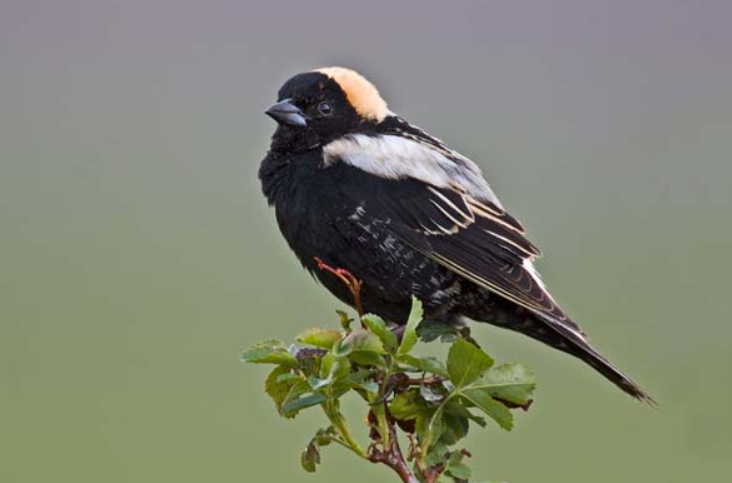
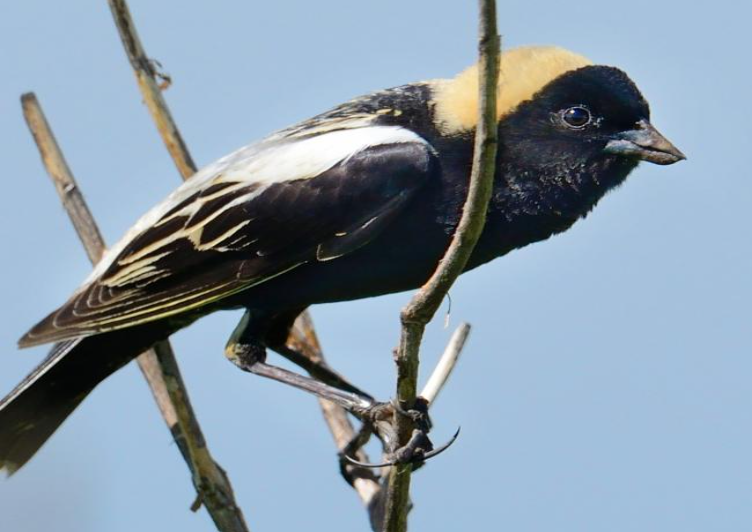
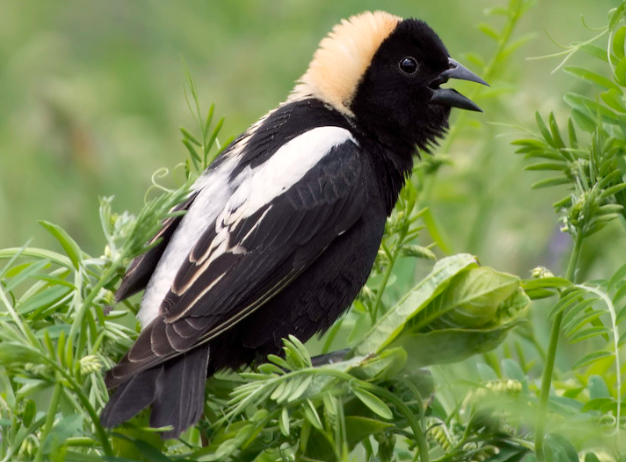
During the breeding season, males have a unique black-and-white plumage with a yellow patch on the back of their neck, while females are more muted in color, with brown streaks.
4. Bobolinks play a role in controlling insect populations
While they primarily feed on seeds, Bobolinks also eat insects, helping to regulate insect populations in their habitats.
5. They are one of the few birds that can be found in both grasslands and wetlands
Bobolinks are adaptable and can be found in a variety of habitats, from grasslands to wet meadows, making them versatile birds.
6. Bobolinks are often considered a symbol of spring
Their return to the northern U.S. and Canada marks the beginning of the warmer seasons, making them a symbol of spring’s arrival.
7. They are great for seed dispersal
As they consume seeds, Bobolinks help spread them, contributing to the growth of plants in new areas.
8. Bobolinks are skilled fliers
They are known for their aerial acrobatics, and their long migrations show their incredible endurance and flying skills.
9. Bobolinks are often hard to spot
Because they spend much of their time in tall grass or dense vegetation, Bobolinks are often difficult to spot, even though they are quite common in their habitats.
10. Their populations are in decline
Due to habitat destruction, especially the draining of wetlands and the loss of grasslands, Bobolink populations have been declining in recent years.
Introduction to bobolink bird and its significance in the avian world
Dolichonyx oryzivorus, often called bobolinks, is a little blackbird family member that migrates. Mostly prevalent in North America, they travel to South America in the winter and breed in the northern parts of the continent. Bobolinks are amazing birds that attract both nature lovers and birdwatchers. They are an appreciated component of the avian biodiversity of North America because of their unusual look, amazing migrations, and beautiful songs.
Unique characteristics and behaviours of bobolink Bird
These birds’ remarkable look is further enhanced by the unusual black and white plumage that the males of the species show during the mating season. The black head and back of the males contrast with their white underparts and rump. The hue of the females is more subdued and brownish.
Breeding season vocalizations of bobolink Bird
You may hear the beautiful voices of the really talented singers, the Bobolinks, during the breeding season. In their complex song repertoire, they can generate a broad variety of trills, warbles, and whistles. They lure prospective mates with their songs and defend their territory with them.
Bobolink courtship displays and nest-building habits
One interesting thing about bobolinks is their unique breeding pattern. Unlike many other bird species, they prefer to make their nests on the ground in grasslands or open meadows. The female builds a cup-shaped nest and lays her eggs within it among the greenery. Because of the way they nest, they are vulnerable to habitat degradation and agricultural operations.
Remarkable migration journey of bobolink Bird
Another interesting aspect is the long-distance migration of bobolinks. They make the incredible voyage of flying hundreds of miles each year from their breeding habitats in North America to their wintering grounds in South America. This migration, which is essential to their existence, allows them to locate suitable habitats and food sources throughout the year.
Diet and feeding patterns of bobolink Bird
Bobolinks are omnivorous birds that eat a variety of seeds, grains, and insects. During the mating season, they mostly consume insects to fulfil their high energy demands for rearing their young. During the winter, their diet shifts to include easier-to-get grains and seeds.
Protection and Conservation status of bobolink Bird
Because bobolink numbers have been dropping recently, conservation activities are essential to the species’ future. Changes in agricultural methods, the use of pesticides, and the lack of appropriate breeding habitats have all been blamed for their decrease. Protecting and restoring grasslands, together with putting into practice sustainable agricultural techniques, are necessary to ensure the long-term survival of these magnificent birds.
Fascinating facts about Bobolink Birds
North American native bobolinks are distinctive and fascinating birds. The following intriguing details concern these avian creatures:
How male and female bobolinks differ in appearance
Bobolinks are little songbirds, with a length of around 6 to 7 inches. During the mating season, the males exhibit remarkable black and white plumage, with a white back and a black patch on their necks. The females’ colouring is a more muted shade of brown, in contrast.
Migration journey of bobolinks, including the distances they cover
Bobolinks are renowned for their spectacular travels across great distances. In the summer, they reproduce in North America, and in the winter, they fly all the way to South America. This tour may go up to 12,000 kilometres in total.
Melodious songs and calls of bobolink Bird
Bobolink males are well known for their beautiful singing. They have a distinctive singing technique known as “skylarking,” in which they execute spectacular flying displays while singing above. Many people define their music as tinkling or bubbly.
Preferred habitats of the bobolink bird, such as grasslands, meadows, and prairies
The preferred environment for bobolinks is wide grasslands and meadows. These places are essential to their feeding and nesting. Regrettably, some places have seen a decrease in their population as a result of the loss of grasslands brought about by industrialization and agriculture.
Bobolink feeding techniques and preferred foraging areas
Primarily, bobolinks consume seeds, particularly in the mating season. They may forage on the ground or harvest seeds straight from plants; however, they are more interested in grass and weed seeds. They also eat insects, but only in small amounts.
Male bobolinks are polygynous birds
Because they mate with numerous females throughout the mating season, male bobolinks are polygynous. They sing and put on spectacular flying displays to mark their territory and draw in females. After selecting a partner, a female constructs a ground-level nest, like a cup, in which she deposits her eggs.
Conservation efforts to protect bobolink birds populations
The use of pesticides, changes in agricultural methods, and habitat degradation are just a few of the dangers bobolinks must contend with to survive. Their number has been decreasing as a consequence in several places. To preserve their grassland habitats and increase public awareness of the necessity for their survival, conservation initiatives are being carried out.
Cultural Significance of bobolink birds
Throughout history, writers and musicians have drawn inspiration from bobolinks. They have become a symbol of the beauty of nature because of their distinctive appearance and mesmerising melodies. They serve as a reminder of the interdependence of many ecosystems via their migratory trips.
FAQ (Frequently Asked Questions) about Bobolink Bird
Q: What is a Bobolink Bird?
Ans: The Bobolink (Dolichonyx oryzivorus) is a small migratory bird native to North America. Known for its striking black and white plumage in males during the breeding season and its melodious song, the Bobolink is often referred to as one of the most distinctive songbirds in North America.
Q: Why is the Bobolink Bird called by that name?
Ans: The name “Bobolink” comes from the bird’s distinctive call, which sounds like “bob-o-link,” referring to its melodic song. This unique vocalization is one of the reasons the bird is so easily recognized in the wild.
Q: Where do Bobolink Birds live?
Ans: Bobolinks are primarily found in the grasslands of North America, particularly in the northern United States and Canada. During the winter, they migrate to South America, making them one of the most notable long-distance migratory birds. They prefer open fields and meadows with tall grasses and sedges.
Q: What does the Bobolink Bird eat?
Ans: Bobolinks are omnivores, feeding on a diet that includes seeds, insects, and other invertebrates. During the breeding season, they often forage on the ground for insects, while in the fall, they consume grains, seeds, and berries.
Q: How does the Bobolink Bird migrate?
Ans: Bobolinks are migratory birds, traveling long distances between their breeding grounds in North America and their wintering grounds in South America. They migrate in flocks and are known for flying non-stop for long stretches of time during their journey. Their migration is one of the longest for any songbird.
Q: What does the Bobolink’s song sound like?
Ans: The Bobolink’s song is a complex, beautiful melody. Males sing to establish territory during the breeding season, often producing a series of buzzy, bubbly notes that sound like a bubbling brook. Their song can vary in pitch and rhythm but is typically loud and distinctive.
Q: Are Bobolink Birds endangered?
Ans: The Bobolink is currently listed as a species of concern in some areas due to habitat loss and changes in agricultural practices. Their natural habitat, particularly grasslands, has been increasingly converted into farmland or urbanized, leading to population declines. Conservation efforts are underway to protect their breeding grounds and habitat.
Q: How can I attract Bobolink Birds to my yard?
Ans: To attract Bobolinks to your yard, plant tall grasses and flowers that provide food and shelter. They are also attracted to fields with open areas and minimal human disturbance. If you live in their migration path, providing food sources like seeds and insects can help sustain them during their journey.
Q: How big is a Bobolink Bird?
Ans: Bobolinks are medium-sized songbirds. They typically measure around 7.5 inches (19 cm) in length and have a wingspan of 12 to 14 inches (30 to 35 cm). Males are larger than females and are known for their striking black and white plumage during the breeding season.
Q: Do Bobolink Birds have predators?
Ans: Bobolinks, like other small birds, have natural predators, including hawks, snakes, and domestic cats. However, their most significant threat comes from habitat destruction and changes in farming practices, which limit the availability of suitable nesting areas.
#Bobolink, #Songbird, #Birdwatching, #BirdLovers, #MigratoryBird, #WildlifeConservation, #BirdsOfNorthAmerica, #NorthAmericanBirds, #Birdsong, #NaturePhotography, #Birding
Our sources and references about Bobolink Bird
1: Wikipedia – Bobolink
2: All About Birds – Bobolink
3: Audubon – Bobolink
4: Nature Conservancy – Bobolink