The Boxweiler is a hybrid breed that results from crossing a Boxer and a Rottweiler. This dog is known for its strong, muscular build and loyal temperament, making it an excellent companion and protector. Boxweilers are typically intelligent and trainable, but they require consistent socialization and training from an early age to ensure they develop into well-rounded pets. Their energetic nature means they thrive in active households where they can engage in regular exercise and play.
Boxweiler Dog Scientific Classification
| SCIENTIFIC NAME | Canis lupus familiaris |
| CLASSIFICATION | KINGDOM: Animalia PHYLUM: Chordata CLASS: Mammalia ORDER: Carnivora FAMILY: Canidae GENUS: Canis |
| SIZE | 21–27 inches tall; 70–100 pounds in weight |
| HABITAT | Domestic – homes with space to play and exercise |
| DIET | High-protein dog food, lean meats, vegetables, and occasional treats |
| SPECIES | Boxweiler – a hybrid of Boxer and Rottweiler breeds |
| COUNTRY | Originated in the United States |
| GESTATION PERIOD | About 63 days |
| LIFE SPAN | 10–13 years |
| CONSERVATION STATUS | Not applicable – domesticated hybrid breed |
Boxweilers Dog Facts
1. A powerful designer dog
The Boxweiler is a mix between a Boxer and a Rottweiler, combining strength, intelligence, and loyalty.
2. They are highly protective
This breed is known for being excellent watchdogs and protective of their families.
3. Intelligent and quick to learn
With proper training and socialization, Boxweilers can learn commands quickly and perform well in obedience.
4. They need lots of exercise
Boxweilers are energetic and thrive with daily walks, play, and physical activity.
5. Very affectionate
Despite their large size and tough look, they are very affectionate with their loved ones.
6. Good with children
When socialized early, Boxweilers can be gentle and playful with kids.
7. They shed moderately
They have a short coat but do shed, so occasional grooming is needed.
8. Can be wary of strangers
Early socialization is important to reduce suspicion or aggression toward unfamiliar people or animals.
9. Great for experienced dog owners
Because of their strength and protective instincts, they do best with confident, experienced handlers.
10. Loyal and family-oriented
Boxweilers are deeply loyal and happiest when surrounded by their human pack.
Breed Overview
The Boxweiler is a hybrid dog breed created by crossing a Boxer with a Rottweiler. This unique mix produces a powerful and versatile companion known for strength, loyalty, and intelligence. Often searched as a Boxer Rottweiler mix dog, the Boxweiler inherits protective instincts and athletic ability from both parent breeds, making it a dependable working dog and family companion.
Physical Traits
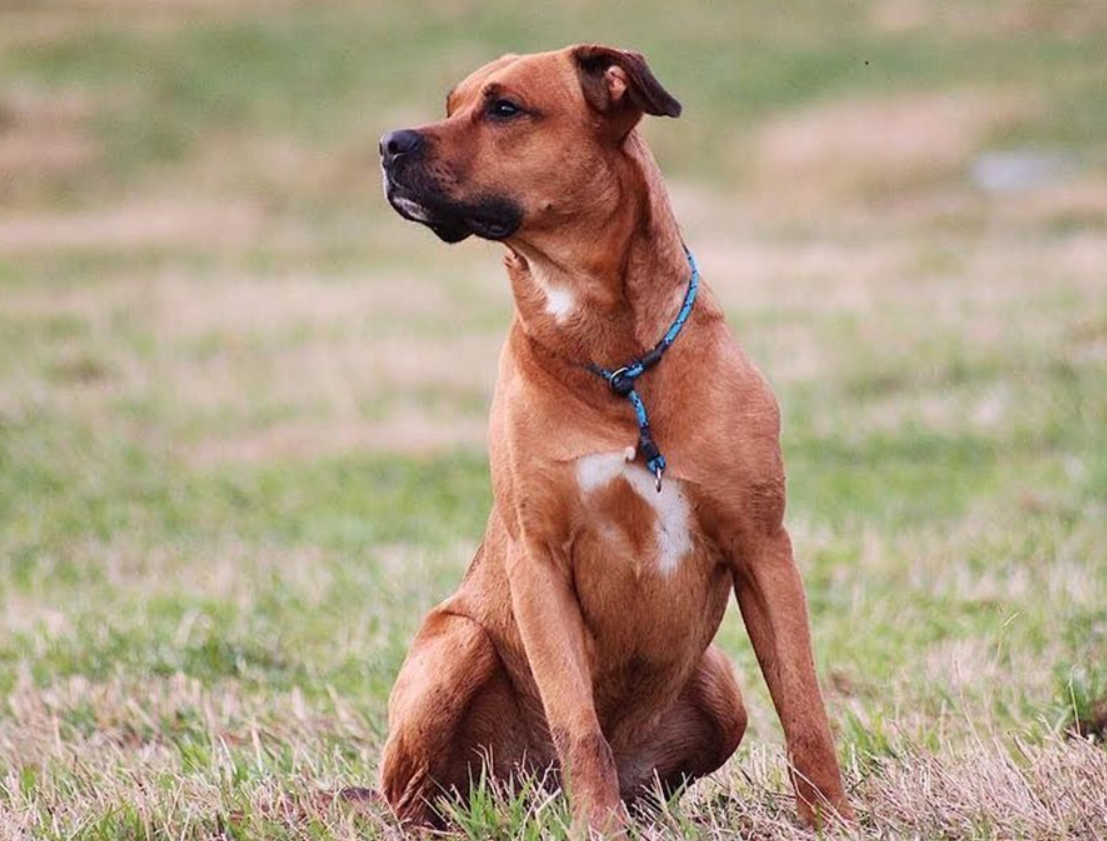
The Boxweiler is well known for its muscular build, broad chest, and athletic frame. This large hybrid dog typically has medium-sized ears that may be floppy or semi-upright, along with a broad head and strong jawline. Its short, dense coat provides insulation and protection in various climates, contributing to its reputation as a strong and muscular guard dog breed.
Temperament Traits
Boxweilers are recognised for their intelligent, loyal, and protective temperament. As a family-friendly protective dog, they often bond closely with their owners and show affection toward children. Early socialisation and obedience training are essential to ensure balanced behaviour and to prevent excessive guarding or territorial tendencies.
Exercise Needs
Regular physical activity is essential for maintaining a Boxweiler’s physical health and mental stability. Daily walks, structured playtime, and interactive toys help prevent boredom-related behavioural issues. This high-energy hybrid dog also benefits greatly from obedience training and mentally stimulating tasks that challenge its intelligence.

Health Concerns
Like many large dog breeds, Boxweilers may be prone to specific health conditions. Common issues include hip dysplasia, heart disease, and certain cancers. Maintaining a balanced diet, ensuring regular exercise, and scheduling routine veterinary check-ups can significantly support Boxweiler dog health and longevity.
Training Importance
The Boxweiler is a well-rounded crossbreed that thrives with consistent training and early socialisation. Combining the best traits of the Boxer and Rottweiler, this breed responds well to structured guidance. Proper training plays a vital role in shaping a confident, obedient, and well-mannered Boxweiler dog.
Pet Suitability
As a loyal and adaptable companion, the Boxweiler can be an excellent pet for experienced dog owners. This breed flourishes in environments where it receives regular attention, mental engagement, and physical activity. Prospective owners should be prepared to meet the exercise and training demands of this powerful hybrid dog breed.
Breed Facts
The Boxweiler is a hybrid dog breed resulting from the cross between a Boxer and a Rottweiler. Known for its intelligence, loyalty, and protective instincts, this mixed breed has gained popularity among owners seeking a strong yet affectionate companion.
General Appearance
Boxweilers are large, muscular dogs with a solid build and commanding presence. They typically feature a broad head, strong muzzle, and expressive dark eyes. Their short, dense coat may appear in black, brown, brindle, or mixed colour patterns, enhancing their distinctive appearance.
Temperament Traits
This breed is highly loyal and protective of its family, making it a reliable watchdog. While naturally cautious around strangers, Boxweilers become gentle and affectionate pets when raised with proper socialisation. Early exposure to people and other animals helps promote balanced behaviour.
Exercise Needs
Due to their high energy levels, Boxweilers require daily physical activity to stay healthy. Activities such as long walks, agility training, and interactive games help maintain their muscular strength and prevent destructive habits.
Mental Training
Boxweilers are intelligent and eager to learn, responding well to positive reinforcement methods. Consistent leadership and structured training sessions are essential, as this breed can be strong-willed. Early obedience training helps establish good behaviour patterns.
Vet Care
Regular veterinary check-ups are vital for monitoring potential health issues common in large hybrid dogs. Preventive care, vaccinations, and a nutritious diet contribute significantly to overall Boxweiler well-being.
Social Needs
Boxweilers thrive on human companionship and social interaction. They are generally good with children and other pets when properly socialised. Due to their size and protective instincts, supervision is recommended during interactions with younger children.
Life Expectancy
The average lifespan of a Boxweiler dog ranges between 10 and 12 years. A healthy diet, consistent exercise, and quality veterinary care can help maximise their lifespan and quality of life.
Grooming Needs
Boxweilers have a short, low-maintenance coat that requires minimal grooming. Weekly brushing removes loose hair, while occasional bathing keeps the coat clean. Routine nail trimming, ear cleaning, and dental care are also essential for maintaining overall hygiene.
FAQ (Frequently Asked Questions) about Boxweiler Dog
Q: What is a Boxweiler?
Ans: The Boxweiler is a hybrid dog breed, a cross between a Boxer and a Rottweiler. Known for their strength, loyalty, and protective instincts, Boxweilers are large, intelligent dogs that make excellent family guardians and companions when properly trained and socialized.
Q: What do Boxweilers look like?
Ans: Boxweilers often inherit a muscular build from both parent breeds, with a short to medium-length coat that can be black, brown, brindle, or a mix. They typically have the strong jaw and expressive eyes of a Boxer combined with the sturdy frame of a Rottweiler.
Q: How big do Boxweilers get?
Ans: Boxweilers are large dogs. Adult males usually weigh between 70 to 100 pounds (32 to 45 kg), while females are slightly smaller. They typically stand around 21 to 27 inches (53 to 69 cm) tall at the shoulder.
Q: What is the temperament of a Boxweiler?
Ans: Boxweilers are known for being loyal, protective, and affectionate with their families. They are intelligent and eager to please but can be strong-willed. Early training and socialization are essential to ensure they are well-mannered and balanced dogs.
Q: Are Boxweilers good with children?
Ans: Yes, with proper socialization, Boxweilers can be great with children. They are affectionate and playful but should always be supervised around young kids due to their large size and strength.
Q: Do Boxweilers need a lot of exercise?
Ans: Yes, Boxweilers are high-energy dogs that need regular exercise to stay physically and mentally fit. Daily walks, playtime, and mentally stimulating activities are essential to prevent boredom and destructive behavior.
Q: Are Boxweilers easy to train?
Ans: Boxweilers are intelligent and can be trained effectively with consistency and positive reinforcement. Due to their protective instincts, early obedience training and exposure to different people and environments are recommended.
Q: Do Boxweilers shed a lot?
Ans: Boxweilers have short to medium coats that shed moderately. Weekly brushing can help control shedding and keep their coat healthy. They are relatively low-maintenance in terms of grooming.
Q: Are Boxweilers good guard dogs?
Ans: Yes, Boxweilers are naturally protective and make excellent guard dogs. They are loyal to their families and will alert and defend against intruders if necessary. However, proper training is crucial to ensure this protective nature is well-managed.
Q: How long do Boxweilers live?
Ans: The average lifespan of a Boxweiler is around 10 to 14 years. A healthy diet, regular exercise, routine vet checkups, and a loving home can help them live a long and healthy life.
#Boxweiler #BoxerRottweilerMix #LargeDogBreed #FamilyGuardDog #HybridDogs #DogTraining #DogLovers #ProtectiveDogs #EnergeticDogs #CompanionDogs
Our sources and references about Boxweiler Dog
1: Dog Breed Info – Boxweiler
2: PetGuide – Boxweiler
3: WagWalking – Boxweiler
4: Hepper – Boxweiler Dog Breed Info