Quick Top 10 Facts about Brazilian Black Tarantula
| SCIENTIFIC NAME | Grammostola pulchra |
| CLASSIFICATION | KINGDOM: Animalia PHYLUM: Arthropoda CLASS: Arachnida ORDER: Araneae FAMILY: Theraphosidae GENUS: Grammostola SPECIES: G. pulchra |
| SIZE | Leg span: 6–7 inches (15–18 cm); Body length: 2.5–3 inches (6–8 cm) |
| HABITAT | Grasslands and tropical forests of Brazil and Uruguay |
| DIET | Insectivorous; feeds on crickets, roaches, and other small invertebrates |
| SPECIES | Brazilian Black Tarantula, a docile species of tarantula known for its glossy black appearance |
| COUNTRY | Brazil, also found in parts of Uruguay |
| GESTATION PERIOD | Females lay eggs in an egg sac, which hatches after 6–8 weeks |
| LIFE SPAN | Females: up to 20 years; Males: 5–8 years |
| CONSERVATION STATUS | Not evaluated by the IUCN, but affected by habitat destruction and pet trade collection |
Amazing Facts About Brazilian Black Tarantulas
1. They are known for their calm temperament
Brazilian Black Tarantulas are among the most docile and gentle tarantula species, making them popular in the exotic pet trade.
2. They have a striking appearance
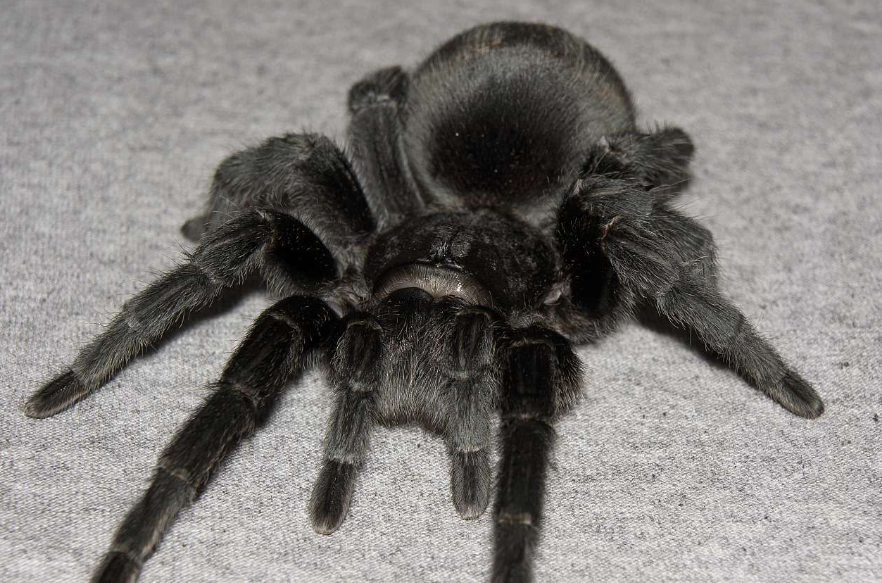
These tarantulas are easily recognizable due to their velvety, jet-black coloration.
3. Their venom is mild
While they are venomous, their bite is not dangerous to humans and is often compared to a bee sting.
4. They are burrowing spiders
In the wild, they dig burrows or use existing ones for shelter and protection.
5. They molt as they grow
Like all tarantulas, they periodically shed their exoskeleton—a process known as molting.
6. Females live significantly longer than males
Female Brazilian Black Tarantulas can live up to 20 years, while males typically live only a few years after maturity.
7. They use urticating hairs for defense
When threatened, they may flick tiny barbed hairs from their abdomen that can irritate skin or eyes.
8. They are nocturnal hunters
These spiders are most active at night, ambushing prey that comes near their burrow.
9. They are slow-moving and deliberate
Unlike some other tarantulas, Brazilian Blacks are known for their calm, unhurried movements.
10. They are relatively rare and prized
Due to their appearance and temperament, they are sought after by collectors, but grow slowly and are often hard to breed.
Intriguing facts about Brazilian Black Tarantula
The Brazilian Black Tarantula, or Grammostola pulchra, as it is scientifically known, is a rare and intriguing species of arachnid found only in Brazil. This species is highly sought after by tarantula enthusiasts and collectors because of its unique characteristics and striking appearance. It is renowned for having a jet black, silky body that gives it an elegant and classy appearance.
Unique features of the Brazilian Black Tarantula
It is believed that the Brazilian Black Tarantula belongs to the medium-sized tarantula species. Although mature females may grow up to 6 inches in length, males normally have a leg spread of around 4 inches. Although these massive tarantulas may appear intimidating, arachnophobics love them as pets because they are often calm and docile.
Average lifespan of the Brazilian Black Tarantula
Male Brazilian Black Tarantulas often live 5–7 years, but females can live 15–20 years, making them famous for having long lifespans. The majority of these tarantula species are terrestrial dwellers that construct tunnels for cover and safety in the environment. They are nocturnal creatures, so nighttime is when they are most active. Their diet consists of insects, tiny vertebrates, and sometimes other spiders.
Information about the Brazilian Black Tarantula
When the Brazilian Black Tarantula senses danger, it possesses the amazing ability to wipe irritating hairs from its abdomen. These hairs may agitate and harass potential predators as a defence tactic. Although this species of tarantula is known to have venomous fangs, the venom that bites humans is not believed to be extremely hazardous.
Conservation efforts to protect the Brazilian Black Tarantula
Conservation efforts are vital to protecting the Brazilian Black Tarantula and its natural habitat. Deforestation and the illegal pet trade pose major threats to their population. It is essential to promote sustainable practices and responsible pet ownership in order to ensure the long-term existence of this beautiful species. By raising awareness and implementing conservation actions, we can help ensure that the Brazilian Black Tarantula’s diversity and beauty are preserved for enjoyment by future generations.
Fascinating facts about Brazilian Black Tarantula
Known by its scientific name, Grammostola pulchra, the Brazilian Black Tarantula is a rare and beautiful species of tarantula that is native to Brazil. It is renowned for its captivating looks, submissive demeanour, and unique behaviours. With its amazing look and fascinating behaviours, the Brazilian Black Tarantula is a fascinating animal. We’ll look at some fascinating information about Brazilian black tarantulas below
Unique features of the Brazilian Black Tarantula
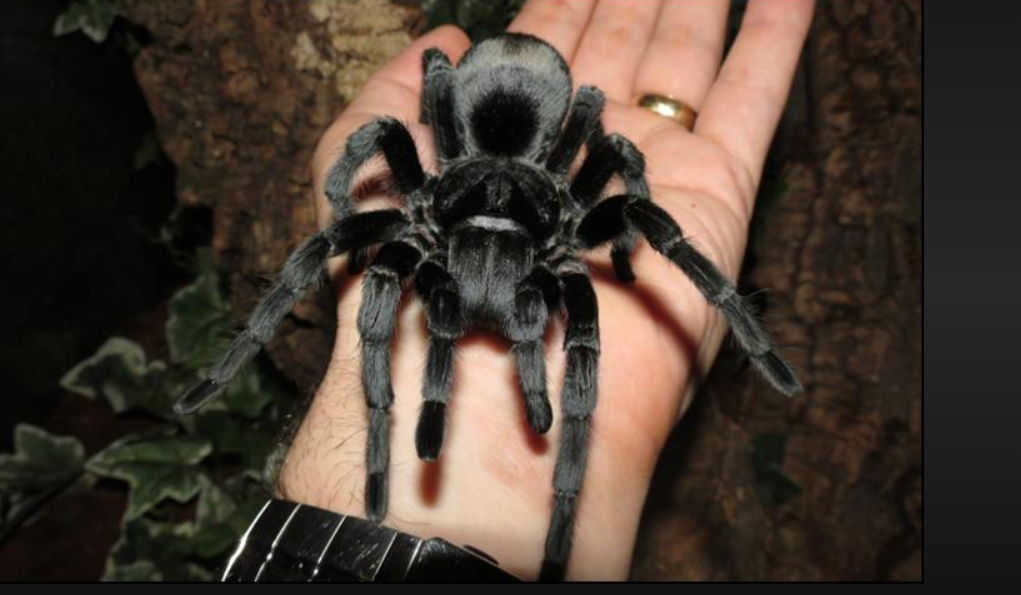
One of the world’s most beautiful tarantulas in terms of appearance is the Brazilian black tarantula. Despite its fearsome image, it is frequently docile and an intriguing pet for tarantula fans. It’s a fascinating topic of study and appreciation because of its unique qualities and capacity to adapt to many surroundings. It appears velvety because of the short, thick hairs that cover its jet-black body. The females may stretch their legs up to 6 inches (15 cm), making them typically bigger than the males.
Defense Mechanisms used by Brazilian Black
The Brazilian Black Tarantula lacks urticating hairs, which are a defensive strategy, in contrast to many other tarantula species. Instead, when it feels threatened, it uses its bulk and teeth to protect itself.
Natural habitat of the Brazilian Black Tarantula
These tarantulas are indigenous to Brazil’s tropical jungles, where they live underground in burrows. They like places with moderate temperatures and high humidity. Because it is a terrestrial species, the Brazilian Black Tarantula mostly lives on the ground rather than in trees or other high places.
Specific regions in Brazil where they are commonly found
Though their main habitat is Brazil, they may also be found in other nations like Uruguay and Paraguay.
Brazilian black tarantulas have the ability to blend into their surroundings
Brazilian black tarantulas are normally docile and quiet, despite their frightening looks. Because of their spectacular looks and peaceful demeanour, tarantula aficionados often keep them as pets.
How do Brazilian black tarantulas defend themselves when threatened?
When they feel threatened, these tarantulas may lift their front legs and show their fangs as a warning. If the danger persists, they may bite or emit stinging hairs from their stomach. They will often only bite as a last resort, and they are not naturally hostile.
Nature and behaviour of The Brazilian Black Tarantula
The Brazilian black tarantula’s capacity to regrow damaged limbs is another fascinating behaviour. In the event of an injury or amputation, a tarantula may regenerate a leg through a process known as moulting. When the tarantula loses its old one, it creates a new exoskeleton, including any missing limbs, during moulting.
Feeding schedules and suitable prey for the Brazilian Black Tarantula
As a carnivorous species, the Brazilian Black Tarantula mostly consumes insects and other tiny invertebrates. When hunting in the wild, they ambush their victims and use their teeth to inject poison into them.
balanced diet for the overall health of Brazilian Black Tarantula
They are often given live insects as pets, such as mealworms, roaches, and crickets. To make sure they get all the nutrients they need, it’s critical to provide them with a diversified diet.
Reproduction and Mating rituals of the Brazilian Black Tarantula
Like the majority of tarantulas, the Brazilian Black Tarantula has an intricate mating ritual. In order to entice the female, the male does a courting dance that includes vibrating his belly and tapping his legs on the ground. If she is willing, the female will let the male approach and mate with her.
Egg-laying behaviour in Brazilian Black tarantula females
The female will deposit eggs and make a silk sac to protect them after mating. Until the spiderlings hatch, which may take many weeks, she will watch over the sac. The spiderlings will scatter and start their own independent lives as soon as they emerge.
FAQ (Frequently Asked Questions) about Brazilian Black Tarantula
Q: What is a Brazilian Black Tarantula?
Ans: The Brazilian Black Tarantula (Grammostola pulchra) is a species of terrestrial tarantula native to Brazil. It is well-known among arachnid enthusiasts for its striking velvety black appearance, calm temperament, and suitability as a pet. Due to its docile nature and attractive color, it is one of the most popular tarantulas in the exotic pet trade.
Q: Where does the Brazilian Black Tarantula live?
Ans: In the wild, Brazilian Black Tarantulas are found in the grasslands and forests of Brazil and parts of Uruguay. They are ground-dwelling spiders that build burrows or use natural shelters under rocks and logs. They prefer warm, humid climates and are most active at night.
Q: What does the Brazilian Black Tarantula eat?
Ans: Brazilian Black Tarantulas are carnivorous and primarily feed on insects and small invertebrates. In captivity, they are commonly fed crickets, mealworms, roaches, and other feeder insects. Occasionally, larger individuals may eat small vertebrates like pinkie mice, but this is not typically necessary for their diet.
Q: How big does a Brazilian Black Tarantula get?
Ans: Adult Brazilian Black Tarantulas can reach a leg span of about 6 to 7 inches (15 to 18 cm). They are relatively large and have a sturdy, heavy-bodied appearance, which makes their black coloring even more striking and impressive.
Q: Are Brazilian Black Tarantulas dangerous?
Ans: Brazilian Black Tarantulas are not considered dangerous to humans. While they do possess venom, it is generally mild and not harmful to humans beyond a possible localized reaction. They are known for being one of the most docile tarantula species and rarely bite unless provoked or mishandled.
Q: How does the Brazilian Black Tarantula defend itself?
Ans: When threatened, the Brazilian Black Tarantula may use urticating hairs (tiny barbed hairs on its abdomen) which it kicks into the air as a defense mechanism. These hairs can irritate the skin and eyes. Biting is a last resort and is rare due to their calm demeanor.
Q: What is the temperament of a Brazilian Black Tarantula?
Ans: They are known for being extremely calm and slow-moving. This docile nature makes them ideal pets for beginners and experienced keepers alike. They tolerate gentle handling better than many other tarantula species, although handling should still be kept to a minimum for the spider’s safety.
Q: How long do Brazilian Black Tarantulas live?
Ans: Female Brazilian Black Tarantulas have a long lifespan, often living 20 years or more with proper care. Males live significantly shorter lives, typically only 5 to 7 years. Their longevity and low maintenance make them a rewarding pet for long-term keepers.
Q: Can you keep a Brazilian Black Tarantula as a pet?
Ans: Yes, they are one of the most popular tarantulas in the pet trade. They are ideal for beginners due to their calm nature, low aggression, and easy care. A simple terrarium with substrate for burrowing, a hide, and proper humidity is sufficient to keep them healthy and happy.
#BrazilianBlackTarantula, #GrammostolaPulchra, #TarantulaPet, #ArachnidCare, #ExoticPets, #SpiderLovers, #InvertebratePets, #BlackTarantula, #TarantulaFacts, #TarantulaEnthusiasts
Our sources and references about Brazilian Black Tarantula
1: Wikipedia – Grammostola pulchra
2: Theraphosidae.be – Grammostola pulchra
3: Backwater Reptiles – Brazilian Black Tarantula
4: PetMD – Brazilian Black Tarantula Care