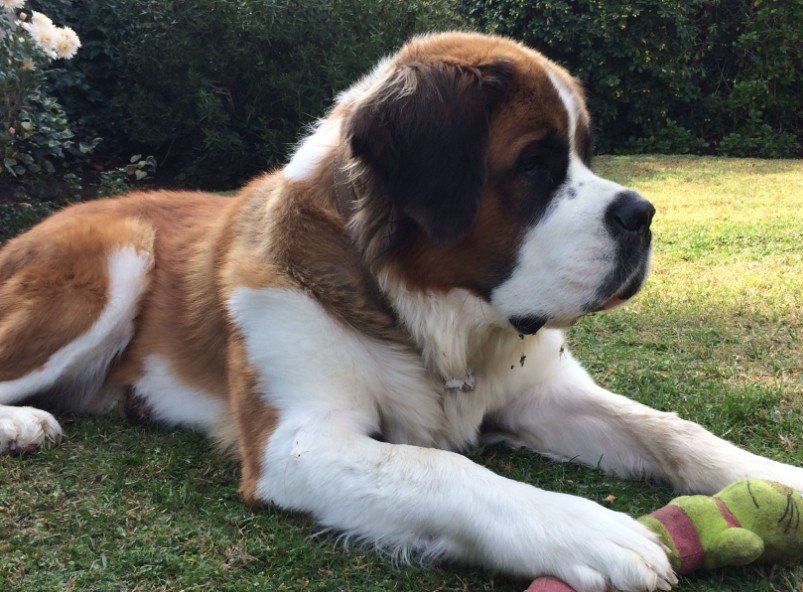
Saint Bernards are large, powerful dogs known for their gentle and loving nature. Originally bred for rescue work in the Swiss Alps, these dogs have an impressive history as lifesavers. They are famous for their calm demeanor, loyalty, and ability to adapt to family life. Though they are giants in size, they have a heart of gold and are known to be great with children and other pets. Their thick coats and large bodies help them withstand cold climates, but they also require regular care to stay healthy. Despite their size, they are gentle giants and make wonderful companions.
Quick Top 10 Facts about Saint Bernard
| SCIENTIFIC NAME | Canis lupus familiaris |
| CLASSIFICATION | KINGDOM: Animalia PHYLUM: Chordata CLASS: Mammalia ORDER: Carnivora FAMILY: Canidae GENUS: Canis SPECIES: Canis lupus familiaris |
| SIZE | Height: 26–30 inches (66–76 cm) | Weight: 120–180 pounds (54–82 kg) |
| SPECIES | Saint Bernard (Purebred) |
| APPEARANCE | Saint Bernards have a thick double coat that comes in a variety of colors, commonly including red, white, and brindle patterns. They have a broad head, expressive eyes, and a strong, muscular build. |
| LIFE SPAN | 8–10 years |
| HABITAT | Primarily indoor pets, but they thrive in homes with large yards or access to open spaces. They can adapt well to colder climates due to their thick coats. |
| DIET | High-quality dry dog food, lean meats, and vegetables. Regular portion control is essential to maintain their weight, as they are prone to obesity. |
| NATURAL PREDATORS | None (domesticated animal) |
| CONSERVATION STATUS | Not endangered. However, responsible breeding practices are essential to prevent hereditary health issues. |
Amazing Facts About Saint Bernard
1. Famous Rescue Dogs
Saint Bernards are historically known for their rescue work in the Swiss Alps. They were bred to help find and save lost travelers, often using their excellent sense of smell and strength to rescue people from dangerous conditions.
2. Gentle Giants
Despite their large size, Saint Bernards are known for their gentle and calm demeanor. They are affectionate, kind, and great with children, making them excellent family pets.
3. Strong and Muscular Build
Saint Bernards are powerful dogs with a strong, muscular build. Their size and strength helped them in rescue work, where they would carry heavy packs and assist in pulling people to safety.
4. They Love Cold Weather
With their thick, double-layered coat, Saint Bernards are well-equipped to handle cold weather. They were originally bred in the Alps, where they could work in freezing conditions without issue.
5. Great with Children
Saint Bernards are known to be exceptionally good with children. Their calm and patient nature makes them a great companion for kids, and they are very tolerant of rough handling.
6. Prone to Certain Health Issues
Due to their large size, Saint Bernards are prone to some health issues, such as hip dysplasia, heart conditions, and bloat. Regular vet visits and proper care are essential for keeping them healthy.
7. High Energy Despite Their Size
While they may appear calm, Saint Bernards need regular exercise to stay fit and healthy. Short walks, play sessions, and a yard to run in are ideal for these dogs.
8. Droolers
Saint Bernards are notorious for drooling. Their large mouths and jowls produce a significant amount of drool, so prospective owners should be prepared for this characteristic.
9. They Shed a Lot
Because of their thick double coat, Saint Bernards shed quite a bit, especially during shedding seasons. Regular brushing can help manage their shedding and keep their coats healthy.
10. A History of Working Dogs
Originally bred by monks at the St. Bernard Hospice in Switzerland, Saint Bernards were used for rescuing travelers lost in the mountains. They are part of a long history of working dogs and continue to be admired for their skills and intelligence.

Saint Bernard: The Gentle Giant of the Swiss Alps
The Saint Bernard is one of the world’s most iconic and beloved dog breeds. Renowned for its enormous size, gentle temperament, and heroic history as a rescue dog, this breed has captured the hearts of dog lovers globally. From their massive frame to their legendary Alpine rescues, the Saint Bernard epitomises loyalty, courage, and kindness.
History and Origins of the Saint Bernard
The Saint Bernard traces its origins back to the 1600s in the Swiss Alps. Monks at the Great St. Bernard Hospice bred the dogs to assist with mountain rescue operations. Located on the treacherous pass between Switzerland and Italy, the monks needed large, strong, and dependable dogs to rescue travellers stranded by avalanches, blizzards, and other hazards. These dogs would track lost individuals and sometimes carry medical supplies to the injured.
Saint Bernards gained fame for their exceptional strength, sense of direction, and ability to navigate snow-covered landscapes. Selective breeding over centuries emphasised traits such as size, stamina, and intelligence, producing dogs capable of performing demanding rescue work. By the 19th century, Saint Bernards became widely recognised across Europe for their heroic deeds, eventually spreading to the United States and other parts of the world as symbols of loyalty and courage.
Physical Characteristics of the Saint Bernard
Saint Bernards are easily recognised due to their impressive size and distinct appearance. Key traits include:
Size
Saint Bernards are among the largest dog breeds globally. Males typically weigh 140–180 pounds (63–82 kg) and females 120–140 pounds (54–63 kg). Male height reaches up to 30 inches (76 cm) at the shoulder, with females standing 26–28 inches (66–71 cm). Despite their massive size, they are known for their gentle and approachable demeanour.
Coat
The breed features a thick, double-layered coat that protects against the Alpine cold. Saint Bernards may have short or long hair, with both types offering functionality and beauty. The short coat is dense and smooth, while the long coat is soft and flowing, requiring more grooming.
Common colours include red, white, and brown, often with distinctive white markings on the chest, paws, and face. Darker facial markings create a “mask,” adding to their iconic appearance.
Head and Face
The head is broad with a square-shaped muzzle. Dark, expressive eyes give a compassionate look, while medium-sized floppy ears contribute to their affectionate expression. Despite their imposing size, their facial features convey warmth and kindness.
Tail
The Saint Bernard has a long, thick tail carried low with a gentle upward curve. It often wags in a friendly manner, reflecting the dog’s affectionate and happy disposition.
Personality and Temperament of the Saint Bernard
Saint Bernards are gentle, loving, and patient. Known as “gentle giants,” they are excellent family companions, particularly with children. Key temperament traits include:
Gentle and Calm
Saint Bernards are calm and laid-back. While they may display bursts of energy as puppies, they are generally low-key, docile, and enjoy relaxing near their family members.
Loyal and Protective
These dogs are fiercely loyal and protective, forming strong bonds with their owners. Though not aggressive, they will guard their home and family if they sense danger, while remaining gentle and composed.
Good with Children and Other Pets
Saint Bernards are patient and tolerant, making them ideal for children. Their calm nature allows them to coexist well with other pets, including cats and dogs.
Social and Friendly
They enjoy human companionship and should not be left alone for long periods. Early socialisation ensures they grow into confident, well-adjusted adults.
Exercise and Care for the Saint Bernard
Saint Bernards require moderate care and exercise due to their size. Tips include:
Exercise Needs
They benefit from daily walks and short play sessions to maintain a healthy weight. Over-exercising, particularly for puppies, can strain developing joints. Avoid intense activity in hot weather, as their thick coats make them susceptible to heat stress.
Grooming
Regular brushing prevents matting, especially for long-haired varieties. Ear cleaning is essential due to their floppy ears, which can harbour infections. Bathing should be done as needed to maintain cleanliness and coat health.
Diet and Nutrition
High-quality, balanced dog food is vital to maintain weight and prevent obesity. Portion control is important, particularly for puppies, to support healthy growth. Consult a veterinarian for specific dietary guidance.
Health Concerns and Lifespan
Common health issues include:
- Hip Dysplasia: Can cause arthritis and pain if unmanaged.
- Bloat (Gastric Dilatation-Volvulus): Life-threatening stomach condition; feed smaller, frequent meals.
- Heart Issues: Susceptible to dilated cardiomyopathy.
- Eye Problems: Prone to cataracts and progressive retinal atrophy (PRA).
The average lifespan is 8–10 years. Proper diet, exercise, and regular veterinary check-ups support long-term health.
FAQ (Frequently Asked Questions) about Saint Bernard
Q: How big do Saint Bernards get?
Ans: Saint Bernards are large dogs, typically weighing between 120 and 180 pounds and standing 26 to 30 inches tall at the shoulder.
Q: Are Saint Bernards good with children?
Ans: Yes, Saint Bernards are known for being gentle and patient with children, making them great family pets.
Q: How long do Saint Bernards live?
Ans: The average lifespan of a Saint Bernard is between 8 and 10 years, although they can live longer with proper care.
Q: Are Saint Bernards good working dogs?
Ans: Yes, Saint Bernards were originally bred for rescue work in the Swiss Alps. They are intelligent, hardworking, and used to tough conditions.
Q: Do Saint Bernards drool a lot?
Ans: Yes, Saint Bernards are known for drooling due to their large mouths and jowls. It’s a characteristic of the breed.
Q: What health issues do Saint Bernards face?
Ans: Saint Bernards are prone to certain health problems such as hip dysplasia, heart conditions, and bloat. Regular veterinary care is crucial for managing these risks.
Q: How much exercise does a Saint Bernard need?
Ans: Saint Bernards need regular exercise, but they don’t require intense physical activity. Daily walks and playtime in a secure yard are typically sufficient.
Q: How much grooming do Saint Bernards need?
Ans: Saint Bernards have a thick double coat that requires regular grooming to prevent matting and manage shedding. They should be brushed several times a week, especially during shedding seasons.
Q: Are Saint Bernards easy to train?
Ans: Yes, Saint Bernards are intelligent and relatively easy to train, but they can be independent. Consistent and positive reinforcement methods work best with this breed.
Q: Are Saint Bernards good guard dogs?
Ans: While Saint Bernards are not typically aggressive, their size and deep bark can be intimidating, making them good guard dogs in some situations.
#SaintBernard #GentleGiants #RescueDogs #FamilyPets #ColdWeatherDogs #BigDogs #DroolingDogs #WorkingDogs #LargeDogs #DogLovers
Our sources and references about Saint Bernard
1: Wikipedia – Saint Bernard
2: AKC – Saint Bernard
3: Petfinder – Saint Bernard