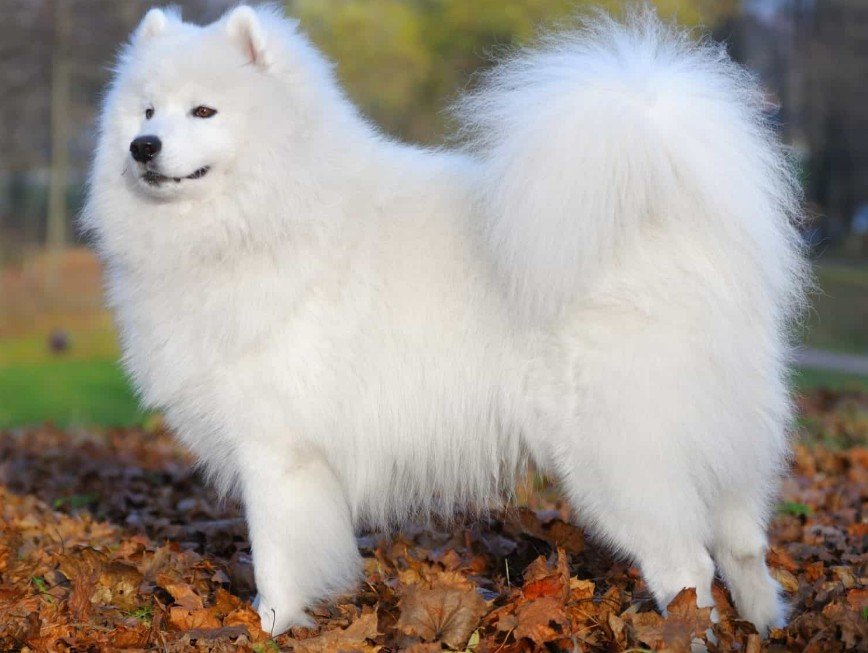
The Samoyed is a beautiful, fluffy dog breed known for its friendly and gentle personality. Originally bred by the Samoyede people in Siberia, these dogs were used for herding reindeer and pulling sleds in harsh Arctic conditions. With their charming smile and thick white fur, Samoyeds are not only a delight to look at but also wonderful companions. They are strong, active, and sociable, making them great family pets and working dogs.
Quick Top 10 Facts about Samoyed
| SCIENTIFIC NAME | Canis lupus familiaris |
| CLASSIFICATION | KINGDOM: Animalia PHYLUM: Chordata CLASS: Mammalia ORDER: Carnivora FAMILY: Canidae |
| SIZE | Height: 19–23.5 inches (48–60 cm) Weight: 35–65 lbs (16–29 kg) |
| SPECIES | Domestic dog, a member of the Spitz group of breeds |
| APPEARANCE | Samoyeds are known for their thick, white, fluffy double coat and their “Sammy smile.” Their eyes are almond-shaped and often appear mischievous, adding to their playful demeanor. |
| LIFE SPAN | Typically 12–14 years, with proper care |
| HABITAT | Originally from Siberia, they are well-suited for colder climates but can adapt to warmer environments with proper care. |
| DIET | Samoyeds are omnivores, feeding on high-quality dog food that includes protein, vegetables, and grains. |
| NATURAL PREDATORS | None. As domestic dogs, Samoyeds are not preyed upon but require protection from other animals. |
| CONSERVATION STATUS | Not endangered. The Samoyed is a popular and well-established breed. |
Amazing Facts About Samoyed
1. The “Sammy Smile”
Samoyeds are famous for their “Sammy smile,” which is an expression of happiness that gives them a friendly, approachable look. Their mouth naturally turns upwards, making them appear to smile all the time!
2. Arctic Heritage
Originally from Siberia, Samoyeds were bred by the Samoyede people to herd reindeer and pull sleds in harsh Arctic conditions. Their thick fur kept them warm in freezing temperatures.
3. Highly Social
Samoyeds are extremely friendly and sociable dogs. They thrive on human companionship and can sometimes get lonely if left alone for long periods.
4. Energetic and Playful
These dogs are full of energy and love to play. They need plenty of physical and mental stimulation to stay happy, making them great pets for active families.
5. Strong Herding Instincts
Samoyeds were originally used for herding, so they have a natural herding instinct. This makes them good with children and other pets, as they are protective and like to keep their family members close.
6. Vocal, But Not Aggressive
Samoyeds are known to be quite vocal, often barking to communicate. However, they are generally not aggressive, making them good companions and watchdogs, though not ideal guard dogs.
7. Grooming Is Essential
Samoyeds have a thick double coat that requires regular grooming. They shed heavily twice a year, so it’s important to brush them frequently to prevent matting and reduce shedding indoors.
8. Highly Intelligent
Samoyeds are intelligent and learn quickly, which makes training easier, though they can also be a bit independent and stubborn at times.
9. Good With Children and Other Pets
They are known for their gentle nature and are great family dogs. They are typically good with children and can get along well with other pets if socialized properly.
10. Adaptable to Various Lifestyles
While Samoyeds are best suited to colder climates, they can adapt to warmer environments with proper care, such as access to shade, plenty of water, and air conditioning during hot months.
Samoyed: The Friendly and Fluffy Snow Dog
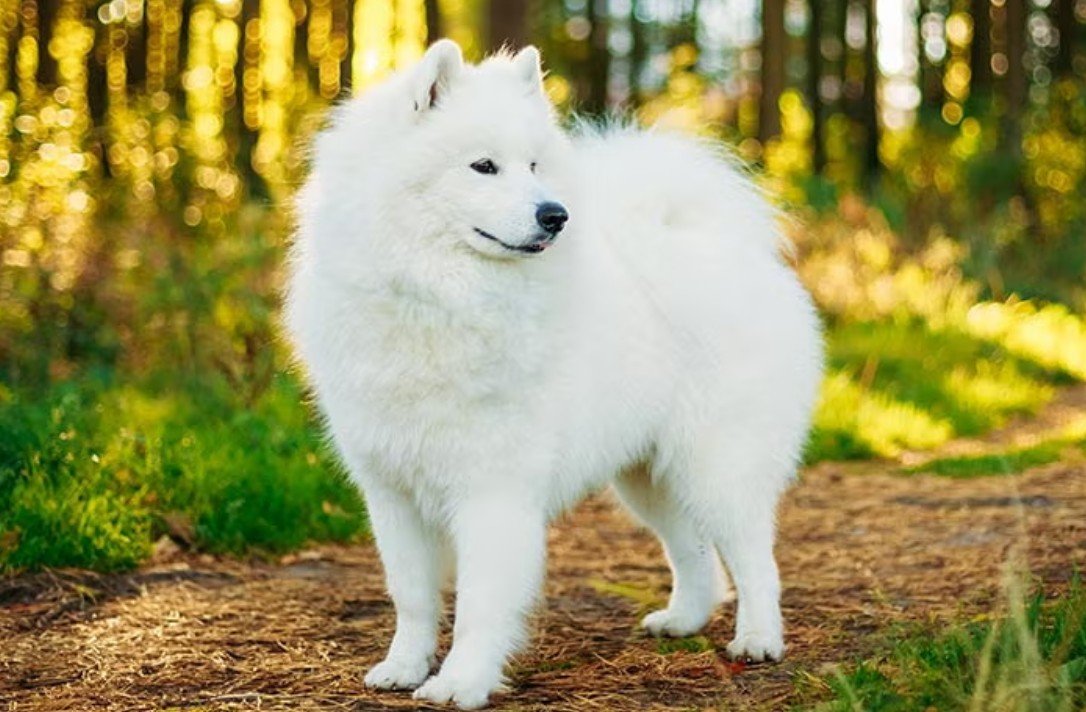
The Samoyed is one of the most recognised and beloved dog breeds worldwide, known for its striking white coat, cheerful “Sammy smile,” and friendly, playful personality. Originally bred by the nomadic Samoyed people of Siberia, these dogs were valued for their warmth, agility, and ability to herd reindeer, as well as their companionship in harsh Arctic conditions. Today, the Samoyed remains a popular companion breed, admired for its beauty, affectionate nature, and remarkable heritage.
History and Origins of the Samoyed
The Samoyed breed boasts a rich history spanning over 3,000 years. The name “Samoyed” derives from the indigenous Samoyedic peoples of Siberia, who originally bred these dogs to herd reindeer, pull sleds, and provide warmth in the harsh Arctic environment. Beyond their working role, Samoyeds offered comfort and companionship during long, cold winters.
Samoyeds played a vital role in the survival of the Samoyed people, assisting with sled transport over long distances, guarding livestock, and acting as alert watch dogs. Their thick coats allowed them to endure freezing temperatures as low as -50°F (-46°C), while their affectionate nature made them ideal companions for nomadic communities in extreme conditions.
By the 19th century, Samoyeds were introduced to the Western world, quickly gaining recognition for their striking appearance and gentle temperament. Explorers and adventurers, including Fridtjof Nansen and Roald Amundsen, employed Samoyeds on Arctic and Antarctic expeditions. This reinforced the breed’s reputation as resilient, reliable, and friendly.
Physical Characteristics of the Samoyed
The Samoyed is a medium-to-large dog with a muscular, elegant build and an eye-catching appearance. Below is a detailed look at its physical features:
Size and Build
- Males stand 21–23.5 inches (53–60 cm) at the shoulder and weigh 45–65 pounds (20–30 kg).
- Females are slightly smaller, standing 19–21 inches (48–53 cm) and weighing 35–50 pounds (16–23 kg).
- Despite their size, Samoyeds are agile and graceful, reflecting their history as herding and sled dogs.
Coat and Colouration
- The Samoyed has a dense double coat that protects against harsh cold.
- The undercoat insulates, while the soft outer coat repels snow and moisture.
- Coats are predominantly pure white, though some dogs show cream or biscuit tones.
- Regular grooming prevents matting and maintains coat health.
- Shedding is significant, particularly during spring and autumn.
Face, Expression, and Tail
- The breed’s “Sammy smile” results from slightly upturned mouth corners, giving a cheerful expression.
- Almond-shaped, dark eyes convey warmth and affection.
- Triangular, erect ears contribute to an intelligent, alert appearance.
- A bushy tail curls gracefully over the back, enhancing elegance.
Body Structure
- Samoyeds have a balanced, muscular frame with a deep chest and powerful legs.
- Built for endurance and agility, suitable for demanding work in Arctic conditions.
- Their fluid, graceful movements make them delightful to watch during play.
Personality and Temperament
Samoyeds are friendly, affectionate, and playful dogs that naturally seek human companionship. Their gentle temperament makes them excellent family pets.
Friendly and Social
- Samoyeds form strong bonds with family members and enjoy interaction.
- They greet visitors enthusiastically and warmly.
- Good with children and other pets when properly socialised.
- Reserved with strangers but rarely aggressive.
- Act as alert watchdogs while remaining friendly toward other animals.
Active and Playful
- Samoyeds are energetic and need daily exercise.
- Enjoy walks, runs, hikes, and interactive play.
- Endurance reflects their historical role in herding and sledding.
- Mental stimulation, such as puzzle toys or obedience training, keeps them content.
Intelligent and Independent
- Samoyeds are intelligent but sometimes independent or stubborn.
- Positive reinforcement training is most effective using treats and praise.
- Patience and consistency are key to training success.
Affectionate but Not Clingy
- They enjoy family time but also appreciate some independence.
- Do not leave them alone for long periods; they may become bored or destructive.
- Thrive on attention but are not excessively clingy.
Health and Care Considerations
Exercise Requirements
- Daily walks, runs, and play in a safe area are essential.
- Activities that challenge both body and mind, like agility training, keep them healthy.
Grooming
- Brush at least 2–3 times per week; more during heavy shedding periods.
- Occasional baths maintain hygiene without stripping natural oils.
- Regular ear cleaning and nail trimming are essential.
Diet
- Provide high-quality, balanced food suitable for size and activity level.
- Monitor food intake to prevent weight gain.
Health Concerns
- Prone to hip dysplasia, progressive retinal atrophy (PRA), and hypothyroidism.
- Regular veterinary checkups help prevent or manage these issues.
FAQ (Frequently Asked Questions) about Samoyed
Q: What is a Samoyed?
Ans: A Samoyed is a fluffy, white dog known for its friendly personality and “Sammy smile.” They were originally bred by the Samoyede people of Siberia for herding reindeer and pulling sleds.
Q: How big do Samoyeds get?
Ans: Samoyeds typically grow between 19 and 23.5 inches in height and weigh between 35 and 65 pounds, depending on their gender and individual characteristics.
Q: Are Samoyeds easy to train?
Ans: Samoyeds are intelligent and quick learners, but they can be a bit independent and stubborn at times. Consistent, positive reinforcement is key to training them successfully.
Q: How much grooming do Samoyeds require?
Ans: Samoyeds require regular grooming due to their thick double coat. They shed heavily twice a year, so daily brushing is recommended during shedding seasons, and weekly brushing the rest of the year.
Q: Do Samoyeds get along with other pets?
Ans: Yes, Samoyeds are generally good with other pets and children. Early socialization is important to help them get along with other animals, especially other dogs.
Q: Are Samoyeds good family dogs?
Ans: Yes! Samoyeds are affectionate, playful, and gentle, making them great family pets. They are particularly known for being good with children.
Q: Can Samoyeds live in warm climates?
Ans: While Samoyeds are suited for cold climates due to their thick fur, they can live in warmer climates with proper care. Ensure they have access to shade, plenty of water, and air conditioning in hot weather.
Q: How long do Samoyeds live?
Ans: Samoyeds typically live between 12 and 14 years with proper care, including a healthy diet, regular exercise, and regular veterinary checkups.
Q: What health problems do Samoyeds face?
Ans: Like all breeds, Samoyeds can be prone to certain health conditions, including hip dysplasia, progressive retinal atrophy, and hypothyroidism. Regular checkups with a veterinarian are essential.
Q: Are Samoyeds good watchdogs?
Ans: Samoyeds are alert and will bark to alert you of any intruders, but they are generally not aggressive and are more likely to greet visitors with enthusiasm than to act as guard dogs.
#Samoyed #FluffyDogs #SammySmile #FriendlyDogs #SiberianDogs #FamilyPets #ActiveDogs #SamoyedLovers #DogTraining #DogGrooming
Our sources and references about Samoyed
1: Wikipedia – Samoyed
2: American Kennel Club – Samoyed
3: Petfinder – Samoyed Breed Information