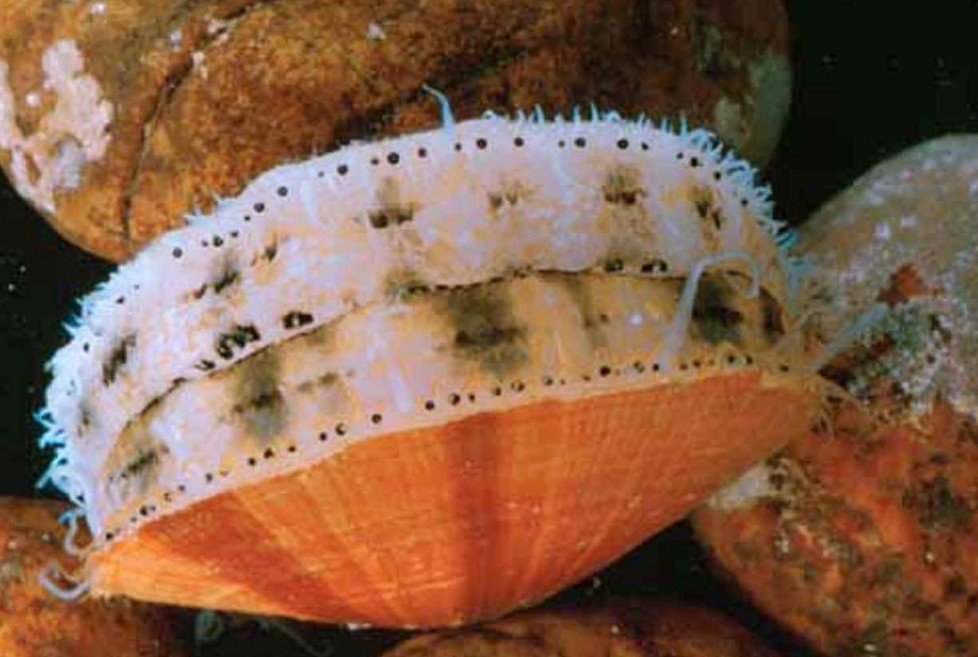
Scallops are a type of bivalve mollusk that are known for their ability to swim, unlike most other bivalves. They are found in oceans around the world, usually in shallow waters, and are prized for their delicate, sweet meat. Scallops belong to the family Pectinidae and have a fan-shaped, ribbed shell that can be various colors, often with a beautiful iridescent sheen. These creatures are filter feeders, using their gills to collect plankton and other tiny organisms from the water. Scallops are also famous for their ability to “jump” by rapidly clapping their shells together to propel themselves away from predators.
Quick Top 10 Facts about Scallops
| SCIENTIFIC NAME | Pectinidae |
| CLASSIFICATION | KINGDOM: Animalia PHYLUM: Mollusca CLASS: Bivalvia ORDER: Pectinoida FAMILY: Pectinidae |
| SIZE | Typically 5 to 15 cm (2 to 6 inches) in diameter, though some species can reach up to 30 cm (12 inches) |
| SPECIES | There are around 400 species of scallops, including the Atlantic deep-sea scallop (Placopecten magellanicus) and the bay scallop (Argopecten irradians) |
| APPEARANCE | Scallops have a fan-shaped, ribbed shell with various color patterns, including white, pink, red, and orange. They often have an iridescent sheen. |
| LIFE SPAN | Typically 4 to 20 years, depending on the species |
| HABITAT | Shallow coastal waters, usually at depths of 10 to 200 meters, with some species found at even greater depths |
| DIET | Filter feeders, consuming plankton and other small particles suspended in the water |
| NATURAL PREDATORS | Fish, sea otters, some seabirds, and humans |
| COUNTRY | Found in oceans worldwide, with notable populations in the North Atlantic, North Pacific, and Mediterranean Sea |
| GESTATION PERIOD | Scallops reproduce through external fertilization, where the eggs and sperm are released into the water; fertilization occurs in the planktonic stage |
| CONSERVATION STATUS | Some species are at risk due to overfishing, habitat destruction, and climate change, though many are farmed sustainably |
Amazing Facts About Scallops
1. Exceptional Swimmers
Scallops are one of the few bivalve mollusks that can swim. They do this by rapidly clapping their shells together, forcing water out to propel themselves forward.
2. Dozens of Eyes
Unlike most mollusks, scallops have up to 100 small eyes along the edge of their shells. These eyes are capable of detecting light, motion, and the presence of predators.
3. Iridescent Shells
The shells of scallops often have an iridescent sheen, making them a popular item in jewelry and crafts. Their vibrant colors can include pink, blue, and gold.
4. Filter Feeders
Scallops are filter feeders, meaning they feed by drawing water through their shells and trapping plankton and other tiny organisms in their gills.
5. Ecological Role
By filtering water, scallops help maintain water quality and clarity in their habitats, promoting the health of marine ecosystems.
6. Scallop Farming
Scallops are one of the most farmed marine species, with aquaculture helping to meet the high demand for scallops, especially in the food industry.
7. Fast Growth
Scallops grow relatively quickly, reaching maturity in 1 to 3 years, depending on the species and environmental conditions.
8. Can Live for Decades
Some species of scallops can live for over 20 years, with the longest-living species being the giant scallop (Placopecten magellanicus), which can reach ages up to 30 years.
9. Reproduction by External Fertilization
Scallops reproduce through external fertilization, with both eggs and sperm released into the water, where fertilization occurs.
10. Delicious Delicacy
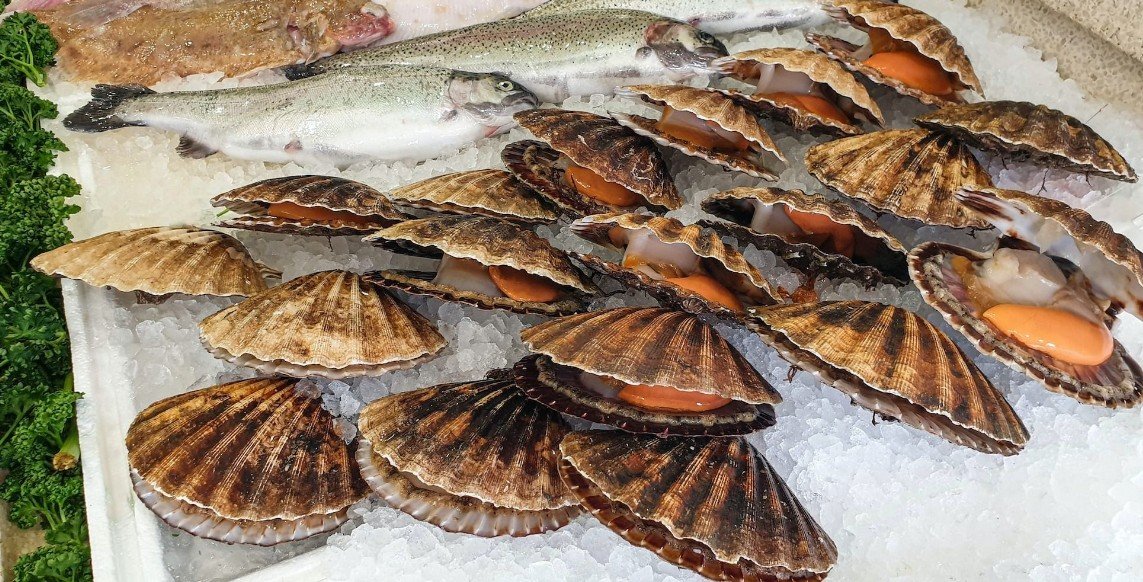
Scallops are a sought-after delicacy, prized for their sweet and tender meat. They are commonly found on menus worldwide, served raw, grilled, or pan-seared.
A Delight from the Ocean’s Depths: Introduction to Scallops
The Pectinidae family of bivalve molluscs includes scallops, which are distinguished by their delicate, sweet flavour, soft texture, and special capacity to swim by quickly opening and closing their shells. They are a common seafood item that is valued by chefs and customers across the globe for both their culinary flexibility and their reputation as an opulent delicacy. The flesh of scallops is highly valued in many cuisines, and they may be found in both shallow and deep water in seas across the globe.
Biological Features of Scallops
Along with clams, oysters, and mussels, scallops are members of the Bivalvia class of molluscs. Scallops are bivalves with two hinged shells that shield their delicate inside bodies. Depending on the species, scallops’ shells may vary in size and colour, and they are often fan-shaped. Scallops are characterised by their pronounced ridges on their shells and radial symmetry, which gives them a round form.
Important Biological Attributes
- Size and Shape: Scallops come in a range of sizes; some species may have a diameter of up to 6 inches (15 cm). Both smooth and ridged surfaces may be seen on their generally flat, fan-shaped shells.
- Muscle: The adductor muscle, which allows the scallop to expand and shut its shell, is the edible portion of the scallop. Firm and soft, this muscle is valued for its subtle sweetness.
- Eyes and Syphons: Scallops have eyes and syphons that they utilise for eating and removing waste. Scallops’ little, basic eyes at the edge of their shells are one of their most distinguishing characteristics. The scallop can identify predators thanks to these eyes’ ability to sense light.
Scallops have the unusual ability to swim by quickly opening and closing their shells, in contrast to other bivalves that stay motionless. This action, sometimes called a “jet propulsion” mechanism, enables scallops to dart away from danger in order to avoid predators.
Different Types of Scallops
Scallops come in a variety of kinds, but they may be broadly divided into two groups: those cultivated on farms and those that are taken in the wild. The taste, texture, and availability of each kind of scallop vary.
Common Types of Scallops
- Atlantic Scallop (Placopecten magellanicus): One of the most often fished scallop species in the North Atlantic is the sea scallop. The flavour of Atlantic scallops is often sweeter and more delicate, and they are bigger in size. The North Sea, Canada, and New England coasts are the main locations for these scallops.
- Pacific Scallop (Patinopecten yessoensis): The Pacific Ocean, especially around Japan, Alaska, and the United States’ West Coast, is home to the Pacific scallop. Although Pacific scallops are smaller than Atlantic scallops and have a slightly firmer texture, they still carry the distinctively sweet flavour of scallops.
- Bay Scallop (Argopecten irradians): Smaller than both Atlantic and Pacific scallops, bay scallops are often found in bays and estuaries, which are shallow coastal waterways. They are particularly popular in Florida and Southern New England. These scallops are well-loved for raw dishes like sushi or ceviche due to their delicate texture and rich flavour.
- Diver-Caught Scallops: Instead of using mechanical dredging, experienced divers gather diver-caught scallops by hand. Because this method causes less harm to the seabed and surrounding ecology, it is seen as more sustainable. These scallops are prized for their immaculate quality but tend to be more expensive.
- Farmed Scallops: Scallops can also be grown under regulated aquaculture conditions, particularly in countries like China and Japan. Despite their smaller size, farmed scallops are affordable and available year-round.
Distribution and Habitat of Scallops
Around the globe, scallops may be found in both shallow and deep ocean regions. From the warmer waters of the Caribbean to the colder waters of the North Atlantic and North Pacific, they flourish in a variety of marine habitats.
Preferred Living Conditions
- Temperature: Cold to moderate seas are where scallops are most often found. Depending on the species, they typically like temperatures between 5°C and 20°C (41°F and 68°F).
- Depth: Scallops live at varying depths—from shallow bays and estuaries to deeper ocean bottoms reaching up to 200 metres (656 feet).
- Seabed Type: Scallops prefer sandy or muddy substrates that allow them to burrow and hide from predators. Certain species inhabit harder seabeds as well.
Some scallop species are raised in aquaculture settings, while others are harvested from the wild. Usually found in protected bays or offshore regions with nutrient-rich seas, scallop farms provide the perfect environment for scallop growth and development.
Harvesting and Collection Methods
Although there are a number of ways to collect scallops, the two main methods are diving and dredging.
Common Harvesting Techniques
- Dredging: The most popular technique for obtaining Atlantic scallops involves dragging a large metal-framed net along the seabed. Although effective, this method can damage marine ecosystems and cause bycatch of non-target species, raising sustainability concerns.
- Diver-Caught Scallops: Professional divers harvest scallops by hand while submerged. This eco-friendly approach minimises harm to the seabed and reduces bycatch, producing premium-quality scallops prized for freshness.
- Aquaculture: In controlled environments, scallops are grown on ropes or in baskets suspended in clean waters. These systems prevent seabed damage and promote healthy growth. Farmed scallops are smaller but more sustainable and consistently available.
Nutritional Benefits of Scallops
In addition to being a tasty seafood choice, scallops are also highly nutritious. They are a healthy complement to a balanced diet, providing a great source of protein, vitamins, and minerals.
Scallop Nutrition Highlights
- Low in Calories: Scallops are low in calories, making them a great choice for weight management. A 3-ounce (85-gram) portion of cooked scallops has about 80 calories.
- High in Protein: With roughly 20 grams of protein per serving, scallops support muscle repair and development.
- Rich in Omega-3 Fatty Acids: Scallops are rich in omega-3s, which promote heart health, cognitive function, and reduce inflammation.
- Vitamins and Minerals: Scallops provide Vitamin B12 for energy and nerve health, as well as iron, magnesium, phosphorus, and selenium.
- Low in Fat: Containing less than one gram of fat per serving, scallops are ideal for heart-conscious diets.
Culinary Uses of Scallops
Because of their delicate flavour and texture, scallops are highly versatile in the kitchen. They can be seared, grilled, baked, or served raw, offering chefs endless creative options.
Popular Scallop Preparations
- Seared Scallops: Searing scallops in a hot skillet with butter or olive oil creates a crispy, golden-brown crust while keeping the interior tender and juicy.
- Grilled Scallops: Lightly seasoned scallops grilled over open flame develop a smoky, sweet flavour that enhances their natural taste.
- Baked Scallops: Often baked with breadcrumbs, herbs, and butter, baked scallops make a rich and aromatic seafood dish.
- Raw Scallops: Some regions serve raw scallops in ceviche, marinated in citrus juices with chilli, coriander, and onions for a refreshing seafood delicacy.
FAQ (Frequently Asked Questions) about Scallops
Q: What is a Scallop?
Ans: A scallop is a type of bivalve mollusk known for its fan-shaped shell and ability to swim by rapidly clapping its shells together.
Q: Where are Scallops found?
Ans: Scallops are found in oceans worldwide, particularly in the North Atlantic, North Pacific, and Mediterranean Sea, inhabiting shallow coastal waters.
Q: What do Scallops eat?
Ans: Scallops are filter feeders, consuming plankton and other tiny organisms suspended in the water.
Q: How long do Scallops live?
Ans: Scallops typically live between 4 and 20 years, though some species can live longer.
Q: Why are Scallops important?
Ans: Scallops play a vital role in marine ecosystems by filtering water, helping to maintain water clarity and promote healthy habitats.
Q: Can Scallops swim?
Ans: Yes, scallops can swim by rapidly clapping their shells together, allowing them to propel themselves away from predators.
Q: How do Scallops reproduce?
Ans: Scallops reproduce through external fertilization. They release eggs and sperm into the water, where fertilization occurs.
Q: Are Scallops endangered?
Ans: Some species of scallops are at risk due to overfishing and environmental changes, but many are farmed sustainably.
Q: Are Scallops edible?
Ans: Yes, scallops are a popular seafood delicacy, known for their sweet, tender meat, and are served in many cuisines around the world.
Q: How are Scallops harvested?
Ans: Scallops are typically harvested by dredging or diving, though farmed scallops are cultivated in controlled aquaculture environments.
#Scallops #MarineLife #Seafood #Mollusks #OceanCreatures #ScallopFarming #SustainableFishing #Wildlife #MarineEcosystems
Our sources and references about Scallops
1: Wikipedia – Scallop
2: National Geographic – Scallop
3: Britannica – Scallop