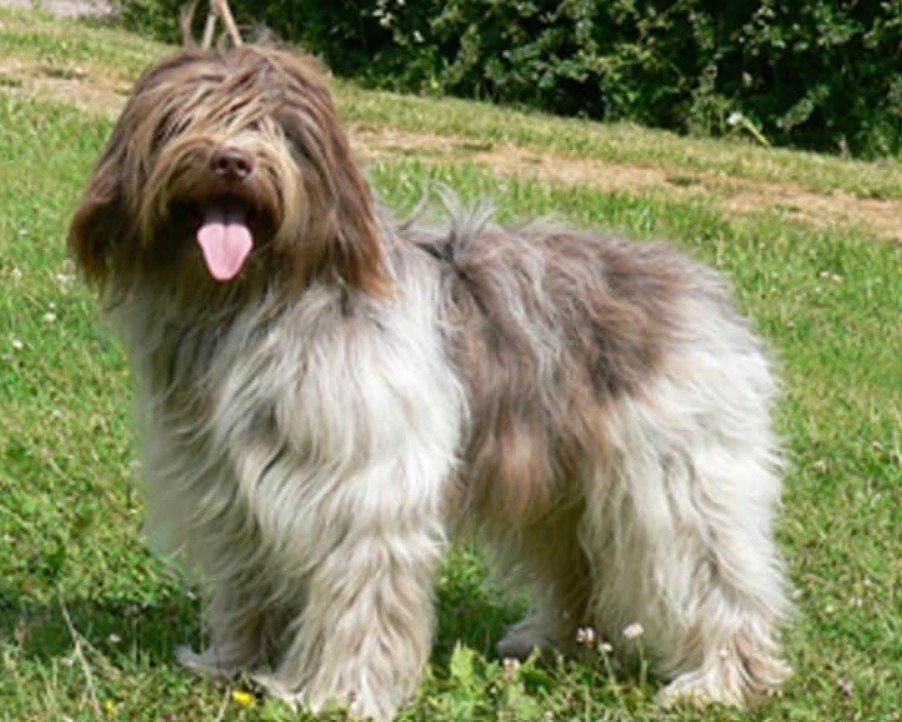
The Schapendoes is a medium-sized, shaggy-coated herding dog originating from the Netherlands. Known for their intelligence, agility, and cheerful personality, Schapendoes were traditionally used by Dutch shepherds to herd flocks of sheep across the heathlands. With their thick, tousled fur and expressive eyes, they are both hardworking and affectionate companions. This breed thrives on activity and companionship, making them well-suited for active families or individuals.
Quick Top 10 Facts about Schapendoes
| SCIENTIFIC NAME | Canis lupus familiaris |
| CLASSIFICATION | KINGDOM: Animalia PHYLUM: Chordata CLASS: Mammalia ORDER: Carnivora FAMILY: Canidae |
| SIZE | Height: 16–20 inches; Weight: 25–55 pounds |
| SPECIES | Purebred – Schapendoes |
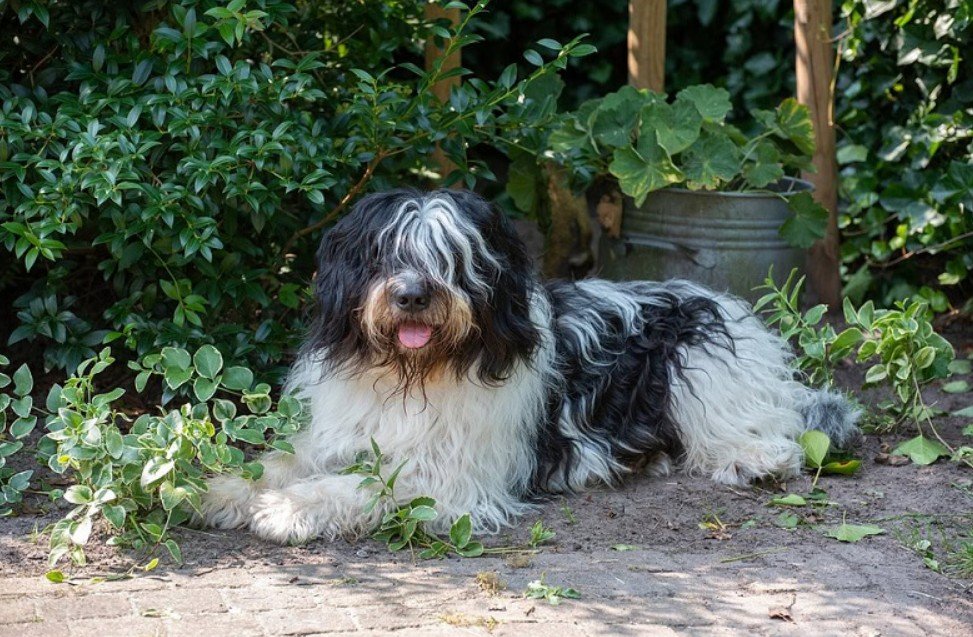
| APPEARANCE | Long, shaggy double coat; feathered tail; round expressive eyes; often black, grey, or blue in color |
| LIFE SPAN | 12–15 years |
| HABITAT | Domesticated; enjoys open spaces, farms, and active family homes |
| DIET | Omnivorous – high-quality dog food, meats, grains, and vegetables |
| NATURAL PREDATORS | None in domestic life; protected by humans |
| COUNTRY | Netherlands (origin) |
| GESTATION PERIOD | Approximately 63 days (standard for dogs) |
| CONSERVATION STATUS | Not endangered – recognized and maintained by breed organizations |
Amazing Facts About Schapendoes
1. Dutch Heritage
The Schapendoes is a traditional Dutch herding dog, valued for its agility and energy on the open fields of the Netherlands.
2. Shaggy and Functional Coat
Its long, tousled coat helps protect it from harsh weather conditions while herding sheep outdoors.
3. Highly Trainable
Known for their intelligence and willingness to learn, Schapendoes excel in obedience, agility, and dog sports.
4. Rare but Growing in Popularity
While still a relatively rare breed outside Europe, their charming nature has started to gain attention in other countries.
5. Great with Kids and Families
Schapendoes are gentle, friendly, and playful—making them excellent companions for families with children.
6. Energetic and Active
This breed needs daily exercise and mental stimulation to stay healthy and content.
7. A Natural Jumper
Their agility and love for movement make Schapendoes great jumpers and climbers.
8. Minimal Shedding Despite Long Hair
Surprisingly, their thick coat doesn’t shed excessively, though it does require regular grooming.
9. Strong Herding Instincts
Even today, Schapendoes may try to “herd” people or animals—it’s part of their natural behavior.
10. Sociable with Other Pets
They generally get along well with other dogs and pets when properly socialized.
The Endearing and Quick Dutch Sheepdog, Schapendoes
The Dutch Shepherddog, or Schapendoes, is a herding dog breed that comes from the Netherlands. This breed is well-liked by dog enthusiasts who value a multipurpose, industrious dog that also makes a loving companion because of its long, shaggy hair, intelligence, and playful disposition. The Schapendoes is a wonderful family companion in addition to being a fantastic working dog because of its lively attitude and exceptional agility. The Schapendoes’ history, physical traits, temperament, care needs, and training advice will all be covered below.
1. The Schapendoes’ Past
Origin and Historical Background
In the Netherlands, the Schapendoes is an old breed that has a long history of being used as a herding dog. It is said to be a descendent of the herding dogs that the Romans introduced to the area centuries ago. The breed evolved over time to function in the rural Dutch countryside, assisting shepherds in the management and protection of sheep flocks.
Working Heritage and Early Use
Sheep herding was the Schapendoes’ primary function, but it was also utilised to assist with other duties including guarding and defending animals from predators. Because of its innate intelligence, agility, and trainability, the breed was well-suited to working in difficult conditions with farmers and shepherds. The Schapendoes was especially respected for its capacity to operate in challenging environments, such as forests and marshes.
Modern Recognition and Popularity
Despite their long history, Schapendoes were not officially recognised as a breed until the 20th century. The Schapendoes’ Dutch breed club was established in 1952, and the Federation Cynalogique Internationale (FCI) formally recognised the breed in 1971. Although the Schapendoes are still mostly used as working dogs today, their flexibility and friendliness have made them a popular companion dog as well.
2. Physical Attributes
Size, Weight, and Structure
- Height: The Schapendoes normally have a shoulder height of 17 to 20 inches (43 to 51 cm).
- Weight: Males of this breed are often significantly bigger than females, weighing between 30 and 50 pounds (13 and 23 kg).
Coat Texture and Coloration
Because of its long, thick, and wavy coat, the Schapendoes is well-known for being able to withstand severe weather conditions when working outside. The coat is thick enough to provide protection and insulation, but it should have a shaggy, slightly messy appearance.
- Colours: The coat is available in a range of hues, such as brown, blue merle, black, and grey. Schapendoes dogs also have a range of patterns, including solid and parti-colored ones.
Facial Features and Expression
The Schapendoes’ floppy ears, dark eyes, and square snout add to its endearing and amiable look. Its clever and vivacious nature is reflected in its bright and alert countenance.
Tail Description
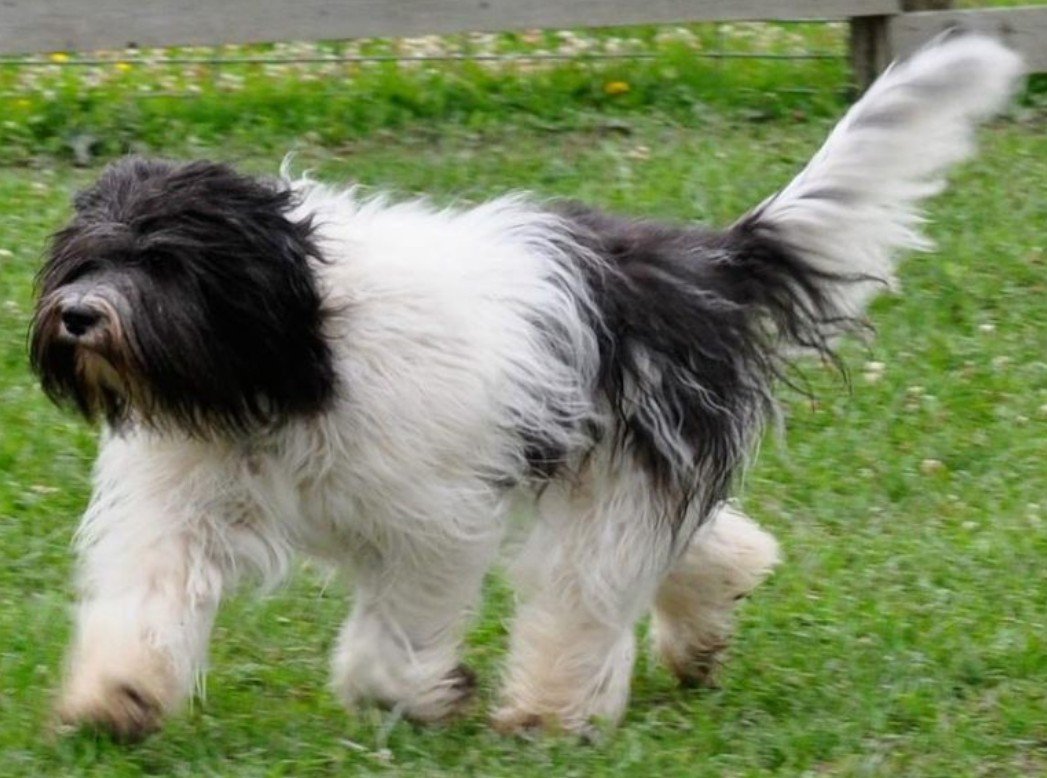
The feathery tail of the Schapendoes is often carried in a soft curvature over the back. The breed’s appeal is further enhanced by the fact that the tail is often characterised as feathered or plumed.
3. Personality and Temperament
Intelligence and Trainability
The Schapendoes’ intellect is one of their most notable characteristics. This breed picks up new instructions and tricks quickly and is very trainable. But, as a herding dog, the Schapendoes may also be independent and stubborn at times. This implies that it needs an owner who can lead with firmness and clarity and who is patient and constant.
Because they are excellent at agility, obedience training, and other canine sports, Schapendoes are the perfect companion for energetic dog owners who want to give their pets mental and physical challenges.
Energetic and Playful Nature
High-energy dogs like vigorous play and exercise are the Schapendoes. This breed does well in an atmosphere that allows it to run, play, and release extra energy. It should have many chances for daily physical exercise since it appreciates outdoor pursuits like fetch, jogging, and hiking.
The Schapendoes are renowned for their lively and loving disposition despite their high level of activity. It likes to play interactively, participate in family events, and spend time with its human family.
Affection with Children and Other Pets
Families with kids might benefit from the kind and patient nature of the Schapendoes. Although early socialisation is crucial, this breed normally likes being with youngsters and is calm and non-aggressive.
Additionally, the breed gets along well with pets and other dogs, particularly if they are reared together. Schapendoes are often gregarious, extroverted, and non-territorial dogs.
Herding Instincts and Behavioral Traits
Since the Schapendoes are a herding breed, they could still exhibit some of their innate herding tendencies, which might involve actions like nibbling at the heels of family members or other animals, particularly if they are not educated correctly. To keep the Schapendoes from developing unwanted behaviours, it is crucial to provide them plenty of cerebral stimulation and outlets for their energy.
4. Grooming and Maintenance
Coat Maintenance and Brushing Routine
To maintain the finest possible appearance, the Schapendoes’ long, thick coat has to be regularly groomed. Although it still needs upkeep, this breed is thankfully generally low-shedding, making it an excellent choice for those with moderate allergies.
- Brushing: Regular brushing is necessary to keep the Schapendoes’ coat from becoming matted or snarled. Weekly to biweekly brushing is advised, depending on the dog’s activity level and coat condition. More regular grooming could be required during times of shedding.
- Bathing: The Schapendoes doesn’t need to be washed very often, although it should be done when its coat is very filthy. Bathing the coat on a regular basis can help keep it clean and stop oil or dirt accumulation.
Ear and Nail Care
- Ear Cleaning: Due to their susceptibility to moisture accumulation, the breed’s floppy ears need to be examined and cleaned often to avoid infections.
- Nail Trimming: Regular nail clipping is necessary to maintain the dog’s comfort and avoid overgrown nails, which might make walking difficult.
Exercise and Activity Needs
The Schapendoes need frequent mental and physical stimulation and have a high activity need. It is best to walk your dog every day, play in the yard and engage in canine sports like agility or obedience training. It’s important to make sure your Schapendoes has enough of exercise and excitement since a bored one might become destructive or restless.
This breed is a terrific companion for folks who prefer to get their dog involved in activities since it loves both engaging inside activities and outdoor play.
5. Lifespan and Health
Common Health Concerns in Schapendoes
- Hip Dysplasia: Schapendoes may be susceptible to hip dysplasia, a hereditary disorder in which the hip joint fails to grow normally, as is the case with many medium-sized dog breeds. To support healthy joints, it’s important to make sure the dog follows a nutritious food and exercise regimen.
- Eye Conditions: Retinal atrophy or cataracts are two conditions that might impair eyesight in some Schapendoes dogs.
- Allergies: Some Schapendoes dogs may have food allergies or skin problems, but they are not particularly prone to these.
Life Expectancy and Long-Term Care
Schapendoes often live 12 to 15 years, and with the right care, many of them reach their adolescent years.
FAQ (Frequently Asked Questions) about Schapendoes
Q: What is a Schapendoes?
Ans: A Schapendoes is a Dutch herding dog known for its long shaggy coat, intelligence, and cheerful nature.
Q: How big does a Schapendoes get?
Ans: Schapendoes typically reach 16–20 inches in height and weigh between 25–55 pounds.
Q: Is the Schapendoes good for families?
Ans: Yes, they are friendly and affectionate, making them great for active families.
Q: How much grooming does a Schapendoes need?
Ans: Their long coat needs regular brushing to prevent tangles and mats, but they don’t shed excessively.
Q: Are Schapendoes easy to train?
Ans: Yes, they are very intelligent and eager to please, which makes training relatively easy.
Q: What is the lifespan of a Schapendoes?
Ans: They typically live between 12 and 15 years.
Q: Do Schapendoes get along with other pets?
Ans: Yes, when properly socialized, they are generally sociable with other animals.
Q: Are Schapendoes rare?
Ans: While not common outside of the Netherlands, their popularity is growing internationally.
Q: Is the Schapendoes hypoallergenic?
Ans: No, they are not considered hypoallergenic.
Q: What was the Schapendoes originally used for?
Ans: Schapendoes were bred to herd sheep and assist shepherds in the open fields of the Netherlands.
#Schapendoes #DutchDogs #HerdingDogs #LongCoatDogs #DogBreeds #FamilyPets #SmartDogs
Our sources and references about Schapendoes
1: AKC – Schapendoes
2: Wikipedia – Schapendoes
3: Dog Breed Info – Schapendoes