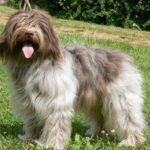
Schnoodles are a popular mixed breed dog, a cross between the Schnauzer and Poodle. Known for their intelligence, playful nature, and hypoallergenic coats, Schnoodles make excellent family pets. They come in various sizes depending on whether their parent breeds were Miniature, Toy, or Standard. With their curly fur and adorable faces, Schnoodles are a favorite among dog lovers for their friendly and affectionate temperament.
Quick Top 10 Facts about Schnoodle
| SCIENTIFIC NAME | Canis lupus familiaris |
| CLASSIFICATION | KINGDOM: Animalia PHYLUM: Chordata CLASS: Mammalia ORDER: Carnivora FAMILY: Canidae GENUS: Canis SPECIES: C. lupus familiaris (domestic dog) |
| SIZE | Height: 25–45 cm (10–18 inches) Weight: 4–15 kg (9–33 lbs.) |
| SPECIES | Cross between the Schnauzer and Poodle (Toy, Miniature, or Standard) |
| APPEARANCE | Curly or wavy coat, a blend of the Schnauzer’s ruggedness and the Poodle’s curls. Typically a small to medium dog with a sturdy build. |
| LIFE SPAN | 12–15 years |
| HABITAT | Typically live in homes as pets; adaptable to apartments or houses with yard space. |
| DIET | Commercial dog food (dry and wet), with appropriate nutritional value for size and age. |
| NATURAL PREDATORS | As domesticated dogs, Schnoodles have no natural predators, but may face threats from larger animals. |
| COUNTRY | United States, but can be found worldwide as a popular designer dog. |
| GESTATION PERIOD | Approximately 63 days (typical for all dogs) |
| CONSERVATION STATUS | Not endangered; Schnoodles are a mixed breed and bred for companionship. |
Amazing Facts About Schnoodle
1. Hypoallergenic Coat
Schnoodles often inherit the Poodle’s hypoallergenic coat, which makes them a great option for people with allergies.
2. High Intelligence
Schnoodles are highly intelligent, inheriting the smarts of both the Schnauzer and Poodle. This makes them easy to train and quick to learn commands.
3. Great Family Pets
Schnoodles are friendly, social, and affectionate, making them excellent companions for children and families.
4. Varying Sizes
Schnoodles come in a variety of sizes depending on the size of the Poodle parent (Toy, Miniature, or Standard), allowing them to fit different living situations.
5. Active and Playful
Schnoodles are active dogs that love to play and stay engaged. They need regular exercise and mental stimulation.
6. Low Shedding
While they do require regular grooming, Schnoodles typically shed very little, making them a good choice for people who prefer a cleaner home.
7. Good with Other Pets
Schnoodles tend to get along well with other pets in the household, including other dogs and cats.
8. Intelligent Problem Solvers
These dogs are quick thinkers and enjoy tasks that involve problem-solving, like puzzle toys or agility training.
9. Playful Companions
Schnoodles love being the center of attention and enjoy playing games such as fetch, tug-of-war, and hide-and-seek.
10. Loyal and Affectionate
Schnoodles are loyal and form strong bonds with their owners, often following them around the house and staying close by.
Schnoodle: An Adorable Poodle-Schnauzer Cross
A popular mix between the Schnauzer and the Poodle, the Schnoodle is a hybrid dog breed. For many families, the Schnoodle is the perfect companion because it combines the attentiveness and durability of the Schnauzer with the intelligence and hypoallergenic traits of the Poodle. The Schnoodle, who is well-known for being lively, loving, and adaptable, has become a very popular family pet, therapy dog, and even service dog. It’s simple to see why this hybrid dog has grown to be a favourite among dog lovers given its endearing demeanour and low maintenance requirements.
1. The Schnoodle’s History
The Schnoodle is a designer dog breed that is a mix between the clever and adaptable Schnauzer and the Poodle. Although hybrid breeds have been around for a while, the Schnoodle gained popularity in the latter half of the 20th century. Schnoodles were designed to combine the finest traits of both parent breeds, as is the case with other designer breeds.
Parent Breeds
- Schnauzer: Originally bred as guard dogs and rat-catchers, Schnauzers originated in Germany. Schnauzers come in three primary sizes: miniature, standard, and giant. The most popular size in hybrid crosses is the miniature Schnauzer. Schnauzers are renowned for their protective temperament, attentiveness, and characteristic beard and eyebrows.
- Poodle: Originally from Germany and subsequently cultivated in France, the Poodle is a very clever and adaptable breed that thrives in water sports and retrieving. There are three sizes of poodles: standard, miniature, and toy. They are a fantastic option for anyone with allergies because of their well-known hypoallergenic coat.
Breeders wanted to create a dog that combines the intellect, hypoallergenic hair, and loving disposition of the Poodle with the alert temperament and robust body of the Schnauzer.
2. Physical Attributes
The Schnoodle is a medium-sized dog that usually combines the graceful traits of the Poodle with the sturdy body of the Schnauzer. The size and look of Schnoodles might vary somewhat depending on the size of the parent canines.
Dimensions
- Height: Miniature and Standard Schnoodles are on the smaller end of the spectrum, with the former being between 10 and 20 inches (25 and 51 cm) tall at the shoulder.
- Weight: Depending on whether they are modelled after the Miniature Schnauzer or the Standard Schnauzer, they typically weigh between 10 and 30 pounds (4.5 and 13.5 kg).
Coat and Color
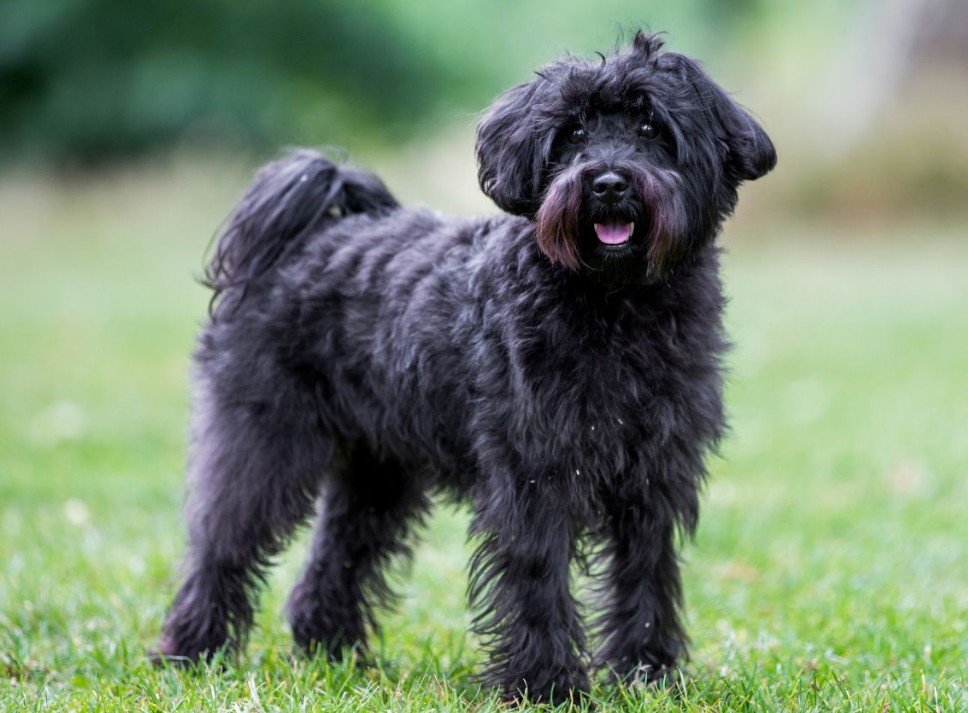
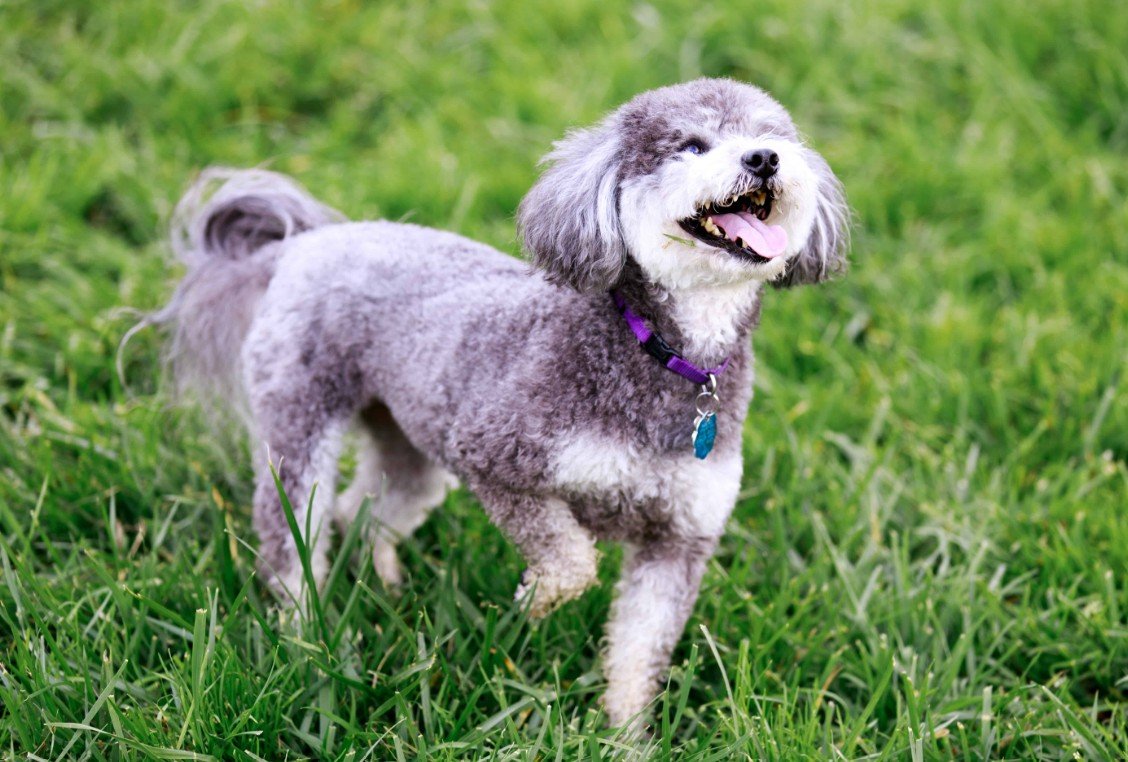
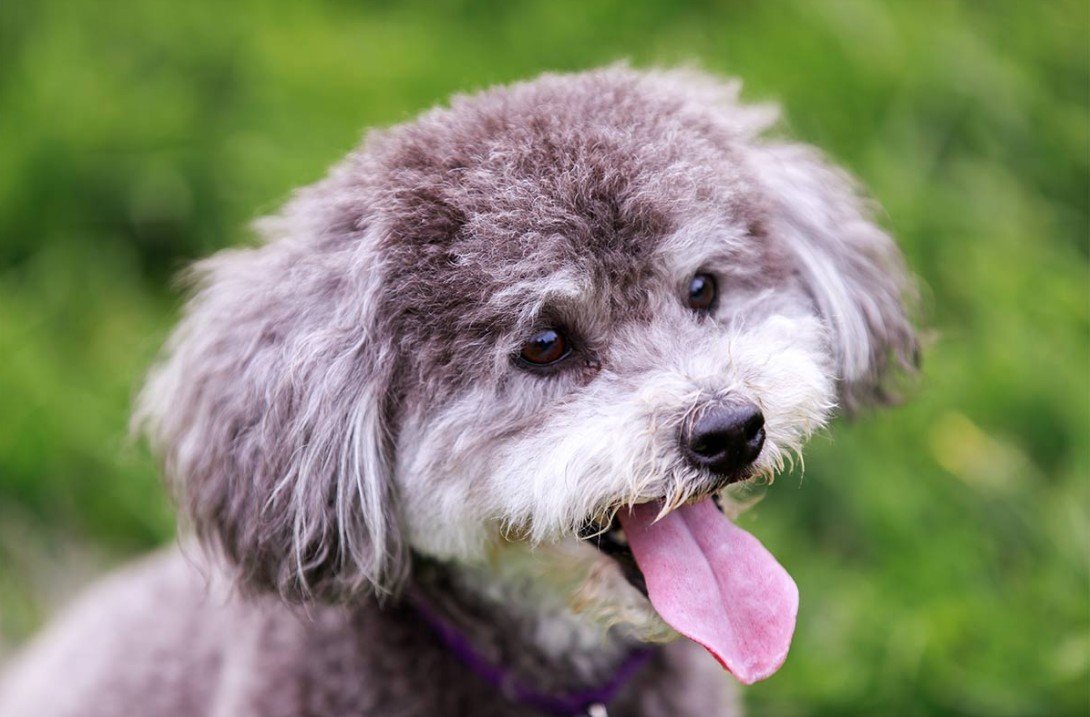
People with allergies often choose schnoodles because of their hypoallergenic coat, which combines the wiry texture of the Schnauzer with the curly, thick coat of the Poodle. They usually have a silky, non-shedding coat that has to be regularly groomed. Their coats may be curly or wavy. Schnoodles may be black, white, brown, apricot, grey, cream, or even parti-color patterns (two-tone coats), giving them a broad range of colour options.
Facial Features and Tail
The Schnoodle’s face often combines traits from both parent breeds: the Poodle’s kind, perceptive eyes and the Schnauzer’s expressive, alert eyes. Like the Poodle, the ears are usually floppy, however each dog may have slightly more pointed or rounder ears. Schnoodles often have a long, bushy tail that may curve somewhat, wagging energetically when they are happy or excited.
3. Personality and Temperament
Schnoodles are renowned for having gregarious, perceptive, and vivacious dispositions. Schnoodles are wonderful family dogs because they combine the finest qualities of the Poodle and Schnauzer. They are typically gregarious and loving. Since they flourish in any setting that provides plenty of affection and care, they may also be excellent companions for elders and solitary people.
Compassionate and Faithful
Schnoodles tend to be loving and develop close relationships with their families. They get along well with kids and other pets and like spending time with their human friends. They are the perfect companion for families seeking a dog that will love cuddling on the sofa and taking part in family events because of their devoted temperament. Although early socialisation is essential to ensure they are at ease with new people and animals, their gregarious nature also means that they like socialising with guests and other dogs.
Perceptive and Trainable
The Schnoodle’s intellect is one of its most notable qualities. Schnoodles often pick things up quickly because of the Poodle’s excellent trainability and the Schnauzer’s vigilance. They respond very well to positive reinforcement and do well in obedience training. Schnoodles need mental engagement since they have lively brains and get quickly bored if left alone. Regular training sessions, agility classes, and puzzle toys are all excellent methods to maintain their mental acuity.
Vivacious and Playful
Being active dogs, schnoodles need to be physically active on a daily basis to maintain their happiness and well-being. For them, having a fenced yard or access to outside space is perfect since they like running, playing and exploring. Schnoodles are content to play interactive activities inside as well as outside. With their lively disposition, Schnoodles will amuse themselves and their owners by playing games like tug-of-war, fetch, and food puzzles.
Vigilant and Safe
Schnoodles may be vigilant and protective of their family, much like their Schnauzer parents. Even though they may not be as hostile as purebred Schnauzers, they often warn their owners when strangers or unexpected activities are about. Because of their innate desire to defend their area and loved ones, schnoodles make great watchdogs even if they are not very aggressive.
4. Cleaning and Maintenance
Schnoodles’ hypoallergenic coat, which sheds less and is less prone to cause allergies, is one of the primary reasons people like them. To preserve the state of their hair and avoid matting, Schnoodles, like other dogs with non-shedding coats, need to be groomed on a regular basis.
Upkeep of the Coat
- Brushing: To avoid matting and tangling, schnoodles should be brushed at least twice or three times every week. Frequent brushing also keeps the coat healthy and glossy by distributing natural oils throughout it.
- Haircuts: It is usually advised to have this breed’s coat professionally groomed every 6 to 8 weeks since improper maintenance may cause it to get matted. Some Schnoodles with a more wiry coat may also need hand-stripping.
- Bathing: As required, schnoodles should be bathed every four to six weeks. Avoid over-bathing as it can dry out their skin and coat.
Additional Grooming Needs
- Trimming Nails: Regular nail cutting is necessary to maintain the healthy length of schnoodles’ nails, typically every 3–4 weeks.
- Ear Maintenance: Their floppy ears need regular cleaning to prevent infections. Wipe the ears with a moist towel and ensure they are dry after baths or play outside.
5. Lifespan and Health
Although schnoodles are a typically healthy hybrid breed, they may inherit specific health problems from their parent breeds, just like any other dog. Maintaining the health of your Schnoodle requires a balanced diet and regular veterinarian examinations.
Common Health Concerns
- Hip Dysplasia: A disorder where the hip joint doesn’t develop properly, leading to arthritis and discomfort.
- Allergies: Schnoodles may inherit food or skin allergies from the Poodle parent.
- Ear Infections: Their floppy ears can trap moisture, increasing infection risk if not regularly cleaned.
Life Expectancy
Schnoodles typically live between 12 and 16 years, which is normal for hybrid breeds of their size.
FAQ (Frequently Asked Questions) about Schnoodle
Q: What is a Schnoodle?
Ans: A Schnoodle is a mixed breed dog, the result of crossing a Schnauzer with a Poodle. They are known for being intelligent, affectionate, and hypoallergenic.
Q: Are Schnoodles hypoallergenic?
Ans: Yes, Schnoodles often inherit the Poodle’s hypoallergenic coat, making them a good choice for allergy sufferers.
Q: How big do Schnoodles get?
Ans: Schnoodles can range in size depending on the type of Poodle they are crossed with. They typically weigh between 4 and 15 kg (9–33 lbs.) and stand 25–45 cm (10–18 inches) tall.
Q: How long do Schnoodles live?
Ans: Schnoodles typically live between 12 to 15 years, though this can vary depending on health and care.
Q: Do Schnoodles require a lot of grooming?
Ans: Yes, Schnoodles need regular grooming, especially if they inherit a curly Poodle coat, to prevent matting and maintain their hypoallergenic properties.
Q: Are Schnoodles good with kids?
Ans: Yes, Schnoodles are generally great with children. They are affectionate and enjoy the attention and playtime that kids provide.
Q: How much exercise do Schnoodles need?
Ans: Schnoodles are active dogs and require regular exercise, such as daily walks and playtime, to keep them healthy and happy.
Q: Are Schnoodles easy to train?
Ans: Yes, Schnoodles are highly intelligent and eager to please, which makes them relatively easy to train.
Q: Do Schnoodles get along with other pets?
Ans: Yes, Schnoodles are typically friendly and get along well with other dogs and pets, including cats.
Q: How do I care for a Schnoodle?
Ans: Provide them with a balanced diet, regular exercise, grooming, and plenty of love and attention. Schnoodles thrive in a family environment where they can be active and social.
#Schnoodle #SchnauzerPoodleMix #HypoallergenicDog #FamilyPets #SchnoodleFacts #DesignerDogs #SmartDogs #LoyalCompanions
Our sources and references about Schnoodle
1: American Kennel Club – Schnoodle
2: Petfinder – Schnoodle
3: Dogtime – Schnoodle
4: Cuteness – Schnoodle
5: Pawshake – Schnoodle