
The Shetland Sheepdog, also known as the Sheltie, is a small to medium-sized herding dog that originates from the Shetland Islands of Scotland. Known for their intelligence, agility, and herding instinct, Shetland Sheepdogs are popular as both working dogs and companions. Their long, beautiful coat, similar to that of a rough Collie, adds to their charm. Shelties are affectionate, loyal, and great with families, especially children. Despite their herding background, they excel in various dog sports and activities due to their high energy and trainability.
Quick Top 10 Facts about Shetland Sheepdog
| SCIENTIFIC NAME | Canis lupus familiaris |
| CLASSIFICATION | KINGDOM: Animalia PHYLUM: Chordata CLASS: Mammalia ORDER: Carnivora FAMILY: Canidae GENUS: Canis SPECIES: C. lupus (domestic dog) |
| SIZE | Height: 13–16 inches (33–41 cm) Weight: 15–25 lbs (7–11 kg) |
| SPECIES | The Shetland Sheepdog is a herding breed of dog, closely related to the Rough Collie. Originally bred in the Shetland Islands to herd sheep, they are now commonly kept as pets due to their loyal and affectionate nature. |
| APPEARANCE | Shetland Sheepdogs have a striking, dense double coat with a ruff around their neck, similar to the Rough Collie. They are typically tri-color (black, white, and tan), sable, or merle. Their eyes are almond-shaped, dark, and expressive, giving them an alert and intelligent look. |
| LIFE SPAN | 12–14 years |
| HABITAT | Shetland Sheepdogs are adaptable and can live in various environments. They thrive in homes with yards, where they can run and play. They also do well in apartments, as long as they are provided with sufficient exercise and mental stimulation. |
| DIET | A Shetland Sheepdog should be fed a high-quality dog food formulated for their size, age, and activity level. This breed can be prone to obesity if overfed, so it is important to monitor portion sizes and provide regular exercise. |
| NATURAL PREDATORS | Shetland Sheepdogs are domesticated dogs, so they do not have natural predators. However, due to their herding instincts, they may try to herd smaller animals like cats or even children if not properly trained. |
| COUNTRY | The Shetland Sheepdog originated in the Shetland Islands, located north of Scotland. They were bred to herd sheep and other livestock, adapting to the harsh island climate and terrain. |
| GESTATION PERIOD | The gestation period for Shetland Sheepdogs is around 63 days, similar to other dog breeds. |
| CONSERVATION STATUS | Shetland Sheepdogs are not endangered. They are a popular breed and widely available through breeders and rescue organizations. |
Amazing Facts About Shetland Sheepdog
1. Excellent Herding Instincts
Shetland Sheepdogs are natural herders, known for their ability to round up livestock efficiently. This trait is deeply ingrained in their behavior and often extends to herding family members or even other pets.
2. Highly Intelligent
This breed is exceptionally intelligent and excels in obedience and agility training. They are quick learners, which makes them easy to train, but they also need mental stimulation to avoid becoming bored.
3. Affectionate and Loyal
Shetland Sheepdogs are known for their strong bond with their families. They are affectionate, loyal, and protective, making them excellent companions and family pets.
4. Fantastic Agility Dogs
Due to their high energy and agility, Shelties excel in dog sports like agility, obedience, and flyball. Their quick reflexes and love for training make them stand out in competitive dog sports.
5. Shelties are Barkers
While Shetland Sheepdogs are generally well-behaved, they are known for being vocal. They often bark to alert their owners to any perceived threats or changes in their environment.
6. Prone to Shedding
Shetland Sheepdogs have a thick double coat that sheds year-round, with heavier shedding during seasonal changes. Regular grooming is essential to manage their coat and reduce shedding.
7. Great with Children
Shetland Sheepdogs are generally good with children and other pets, especially when raised together. Their gentle and patient nature makes them great companions for families.
8. Sensitive and Responsive
This breed is very in tune with their owner’s emotions and can be quite sensitive. They respond well to positive reinforcement and gentle training methods.
9. Adaptable to Different Environments
Although they were bred to work in rural areas, Shetland Sheepdogs can adapt to apartment living, provided they receive enough exercise and mental stimulation to meet their active needs.
10. Excellent Watchdogs
Shetland Sheepdogs are protective and will alert their owners to any potential intruders. They have an innate watchdog instinct, which makes them great at keeping an eye on the home.
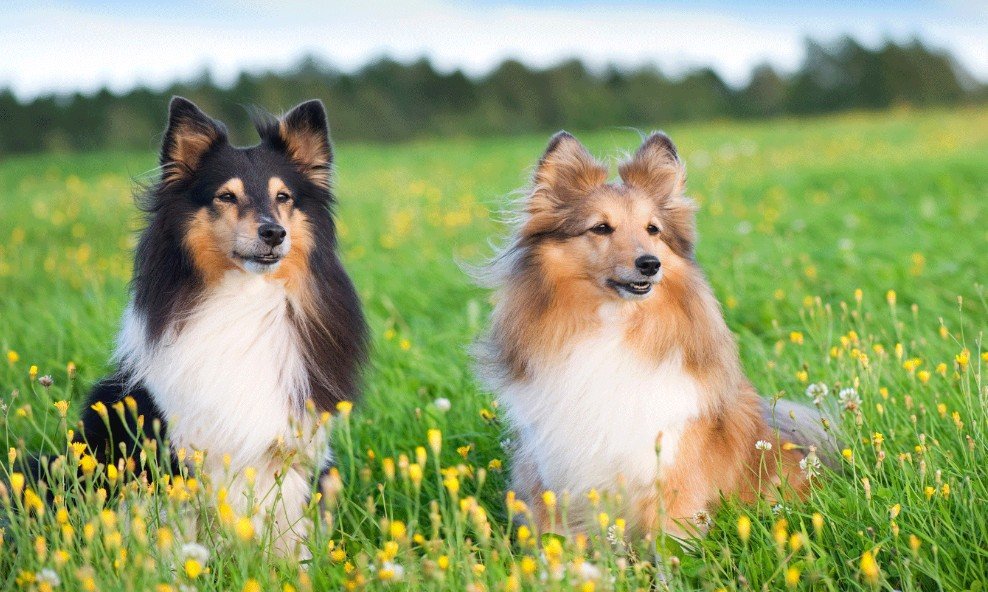
A Caring and Perceptive Friend
The Sheltie, another name for the Shetland Sheepdog, is a small to medium-sized working dog breed that has been prized for generations for its loyalty, intelligence, and agility. Although this breed is unique and has its own traits, it is most famous for being similar to the Collie, especially the rough-coated Collie. A popular companion dog in households all over the world, the Shetland Sheepdog was originally developed for sheep herding in the Shetland Islands.
The Shetland Sheepdog is still one of the most popular herding breeds for both people and families, Below we will explore its history, physical traits, temperament, care needs, and training advice.
Origins and History
The Shetland Islands, which are in northern Scotland, have a long and illustrious history with the Shetland Sheepdog. Due to the difficult agricultural conditions on these rocky, remote islands, a tiny, nimble herding dog was essential. The Scottish Collies, Border Collies, and smaller native dogs that were raised to survive the severe island environment were probably the forebears of the Shetland Sheepdog.
Herding sheep, ponies, and other animals in the area was the original purpose of the Shetland Sheepdog breed. Gathering and safeguarding animals, sometimes in hostile environments, was its main duty. The breed was ideal for this rigorous task because of its tiny stature, intense energy, and fast reflexes.
Although the Sheltie was initially identified as a breed in the late 1800s, its popularity outside of the Shetland Islands did not increase until the early 1900s. Since receiving formal recognition from the American Kennel Club (AKC) in 1911, it has gained popularity as a companion dog, particularly in the US.
Sheltie Physical Traits and Coat
The stunning, sophisticated Shetland Sheepdog is distinguished by its flowing double coat and keen, perceptive face. The Sheltie’s primary physical attributes are as follows:
Sheltie Size and Weight
Males of the small-to-medium-sized Shetland Sheepdog breed usually have shoulder heights of 13 to 16 inches (33 to 41 cm). In general, females are a little bit smaller. They are quite nimble because to their small, muscular frame, which is necessary for strenuous jobs like herding.
The average weight of a Sheltie is between 15 and 25 pounds (7 and 11 kg). Their powerful and athletic frame makes them perfect for duties like agility contests and herding, even yet they are tiny enough to fit peacefully in most households.
Colour and Coat and Grooming Tips
One of the characteristics that sets the Shetland Sheepdog apart is its coat. It has a thick double coat, with longer, denser outer hair and a soft, insulating undercoat. Although the coat helps shield the dog from the Shetland Islands’ frigid climate, it also has to be regularly brushed to avoid knots and matting.
- Sable and White: The most popular coat colour, combining white and reddish-brown.
- Tri-Color: A blend of tan, white, and black.
- Blue Merle: A blue-gray coat with tan points and black spots.
- Sable Merle: A blend of blue merle’s marbled pattern with sable.
- Black and White: Less frequent but still present in the breed.
Regular brushing is necessary for the Sheltie’s coat, particularly during the twice-yearly shedding seasons. This keeps the coat glossy and healthy by removing dead hair and avoiding tangling.
Expression and Eye Colors
With almond-shaped eyes that are usually dark brown or sometimes blue, especially in merle-coated dogs, the Sheltie displays a keen, perceptive gaze. Their eyes give them a watchful, inquisitive appearance that is entirely consistent with their herding habits. Their sharp, focused look is further enhanced by their upright yet somewhat forward-tilted ears.
Sheltie Body Structure and Agility
When sprinting or herding, the Shetland Sheepdog’s large, bushy tail aids with balance. When comfortable, the tail is usually held low, but when excited or active, it may be elevated. The Sheltie’s athletic, well-proportioned physique blends strength and agility. The agility of this breed allows it to make sharp bends and sprint quickly, making it one of the best competitors in obedience and agility events.
Temperament and Personality of Sheltie
The intelligence, loyalty, and attentiveness of the Shetland Sheepdog are well-known. Despite being kind and loving in general, the breed possesses unique traits that are a reflection of its working past.
Intelligence and Obedience
The intelligence of the Sheltie is one of its most notable characteristics. The Shetland Sheepdog is a very trainable breed that performs exceptionally well in agility and obedience tests. Because of their want to please, this breed makes training enjoyable for both the owner and the dog. Because they pick things up quickly, shelties are often utilised in search and rescue missions as well as as therapy dogs.
Shelties need continuous mental stimulation to avoid harmful behaviours since, despite their intellect, they may grow bored fast. Using positive reinforcement strategies like praise and sweets, training them should be enjoyable and interesting.
Compassionate and Faithful Companionship
Shetland Sheepdogs have a strong sense of familial loyalty. They develop close relationships with their owners and often follow them around the house in search of love and care. Shelties are kind and affectionate animals who get along well with kids and other pets, despite their herding heritage. In households where they may participate in family activities, they flourish.
Despite their affection, Shelties may be reticent with strangers and may be cautious around strangers. For the Sheltie to feel at ease around new people and circumstances, early socialisation is crucial. Although they are not violent, they may bark to warn their owners of outsiders since they are protective.
Sheltie Exercise and Energy Levels
Because of their high level of energy, Shelties need to exercise often in order to be content and healthy. Their agility makes them ideal for canine sports like agility trials and obedience contests, and they like outdoor pursuits like jogging, hiking, and fetch.
Shelties thrive on having a task to accomplish because of their herding heritage. This breed enjoys being active, whether it’s agility, obedience training, or retrieving a ball. Shelties may get bored and exhibit unwanted behaviours like excessive barking or chewing if they don’t get enough exercise and mental stimulation.
Sheltie Dog Health and Longevity
With a lifetime of 12 to 14 years, the Shetland Sheepdog is a typically healthy breed. Shelties, like other dog breeds, are susceptible to some health issues, however. A healthy diet, regular veterinarian examinations, and appropriate exercise may all help control these risks.
- Hip Dysplasia: A hereditary disorder causing improper hip joint growth, leading to pain and arthritis.
- Collie Eye Anomaly (CEA): A genetic eye disorder that may result in blindness if neglected.
- Hypothyroidism: An underactive thyroid that may cause skin issues, fatigue, and weight gain.
- Progressive Retinal Atrophy (PRA): A degenerative eye condition causing vision loss.
To be sure you are obtaining a healthy puppy, it is crucial to engage with a respectable breeder that does health testing for these issues. Additionally, shelties should have regular veterinary checkups, flea and tick control, and current vaccines.
Grooming and Maintenance Tips
For the Shetland Sheepdog to remain healthy and attractive, its thick double coat has to be regularly groomed. What you should know is as follows:
Cleaning, Brushing and Coat Care
To avoid matting and tangling, shelties should be brushed at least twice or three times a week, or more often during the shedding season. To reduce shedding around the house, their lengthy coat has to be brushed to get rid of dead hair.
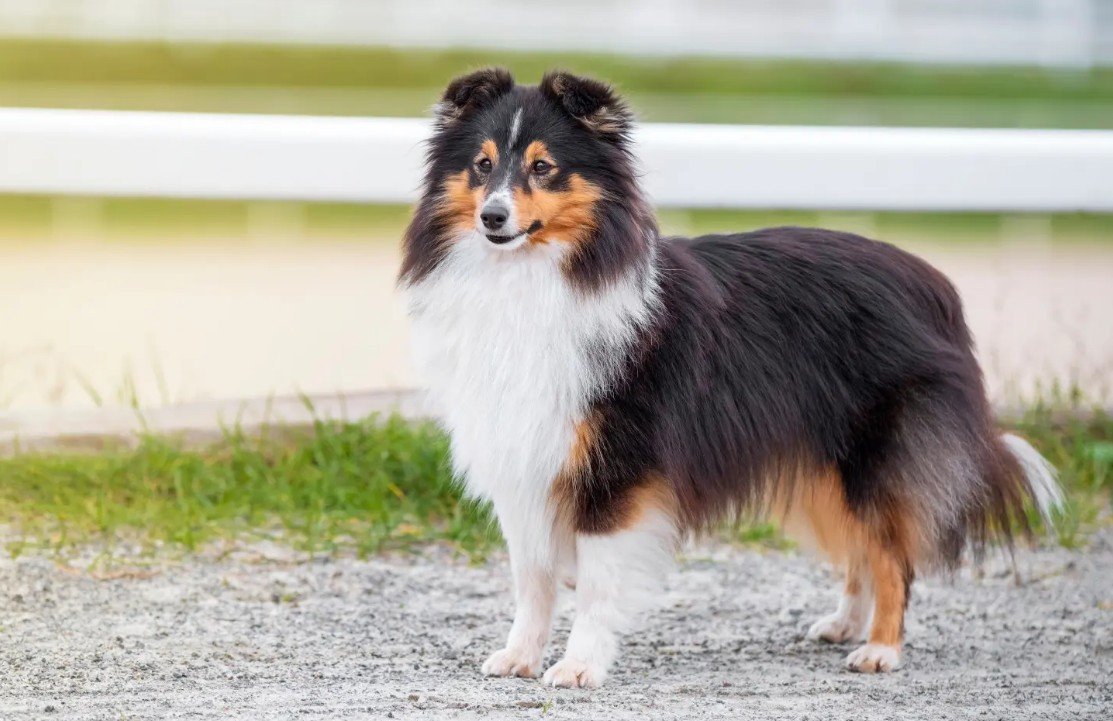
Sheltie Dog Bathing Guidelines
Although they don’t need to be bathed often, the Shetland Sheepdog’s coat will stay clean and glossy with the odd bath. To keep their skin from drying out, use a gentle dog shampoo.
Trimming Nails, Paw and Nail Care
Shelties, like other dogs, need regular nail care to prevent pain and overgrowth. Make careful to examine the nails every few weeks, particularly if outdoor activities aren’t wearing them down naturally.
Sheltie Dog Oral Hygiene
Given their propensity for tooth problems, Shelties should practise good oral hygiene. Plaque accumulation may be avoided by using a canine toothbrush and toothpaste to clean your dog’s teeth.
FAQ (Frequently Asked Questions) about Shetland Sheepdog
Q: What is a Shetland Sheepdog?
Ans: The Shetland Sheepdog, or Sheltie, is a small to medium-sized herding dog breed that originated from the Shetland Islands in Scotland. They are known for their intelligence, agility, and affectionate nature.
Q: Are Shetland Sheepdogs good with children?
Ans: Yes, Shetland Sheepdogs are generally good with children. They are affectionate and gentle, making them great companions for families with kids.
Q: How much exercise does a Shetland Sheepdog need?
Ans: Shetland Sheepdogs are an active breed that requires regular exercise to stay happy and healthy. Daily walks, playtime, and mental stimulation are essential to meet their needs.
Q: Do Shetland Sheepdogs shed a lot?
Ans: Yes, Shetland Sheepdogs shed year-round, with heavier shedding during the spring and fall. Regular grooming helps manage their thick coat and reduce shedding.
Q: Are Shetland Sheepdogs easy to train?
Ans: Shetland Sheepdogs are highly intelligent and eager to please, making them relatively easy to train. They respond well to positive reinforcement and consistency in training.
Q: What is the lifespan of a Shetland Sheepdog?
Ans: The average lifespan of a Shetland Sheepdog is between 12 and 14 years, though some may live longer with proper care and attention to their health.
#ShetlandSheepdog #Sheltie #HerdingDogs #AgilityDogs #DogLovers #SmartDogs #SheltieFacts #FamilyDogs #SheltieTraining #DogBreeds
Our sources and references about Shetland Sheepdog
1: American Kennel Club – Shetland Sheepdog
2: Petfinder – Shetland Sheepdog
3: DogTime – Shetland Sheepdog
4: Pets Stack Exchange – Shetland Sheepdog


