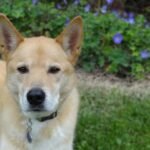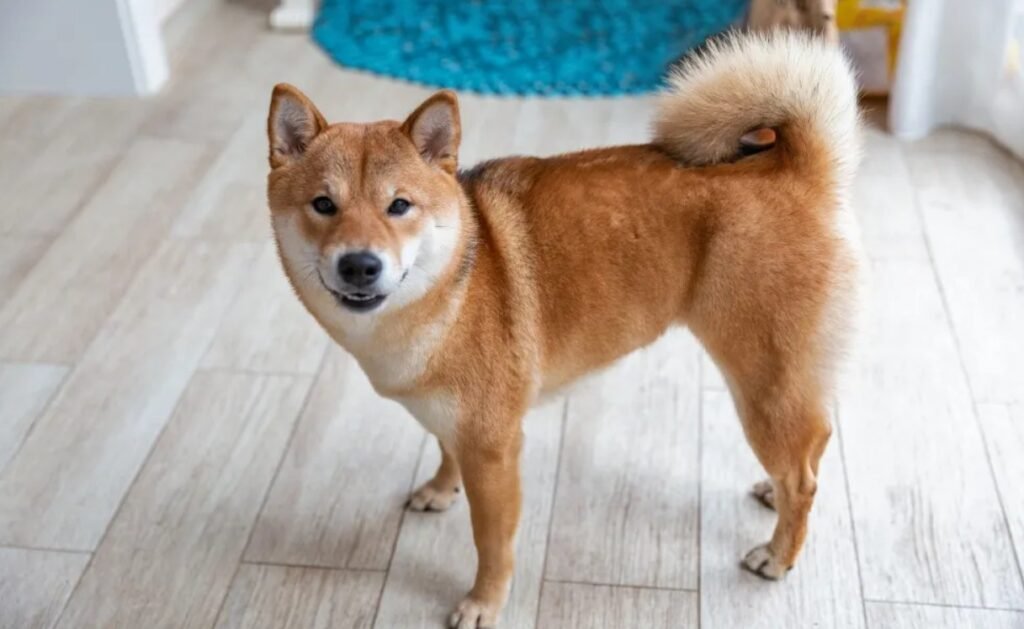
The Shiba Inu is a small, agile dog breed from Japan, originally bred for hunting small game. Known for their fox-like appearance, alert expression, and curled tails, Shiba Inus are one of the oldest and most popular dog breeds in Japan. With a bold, independent personality, they can be reserved or aloof with strangers but are affectionate with their family. They are also highly intelligent, energetic, and can be quite stubborn, making them an excellent choice for experienced dog owners. The breed’s fox-like looks and unique temperament have made the Shiba Inu a beloved companion worldwide.
Quick Top 10 Facts about Shiba Inu
| SCIENTIFIC NAME | Canis lupus familiaris |
| CLASSIFICATION | KINGDOM: Animalia PHYLUM: Chordata CLASS: Mammalia ORDER: Carnivora FAMILY: Canidae GENUS: Canis SPECIES: C. lupus (domestic dog) |
| SIZE | Height: 13.5–16.5 inches (34–42 cm) Weight: 17–23 lbs (8–10 kg) |
| SPECIES | The Shiba Inu is a breed of dog that originated in Japan. It is one of the most popular breeds in Japan and is also gaining popularity worldwide for its fox-like appearance and independent nature. |
| APPEARANCE | The Shiba Inu has a compact, muscular build with a curled tail and an alert, fox-like face. Their double coat is dense and comes in colors like red, black and tan, and sesame (red with black-tipped hairs). Their eyes are small, dark, and almond-shaped, contributing to their keen expression. |
| LIFE SPAN | 12–16 years |
| HABITAT | Shiba Inus are adaptable and can thrive in a variety of environments, including apartments and homes with yards. They require regular exercise and mental stimulation to keep them happy and healthy. |
| DIET | A Shiba Inu should be fed a high-quality, balanced diet that meets their nutritional needs. They should be given regular meals with appropriate portion sizes to avoid obesity, as they can be prone to overeating if left unchecked. |
| NATURAL PREDATORS | Shiba Inus are domesticated dogs and do not have natural predators. However, their instinct to chase smaller animals may lead them to pursue prey, such as squirrels or small birds. |
| COUNTRY | Shiba Inus are originally from Japan, where they were bred as hunting dogs, especially for hunting small game like birds and rabbits. They are considered a national treasure in Japan. |
| GESTATION PERIOD | The gestation period for a Shiba Inu is around 63 days, similar to other dog breeds. |
| CONSERVATION STATUS | Shiba Inus are not endangered. They are a popular dog breed globally, with a stable population and widespread availability. |
Amazing Facts About Shiba Inu
1. Independent and Strong-Willed
Shiba Inus are known for their independent personalities. They are highly intelligent but can be stubborn, which means they require consistent training from an early age to learn commands and house rules.
2. A Fox-Like Appearance
Shiba Inus resemble foxes due to their pointed ears, curled tail, and alert expression. Their coat comes in vibrant colors like red, black, and tan, making them one of the most visually striking breeds.
3. Prone to “Shiba Scream”
When Shiba Inus are frightened, excited, or frustrated, they are known to emit a high-pitched “Shiba scream,” which is quite unique and can be startling for owners who aren’t used to it.
4. Excellent Groomers
Shiba Inus are fastidious groomers. They regularly lick their coats, keeping them clean. Despite this, they still require regular brushing, especially during shedding seasons.
5. Highly Active and Agile
Shiba Inus are energetic dogs who enjoy regular physical exercise and mental stimulation. They thrive in environments where they can run, play, and explore.
6. Loyal to Their Families
Shiba Inus are very loyal to their owners. They tend to form a strong bond with their families but can be aloof or reserved with strangers.
7. Minimal Barking
Unlike some other breeds, Shiba Inus are known for being relatively quiet. They tend to bark only when necessary, such as when alerting their owners to a potential threat.
8. Clean Dogs
Shiba Inus are one of the cleanest dog breeds, often acting cat-like in their grooming habits and choosing a specific spot to relieve themselves, making house training easier.
9. Good Health and Longevity
Shiba Inus are generally healthy dogs, with a lifespan of 12 to 16 years. Regular vet check-ups and a healthy diet are essential for maintaining their well-being.
10. Great Watchdogs
With their keen sense of hearing and strong protective instincts, Shiba Inus make excellent watchdogs. They are alert to their surroundings and will often be the first to notice when something unusual is happening.
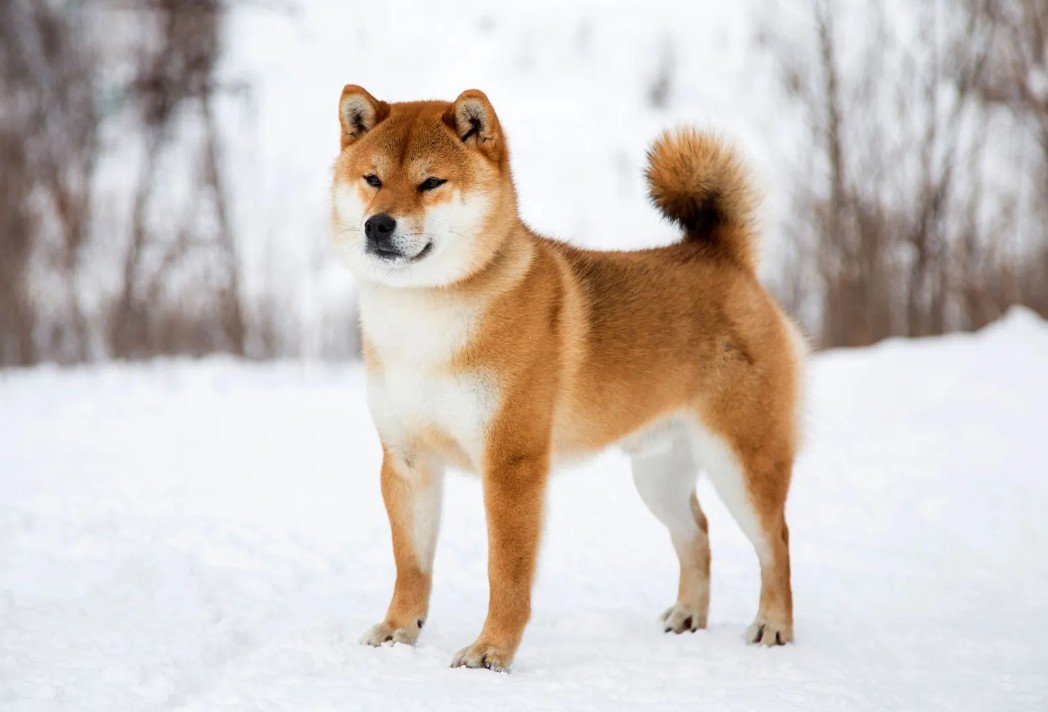
Shiba Inu: The Self-Reliant and Faithful Japanese Pet
Japan is the birthplace of the small-to-medium-sized Shiba Inu dog breed. One of the most popular native breeds in Japan is the Shiba Inu dog, which is distinguished by its fox-like look, lively disposition, and high intellect. The Shiba Inu puppy has captured the hearts of dog lovers worldwide with its alert face, smooth coat, and curled tail. Despite being developed for hunting, it is now often maintained as a companion animal.
We will go over the Shiba Inu breed guide, physical traits, temperament, training advice, and maintenance needs in this extensive guide, giving you all the information you need to choose if this energetic breed is the ideal match for you.
Japanese Dog Breed History
With a millennium-long heritage, the Shiba Inu history is among the most recognisable and ancient breeds in Japan. Although “Shiba” is said to possibly relate to the brushwood bushes (shiba) that are present in Japan’s hilly areas, where the breed was first utilised for hunting, the term “Shiba Inu” generally translates to “small dog” in Japanese.
History and Hunting Dog Origins
In Japan’s hilly areas, the Shiba Inu hunting dog was first developed to hunt small animals, including birds and rabbits. It was a versatile hunter due to its tremendous energy, agility, and acute sense of smell. For generations, the breed was used to assist its masters in capturing game in challenging conditions.
The Shiba Inu working dog needed to be self-sufficient and inventive in order to forage in thick undergrowth and climb high hills. In Japan, it grew to represent tenacity and resolve throughout time.
Shiba Inu Breed Conservation
Due to a decrease in hunting and interbreeding with other breeds, the Shiba Inu dog breed almost became extinct during and after World War II. Nevertheless, in the 1950s, attempts were undertaken to bring the breed back to life, and selective breeding rescued the Shiba Inu dog, giving rise to the dog of today.
The Shiba Inu pet dog is now well-liked in Japan and outside because of its small stature, fearless nature, and fox-like look. The American Kennel Club (AKC) acknowledges it as a member of the Non-Sporting Group.
Physical Attributes: Size and Appearance
The small, muscular frame of the Shiba Inu dog is well-proportioned, making it ideal for agility and endurance. The following are the main physical characteristics of the breed:
Size and Weight
Shiba Inus range in size from little to medium. The average shoulder height of an adult man is between 14.5 and 16.5 inches (37 and 42 cm), but the average shoulder height of an adult female is somewhat lower. Shiba Inu weight usually ranges between 17 and 23 pounds (8 and 10 kg), while some may weigh significantly less or more depending on their genetic makeup and body type.
Coat Colors and Fur Types
The thick, double-layered Shiba Inu coat, which is composed of a rougher, straight outer coat and a soft, dense undercoat, is one of its most remarkable characteristics. The breed’s ability to resist the cold in Japan’s hilly areas was aided by its coat.
The coat of the Shiba Inu dog is available in a variety of colours:
- Red Shiba Inu: The most popular and conventional colour with lighter tan patterns on the face, legs, and belly.
- Black and Tan Shiba Inu: Black coat with tan accents on the face, chest, legs, and eyebrows.
- Sesame Shiba Inu: Red base coat with black-tipped hairs, giving a speckled appearance.
- Cream Shiba Inu: Less common, pale coat with distinctive tan markings on legs and face.
Shiba Inus are distinguished by their fox-like features, including almond-shaped eyes, a pointed face, and an upright tail that curls over the back. Their expression, which reflects their independent and strong-willed temperament, is often characterised as alert, confident, and lively.
Shiba Inu Tail and Appearance
Another characteristic that sets the Shiba Inu breed apart is its tail. It often rests against the dog’s body while closely coiled over its back. The Shiba Inu’s distinctive profile is derived from its tail, which enhances its fox-like appeal. Particularly in colder climates, the tail’s thick coat of fur gives it a fluffy appearance.
Shiba Inu Temperament and Personality
Shiba Inus are renowned for being independent, which sometimes gives the impression that they are distant or unyielding. This does not imply that Shiba Inus are inhospitable or untrainable. Rather, its personality combines curiosity, aggressiveness, and a deep feeling of familial devotion.
Devoted and Caring
Despite their tendency towards independence and reserve, Shiba Inus have a strong sense of loyalty to their owners. Shiba Inu affectionate dogs are loving and protective once they develop a link with their family. Shiba Inus often form strong bonds with one or two family members, but once trust is built, they can get along with everyone they encounter.
Even though Shiba Inus are independent, they do want to spend time with their family. Even though they might be picky about how much attention they get, they often like participating in family events. Although they may not actively seek out cuddles as certain breeds do, they will often sit close to their owner as a sign of devotion.
Self-sufficient and Resolute
The Shiba Inu independent dog breed is very self-reliant. This indicates that while they are bright, they may also be quite obstinate and may not always obey orders as you would anticipate from other breeds. This characteristic may make Shiba Inu training difficult for new dog owners.
Shiba Inus need continuous, upbeat training techniques because of their strong-willed nature. For the dog to get along with strangers and other pets, early socialisation is also essential. A properly socialised Shiba Inu dog may become more tolerant of unfamiliar situations, people, and animals.
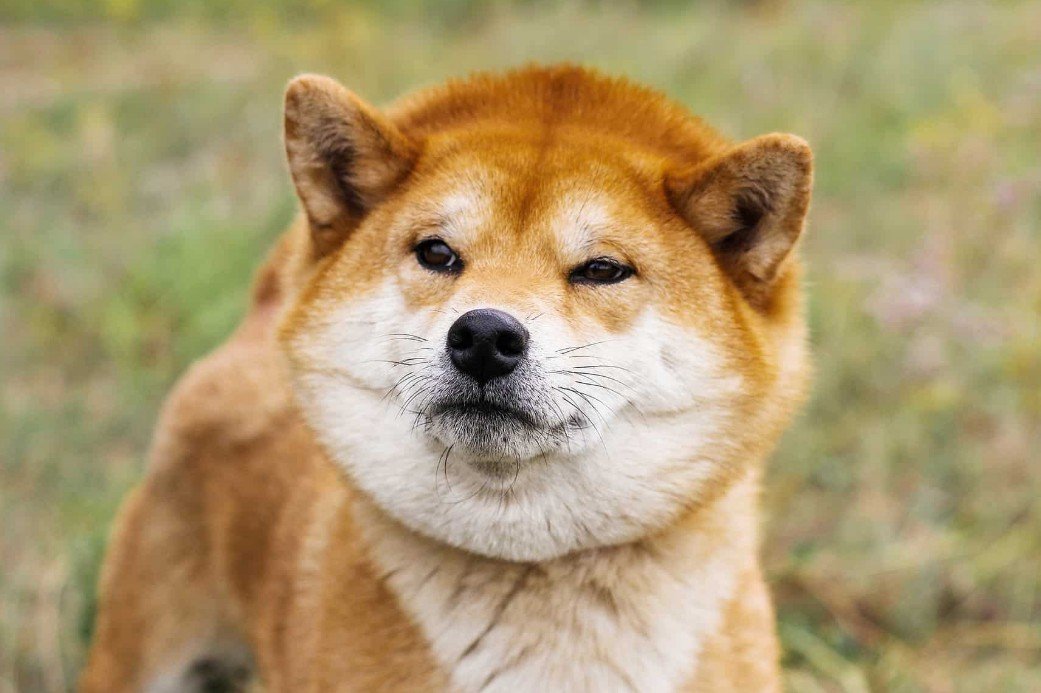
Vivacious and Playful
Being an energetic breed, Shiba Inus need to exercise often to maintain their happiness and well-being. They enjoy playing, taking walks, and running around the yard. The Shiba Inu is not as energetic as some other breeds, but it enjoys a good game of play, particularly when it includes chasing a ball or participating in agility training.
Shiba Inus like peaceful times despite their energetic disposition. They may be happy to just sit around the home or observe the outside world.
Vigilant and Safe
Shiba Inus make great watchdogs because they are inherently vigilant. They are excellent at warning their owners of possible dangers because of their strong territorial instincts, which cause them to often bark at strange noises or persons. To make sure they understand when it’s proper to raise the alarm, early training and socialisation are crucial since this protectiveness may sometimes result in excessive barking.
Shiba Inu Training and Socialisation Advice
The Shiba Inu is not usually the simplest dog to teach because of their independence. It is possible to teach a Shiba Inu appropriate behaviour and obedience if you are patient, consistent, and provide positive reward.
Positive Reinforcement for Shiba Inu
- Positive Reinforcement: Shiba Inus react most favourably to training that uses toys, praise, and rewards. Harsh teaching methods or punishment often backfire on this breed, making them more scared or resistant.
- Short Training Sessions: Training sessions should be quick and interesting since Shiba Inus have a limited attention span. One lengthy training session is less effective than many shorter ones spread out throughout the day.
- Firm Consistency: Shiba Inus need consistent rules and orders despite their intelligence. When reiterating limits with them, you must be persistent and patient since they might be resistant.
- Socialisation: Shiba Inus benefit greatly from early and continuous socialisation. Early exposure to various settings, people, and other animals may help prevent future behavioural problems.
Lifespan and Health Considerations
Shiba Inus often live 12 to 15 years and are a healthy breed. They may, however, be susceptible to certain medical disorders, just like any other dog. Maintaining a healthy lifestyle and scheduling regular veterinarian checkups can help guarantee your Shiba Inu health.
Common Shiba Inu Health Problems
- Hip dysplasia: Hereditary disorder causing hip joint misalignment and arthritis.
- Patellar luxation: Kneecap dislocation leading to pain or lameness.
- Allergies: Skin allergies, especially to dust mites or pollen.
- Progressive retinal atrophy (PRA): Degenerative eye disease causing blindness.
Many of these health concerns may be reduced with regular exercise, a healthy diet, and appropriate treatment.
Maintaining and Taking Care of Shiba Inus
Regular grooming is necessary for the Shiba Inu’s thick double coat, particularly during the twice-yearly shedding seasons. What you should know is as follows:
Shiba Inu Brushing and Shedding Care
Shiba Inus need more regular brushing since they shed a lot twice a year, generally in the spring and autumn. Weekly brushing should be enough to get rid of excess hair and avoid matting at regular periods.
Bathing Frequency
It’s usually sufficient to give your Shiba Inu a bath every two to three months. Feel free to give them more frequent baths, however, if they get very filthy.
Nail Care
Regular nail trimming will prevent overgrowth and possible injury. Every few weeks, check the nails.
FAQ (Frequently Asked Questions) about Shiba Inu
Q: What is a Shiba Inu?
Ans: The Shiba Inu is a small, fox-like dog breed from Japan. Originally bred as a hunting dog, they are known for their alertness, independence, and bold personality.
Q: Are Shiba Inus good pets for families?
Ans: Yes, Shiba Inus can make excellent family pets. They are affectionate with their families but may require socialization and training to ensure they are well-behaved around children.
Q: How big do Shiba Inus get?
Ans: Shiba Inus typically weigh between 17–23 lbs (8–10 kg) and stand about 13.5–16.5 inches (34–42 cm) tall.
Q: Are Shiba Inus easy to train?
Ans: Shiba Inus are intelligent but can be independent and stubborn, which means they require consistent, positive reinforcement training. Early socialization is also important.
Q: Do Shiba Inus shed a lot?
Ans: Yes, Shiba Inus shed seasonally, especially during spring and fall. Regular brushing can help manage their shedding and keep their coat healthy.
Q: Are Shiba Inus good with other pets?
Ans: Shiba Inus can get along with other pets if properly socialized, though they have a strong prey drive and may not be the best choice for households with small animals like rabbits or guinea pigs.
#ShibaInu #JapaneseDogs #FoxLikeDogs #LoyalDogs #ShibaInuFacts #DogLovers #SmartDogs #ShibaInuTraining #SmallDogBreeds
Our sources and references about Shiba Inu
1: American Kennel Club – Shiba Inu
2: DogTime – Shiba Inu
3: Petfinder – Shiba Inu
4: Daily Paws – Shiba Inu