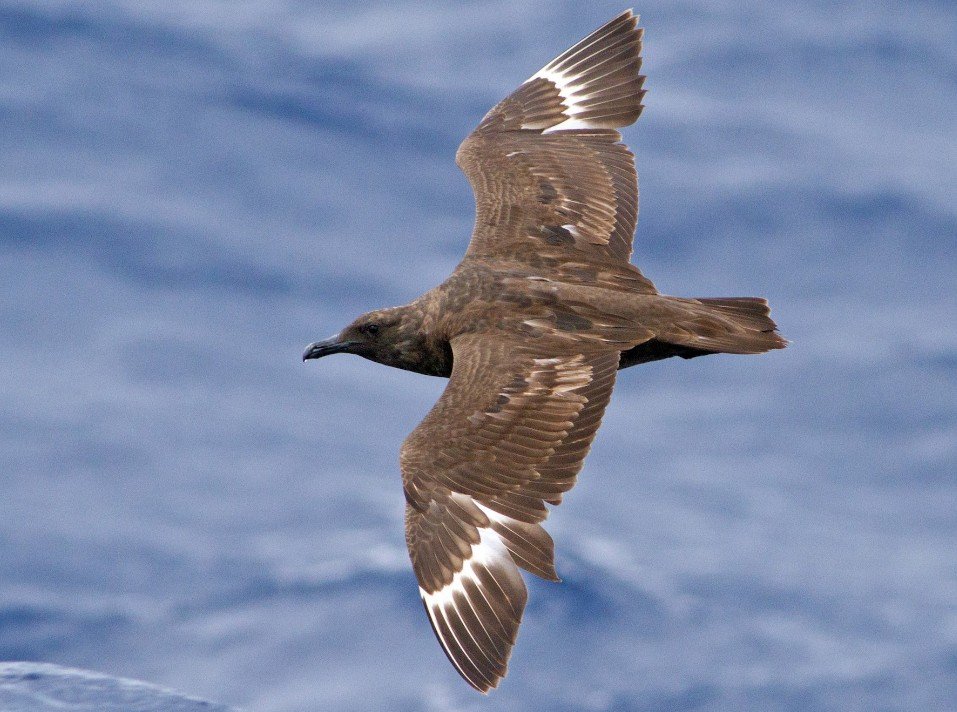
Skuas are large seabirds found in the northern and southern hemispheres. Known for their aggressive behavior, skuas are often referred to as the “pirates of the seabird world” due to their habit of stealing food from other birds. They are strong fliers and capable hunters, preying on fish, eggs, and even smaller seabirds. Skuas breed in the Arctic and sub-Arctic regions and migrate to more temperate climates during the winter. Their bold nature and sharp beaks make them formidable predators in their environments.
Quick Top 10 Facts about Skua
| SCIENTIFIC NAME | Stercorarius (genus that includes various species such as S. skua and S. pomarinus) |
| CLASSIFICATION | KINGDOM: Animalia PHYLUM: Chordata CLASS: Aves ORDER: Charadriiformes FAMILY: Stercorariidae |
| SIZE | Length: 45–55 cm (18–22 inches), wingspan: 110–130 cm (43–51 inches) Weight: 500–1,000 grams (1.1–2.2 lbs) |
| SPECIES | Great Skua (Stercorarius skua), Pomarine Skua (S. pomarinus), Parasitic Jaeger (S. parasiticus), and Long-tailed Jaeger (S. longicaudus) |
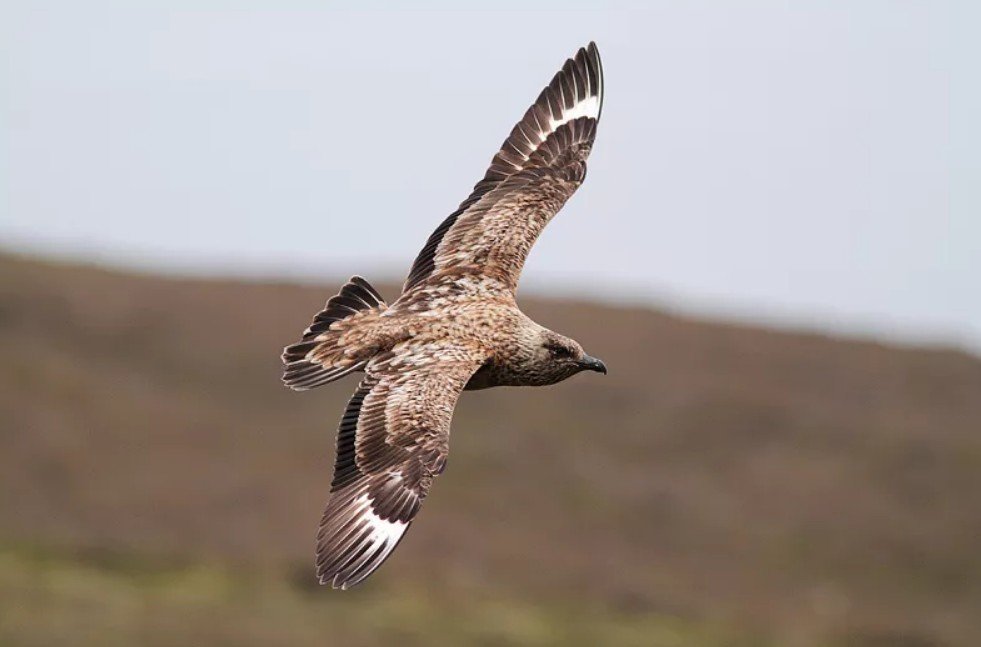
| APPEARANCE | Skuas have robust bodies with long, pointed wings and dark plumage, often brown or gray with white markings. They have sharp, hooked beaks and strong legs for walking and hunting. |
| LIFE SPAN | Typically 15–20 years in the wild, though some individuals have been known to live longer. |
| HABITAT | Skuas are found in coastal regions, including tundra, polar regions, and some temperate islands. They breed in the Arctic and sub-Arctic regions and migrate to warmer areas for the winter. |
| DIET | Skuas are carnivorous and opportunistic feeders, hunting for fish, small seabirds, eggs, and scavenging from other birds. |
| NATURAL PREDATORS | Skuas have few natural predators due to their aggressive behavior, but they are occasionally targeted by larger birds of prey, such as eagles. |
| COUNTRY | Skuas are found in the northern and southern hemispheres, including the Arctic, Antarctic, and sub-Antarctic regions, and coastal areas of Europe, North America, and Australia. |
| GESTATION PERIOD | Skuas lay eggs with a typical incubation period of 23–27 days, depending on the species. Both parents share the incubation and care duties. |
| CONSERVATION STATUS | While some skua species are listed as near-threatened or vulnerable due to habitat loss and climate change, many skuas are still abundant and widespread. |
Amazing Facts About Skua
1. Pirate of the Seabird World
Skuas are known for their piracy, often stealing food from other seabirds like gulls and terns. Their bold behavior allows them to get away with this tactic.
2. Skilled Hunters
Skuas are capable hunters, preying on fish, small seabirds, and even scavenging eggs from other birds’ nests. They can dive to catch their prey mid-flight or snatch it from the water.
3. Aggressive Defense
When defending their nests, skuas are extremely aggressive and will dive-bomb potential threats, including humans, to protect their eggs and chicks.
4. Long-Distance Migrants
Skuas are migratory birds, traveling vast distances between their breeding grounds in the Arctic and wintering habitats in temperate and subtropical regions.
5. Impressive Flyers
Skuas are powerful flyers, known for their ability to soar and glide long distances over the ocean in search of food and suitable nesting sites.
6. Strong Family Bonds
Skuas typically form monogamous pairs during the breeding season, with both parents taking an active role in incubating eggs and raising chicks.
7. Aggressive Towards Other Birds
Skuas will often harass other birds to steal food, especially terns, which are known to be their primary food source.
8. Adaptability to Different Climates
Though they primarily breed in the Arctic, skuas are highly adaptable and can thrive in a range of climates, from temperate coastal areas to the icy polar regions.
9. They Use Their Sharp Beaks for Stealing
Skuas have sharp, hooked beaks, which are useful not only for catching and eating prey but also for stealing food from other seabirds.
10. Vulnerable Species
While some skuas are still common, several species, such as the Great Skua, face threats due to climate change, habitat loss, and disturbances caused by human activity.
Skua Bird: The Fierce Seabird of the Arctic and Antarctic Regions
Overview of the Skua Seabird Species
The skua is a robust and aggressive seabird belonging to the Stercorariidae family. It displays opportunistic feeding behaviour and a strong territorial nature. Skuas inhabit coastal regions, especially within polar and subpolar climates. Their predatory behaviour, striking appearance, and adaptability make them a compelling subject for seabird research.
Physical Characteristics of Skua Birds
General Size and Physical Adaptations of Skuas
Skuas are medium to large seabirds with distinctive physical adaptations. These traits help them survive extreme weather conditions and competitive marine environments.
Skua Size, Wingspan, and Overall Appearance
Skuas usually measure between 45 and 60 centimetres in length. Their wingspan typically ranges from 110 to 140 centimetres. They possess strong, muscular bodies adapted for long-distance flight and aerial conflict. Sharp, hooked beaks stand out as a defining feature. These beaks suit hunting, scavenging, and stealing food from other seabirds.
Plumage Colouration and Wing Markings
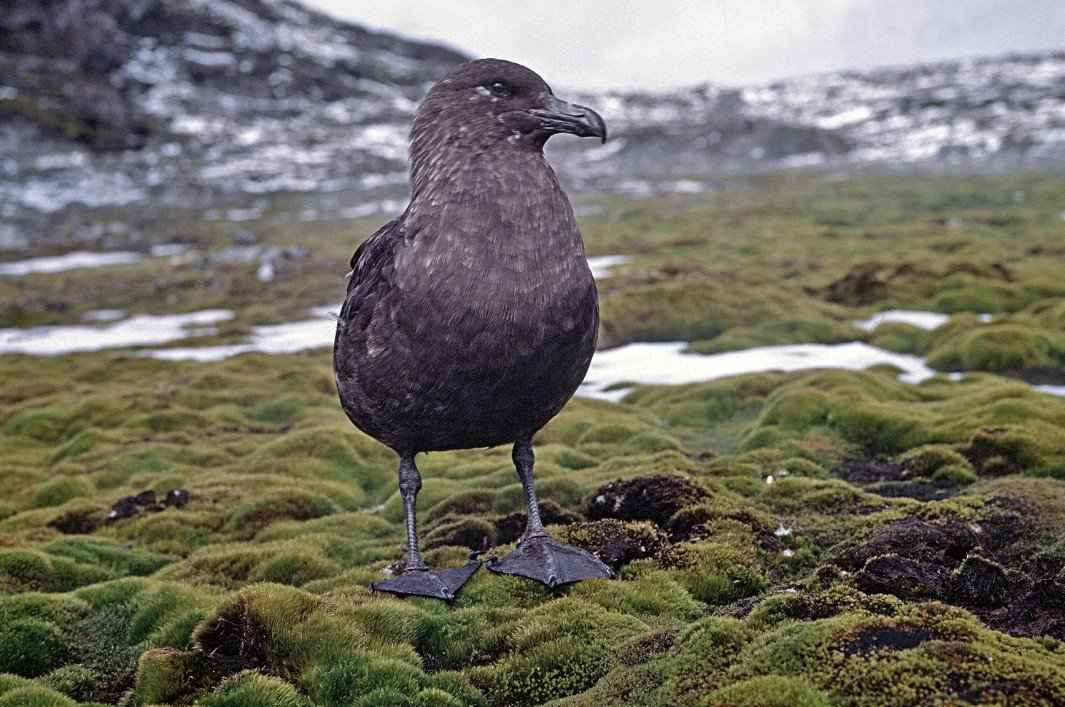
Skua plumage varies by species but generally appears dark in colour. Most species show combinations of brown, grey, or black feathers. Their underparts often appear paler. The head and neck usually appear darker than the body. Distinctive white wing patches or pale bands mark the wings.
Eyes, Beak, and Feet Structure of Skua Birds
Skuas have dark, piercing eyes that support long-distance prey detection. Their hooked beak resembles that of a hawk. This shape allows efficient tearing of flesh and fish. Strong feet help skuas walk across rocky or icy shorelines. Their feet also assist in gripping prey securely.
Skua Habitat and Global Distribution
Global Distribution of Skua Species
Skuas primarily inhabit Arctic, Antarctic, and subantarctic regions. Their distribution depends on food availability, nesting sites, and seasonal breeding migrations.
Polar and Subpolar Habitat Preferences of Skuas
Skua species commonly occupy Antarctic and Arctic coastlines. They also inhabit temperate regions such as South Georgia Island and the Falkland Islands. These seabirds favour remote coastal habitats. Rocky shorelines, glacial zones, and seabird colonies provide ideal conditions. During breeding seasons, skuas nest on tundra or grassy coastal ground.
Migration Patterns and Seasonal Movement
Some species, including the Pomarine skua, migrate seasonally between polar and temperate regions. Other skua species remain more sedentary year-round. Migration can cover vast oceanic distances. Skuas travel from breeding areas to food-rich temperate waters. Seasonal changes, prey availability, and weather influence migration behaviour.
Skua Diet and Feeding Habits
Opportunistic Feeding Behaviour of Skua Birds
Skuas display highly opportunistic and aggressive feeding strategies. They actively hunt prey while frequently scavenging. They also steal food from other seabirds and marine animals.
Typical Skua Diet Composition
The skua follows an omnivorous diet that varies by species and season. Common dietary components include:
- Fish in the Skua Diet: Skuas hunt small fish or scavenge from fishing vessels. They also capture prey directly from the water.
- Seabirds as Prey: Skuas prey on smaller seabirds, including gulls and penguins. They practise kleptoparasitism by chasing birds until prey is dropped.
- Eggs and Young Birds: Skuas raid seabird nests to steal eggs and chicks. Gulls and terns often suffer these attacks.
- Invertebrates and Crustaceans: Coastal invertebrates and crustaceans supplement their diet when available.
Scavenging and Kleptoparasitic Behaviour
Skuas act as aggressive scavengers within marine ecosystems. They harass seabirds such as gulls and pelagic species. This behaviour forces victims to regurgitate meals. Skuas also raid colonies, targeting unguarded eggs and chicks. Their aerial aggression earns both fear and respect among seabirds.
Skua Behaviour and Social Structure
Social Behaviour and Territorial Nature of Skuas
Skuas usually live solitary lives with strong territorial instincts. Their social behaviour varies by species and habitat. Competition for food and nesting space shapes their interactions.
Aggression and Territorial Defence
Skuas display intense aggression, especially during breeding seasons. They fiercely defend nesting territories from intruders. Threats include other skuas and competing seabirds. Sharp beaks and talons serve defensive and offensive purposes. Mated pairs often remain together for life. Both partners actively protect nests and feeding areas.
Mating, Nesting, and Chick Rearing
During breeding seasons, skuas build ground nests in tundra or grassy coastal regions. Females typically lay one or two eggs. Both parents share incubation duties. Chicks hatch precocial, with open eyes and early mobility. Parents aggressively defend chicks from predators and humans. Adults later teach fledglings essential hunting and scavenging skills.
Flight Abilities and Hunting Techniques
Skuas rank among the strongest flying seabirds. They sustain long-distance flights with ease. They soar above water while searching for prey. Diving and harassment tactics help secure food. Slow wingbeats alternate with gliding. Rapid swoops assist during pursuit and capture.
Ecological Role of Skua Birds
Ecological Importance of Skua Birds
Skuas function as both predators and scavengers. They play a crucial role in marine and coastal ecosystem balance.
Population Control and Predation Impact
Skuas regulate populations of smaller seabirds through predation. They target gulls, terns, and nesting colonies. This behaviour prevents overpopulation. Territorial defence also limits competition for food and nesting habitats.
Scavenging and Nutrient Recycling
Skuas contribute to coastal ecosystem health through scavenging. They consume dead fish and animal remains. This reduces organic waste accumulation. Their feeding habits support nutrient recycling processes.
Skua Birds as Indicators of Marine Ecosystem Health
Skuas closely reflect marine ecosystem conditions. Changes in population size or behaviour signal environmental shifts. Food availability and ocean health directly affect skua survival.
Skua Conservation Status and Threats
Current Conservation Classification
Most skua species remain classified as Least Concern by the IUCN Red List. However, some populations face emerging threats. Climate change, habitat disruption, and food scarcity raise concerns.
Human Impact on Skua Populations
Human activity indirectly affects skua populations worldwide. Overfishing reduces available fish stocks. Pollution degrades coastal habitats. Tourism and development disturb nesting areas. These pressures threaten long-term population stability.
Conservation Efforts and Habitat Protection
Conservation initiatives protect skua habitats across marine regions. Measures include marine protected areas and wildlife reserves. Fishing regulations also help maintain prey availability. These efforts reduce human impact on coastal ecosystems.
FAQ (Frequently Asked Questions) about Skua
Q: What do skuas eat?
Ans: Skuas are carnivorous and opportunistic feeders. They primarily hunt fish, small seabirds, and eggs, and they will often steal food from other birds.
Q: Are skuas aggressive?
Ans: Yes, skuas are known for their aggressive behavior, especially when protecting their nests and young. They will often dive-bomb and harass other birds and even humans.
Q: Where do skuas live?
Ans: Skuas are found in coastal regions, breeding in the Arctic and sub-Arctic regions, and migrating to temperate and subtropical regions for the winter.
Q: How do skuas catch their prey?
Ans: Skuas catch their prey by either hunting fish directly from the water or by stealing food from other seabirds. They can dive for prey or chase birds to rob them of their catch.
Q: Do skuas migrate?
Ans: Yes, skuas are migratory birds, traveling long distances between their breeding grounds in the Arctic and their wintering grounds in warmer coastal areas.
Q: Are skuas endangered?
Ans: While many skuas are not endangered, some species, such as the Great Skua, face threats due to habitat loss and climate change. They are considered near-threatened in some regions.
Q: How long do skuas live?
Ans: Skuas typically live 15–20 years in the wild, although some individuals have been known to live longer.
Q: Are skuas monogamous?
Ans: Yes, skuas typically form monogamous pairs during the breeding season and work together to care for their eggs and chicks.
Q: What is the “pirate” behavior of skuas?
Ans: Skuas are called “pirates” because they frequently steal food from other birds, such as gulls and terns, by harassing them until they drop their catch.
Q: Can skuas be kept in captivity?
Ans: Skuas are wild birds and are not suited for captivity. They require vast areas to hunt, migrate, and breed, which makes them difficult to care for in an enclosed environment.
#Skua #Seabirds #SeabirdPirates #BirdMigration #GreatSkuas #BirdsOfPrey #Wildlife #ArcticBirds #SeabirdFacts
Our sources and references about Skua
1: Wikipedia – Skua
2: Britannica – Skua
3: National Geographic – Skua
4: World Wildlife Fund – Skua