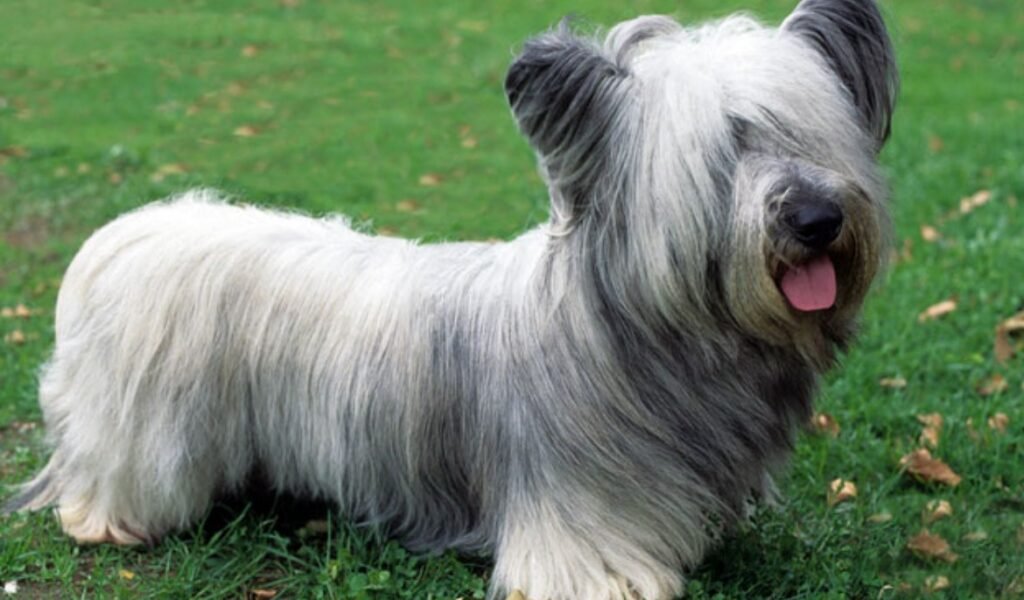
The Skye Terrier is a distinctive breed known for its long, flowing coat and bold, courageous personality. Originating from the Isle of Skye in Scotland, this breed was traditionally used for hunting small game such as foxes and badgers. Skye Terriers are recognized for their loyalty, intelligence, and independence. With a calm demeanor and a strong bond with their families, they make excellent companions. Despite their small size, they are known for their strong protective instincts, and their sleek, elegant appearance sets them apart in the world of terriers.
Skye Terrier Dog Scientific Classification
| SCIENTIFIC NAME | Canis lupus familiaris |
| CLASSIFICATION | KINGDOM: Animalia PHYLUM: Chordata CLASS: Mammalia ORDER: Carnivora FAMILY: Canidae |
| SIZE | Height: 25–28 cm (10–11 inches) at the shoulder Weight: 8–11 kg (18–24 lbs) |
| SPECIES | The Skye Terrier is a breed of dog recognized by the Kennel Club and the American Kennel Club. |
| APPEARANCE | Skye Terriers have long, straight coats with a silky texture, covering their entire body, including their head. They have a distinctive beard and eyebrows, giving them a unique, expressive look. |
| LIFE SPAN | Typically 12–15 years |
| HABITAT | Skye Terriers are adaptable and can live comfortably in both urban and rural environments. They were originally bred to live in caves and small hunting dens on the Isle of Skye. |
| DIET | A balanced diet with high-quality protein, vegetables, and appropriate nutrients for their size and activity level. |
| NATURAL PREDATORS | Historically, Skye Terriers were used to hunt small game, such as foxes and badgers, and they were trained to confront larger predators during hunting. |
| COUNTRY | Scotland, particularly the Isle of Skye, where the breed originated. |
| GESTATION PERIOD | Approximately 63 days. |
| CONSERVATION STATUS | While not endangered, the Skye Terrier is considered a rare breed, and efforts are made to maintain and improve its population and health. |
Skye Terrier Dog Facts
1. Originally a Hunting Dog
Skye Terriers were originally bred to hunt small animals such as foxes and badgers, and they were valued for their tenacity and ability to navigate small spaces.
2. Loyal and Protective
Skye Terriers are known for their loyalty to their owners and are often very protective of their family, making them great companions for families and individuals alike.
3. Rare and Unique Coat
The breed’s long, silky coat requires regular grooming to maintain its health and appearance. Their coat is a defining feature, providing them with a unique and elegant look.
4. Independent and Stubborn
Though they are affectionate, Skye Terriers are also independent and can be quite stubborn, which makes training a bit of a challenge. However, they are highly intelligent and can be trained with patience.
5. Calm and Quiet Nature
Skye Terriers are generally calm and quiet dogs, known for being less hyperactive compared to other terriers. They are suited for households where a more relaxed dog is preferred.
6. Great for Smaller Living Spaces
Due to their compact size and calm demeanor, Skye Terriers are well-suited for apartment living, provided they get enough exercise and mental stimulation.
7. Excellent Companion Dogs
Skye Terriers are loving and enjoy spending time with their family, making them great companion animals for people of all ages.
8. Excellent Health and Longevity
Skye Terriers are a relatively healthy breed, with few genetic issues. They tend to live long, happy lives, often reaching 12 to 15 years of age.
9. High Maintenance Grooming
Their long coats require regular grooming to keep them clean and tangle-free. Owners should expect to brush their Skye Terrier several times a week.
10. Playful Despite Their Calm Demeanor
Although known for their calm nature, Skye Terriers still enjoy playtime and engaging in activities like fetch and other dog-friendly games, especially when with their family.
Origins and History
Historical Background
The history of the Skye Terrier stretches back several centuries. Breeders originally developed this terrier to hunt and protect on the Isle of Skye. The dog hunted badgers, foxes, rabbits, and other small animals with great efficiency. Its small size and sharp senses made it a valuable hunting and farm companion in the Scottish Highlands.
Name, Heritage, and Scottish Roots
Name and Heritage: The breed takes its name from the rugged Isle of Skye in Scotland’s Inner Hebrides. As one of the oldest Scottish terrier breeds, the Skye Terrier gained recognition for its intelligence and determination over many generations.
Royal Associations and Historical Popularity
Royal Associations: Queen Victoria’s admiration for the Skye Terrier greatly increased its popularity during the nineteenth century. She owned several Skye Terriers, which brought the breed widespread attention. Frequent appearances in royal portraits further strengthened its reputation and status.
Traditional Hunting and Working Role
Hunting Role: Breeders originally designed the Skye Terrier as a skilled hunting dog. Its long, low body allowed it to enter burrows and retrieve small prey with ease. Farmers also relied on the breed to protect livestock and property from predators.
Physical Attributes and Appearance
Distinctive Appearance and Overall Build
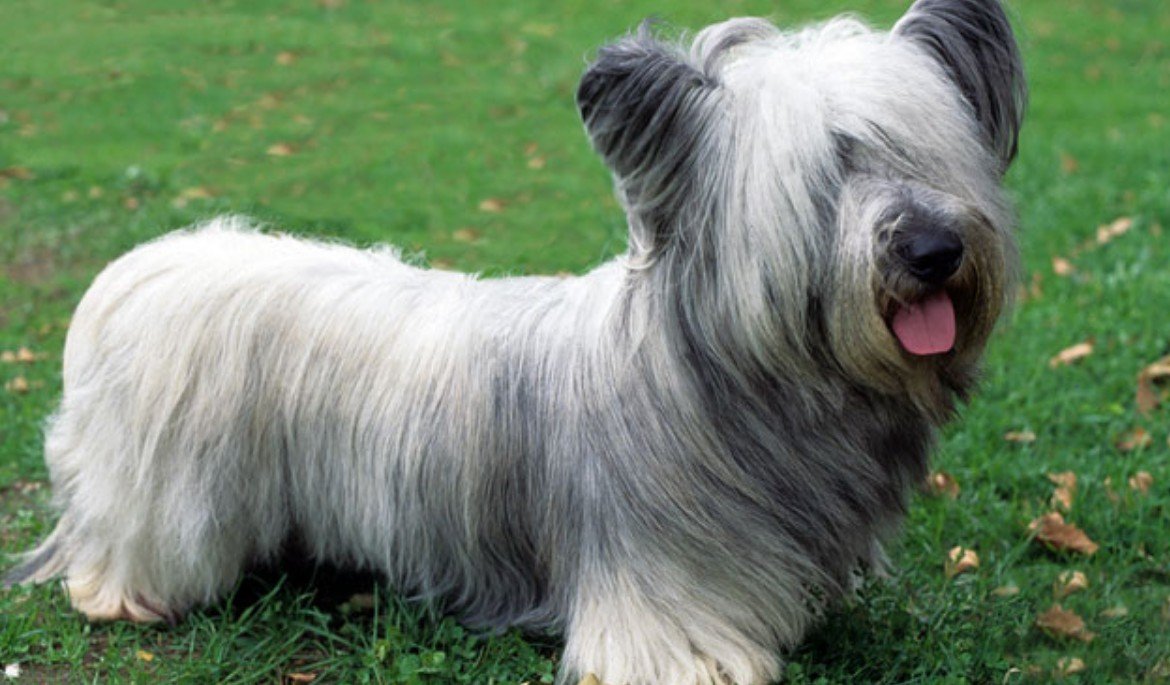
The Skye Terrier is an elegant and distinctive dog, instantly recognised by its long, flowing coat. Despite its small size, the breed carries itself with confidence and strength. Its overall appearance reflects both refinement and resilience.
Size and Weight
Size: The Skye Terrier is a small-to-medium-sized breed, typically weighing between 18 and 25 pounds (8 to 11 kg). It usually stands around 9 to 10 inches (23 to 25 cm) at the shoulder. This compact size suits flats and smaller homes well.
Coat Texture, Length, and Colour Variations
Coat & Colour: The breed’s most striking feature is its long, flowing coat, which can reach 6 to 8 inches in length. The coat feels smooth, thick, and straight, with a lighter undercoat beneath. Common colours include black, grey, blue, and cream. Regular grooming prevents matting and preserves the coat’s beauty.
Head Shape, Facial Features, and Expression
Head & Face: The Skye Terrier has a distinctive head with dark, almond-shaped eyes and a long, narrow muzzle. These features give the breed an alert and perceptive expression. Semi-erect, pointed ears and flowing facial hair frame the face elegantly.
Tail Structure and Tail Carriage
Tail: The Skye Terrier carries a long tail covered in flowing hair. The tail is usually held in a gentle curve, adding to the breed’s dignified and graceful appearance.
Personality, Temperament, and Behaviour
General Behaviour and Loyalty Traits
Skye Terriers are well known for their loyalty, intelligence, and devotion. They may appear reserved or independent, yet they form strong bonds with their owners. Their temperament makes them loving companions while retaining classic terrier alertness.
Affectionate Nature and Family Bonding
Adorable Nature: Although sometimes shy, Skye Terriers are deeply affectionate with their families. They enjoy close human contact and often follow owners from room to room. Their protective instincts do not prevent them from being gentle and loving pets.
Intelligence, Trainability, and Independent Traits
Intelligence: This breed learns quickly and responds well to positive reinforcement training. Skye Terriers thrive in mentally stimulating environments that challenge their intelligence. Their independent nature can cause stubborn moments, so consistent and patient training works best.
Compatibility with Children and Other Pets
Good with Children and Other Pets: Skye Terriers usually interact well with children, especially when raised alongside them. They may show a strong prey drive toward smaller animals, such as rabbits or birds. Early socialisation helps reduce this instinct and supports harmonious living.
Protective Instincts and Social Behaviour
Like many terriers, Skye Terriers remain alert and protective of their home. They may act cautiously around strangers and guard their territory. Early socialisation helps limit excessive barking and unnecessary suspicion.
Grooming and Care Needs
Coat Maintenance and Regular Grooming
Although the Skye Terrier sheds very little, it requires frequent grooming to maintain its long coat. Consistent care keeps the dog comfortable and prevents coat problems. Proper grooming also supports overall skin and coat health.
Brushing, Hand-Stripping, and Coat Care
Grooming: Owners should brush Skye Terriers at least two or three times each week. Regular brushing prevents tangles and matting in the long coat. Some owners choose hand-stripping to maintain texture and appearance. Grooming sessions also allow checks for skin issues.
Bathing Routine and Hygiene Care
Bathing: Bathing should occur only when necessary, depending on dirt and activity levels. A gentle dog shampoo helps maintain a soft, glossy coat. Thorough drying after bathing prevents matting and skin irritation.
Nail Trimming, Ear Cleaning, and Routine Care
Regular nail trimming prevents discomfort and supports healthy movement. Owners should clean the ears routinely, especially due to long hair trapping moisture. Consistent ear care helps reduce the risk of infections.
Exercise Requirements and Daily Activity Needs
Exercise Requirements: Despite its small size, the Skye Terrier needs regular exercise. Daily walks and play sessions usually meet its activity needs. With enough mental and physical stimulation, the breed adapts well to apartment living.
Lifespan, Health, and Common Conditions
Overall Health and Preventive Care
The Skye Terrier is generally a healthy breed with good longevity. Like all dogs, it can develop certain health conditions. Responsible breeding and regular veterinary care help reduce potential health risks.
Common Health Problems
Common Health Problems: Although generally healthy, the Skye Terrier may experience some breed-related conditions, including:
- Hip dysplasia in Skye Terriers, a hereditary condition affecting proper hip joint development.
- Progressive retinal atrophy (PRA) in dogs, a genetic eye disorder that may cause vision loss.
- Intervertebral disc disease (IVDD) in Skye Terriers, which can affect the spine and mobility, especially in older dogs.
Average Lifespan and Longevity
Lifespan: Skye Terriers typically live between 12 and 15 years. Many individuals reach advanced age with appropriate care. Regular check-ups, balanced nutrition, and sufficient exercise support a long, healthy life.
Family Pet and Companion
Suitability for Modern Homes and Families
The Skye Terrier makes an excellent companion for the right household. Its loyal, intelligent, and affectionate nature suits committed families and individuals. Thanks to its adaptability and compact size, it fits well into both flats and houses.
Living Needs, Mental Stimulation, and Lifestyle Fit
Although the breed has moderate exercise requirements, it benefits from regular mental stimulation. Social interaction with family members remains essential for emotional well-being. Low shedding and manageable activity needs suit owners with busy lifestyles.
Skye Terrier Dog FAQ (Frequently Asked Questions)
Q: What is a Skye Terrier?
Ans: A Skye Terrier is a small breed of dog that originated from the Isle of Skye in Scotland, known for its long coat, loyalty, and independent nature.
Q: How long do Skye Terriers live?
Ans: Skye Terriers typically live between 12 and 15 years, with proper care and a healthy lifestyle.
Q: Are Skye Terriers good with children?
Ans: Yes, Skye Terriers are known for being affectionate and good with children, making them excellent family pets.
Q: Do Skye Terriers shed a lot?
Ans: No, Skye Terriers do not shed excessively. However, they require regular grooming due to their long coats.
Q: Are Skye Terriers easy to train?
Ans: Skye Terriers are intelligent but independent and can be stubborn, making training challenging. However, with patience and consistency, they can learn quickly.
Q: What kind of grooming does a Skye Terrier need?
Ans: Skye Terriers require regular grooming to maintain their long coat. Brushing several times a week and occasional professional grooming is needed.
Q: Are Skye Terriers good for apartment living?
Ans: Yes, Skye Terriers are well-suited for apartment living due to their small size and calm demeanor, though they still need regular exercise and mental stimulation.
Q: Do Skye Terriers get along with other pets?
Ans: Skye Terriers are generally good with other pets, especially if they are introduced properly. However, their strong hunting instincts may make them less tolerant of small animals like rodents.
Q: How active are Skye Terriers?
Ans: Skye Terriers are not as active as some other terriers, but they still require regular exercise and enjoy outdoor activities with their owners.
Q: Are Skye Terriers easy to find?
Ans: Skye Terriers are considered a rare breed, so they may not be as readily available as more common dog breeds. Breeders and adoption organizations may have them on occasion.
#SkyeTerrier #ScottishDogs #TerrierBreed #SmallDogBreed #LoyalCompanion #DogLovers #SkyeTerrierFacts #TerrierLife #DogGrooming
Our sources and references about Skye Terrier
1: Wikipedia – Skye Terrier
2: American Kennel Club – Skye Terrier
3: DogTime – Skye Terrier
4: Petfinder – Skye Terrier