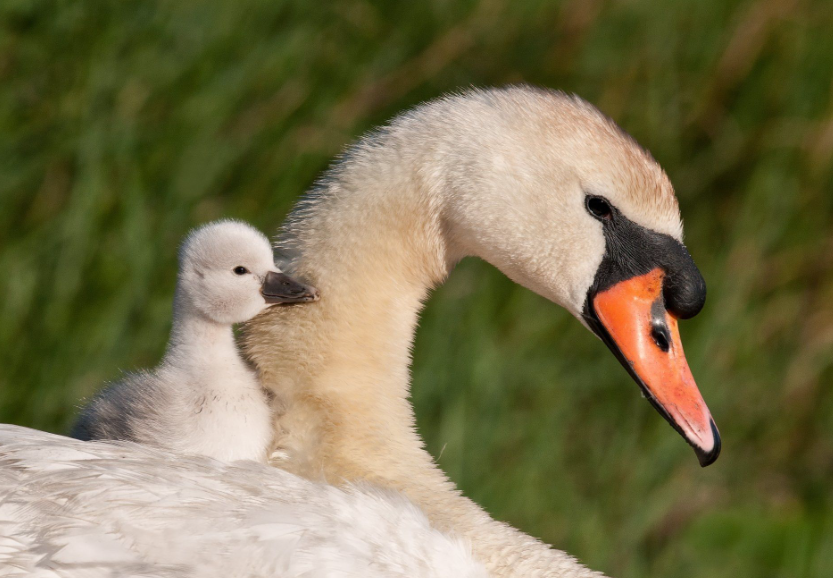
Swans are large, graceful waterfowl known for their long necks and white plumage (though some species, such as the black swan, are dark). Swans are often found in lakes, rivers, and wetlands, where they feed on aquatic plants and small animals. They are also known for their monogamous pair bonds, which often last for life.
Introduction to Swan as majestic and graceful creatures
Swans are elegant, graceful birds that are available in a wide range of hues. They belong to the Gruidae family and are closely related to geese and ducks. They are found all throughout the globe, with the mute swan, which is located in the Northern Hemisphere, being the most often seen. Swans find a love partner between the ages of 4 and 6 and become lifelong partners. They will devote many years of their lives to their spouse, and in the event of one’s death, the other will live out their days as a solitary person.
Quick Top 10 Facts About Swan
| SCIENTIFIC NAME | Cygnus (Swan) |
| CLASSIFICATION | KINGDOM: Animalia CLASS: Aves ORDER: Anseriformes FAMILY: Anatidae PHYLUM: Chordata GENUS: Cygnus |
| SIZE | Height: 1.2 to 1.5 meters (4 to 5 feet) tall Wingspan: 2 to 2.5 meters (6.5 to 8.2 feet) Weight: 5 to 15 kg (11 to 33 lbs) |
| HABITAT | Wetlands, lakes, rivers, and ponds in both temperate and tropical regions of the world |
| DIET | Herbivorous – Feeds mainly on aquatic plants, grasses, and roots; also eats some small invertebrates |
| SPECIES | Common species include the Mute Swan (Cygnus olor), Whooper Swan (Cygnus cygnus), and Black Swan (Cygnus atratus) |
| COUNTRY | Native to parts of Europe, Asia, and North America, species like the Black Swan are native to Australia |
| GESTATION PERIOD | Approximately 35-40 days |
| LIFE SPAN | Up to 10-20 years in the wild, though some can live longer in captivity |
| CONSERVATION STATUS | Least Concern – While most species are not threatened, some, like the Black Swan, have specific regional conservation needs |
Distinctive features of swans, such as their long necks and webbed feet
Swans live for 20 to 30 years and have a strong sense of territoriality when it comes to their home. They are attracted to lakes, rivers, marshes, and seas. They usually build their nests on reed beds at the water’s edge, using plant debris. Swans graze by dipping their heads into the water’s surface, eating small insects and aquatic plants. Young swans stay under the supervision of their parents until they reach about 18 months old before establishing their own nesting sites.
Feeding by dipping their long necks underwater to reach their food
Swans are famous for their grace and beauty, making them intriguing animals. These magnificent birds live around the globe, particularly in North America, Asia, and Europe. Swans are among the biggest flying birds, with certain species reaching a wingspan of up to 10 feet. Their graceful movements and long necks are truly impressive to watch. 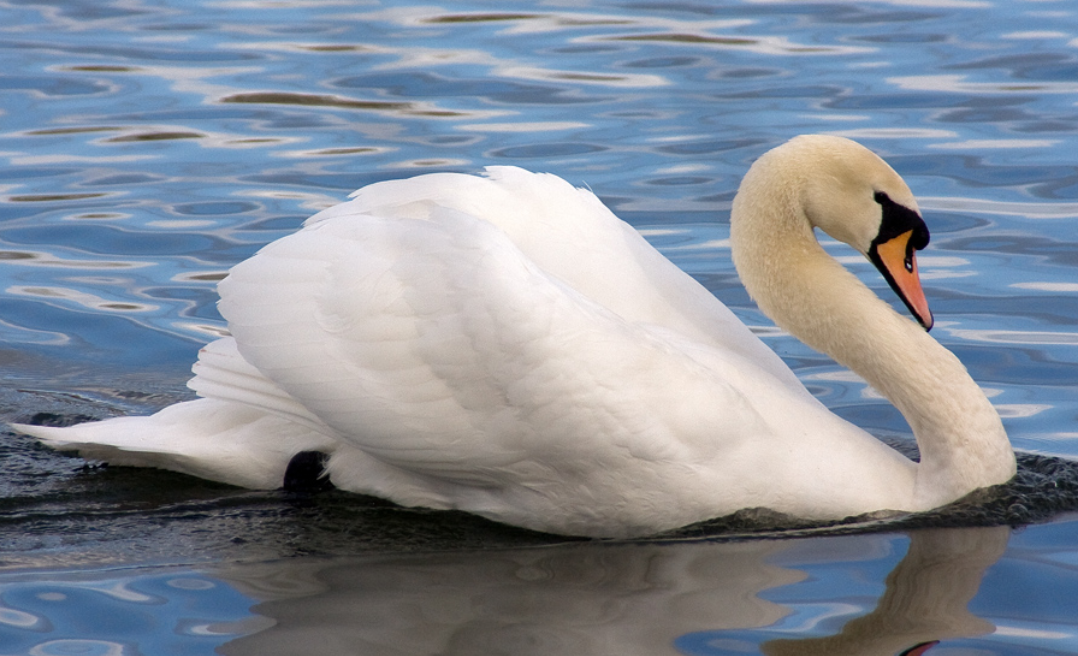
Various species of swans are found in different parts of the world.
In addition to their physical features, swans are also known for their behaviour. They fiercely defend their nesting grounds as they are highly territorial. Male swans, or cobs, protect their territory aggressively and may act out against outsiders. Swans form lifetime pair bonds with their partners and are monogamous. They are loyal companions, often staying together until one of them dies.
Communication of swans, including their mating rituals and family dynamics
Swans can communicate, which adds another fascinating aspect to their nature. While they are generally quiet, they produce various vocalisations. The most famous sound associated with swans is their trumpet-like cry, made during courtship or when they feel threatened. Swans also communicate using body language, expressing different messages with their necks, wings, and feathers. For example, they might bow their heads as a sign of surrender or lift their wings in a threatening display.
The world of swans and interesting facts about their behaviour, habitat, and symbolism
Swans are not only stunning creatures but also have intriguing traits that truly set them apart. They are graceful, magnificent animals that have captured human imagination for centuries. Swans symbolise beauty and peace due to their elegant movements and impressive appearance. In this post, we’ll dive into some fascinating facts about these incredible birds.
1. Diversity of Species
Swans belong to the Anatidae family, which also includes geese and ducks. There are seven species of swans, including the mute, trumpeter, and tundra swans. Each species has its own distinct characteristics and environments, ranging from temperate climates to the Arctic tundra.
2. Elegant Grace
Swans are known for their graceful and elegant movements. Their majestic appearance is enhanced by their long necks, slender bodies, and pristine white feathers. Swans are a peaceful and captivating sight as they glide across the lake with effortless grace. Throughout history, their movements have inspired poets, authors, and artists. 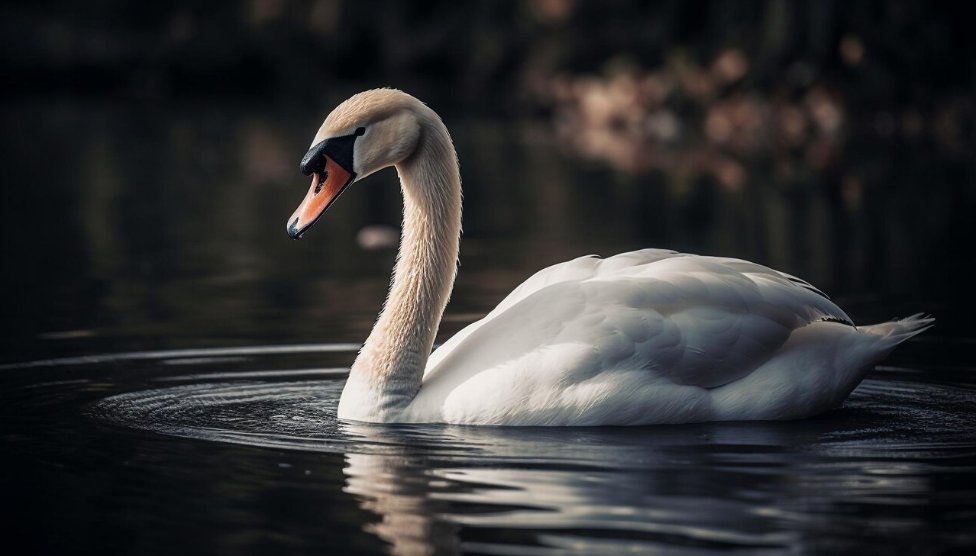
3. Exclusive Partnerships
Swans form strong, lifelong bonds and are known for their fidelity to their partners. They typically mate and stay together for life. Due to their monogamous nature, swans are often associated with love and loyalty. They engage in elaborate courtship rituals, such as head bobbing and synchronized swimming.
4. Habits of Nesting
Swans build large nests made of grass, reeds, and other plant materials. These nests provide safety for their eggs and young and are usually located near bodies of water. Female swans, or pens, lay four to seven eggs, which they incubate for 30 to 41 days. Both parents play an active role in raising their cygnets, ensuring their survival and teaching them vital skills.
5. Strong Wings
Swans possess powerful wings that allow them to travel great distances despite their graceful appearance. Their 10-foot wingspan lets them glide through the air effortlessly. While swans are admired for their grace on water, their large wings provide just as impressive a flight.
6. A diet high in herbs
As herbivores, swans primarily feed on aquatic plants, grasses, algae, and other vegetation. Their strong bills make them ideal for grazing, while their long necks help them reach submerged plants. Swans are often seen elegantly tipping over in the water, with their heads submerged and bottoms in the air as they forage for food.
7. Forceful Defence
Although swans are generally calm, they can become hostile when threatened or when protecting their young. They have been observed hissing, flapping their wings, and even lunging at intruders. While this behaviour may seem intimidating, it is a natural instinct to protect their nests and ensure the safety of their young. 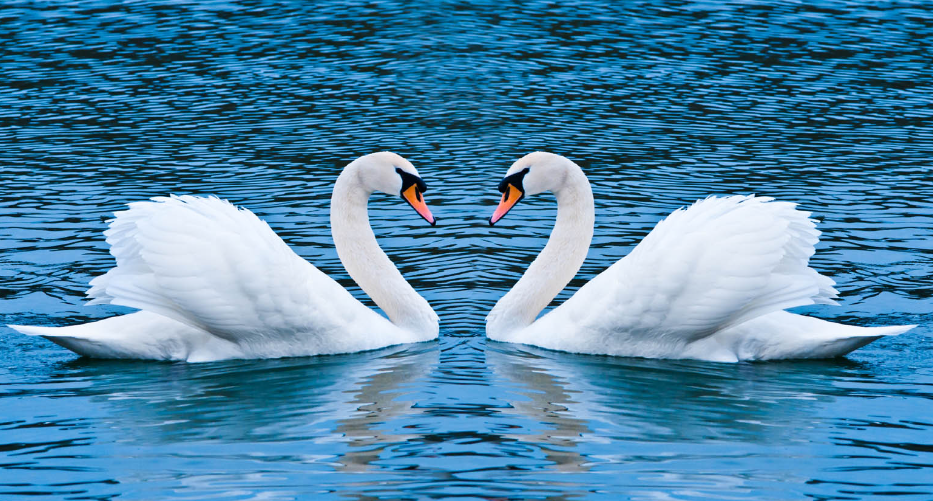
Cultural and symbolic significance of swans in various societies and mythologies
Swans are not only beautiful creatures but also fascinating in many ways. Their elegance, monogamous partnerships, and strong wings all contribute to their unique appeal. By learning more about swans, we can better appreciate their role in the environment and the importance of conserving their habitats. The next time you see a swan gracefully gliding across a lake, take a moment to admire its beauty and think about the fascinating details that make it such an intriguing animal.
FAQ (frequently asked questions) about Swans
Q: What is a swan?
Ans: A swan is a large waterfowl known for its graceful appearance, long neck, and striking white or black feathers. Swans belong to the Anatidae family, which also includes ducks and geese.
Q: Where do swans live?
Ans: Swans are found in various parts of the world, primarily in temperate regions. They live near lakes, rivers, marshes, and wetlands, where they find food and shelter.
Q: What do swans eat?
Ans: Swans are herbivores, mainly feeding on aquatic plants, grasses, algae, and other vegetation. Occasionally, they may eat insects, small fish, or crustaceans.
Q: How do swans defend themselves?
Ans: Swans are protective of their nests and will use their powerful wings and strong beaks to defend themselves and their young. They become aggressive if threatened.
Q: How do swans reproduce?
Ans: Swans reproduce sexually and typically form lifelong monogamous pairs. The female lays a clutch of eggs, which both parents incubate until they hatch. The young, called cygnets, are cared for by both parents.
Q: Are swans migratory?
Ans: Some species of swans are migratory. They travel long distances to find suitable breeding grounds during warmer months and return to winter habitats in colder regions.
Q: How long do swans live?
Ans: Swans typically live between 10 to 20 years in the wild, though some may live longer in protected environments, such as wildlife reserves or zoos.
Q: What are the characteristics of swans?
Ans: Swans are large, elegant birds with long necks, large bodies, and webbed feet. Their feathers are usually white, though some species, such as the black swan, have black plumage. They are known for their graceful swimming and flying abilities.
Q: Are swans endangered?
Ans: While many swan species are not endangered, some, such as the Trumpeter Swan and the Whooper Swan, have faced population declines due to habitat loss, hunting, and pollution. Conservation efforts are in place to protect these species.
Q: Can swans fly?
Ans: Yes, swans are strong fliers and migrate over long distances. Their large wings and powerful flight muscles allow them to fly at great speeds and altitudes, especially during migration seasons.
#Swans, #SwanLovers, #SwanPhotography, #ElegantSwans, #Waterfowl, #BirdLovers, #WildlifePhotography, #Birdwatching, #NatureLovers, #WildlifeConservation, #GracefulSwans, #SwanLake, #BirdsOfInstagram, #SwanFamily, #BeautifulBirds
Our sources and references about Swans
1: Wikipedia
2: Encyclopaedia Britannica
3: National Geographic
4: Royal Society for the Protection of Birds (RSPB)


