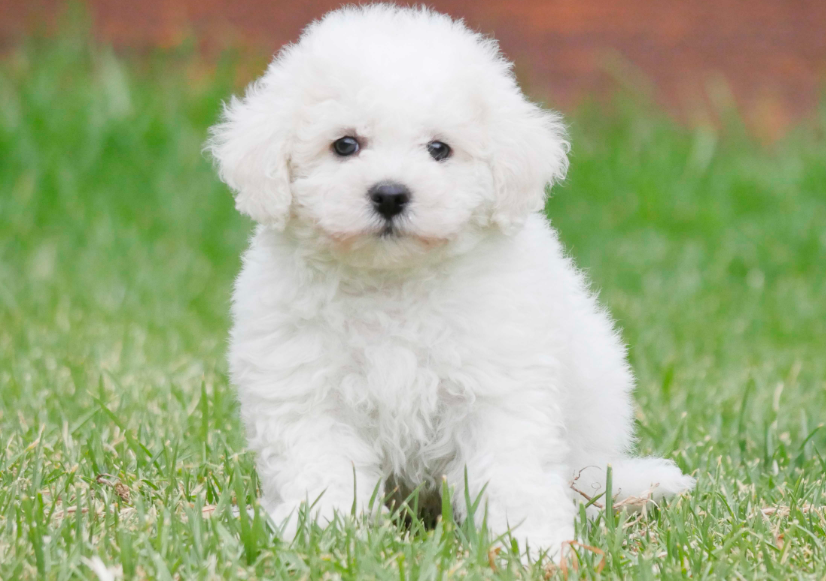
The Bichon Frise is a small, cheerful dog known for its playful demeanor and affectionate nature. With a distinctive fluffy coat that requires regular grooming, this breed is often recognized for its charming appearance and friendly disposition. Bichon Frises are highly social animals, thriving in family environments and forming strong bonds with their owners. Their intelligence and eagerness to please make them relatively easy to train, contributing to their popularity as companion pets.
Bichon Frise Dog Scientific Classification
| SCIENTIFIC NAME | Canis lupus |
| CLASSIFICATION | KINGDOM: Animalia PHYLUM: Chordata CLASS: Mammalia ORDER: Carnivora FAMILY: Canidae GENUS: Canis SPECIES: C. lupus familiaris |
| SIZE | Height: 9.5–11.5 inches (24–29 cm), Weight: 10–20 pounds (4.5–9 kg) |
| HABITAT | Domesticated; commonly found in homes as companion pets |
| DIET | Omnivorous; typically fed commercial dog food or a balanced homemade diet |
| SPECIES | Bichon Frise, a small, cheerful companion dog known for its fluffy white coat |
| COUNTRY | Believed to have originated in the Mediterranean region, popularized in France and Spain |
| GESTATION PERIOD | Approximately 63 days |
| LIFE SPAN | 12–15 years |
| CONSERVATION STATUS | Not endangered; widely kept as a beloved pet around the world |
Bichon Frise Dog Facts
1. Bichon Frise dogs are hypoallergenic
Their curly, low-shedding coats produce less dander, making them a great option for allergy sufferers.
2. They have a cheerful, friendly nature
Bichons are known for their affectionate, happy personalities and love to be around people.
3. They have a rich history
Bichon Frises were favored by European nobility during the Renaissance and were often seen in royal courts.
4. Their coat requires regular grooming
Their fluffy white coats need frequent brushing and professional grooming to prevent mats and tangles.
5. Bichons are intelligent and trainable
These dogs are smart and respond well to training, making them ideal for obedience and tricks.
6. They are great with children and other pets
Bichon Frises are social dogs that get along well with kids and other animals, making them great family companions.
7. They love attention and companionship
Bichons thrive on human interaction and can develop separation anxiety if left alone for long periods.
8. They are energetic and playful
Despite their small size, Bichons are active and enjoy playtime, walks, and games.
9. They adapt well to apartment living
Bichon Frises are a good choice for city dwellers as they don’t need a large yard and are well-suited for apartment life.
10. They have a distinctive “powder puff” appearance
Their soft, curly coats and bright expressions give them a distinctive and charming look that many dog lovers adore.
A little dog breed known for its joyful disposition and fluffy white coat is the Bichon Frise. These dogs are frequently called “powder puffs” because of the smooth and fluffy coats they have. Individuals who suffer from allergies often choose Bichon Frises due to their reputation as hypoallergenic breeds.
Friendly nature
It is well known that Bichon Frises are social and extroverted. Given their loveability and preference for human company, they make excellent family pets and companions. Being gregarious dogs, these canines are anxious or bored when left alone for prolonged periods of time.
Grooming needs
Regular grooming is necessary for Bichon Frises to keep their coats in top condition. Their hair grows continuously, but it doesn’t shed and may become matted if it’s not taken care of. To keep their coat healthy and knot-free, frequent brushing, cleaning, and expert grooming are necessary. Over their 12- to 15-year lifespan, Bichon Frises are generally healthy dogs as well, although they may be susceptible to some hereditary health conditions, including allergies and dental issues.
Breed facts
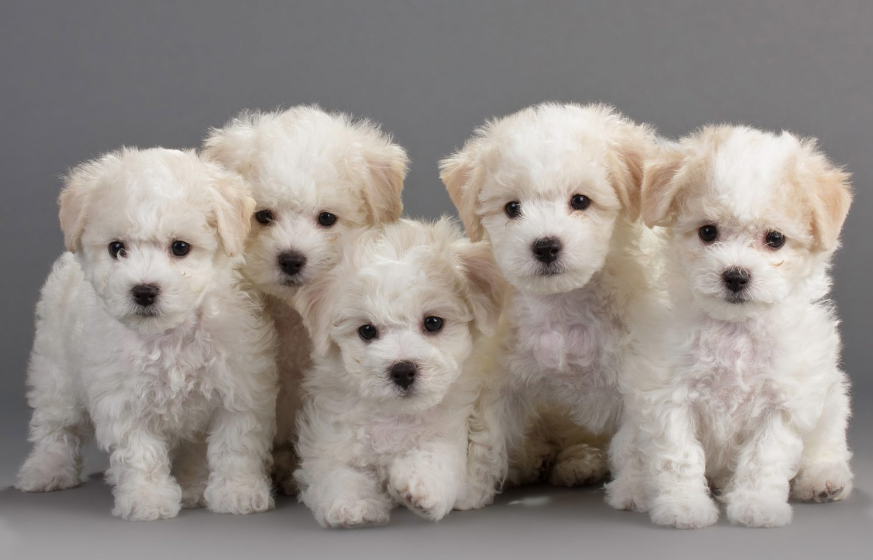
Their roots in the Mediterranean region and their association with royalty. Small and fluffy, the Bichon Frise is a dog breed renowned for its loving and upbeat attitude. The following are some fascinating facts about Bichon Frise dogs:
Origin history
It is thought that Spain and Italy, in particular, are the Bichon Frise’s original homes. It is believed to be a crossbreed of the water dog, the Barbet. During the Renaissance, bichon frises were favoured as companion dogs by European nobles. The breed’s popularity declined in the 19th century, when it was mostly used as a circus canine. But in the 20th century, Bichon Frises made a comeback and became well-known as cherished household companions.
Physical traits
Usually weighing between 10 and 18 pounds (4.5 and 8 kilogrammes), Bichon Frises are petite canines. They’re a favourite among allergy sufferers because of their hypoallergenic, characteristically fluffy white coat. To keep their coat from matting and to keep its distinctively fluffy look, they need to brush it often. These dogs have a black nose, round heads, and dark, expressive eyes. Their lengthy hair falls in drop shapes around their ears. With a tail that tucks over their back, Bichon Frises have a robust, compact build.
Social behaviour
The kind and loving personality of Bichon Frises is well recognised. They like being a member of the family and thrive on human connection. These dogs are wonderful additions to houses with several animals since they get along well with kids and other pets in general.
Intelligence level
They often amuse their owners with their ridiculous acts. Because they are clever and eager to please, bichon frises are not too difficult to teach. They need frequent socialisation and mental stimulation since they might get anxious when left alone for extended periods of time.
Playful energy
Bichon Frises need a modest amount of activity despite their tiny stature. Despite not being very active dogs, they love playing and going on regular walks. Frequent exercise keeps kids cognitively and physically engaged, which helps to stave off boredom and negative behaviour. 
Training methods
Positive reinforcement methods, such as praise and prizes, should be the main emphasis of a Bichon Frise’s training. Training approaches that are kind and consistent work well with these dogs. To guarantee that they develop into well-rounded, self-assured dogs, early socialisation is equally crucial.
Health concerns
Bichon frises, like other dog breeds, are susceptible to specific medical issues. Allergies, dental troubles, patellar luxation (knee dislocation), and eye disorders are a few frequent health conditions that might afflict Bichon Frises.
Care essentials
Bichon frises have a long and healthy lifespan if given the right care and regular veterinarian exams. They live between 12 and 15 years on average. The happy disposition and fluffy white coats of Bichon Frise dogs make them wonderful companions. They are excellent companions for families and are suitable for both single people and households. Bichon Frises make their owners happy and joyful with their lively personalities and loving nature.
FAQ (Frequently Asked Questions) about Bichon Frise Dog
Q: What is a Bichon Frise?
Ans: The Bichon Frise is a small, cheerful, and fluffy dog breed known for its friendly nature and white, hypoallergenic coat. Originating in the Mediterranean, this breed has long been a favorite companion for families and individuals alike.
Q: What does the name “Bichon Frise” mean?
Ans: “Bichon Frise” is French and translates to “curly lap dog.” The name refers to the breed’s soft, curly coat and affectionate, companionable personality.
Q: What is the temperament of a Bichon Frise?
Ans: Bichon Frises are known for their playful, affectionate, and gentle demeanor. They are great with children and other pets, making them excellent family dogs. They’re also sociable and love being the center of attention.
Q: How big do Bichon Frises get?
Ans: Bichon Frises typically weigh between 10 to 20 pounds (4.5 to 9 kg) and stand about 9.5 to 11.5 inches (24 to 29 cm) tall at the shoulder. They are small but sturdy dogs.
Q: Are Bichon Frises hypoallergenic?
Ans: Yes, Bichon Frises are considered hypoallergenic due to their low-shedding, curly coats that trap dander. However, no dog is completely allergen-free, so reactions can vary from person to person.
Q: Do Bichon Frises require a lot of grooming?
Ans: Yes, regular grooming is essential for Bichon Frises. Their dense, curly fur needs to be brushed several times a week to prevent matting and requires professional grooming every 4–6 weeks to maintain their signature look.
Q: Are Bichon Frises easy to train?
Ans: Bichon Frises are intelligent and eager to please, making them relatively easy to train. However, consistency and positive reinforcement are key. House training may take a little time and patience.
Q: How much exercise does a Bichon Frise need?
Ans: Bichon Frises are moderately active and require daily walks and playtime to stay healthy and happy. Mental stimulation is also important for their well-being.
Q: What is the lifespan of a Bichon Frise?
Ans: Bichon Frises typically live between 12 and 15 years, though some can live even longer with proper care, regular veterinary check-ups, and a healthy lifestyle.
Q: Are Bichon Frises good for apartment living?
Ans: Yes, Bichon Frises adapt well to apartment living due to their small size and sociable nature. They do best when they have regular interaction with their owners and enough daily activity.
#BichonFrise, #SmallDogBreeds, #HypoallergenicDogs, #FamilyDogs, #FluffyDogs, #DogLovers, #ApartmentDogs, #CuteDogs, #PetCare, #DogBreedInfo, #CompanionDogs, #BichonLife
Our sources and references about Bichon Frise
1: Wikipedia – Bichon Frise
2: AKC – Bichon Frise
3: PetMD – Bichon Frise
4: Hill’s Pet – Bichon Frise