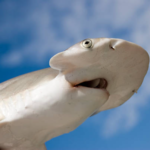
Quick Top 10 Facts about Bolivian Anaconda Snake
| SCIENTIFIC NAME | Eunectes beniensis |
| CLASSIFICATION |
KINGDOM: Animalia PHYLUM: Chordata CLASS: Reptilia ORDER: Squamata FAMILY: Boidae GENUS: Eunectes |
| SIZE | Up to 13 feet (4 meters) long |
| HABITAT | Swamps, marshes, and slow-moving rivers in the Beni region of Bolivia |
| DIET | Fish, birds, amphibians, and small to medium-sized mammals |
| SPECIES | One species: Eunectes beniensis |
| COUNTRY | Bolivia (endemic to the Beni province) |
| GESTATION PERIOD | 6 to 7 months, with live birth of around 10–30 young |
| LIFE SPAN | Up to 20–30 years in captivity |
| CONSERVATION STATUS | Data Deficient – not enough is known about wild populations to determine exact status |
Amazing Facts About Bolivian Anaconda
1. It’s one of the rarest anaconda species
The Bolivian Anaconda is the least known and least studied species among the four types of anacondas.
2. Recently classified
It was recognized as a separate species in 2002, making it a relatively new addition to herpetology.
3. Endemic to Bolivia
This species is found only in the Beni region of northern Bolivia, making its habitat very specialized.
4. Non-venomous constrictor
Like other anacondas, it subdues prey by coiling around and suffocating it.
5. Lives in aquatic habitats
Bolivian Anacondas are semi-aquatic, thriving in swamps, marshes, and flooded forests.
6. Solitary creatures
They are mostly solitary except during the mating season.
7. Rarely encountered
Due to their isolated habitat and cryptic nature, they are rarely seen by humans.
8. Excellent swimmers
They are powerful swimmers and often spend more time in water than on land.
9. Ambush predators
Bolivian Anacondas lie in wait to ambush prey, striking quickly when an opportunity arises.
10. Still understudied
Very little is known about their behavior, population, and threats—more research is needed to understand this mysterious snake.
Origin and Appearance of Bolivian Anaconda Snake
One unusual type of snake that lives in Bolivia’s tropical jungles is Eunectes beniensis, often known as the Bolivian Anaconda. The female of this massive reptile may reach a length of 5 metres, making it one of the largest snakes in the world; the males are only somewhat smaller at 4 metres. Its great size and power make it a hazardous predator in its native environment.
Weight, coloration, and unique physical features such as its muscular body and large head
The Bolivian anaconda’s powerful, streamlined physique allows it to glide through the water with ease. Its environmental adaptations are well-established. It is a non-venomous constrictor that uses its powerful coils to smother its prey, which is mostly fish, birds, and small mammals. Because of how flexible its jaws are, it can swallow its prey whole, even if it is bigger than its own head. The distinctive look of this species is what sets it apart; it has dark green or brownish colouring with black spots or blotches all over its body.
Notable adaptations that make this snake well-suited to its environment and survival
While it waits for its next meal, the Bolivian anaconda employs these marks to help it blend in with its environment and serve as camouflage. Despite its frightening size, the Bolivian anaconda is usually submissive and avoids human conflict unless provoked. Because it is vital to maintaining the delicate balance of the environment it lives in, it is a crucial and intriguing organism that needs to be studied and protected.
Bolivian Anaconda and local communities, including any cultural significance or myths associated
An amazing type of snake that fascinates scientists and naturalists alike is the Bolivian anaconda. It is an amazing animal to study and admire due to its remarkable size, habitat, food, and cultural importance. We can help conserve these snakes and make sure they survive in the wild by being aware of and respectful of them.
Fascinating facts about Bolivian Anaconda Snake
Native to Bolivia’s tropical areas, the Bolivian anaconda is an intriguing type of snake. This snake has drawn the interest of several scientists and wildlife enthusiasts due to its remarkable strength and size. We’ll look at some fascinating information about the Bolivian anaconda below:

Physical Characteristics, size and length of the Bolivian Anaconda
One of the biggest snake species in the world is the anaconda, found in Bolivia. It may grow up to fifteen feet long, and some people can even reach larger lengths. These snakes are renowned for having large, muscular bodies that enable them to overwhelm their victims.
Natural habitat of the Bolivian Anaconda, including the specific regions in Bolivia
The marshes, swamps, and rivers of Bolivia are the main habitats for the Bolivian anaconda. These watery habitats are ideal for it to live in since it can pursue its favourite prey—fish, birds, and small animals. These snakes may be seen effortlessly gliding through the water since they are proficient swimmers.
Hunting behaviour, including its ability to constrict and suffocate its prey before swallowing
The main source of food for the carnivorous Bolivian anaconda is a wide range of prey. Its primary food source is fish, although it has also been seen to eat small animals, birds, and even other reptiles. Being ambush predators, these snakes depend on their aquatic camouflage to surprise and astound their victims.
Reproductive habits of the Bolivian Anaconda, including mating rituals and gestation periods
The Bolivian anaconda reproduces sexually, much like other snake species. When the water levels are high during the rainy season, mating usually takes place. A female anaconda’s litter size may range from 20 to 40 offspring, and she can give birth to many live young.
Importance of understanding and conserving the Bolivian Anaconda
The IUCN Red List now lists the Bolivian anaconda as a species of least concern. However, their number is seriously threatened by habitat deterioration and loss. For these exquisite snakes to survive into the future, it is imperative that their natural habitats be preserved and that their ecosystems be managed sustainably.
Cultural significance or myths associated with the snake
An important role for the anaconda is played in Bolivian culture. It is often seen as a magical and strong being. The snake is a common emblem of power and wisdom in traditional art and culture. The Bolivian anaconda is fundamental to the region’s cultural character.
FAQ (Frequently Asked Questions) about Bolivian Anaconda Snake
Q: What is a Bolivian Anaconda?
Ans: The Bolivian Anaconda (Eunectes beniensis) is a species of anaconda native to the Beni region of Bolivia. It is one of the lesser-known members of the anaconda family and was officially recognized as a separate species in the early 2000s. Like its relatives, it is a large, non-venomous, aquatic constrictor snake.
Q: Where does the Bolivian Anaconda live?
Ans: The Bolivian Anaconda is found primarily in the Beni wetlands and surrounding areas of northern Bolivia. It prefers aquatic environments such as swamps, marshes, slow-moving rivers, and floodplains, where it can easily hunt and move through the water.
Q: What does the Bolivian Anaconda eat?
Ans: Bolivian Anacondas are carnivorous and feed on a variety of animals, including fish, birds, amphibians, and mammals. They are ambush predators that use constriction to subdue their prey before swallowing it whole.
Q: Is the Bolivian Anaconda dangerous?
Ans: While the Bolivian Anaconda is large and powerful, it is not considered dangerous to humans under normal circumstances. It is non-venomous and uses constriction to hunt. Like most wild animals, it will usually avoid human contact if left undisturbed.
Q: How big does the Bolivian Anaconda get?
Ans: The Bolivian Anaconda is generally smaller than the Green Anaconda but can still reach lengths of up to 13 feet (4 meters). Its size may vary depending on its habitat, diet, and age, but it remains one of the largest snakes native to Bolivia.
Q: How is the Bolivian Anaconda different from other anacondas?
Ans: The Bolivian Anaconda is genetically distinct from the Green Anaconda and the Yellow Anaconda. It has unique physical traits and markings and occupies a different geographic range. Its discovery and classification as a separate species helped shed light on anaconda diversity in South America.
Q: Is the Bolivian Anaconda endangered?
Ans: As of now, there is limited data on the population status of the Bolivian Anaconda. Due to its limited range and relatively recent classification, conservation assessments are ongoing. However, like many wetland-dependent species, it may be vulnerable to habitat loss and environmental changes.
Q: How does the Bolivian Anaconda reproduce?
Ans: Bolivian Anacondas are ovoviviparous, meaning females give birth to live young rather than laying eggs. After mating, the female carries the developing embryos inside her body, and after a gestation period, she gives birth to several fully formed baby snakes.
Q: Can the Bolivian Anaconda be kept as a pet?
Ans: Due to its size, strength, and specific habitat needs, the Bolivian Anaconda is not suitable as a pet. Additionally, it is a wild species that plays an important role in its native ecosystem and should be respected and protected in the wild.
#BolivianAnaconda #EunectesBeniensis #AnacondaSpecies #SouthAmericanSnakes #ReptileFacts #WildlifeConservation #SnakeLovers #WetlandWildlife #AmazonBasin #SnakeSpecies
Our sources and references about Bolivian Anaconda Snake
1: Wikipedia – Bolivian Anaconda
2: Reptile Database – Eunectes beniensis
3: NCBI – Species differentiation in Anacondas
4: National Geographic – Anaconda Facts