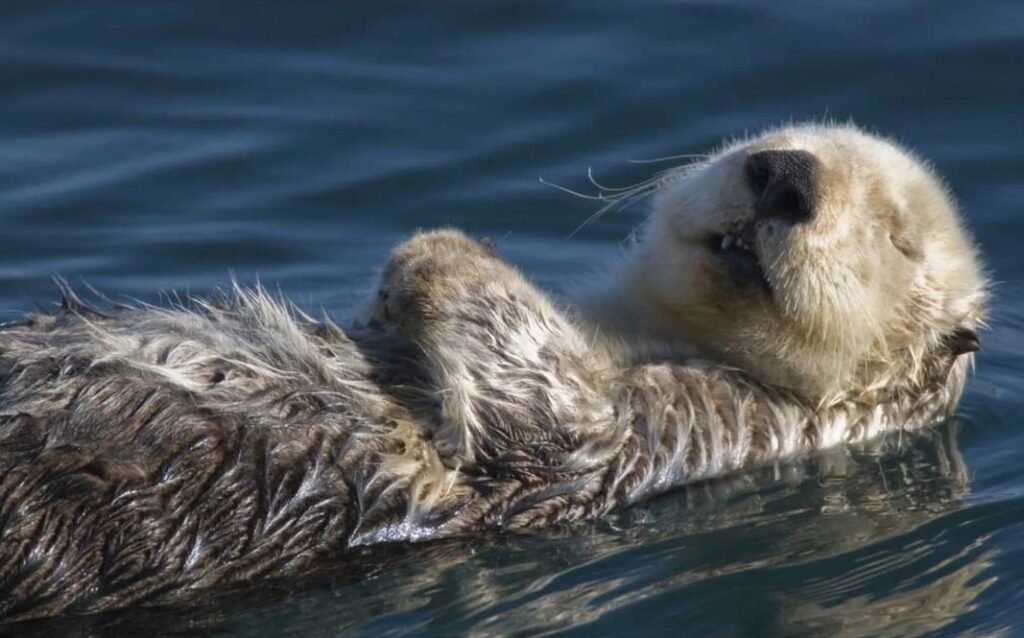
Sea otters are marine mammals found along the coasts of the northern and eastern Pacific Ocean. Known for their playful behavior and dense fur, sea otters are key players in marine ecosystems. They are excellent divers and spend most of their time in the water, where they hunt for food, including sea urchins, crabs, and other marine life. Sea otters are also famous for using tools to break open hard-shelled prey. While they were once hunted to near extinction, conservation efforts have helped their populations recover in some areas.
Quick Top 10 Facts about Sea Otter
| SCIENTIFIC NAME | Enhydra lutris |
| CLASSIFICATION | KINGDOM: Animalia PHYLUM: Chordata CLASS: Mammalia ORDER: Carnivora FAMILY: Mustelidae |
| SIZE | Length: 1–1.5 meters (3–5 feet), Weight: 14–45 kg (30–100 pounds) |
| SPECIES | Common species include the North Pacific Sea Otter (Enhydra lutris kenyoni) and the Southern Sea Otter (Enhydra lutris nereis) |
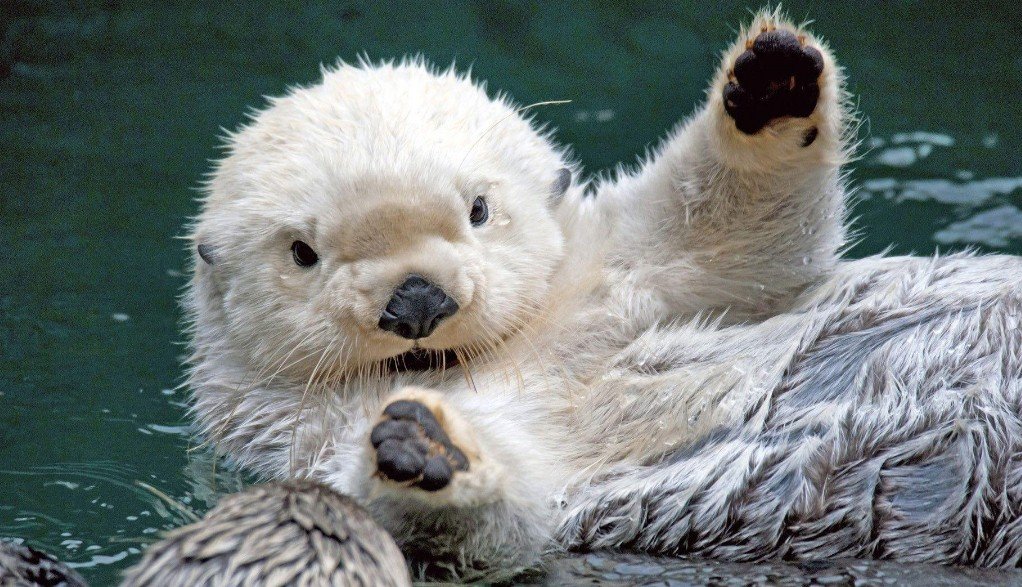
| APPEARANCE | Sea otters have thick, water-resistant fur, webbed feet, and small, rounded ears. They are typically brown with a pale face and paws, and they often appear larger than they actually are due to their dense fur. |
| LIFE SPAN | Typically 10–15 years in the wild |
| HABITAT | Cold coastal waters, kelp forests, rocky shores, and estuaries along the Pacific coasts of North America and Asia |
| DIET | Sea otters primarily eat invertebrates like sea urchins, crabs, snails, and clams, along with some fish. They are also known to use tools like rocks to crack open hard-shelled prey. |
| NATURAL PREDATORS | Killer whales, sharks, and large predatory fish |
| COUNTRY | United States, Canada, Russia, and Japan, primarily along Pacific coastlines |
| GESTATION PERIOD | Approximately 6 months, with a 4–6 month nursing period |
| CONSERVATION STATUS | Listed as “Endangered” for some subspecies, such as the Southern Sea Otter, due to habitat loss, oil spills, and hunting |
Amazing Facts About Sea Otter
1. Masters of Tool Use
Sea otters are one of the few animal species known to use tools. They use rocks and other hard objects to crack open shellfish and clams, demonstrating impressive problem-solving skills.
2. Playful Nature
Sea otters are known for their playful and curious nature. They are often seen floating on their backs, playing with kelp, or even using rocks to break open shellfish while floating on their bellies.
3. Dense Fur for Insulation
Sea otters have the densest fur of any mammal, with around 600,000 to 1 million hair follicles per square inch. This fur is crucial for keeping them warm in cold waters, as they do not have a thick layer of blubber like other marine mammals.
4. Vital Role in Kelp Forests
Sea otters play a critical role in maintaining the health of kelp forests. By keeping sea urchin populations in check, otters prevent overgrazing of kelp, which can otherwise lead to the collapse of these valuable marine ecosystems.
5. Exceptional Divers
Sea otters can dive as deep as 40 meters (131 feet) in search of food. They hold their breath for up to 5 minutes at a time while foraging on the ocean floor.
6. Strong Bond with Family
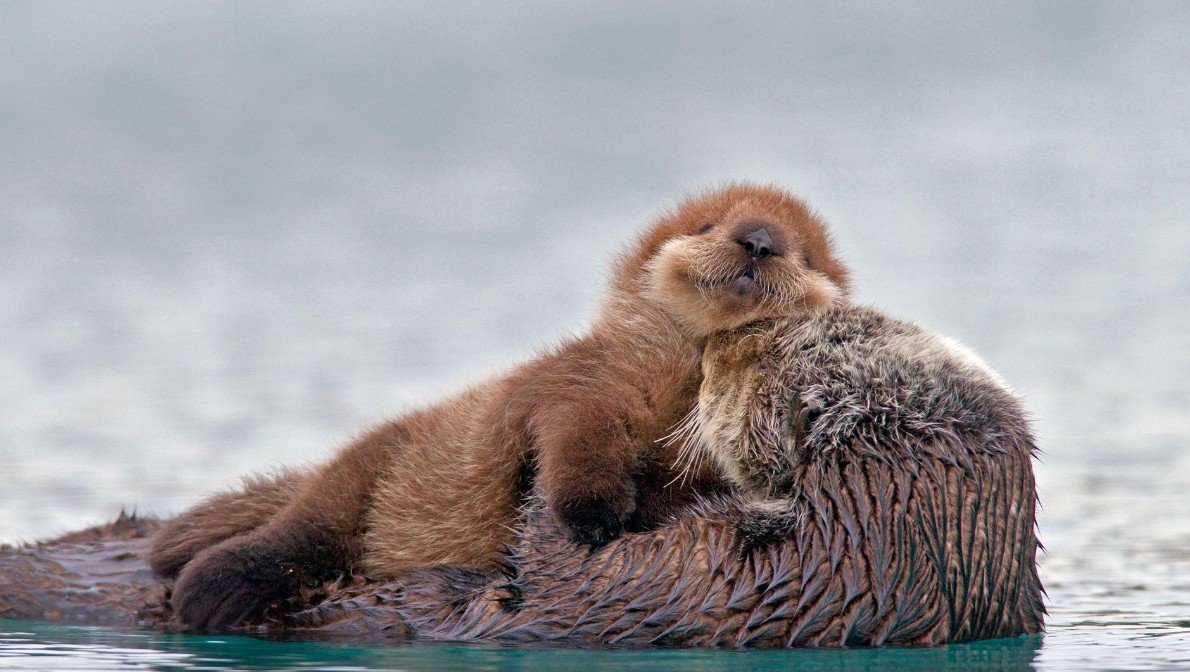
Sea otters form strong social bonds, especially mothers and their pups. A mother will care for her pup for several months, teaching it to forage and protect itself.
7. Keystone Species
Sea otters are considered a keystone species, meaning they play a crucial role in maintaining the structure and diversity of their ecosystem. Their predation on sea urchins helps preserve kelp forests.
8. The Floating Habits
Otters are often seen floating on their backs, sometimes using kelp to anchor themselves to prevent drifting away while they rest or eat.
9. Impact of Conservation Efforts
Sea otter populations were historically decimated by hunting for their fur, but conservation efforts have helped populations in certain regions recover. In places like Alaska, sea otter numbers have rebounded significantly.
10. Vulnerable to Oil Spills
Despite their resilience, sea otters are highly vulnerable to oil spills. The oil coats their fur, reducing its insulating ability and leading to hypothermia, which can be fatal.
The Entertaining Marine Animal, the Sea Otter
One of the most adored and intriguing aquatic species on the planet is the sea otter. Particularly in the Pacific Ocean’s coastal waters, the sea otter, which is well-known for its playful nature, thick fur, and essential role in marine ecosystems, stands out as a symbol of conservation efforts. From its unusual dietary habits to its social behavior, the sea otter plays a key role in sustaining the health of kelp forests and other coastal ecosystems. This page explores the many facets of the sea otter’s existence, such as its habitat, behaviour, nutrition, physical traits, and state of conservation.
1. What Is a Sea Otter?
The marine mammal known as the sea otter (Enhydra lutris) is a member of the Mustelidae family, which also includes ferrets, weasels, and badgers. Their size, hair, and aquatic habits set them apart from other otter species, and they are the biggest members of the weasel family. Sea otters are often seen floating on their backs, using tools to split open shellfish, and playing with other otters in the chilly coastal waters of the northern Pacific Ocean, where they have evolved to thrive.
Sea Otter Subspecies
- California sea otter (Enhydra lutris nereis)
- Alaskan sea otter (Enhydra lutris kenyoni)
- Russian sea otter (Enhydra lutris lutris)
These subspecies have distinct ranges and minor differences in size and behaviour.
2. Physical Attributes of Sea Otters
Sea otters have a number of distinctive physical characteristics that enable them to thrive in their aquatic habitat. They are also well-suited to life in the water.
Dimensions and Appearance
- Length: Male sea otters are bigger than females, with adults typically measuring 1.2 to 1.5 meters (4 to 5 feet) in length. Females usually weigh around 30 kg (66 pounds), while males may weigh up to 45 kg (100 pounds).
- Fur: The sea otter’s thick fur, the densest of any mammal on the planet, is one of its most striking characteristics. In chilly waters, the otter’s fur acts as insulation, keeping it warm. Sea otters are completely dependent on their fur for warmth since they do not have a coating of fat as the majority of marine animals do. The otter spends a lot of effort cleaning its fur to keep it dry and debris-free in order to preserve its insulating qualities.
- Forepaws and Claws: Sea otters’ webbed feet and keen claws enable them to grasp items and capture prey. Because of their exceptional forepaw dexterity, they can break open shellfish and use tools.
- Facial Features: Sea otters are able to navigate underwater because of their tiny, round faces, huge, black eyes, and whiskers. To stay warm when swimming, their little ears are concealed behind their fur.
Swimming Adaptations
- Sea otters can travel quickly across the water because of their long, streamlined bodies and powerful, paddle-like hind paws. They utilise both their tail and rear feet to swim, and they use their forepaws to grasp and handle food.
- In pursuit of food, they may descend as far as 40 meters (130 feet), although they usually remain in shallow waters along the shore.
3. Distribution and Habitat
The northern Pacific Ocean’s coastal areas are home to sea otters, who live in shallow bays, rocky shorelines, and kelp forests. In the past, they were found in places as far south as Mexico, Alaska, and California in addition to Japan. Hunting for their fur throughout the 18th and 19th centuries, however, drastically decreased their number, and now their range is more constrained.
Coastal Waters
- Because they can search for food and choose appropriate locations to haul out, sea otters prefer shallow seas close to the coast, usually within one kilometre (0.6 miles) of shore.
- They often inhabit kelp forests, which provide them food and cover. Otters may find a wealth of marine life and refuge from predators in kelp forests, which are thick underwater habitats composed of big, floating algae.
Cold Water Adaptation
Sea otters have evolved to live in chilly water. Sea otters’ main habitats are the seas off the shores of Alaska, Canada, and Russia because the frigid temperatures there are perfect for their thick fur and insulation, which are essential for life. Although certain populations, such as the California sea otter, may survive in somewhat warmer coastal waters, they still need chilly surroundings.
4. Nutrition and Feeding Practices
As carnivores, sea otters eat a variety of foods based on what prey is available in their surroundings. Their eating habits are an important part of their culture, and they are renowned for their skill with tools.
Diet of Sea Otters
- Shellfish: Sea otters are especially well-known for eating snails, clams, crabs, and sea urchins. They crack apart their prey’s shells using their keen claws and agile forepaws.
- Fish and Invertebrates: Sea otters hunt fish and marine invertebrates like squid and octopus in addition to shellfish.
- Ecological Role: Sea otters are essential to the biological regulation of sea urchin populations. When sea otters are present in large numbers, they control sea urchin populations, preventing these herbivores from overgrazing kelp forests.
Use of Tools
One of the rare creatures known to utilise tools in the wild is the sea otter. They often smash open the hard shells of shellfish with pebbles. Floating on their backs, they grip the rock on their chest and use it as an anvil to crack open their meal. This behaviour demonstrates the otter’s intellect and capacity to utilise environmental items in order to get food.
Feeding Practices
Among marine animals, sea otters are distinctive in that they usually float on their backs as they feed. They can easily utilise their forepaws and tools in this posture while yet staying afloat in the water. Given the energy needed to maintain a steady body temperature without fat, they must consume a substantial quantity of food each day to support their rapid metabolism.
5. Social Structure and Behaviour
Sea otters are gregarious creatures that display a variety of aquatic and terrestrial behaviours. Although they don’t dwell in the big colonies like other marine animals do, they often inhabit groupings called rafts.
Rafting Behaviour
Sea otters that congregate to float and relax in the water form rafts. Rafts might contain hundreds of otters or only a handful. These groupings help otters remain warm in chilly water and provide protection in numbers. In order to stay together in the water, otters on a raft often clasp hands while they play, groom, and participate in other social activities.
Territorial Behaviour
Despite their gregarious nature, sea otters may sometimes be territorial, especially when it comes to males during the mating season. Male sea otters may act aggressively to establish dominance and protect their area from other males.
Reproduction and Parenting
After around six months of gestation, female sea otters give birth to a single pup. For the first few months of its existence, the pup, which has a coat of fur at birth, depends on its mother for protection, sustenance, and warmth. Sea otters lack a strong mother urge to nurse underwater, in contrast to many other marine animals. As they swim and dive for food, moms instead keep their puppies on their bellies.
6. Conservation Status
Because sea otters are essential to preserving the wellbeing of marine ecosystems, their conservation status is a significant concern. Sea otters’ numbers have historically declined significantly as a result of hunting for their fur. Nonetheless, in some areas, conservation initiatives have aided in the recovery of their numbers.
Threats to Sea Otters
- Oil Spills: Oil spills pose a serious risk to sea otters. They get hypothermic and eventually die as a result of oil coating their fur and destroying its insulating qualities. One of the most well-known events that had a significant negative impact on sea otter numbers was the 1989 Exxon Valdez oil disaster.
- Pollution: Plastics, pesticides, and other chemicals are among the contaminants that may affect sea otters.
- Predation: Although sea otters have few natural predators as adults, sharks, killer whales, and eagles might potentially feed on their pups.
Conservation Initiatives
- Protected Areas: To preserve sea otters and their habitat, several coastal regions have been named marine protected zones.
- Restoration Initiatives: To assist sea otter populations, governments and organisations have put in place a number of initiatives, including the rehabilitation of wounded or orphaned otters.
- Public Awareness: Support for the conservation of sea otters has grown as a result of growing understanding of the species’ significance to marine ecosystems.
FAQ (Frequently Asked Questions) about Sea Otter
Q: What is a Sea Otter?
Ans: A Sea Otter is a marine mammal found along the coasts of the Pacific Ocean. They are known for their playful behavior, dense fur, and ability to use tools to forage for food.
Q: What do Sea Otters eat?
Ans: Sea Otters primarily eat marine invertebrates such as sea urchins, crabs, snails, and clams, along with some fish. They are also known to use tools to break open hard-shelled prey.
Q: Where are Sea Otters found?
Ans: Sea Otters are found along the coasts of the Pacific Ocean, including parts of North America, Russia, and Japan. They prefer cold coastal waters, kelp forests, and rocky shorelines.
Q: How long do Sea Otters live?
Ans: Sea Otters typically live for 10–15 years in the wild, though their life expectancy can be influenced by factors such as predation, disease, and environmental conditions.
Q: Are Sea Otters endangered?
Ans: Some subspecies of Sea Otters, such as the Southern Sea Otter, are considered endangered due to threats like habitat loss, oil spills, and hunting. However, conservation efforts have helped their populations recover in some areas.
Q: How do Sea Otters stay warm in cold water?
Ans: Sea Otters have extremely dense fur, which helps them stay warm in cold waters. They lack a thick layer of blubber like other marine mammals, so their fur is essential for insulation.
Q: Do Sea Otters live alone?
Ans: Sea Otters can live alone or in groups, but mothers and their pups are often seen together. They form strong bonds, especially between mothers and their young.
Q: How do Sea Otters use tools?
Ans: Sea Otters use rocks and other hard objects to crack open shellfish and clams while floating on their backs. This tool use is a unique behavior among many animals and showcases their problem-solving abilities.
Q: Can Sea Otters swim long distances?
Ans: Sea Otters are strong swimmers and can travel long distances, though they typically remain close to shore in coastal waters. They are excellent divers, often diving to depths of up to 40 meters (131 feet) to forage for food.
Q: Are Sea Otters important to marine ecosystems?
Ans: Yes, Sea Otters are considered a keystone species. By controlling sea urchin populations, they help maintain the health of kelp forests, which are vital to marine biodiversity.
#SeaOtter #MarineMammals #KelpForestGuardians #PlayfulOtters #EndangeredSpecies #OceanConservation #KeystoneSpecies #MarineEcosystems
Our sources and references about Sea Otter
1: Wikipedia – Sea Otter
2: National Geographic – Sea Otter
3: Britannica – Sea Otter
4: Audubon – Sea Otter