Quick Top 10 Facts about Box Turtle
| SCIENTIFIC NAME | Terrapene spp. |
| CLASSIFICATION | KINGDOM: Animalia PHYLUM: Chordata CLASS: Reptilia ORDER: Testudines FAMILY: Emydidae GENUS: Terrapene |
| SIZE | Length: 4.5–8 inches (11–20 cm), Weight: 0.5–2 pounds (0.23–0.9 kg) |
| HABITAT | Woodlands, grasslands, and wetland areas in North America |
| DIET | Omnivorous; feeds on plants, berries, insects, and small invertebrates |
| SPECIES | Box Turtle, with multiple species like the Eastern Box Turtle, Desert Box Turtle, and Three-toed Box Turtle |
| COUNTRY | Native to North America, especially the United States |
| GESTATION PERIOD | Egg-laying species; eggs hatch in approximately 60–90 days |
| LIFE SPAN | 50–100 years, depending on the species |
| CONSERVATION STATUS | Varies by species; some box turtles are endangered due to habitat loss, road mortality, and the pet trade |
Amazing Facts About Box Turtles
1. Box Turtles can close their shells completely
Box Turtles have a unique hinge on their lower shell, which allows them to close up completely for protection from predators.
2. They are long-lived animals
Box turtles have impressively long lifespans, often living for 50 to 100 years in the wild or in captivity.
3. They are slow movers
Box turtles are slow walkers, typically moving at speeds of just 0.2–0.5 mph (0.3–0.8 km/h).
4. They are omnivorous
These turtles eat a variety of foods, including insects, berries, mushrooms, and even small vertebrates like amphibians.
5. They have excellent homing abilities
Box turtles are known to have strong homing instincts and can find their way back to familiar places over long distances.
6. They are not true aquatic turtles
Although they are semi-aquatic, box turtles spend much of their time on land and only venture into water occasionally.
7. They are most active during the day
Box turtles are diurnal, meaning they are most active during daylight hours and rest in the evenings or at night.
8. Box turtles have varied habitats
They can live in a wide range of environments, from forests and grasslands to wetlands and marshes.
9. They have a strong sense of smell
Their keen sense of smell helps them locate food, especially plants and fruits, in their natural environment.
10. They are threatened by human activity
Many box turtle species face threats from habitat destruction, pet trade, and traffic mortality, which has led to a decline in their populations in some areas.
Intriguing facts about box turtles
Box turtles are a fascinating kind of reptile belonging to the Emydidae family. It is often known that these turtles have the ability to withdraw their head, limbs, and tail behind their shell in order to feel comfortable. Their distinctive box-like shape is where their name originates.
Preferred natural habitats of box turtles
Box turtles may be found in a range of habitats in North America, including woodlands, grasslands, and marshes. Despite being mostly terrestrial, they are able to swim and are often seen near water sources. Because of their well-known ability to adapt to their surroundings, these turtles may be found all over the world.
Longevity and Lifespans box turtles
One fascinating aspect of box turtles is their extended lifespans. It’s remarkable that some of these turtles have a lifespan of over 100 years. Between the ages of 10 and 20, they reach sexual maturity after a gradual developmental period. Box turtles are important in their ecosystems because of their long lifespan, which allows them to contribute to the population for many decades.
Preference for a variety of foods and dietary patterns
Box turtles are omnivores because they eat both vegetation and small animals. They consume a broad variety of meals, including carrion in addition to fruits, vegetables, worms, and insects. They can locate food in their surroundings thanks to their keen sense of smell.
Adaptation to weather and ability to hibernate
Box turtles’ ability to hibernate is another amazing feature. Box turtles enter a dormant state, similar to hibernation, when the weather is cold. They bury themselves in dirt or leaf litter and slow down their metabolism to save energy. This adaptation allows them to survive the harsh winter conditions.
Excellent sense of direction in Box turtles
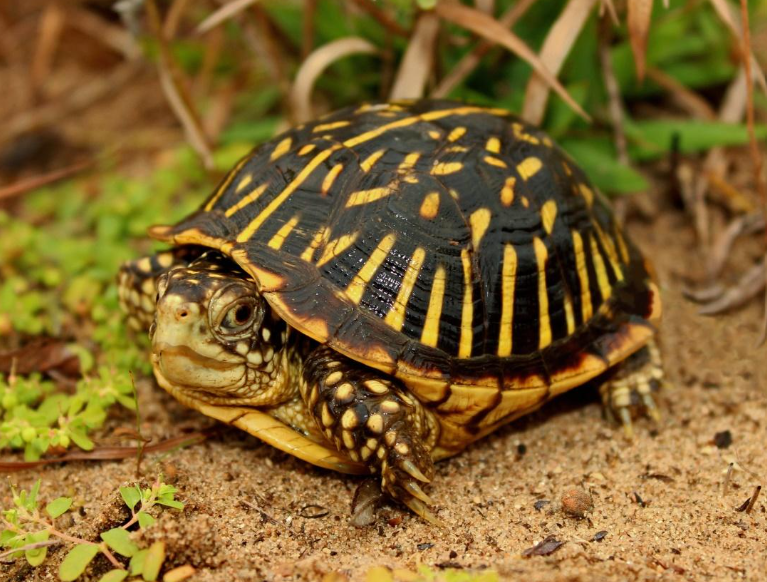
Box turtles are also renowned for having an excellent sense of direction. They can find their way back to their home range, even if they are taken several kilometres away from it. They can use their unique talent to find known locations, food supplies, and potential companions.
Threats to box turtles, such as habitat loss and pollution
Regretfully, box turtles face several challenges to their existence. The loss of habitat brought on by urbanisation and agriculture is one of the main concerns. Box turtles are also seriously in danger from vehicle fatalities because they routinely cross highways while in motion. The creation of wildlife corridors and habitat protection are two conservation measures that are critical to box turtles’ long-term survival.
Fascinating facts about Box turtles
Box turtles, members of the Emydidae family, are amazing animals. Their name is derived from their remarkable ability to retract their head, legs, and tail within their shell. These turtles may be found in marshes, grasslands, and woods in North America. We’ll look at some fascinating box turtle facts below:
Distinguishing features of box turtles
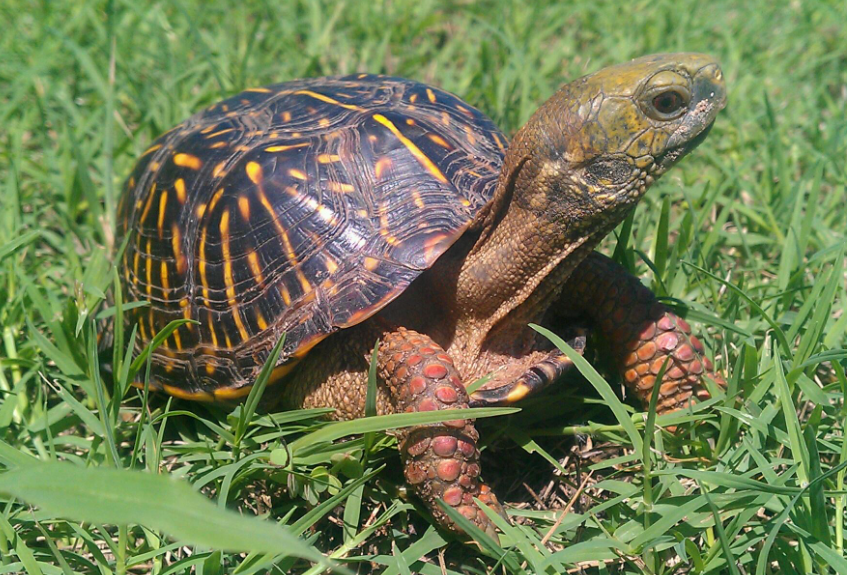
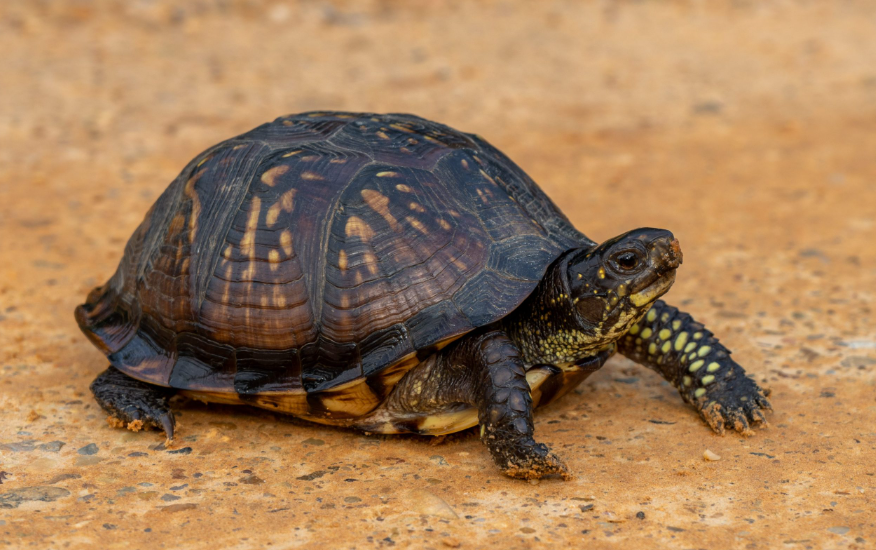
With their tall, dome-shaped shells that range in colour from brown to yellow to even black, box turtles have a distinctive look. The shells are usually covered in blotches or dots. Box turtles are distinguished from other types of turtles by having a hinged plastron, or the bottom portion of their shell, which enables them to fully seal their shell and provide superior protection.
Physical Characteristics and Size of box turtle
Male box turtles are somewhat bigger than females, with an average length of 4.5 to 6 inches. They are great swimmers and climbers because of their webbed feet and powerful, robust legs.
Box turtle distribution across different regions
Native to North America, box turtles inhabit a variety of environments. The most typical places to find them are marshes, grasslands, and woodlands. Because they depend on it for both food and shelter, these turtles choose locations with plenty of vegetative cover.
Ethical considerations of keeping box turtles as pets
Box turtles typically have a home range of one to two acres, which is rather tiny. They have a reputation for being possessive and will protect their domain from other box turtles.
Box turtle feeding habits and preferred diet
As omnivores, box turtles consume both plant and animal materials. Fruits, berries, mushrooms, insects, worms, snails, and even tiny vertebrates like frogs and snakes are among the many items they eat.
Preferred diet and hunting techniques
These turtles find their food easier because of their excellent sense of smell. With their powerful teeth, they smash and eat their prey. Carrion is another food source for box turtles, making them essential scavengers in their environment.
The reproductive process of box turtles, including courtship rituals and mating
Box turtles need seven to ten years to attain sexual maturity. Typically, mating takes place in the spring and early summer. Box turtle males use head bobbing and front leg vibrations to attract females.
The nesting habits and the incubation period for their eggs
Females deposit their eggs in a small nest that they dig in the ground after mating. Depending on the temperature, the eggs hatch in two to three months. Remarkably, the temperature at which the eggs are incubated determines the sex of the hatchlings. Males are produced by cooler temperatures, whereas females are produced by warmer temperatures.
Longevity and Lifespan of box turtles
Some box turtles may live up to 100 years in the wild, which is a lengthy lifetime. However, a number of factors have resulted in a reduction in their numbers, including habitat degradation, road fatalities, and the illicit pet trade.
Box turtles adaptability to various environments
One of the most well-known winter hibernation adaptations of box turtles is this behaviour. They select a good spot, like a burrow or a pile of leaves, and go into hibernation when the temperature decreases. Their metabolic rate drastically decreases during hibernation, enabling them to store energy.
Unique adaptations of box turtles
The capacity of box turtles to endure harsh environments is one of their special adaptations. Their blood contains a unique protein that functions as an antifreeze at freezing temperatures, keeping ice crystals from forming and injuring their cells.
Contribute to the preservation of these fascinating reptiles
Box turtles are amazing animals with intriguing behaviours and adaptations. Both scientists and nature lovers are interested in them because of their lifespan and capacity to retreat within their shells. To preserve these amazing reptiles for future generations to enjoy, it is critical to safeguard their habitats and ensure their survival.
FAQ (Frequently Asked Questions) about Box Turtle
Q: What is a Box Turtle?
Ans: The Box Turtle, scientifically known as *Terrapene*, is a species of North American turtle known for its ability to completely close its shell. This unique feature helps protect it from predators. There are several species of Box Turtles, but the most common are the Eastern Box Turtle (*Terrapene carolina carolina*) and the Three-toed Box Turtle (*Terrapene carolina triunguis*).
Q: Where are Box Turtles found?
Ans: Box Turtles are primarily found in North America, particularly in the eastern and central United States. They inhabit a variety of ecosystems, including forests, grasslands, and wetlands. They prefer areas with soft, moist soil and abundant vegetation.
Q: What does a Box Turtle eat?
Ans: Box Turtles are omnivores and have a diverse diet. They feed on a wide range of food including fruits, vegetables, mushrooms, insects, earthworms, and small amphibians. Their diet can vary depending on their environment and seasonal availability of food.
Q: How long do Box Turtles live?
Ans: Box Turtles have long lifespans, with some living up to 100 years in the wild, although most live between 50 to 80 years. They are slow-growing and can live a very long life with proper care, especially in captivity.
Q: What makes the Box Turtle unique?
Ans: The most distinctive feature of the Box Turtle is its hinged shell, which allows it to close itself completely inside, creating a “box” for protection. This ability is unique to this species and is a key factor in their defense against predators.
Q: Can Box Turtles be kept as pets?
Ans: Yes, Box Turtles can be kept as pets, but they require a lot of care and attention. They need a spacious, secure enclosure with access to both land and water. A proper diet, UVB lighting, and a temperature-controlled environment are essential for their health and well-being.
Q: How big does a Box Turtle get?
Ans: Box Turtles typically grow to a size of 4 to 6 inches (10 to 15 cm) in length. Some species may grow slightly larger, with the largest reaching up to 8 inches (20 cm). Their shells are dome-shaped and covered in smooth, patterned scutes that provide camouflage.
Q: How do Box Turtles reproduce?
Ans: Box Turtles reproduce by laying eggs. Mating usually occurs in the spring, and the female lays eggs in a nest she digs in the soil. The eggs hatch after several weeks, and the young turtles are independent from birth, although they may stay near the nest for a short period.
Q: Are Box Turtles endangered?
Ans: Some species of Box Turtles are considered vulnerable or endangered due to habitat loss, road mortality, and illegal collection for the pet trade. Efforts are being made to protect their habitats and ensure their survival in the wild.
#BoxTurtle, #Terrapene, #BoxTurtleCare, #TurtleLovers, #ReptilePet, #WildlifeConservation, #NorthAmericanTurtles, #TurtleProtection, #TurtleHabitat, #TurtleDiet
Our sources and references about Box Turtle
1: National Wildlife Federation – Box Turtle
2: IUCN Red List – Box Turtle
3: Smithsonian – Box Turtle
4: Reptiles Magazine – Box Turtles as Pets