The Saarloos Wolfdog is a breed of domestic dog that was developed in the Netherlands by combining German Shepherds and wild wolves. Known for its wolf-like appearance, intelligence, and strong instinctual drive, the Saarloos Wolfdog is a unique and highly energetic breed. This dog is often sought after for its striking resemblance to wolves, but it also requires a lot of attention and care due to its wild heritage.
Quick Top 10 Facts about the Saarloos Wolfdog
| SCIENTIFIC NAME | Canis lupus familiaris |
| CLASSIFICATION | KINGDOM: Animalia PHYLUM: Chordata CLASS: Mammalia ORDER: Carnivora FAMILY: Canidae GENUS: Canis SPECIES: Canis lupus familiaris |
| SIZE | Height: 60–75 cm (24–30 inches) Weight: 30–40 kg (66–88 lbs) |
| SPECIES | The Saarloos Wolfdog is a breed that originated from the cross between a German Shepherd and a European wolf. |
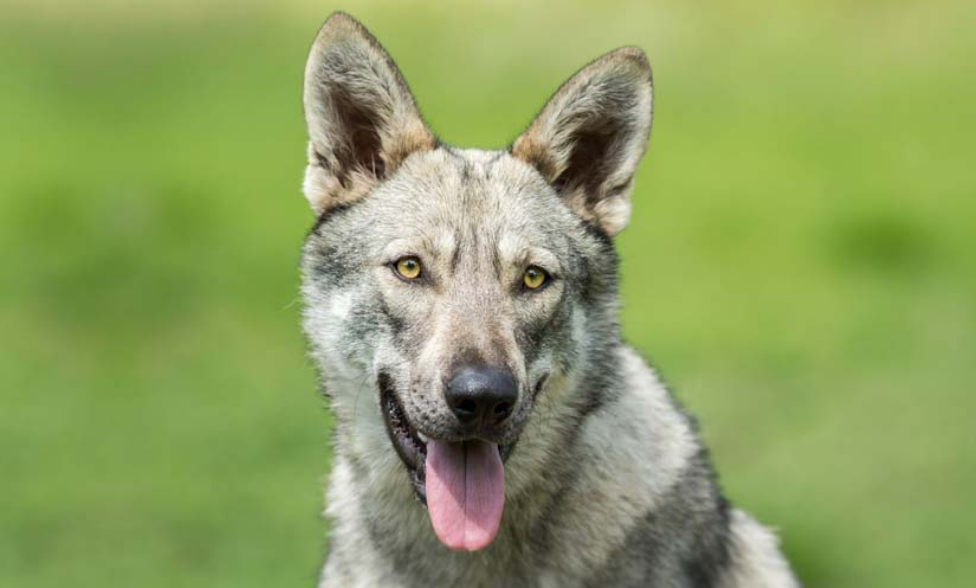
| APPEARANCE | The Saarloos Wolfdog has a wolf-like appearance with a dense coat, erect ears, and a bushy tail. It typically has a grey, wolf-like coloration, often with silver, black, and tan hues. |
| LIFE SPAN | 12–14 years |
| HABITAT | The Saarloos Wolfdog is a domestic breed but requires plenty of outdoor exercise and space to roam, ideally in a secure, large yard or rural environment. |
| DIET | High-quality dry food, raw food diets (BARF), and meat-based meals. As a high-energy breed, they require a balanced diet to maintain their health. |
| NATURAL PREDATORS | None – the Saarloos Wolfdog is a domesticated breed with no natural predators, though it is still a skilled and instinctual hunter. |
| CONSERVATION STATUS | Not endangered, but relatively rare due to its specialized breeding and the care required for ownership. |
Amazing Facts About the Saarloos Wolfdog
1. Wolf-like Appearance
The Saarloos Wolfdog’s wolf-like appearance is one of its most distinct features. It has a thick, dense coat, erect ears, and a bushy tail that gives it the look of a wild wolf.
2. Intelligent and Independent
This breed is highly intelligent and independent. While they can be trained, they require firm and consistent leadership and can sometimes be more challenging to train compared to other dog breeds.
3. High Energy Levels
The Saarloos Wolfdog is a highly energetic dog that requires a lot of exercise. It thrives in active households where it can engage in outdoor activities like running, hiking, and playing.
4. Strong Pack Instincts
Like wolves, Saarloos Wolfdogs have strong pack instincts and often form close bonds with their family members. They can be very loyal and protective of their loved ones.
5. Low Prey Drive
Despite their wild heritage, the Saarloos Wolfdog typically has a low prey drive, meaning they may not chase small animals. However, their instinctual nature means they still need close supervision around smaller pets.
6. Not Ideal for First-Time Owners
Due to their independent nature and strong instincts, Saarloos Wolfdogs are not ideal for first-time dog owners. They require experienced handlers who understand their unique needs.
7. Social and Playful
Saarloos Wolfdogs are social and enjoy being part of family activities. They are playful and affectionate, especially when they feel like they are part of a pack.
8. Excellent Endurance
This breed is known for its great endurance and stamina, able to run long distances without tiring easily. They are excellent companions for outdoor adventurers or joggers.
9. Adaptable but Requires Space
While the Saarloos Wolfdog can adapt to different living environments, they thrive in homes with large, secure yards where they can roam freely. They need plenty of exercise space to stay healthy.
10. Rare and Unique Breed
The Saarloos Wolfdog is a rare breed, often sought after by those who love the idea of owning a wolf-like dog but want the companionship of a domesticated breed.
Introduction to the Saarloos Wolfdog
A fascinating and magnificent breed, the Saarloos Wolfdog is renowned for its remarkable looks, intellect, and close connection to the natural world. The Saarloos Wolfdog, a hybrid between the German Shepherd and the Eurasian grey wolf, has an intriguing mix of qualities from both domestic dogs and wild wolves. This breed has drawn notice because to its exceptional physical attributes, which often mimic those of its wild forebears, loyalty, and independence. This guide will provide you thorough information on the history, traits, maintenance needs, and other aspects of the Saarloos Wolfdog, whether you are thinking about adopting one or are just interested in learning more about this hybrid breed.
The History and Origins of the Saarloos Wolfdog
Breeding the Saarloos Wolfdog
The history of the Saarloos Wolfdog begins in the early 1900s, when Leendert Saarloos, a Dutch breeder, set out to develop a dog breed that would combine the intellect and devotion of a German Shepherd with the wolf’s natural instincts and wilderness lifestyle. Saarloos thought he could create a dog that was powerful and smart but yet strongly related to its wild roots by crossing a German Shepherd with a Eurasian wolf.
The First Successful Crossbreeding
When Saarloos crossed a male German Shepherd with a female wolf in the 1930s, the Saarloos Wolfdog was successfully bred for the first time. A litter of pups with numerous wolf-like characteristics, including a strong hunting instinct, a high prey drive, and a strong bond with nature, was the end result. By carefully selecting progeny that displayed the necessary qualities, Saarloos proceeded to improve the breed throughout the next decades. The Netherlands formally recognised the Saarloos Wolfdog as a breed by the 1970s, and it gradually spread to other nations, such as the UK and certain European nations.
Modern-Day Rarity and Popularity
The Saarloos Wolfdog, which is often seen in Europe and a few other regions of the globe, is still a rather uncommon breed today. It has a loyal fan base of aficionados who value its wild and magnificent traits despite its scarcity.
Features of the Saarloos Wolfdog’s Body
Size and Weight
A striking and stunning breed, the Saarloos Wolfdog has many characteristics with wolves. The following are some of the Saarloos Wolfdog’s primary physical traits:
- Size: Male Saarloos Wolfdogs normally weigh between 75 and 100 pounds, while females typically weigh between 55 and 75 pounds. This breed is considered medium to big in size. Males are typically taller than girls, with shoulder heights ranging from 24 to 30 inches. They seem robust and athletic due to their size, which makes them perfect for sprinting and negotiating uneven ground.
Coat and Colour
- Coat: The Saarloos Wolfdog’s thick, dense coat serves as a barrier against inclement weather. It typically has medium-length to long hair with a harsh outer layer and a soft undercoat.
- Colour: Although the Saarloos Wolfdog’s coat colour might vary, it usually falls between light grey and reddish-brown, or even darker, wolf-like. The general colouring of Saarloos Wolfdogs is similar to that of wild wolves, with many having a combination of grey, black, and tan fur.
Eyes, Ears, and Tail
- Eyes: One of the Saarloos Wolfdog’s most remarkable characteristics are its eyes. The breed’s eyes are usually amber or yellowish in colour and shaped like almonds. The dog’s fierce and enigmatic look is a result of these eyes and their wolf-like features.
- Ears: The breed’s tall, triangular ears contribute to its overall wolflike look. The dog’s well-set ears enable it to retain exceptional hearing and environmental awareness.
- Tail: The Saarloos Wolfdog has a long, bushy tail that curves downward. Because of the lengthier hair down the length of the tail, it is sometimes said to have a “feathered” look. The dog’s tail may stand erect when it is alert or aroused, highlighting its wild ancestry.
Behaviour and Temperament
Devotion and Protection
Saarloos Wolfdogs are renowned for their intellect, loyalty, and independence, but because of their wild heritage, they also have some difficult characteristics. Before determining if the Saarloos Wolfdog is the best breed for your family or way of life, it is important to understand its temperament.
- Devoted and Protective: The Saarloos Wolfdog is very devoted to its family, much like many other dogs. It develops a close relationship with its owner and could defend those it loves. However, the dog’s drive to guard its group rather than being too violent is how its protective nature is shown.
Independence and Trainability
- Independent and Stubborn: The Saarloos Wolfdog is renowned for its strong sense of independence. Their behaviour as pets reflects the fact that this breed was developed to be independent in the wild. Even while they may develop strong relationships with their owners, they might not always obey orders right away, particularly if they don’t think it’s necessary. This implies that, in comparison to other breeds, training a Saarloos Wolfdog might be more difficult. Training this breed requires patience, consistency, and good reward.
Energy and Activity Level
- Playful and High Energy: Saarloos Wolfdogs are energetic canines who need plenty of mental and physical engagement. They thrive in settings where they have lots of room to move about and like engaging in physical activities like jogging, hiking, and exploring. They have a lot of energy, so it’s important to provide them enough ways to be active because if they don’t get enough exercise, they might become bored and destructive.
Wolf-Like Instincts and Behavior
- Wolf-like Instincts: Saarloos Wolfdogs have a strong hunting drive and other instinctive behaviours because of their wolf lineage. They should be kept on a leash or in a safe, gated location since they may have a tendency to pursue small animals. In contrast to other breeds, they have keen hunting instincts and a propensity to pay more attention to their environment.
Socialisation Requirements
- Socialisation: It’s important to socialise a Saarloos Wolfdog from an early age. Early exposure to a variety of people, pets, and places aids in the development of well-rounded and self-assured behaviour since they are not necessarily innately predisposed to warm up to strangers or new circumstances. They could become cautious or nervous in strange circumstances if they are not properly socialised.
Maintenance & Upkeep
Exercise Needs
- Exercise Requirements: Because Saarloos Wolfdogs are such energetic dogs, they need to be physically active every day in order to be healthy and content. For this breed, regular playtime, walks, and runs are crucial. They could become restless and start engaging in unwanted behaviours like digging or excessive barking if they don’t get enough exercise.
Diet and Nutrition
- Diet: To keep a Saarloos Wolfdog healthy and energetic, a balanced diet is essential. Their general health and muscular development will be supported by high-quality dog food that is high in protein and minerals. Although some dog owners choose to give their pets raw food, it’s crucial to speak with a veterinarian to make sure the dog’s nutritional requirements are satisfied.
Grooming Needs
- Grooming: To avoid matting and tangling, the Saarloos Wolfdog’s thick coat has to be regularly groomed. Brushing once a week is usually plenty, although they could need more regular brushing in the spring and autumn when they shed. While bathing should only be done when necessary, taking too many baths may deplete the skin’s natural oils and cause dryness.
Health Considerations
- Health: Although Saarloos Wolfdogs are typically healthy, they are susceptible to some health issues, just like any other breed. These might include autoimmune disorders, epilepsy, and hip dysplasia. The danger of health issues may be reduced by regular veterinary examinations, a balanced diet, and appropriate activity.
Is a Saarloos Wolfdog a Good Pet for You?
The Saarloos Wolfdog is a remarkable breed that is best suited for seasoned dog owners who are aware of its particular requirements and traits. Despite their intelligence, loyalty, and beauty, these dogs need a lot of care, exercise, and training. These dogs thrive in rural settings where they may wander and explore freely, or in homes with large, safe yards. To guarantee a happy and well-mannered dog, prospective owners should also be ready to devote time to socialising and training.
Saarloos Wolfdogs’ great activity, independence, and intense hunt drive make them unsuitable for first-time dog owners or households with small children. To flourish, they need owners who can provide them the proper setting, activities, and guidance. Nonetheless, the Saarloos Wolfdog may be a very fulfilling and devoted friend to those who are prepared to provide for their requirements.
FAQ (Frequently Asked Questions) about the Saarloos Wolfdog
Q: What is a Saarloos Wolfdog?
Ans: The Saarloos Wolfdog is a domesticated dog breed developed by crossing German Shepherds with European wolves. It has a wolf-like appearance and strong natural instincts.
Q: Are Saarloos Wolfdogs good with children?
Ans: Yes, Saarloos Wolfdogs are generally good with children. They are affectionate and loyal, making them good family pets, but they require early socialization.
Q: How much exercise do Saarloos Wolfdogs need?
Ans: Saarloos Wolfdogs are highly active and require a lot of physical exercise. They should be taken on daily walks and provided with opportunities to run and play.
Q: Are Saarloos Wolfdogs easy to train?
Ans: Saarloos Wolfdogs are intelligent but can be independent and stubborn, so they require consistent training. Positive reinforcement works best with this breed.
Q: Can Saarloos Wolfdogs live in apartments?
Ans: Due to their high energy levels and need for space, Saarloos Wolfdogs are not well-suited for apartment living. They thrive in homes with large yards and access to open spaces.
Q: How long do Saarloos Wolfdogs live?
Ans: The average lifespan of a Saarloos Wolfdog is 12 to 14 years, though this can vary depending on health and living conditions.
Q: Are Saarloos Wolfdogs related to wolves?
Ans: Yes, Saarloos Wolfdogs are a hybrid breed that resulted from crossing German Shepherds with European wolves. They have many wolf-like characteristics, including appearance and instincts.
Q: What is the temperament of the Saarloos Wolfdog?
Ans: The Saarloos Wolfdog is generally independent, intelligent, and loyal. They require strong leadership and consistent training but are affectionate and social with their families.
Q: Do Saarloos Wolfdogs get along with other dogs?
Ans: Saarloos Wolfdogs tend to get along well with other dogs, especially if they have been socialized properly from a young age. However, their strong pack instincts may cause some dominance issues.
Q: Are Saarloos Wolfdogs hypoallergenic?
Ans: No, Saarloos Wolfdogs are not hypoallergenic. They shed their fur regularly, so they are not the best option for people with allergies to pet dander.
#SaarloosWolfdog #WolfDogs #RareDogBreeds #WolflikeAppearance #Saarloos #GermanShepherdMix #DomesticWolf #CanineCompanion #HighEnergyDogs #WolfdogLovers
Our sources and references about the Saarloos Wolfdog
1: Wikipedia – Saarloos Wolfdog
2: American Kennel Club – Saarloos Wolfdog
3: Petfinder – Saarloos Wolfdog