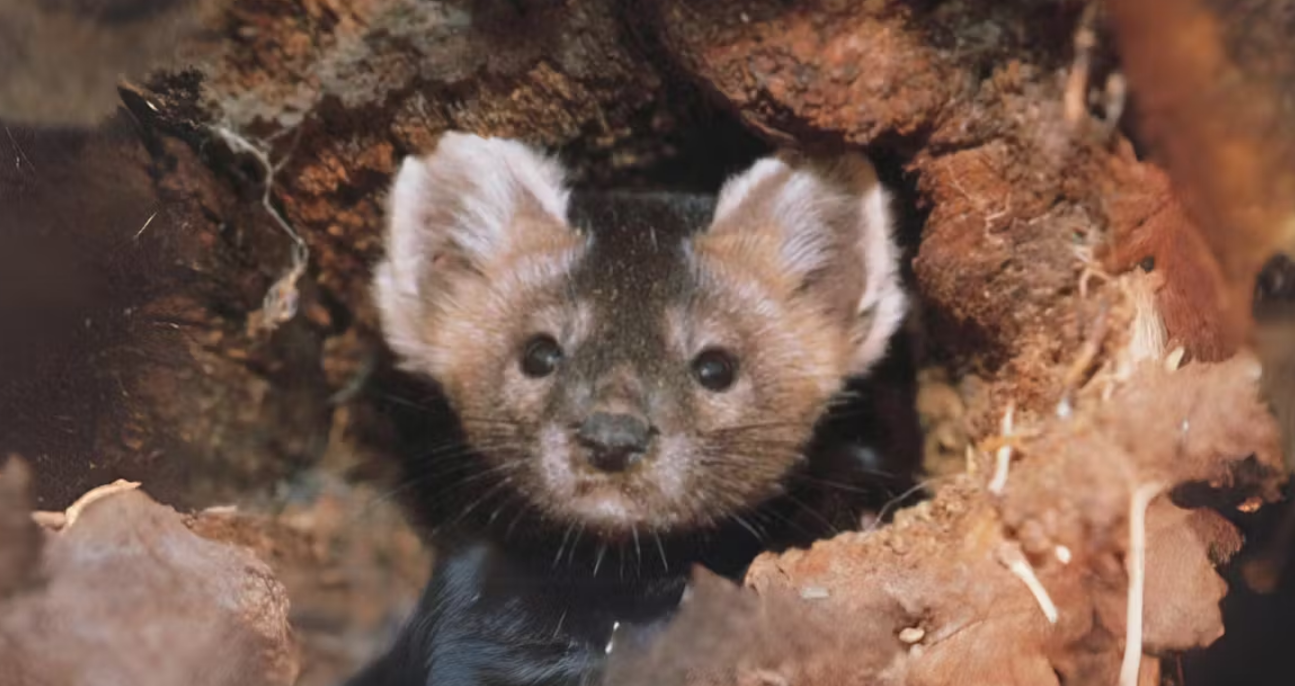
The Sable is a small, carnivorous mammal found in forested areas of Eurasia. Known for its luxurious fur, it is a prized animal in the fur trade. Sables are solitary and agile, primarily hunting small animals, birds, and insects.
Quick Top 10 Facts about Sable
| SCIENTIFIC NAME | Martes zibellina |
| CLASSIFICATION | KINGDOM: Animalia PHYLUM: Chordata CLASS: Mammalia ORDER: Carnivora FAMILY: Mustelidae GENUS: Martes SPECIES: M. zibellina |
| SIZE | Length: 13–22 inches (33–56 cm); Tail: 5–7 inches (13–18 cm) |
| HABITAT | Dense forests, particularly taiga and coniferous forests across Russia, Mongolia, and parts of Eastern Europe and Asia |
| DIET | Omnivorous; eats small mammals, birds, eggs, berries, fish, and insects |
| SPECIES | Sable, a small, agile carnivore known for its luxurious fur |
| COUNTRY | Native to Russia and parts of northern Asia |
| GESTATION PERIOD | About 245–298 days including delayed implantation |
| LIFE SPAN | Up to 14 years in captivity; 6–8 years in the wild |
| CONSERVATION STATUS | Least Concern; populations are stable, though still hunted for their fur |
Amazing Facts About Sables
1. Famous for their luxurious fur
Sables are highly valued for their soft, dense, and silky fur, especially the dark brown or black variety found in Russian populations.
2. Solitary and territorial animals
They live alone and are highly territorial, marking and defending areas of up to several square kilometers.
3. Skilled climbers and swimmers
Sables are agile in both trees and water, allowing them to escape predators and pursue a varied diet.
4. They use delayed implantation
After mating, the fertilized egg remains dormant for months, ensuring that births occur during favorable seasons.
5. Active all year round
Unlike some mammals in cold climates, sables remain active throughout the winter and do not hibernate.
6. Vocal communicators
Sables use a variety of vocalizations—growls, hisses, and chuckles—to communicate with each other, especially during mating season.
7. Wide geographical range
Their range extends across Siberia and parts of Mongolia, China, Korea, and Japan, adapting to cold, forested environments.
8. Diet includes everything from rodents to berries
As opportunistic omnivores, sables eat small animals, fruits, and even carrion when necessary.
9. Important part of the fur trade
Sables have been hunted for centuries, and their fur remains one of the most expensive and sought-after globally.
10. Considered a national treasure in Russia
Due to their historical and economic significance, sables hold cultural importance and are protected in many Russian nature reserves.
Sable: The Stylish and Mysterious Animal
The Sable’s Everlasting Elegance
The sable is an intriguing and hardy animal that has drawn interest from hunters, biologists, and fashion enthusiasts alike. It is a distinctive and significant species in the environments it inhabits because of its elegant appearance, solitary lifestyle, and role as an apex predator. Despite concerns over habitat loss and overhunting, the sable continues to symbolise resilience and beauty in nature.
A small yet captivating animal, the sable is renowned for its stunning fur, secretive nature, and remarkable ability to adapt to harsh conditions. The sable, a carnivorous species belonging to the Mustelidae family—which also includes ferrets, otter, martens, and weasels—has captured attention due to its exceptional traits. Native to the deep forests of northern Asia and parts of Europe, the sable is valued for its luxurious fur. It also serves as an apex predator, playing a crucial role in its ecology. This article covers the sable’s history, physical traits, behaviour, and ecological importance, along with its use in fashion and conservation issues.
The Sable’s Evolution and Distribution
The sable (Martes zibellina) is native to the wooded areas of Eurasia, especially Siberia, Russia, and parts of China and northern Mongolia. The species has developed characteristics that allow it to endure severe winters and hunt in dense habitats, enabling it to thrive in these cold, wooded conditions over millions of years. Once found across northern Europe and parts of Asia, the sable’s range has now been reduced due to habitat degradation and overhunting.
Due to the cover and abundant food supply provided by trees, sables are typically found in dense forests with plentiful vegetation. The perfect habitat for the sable is a combination of the thick canopy of trees and the extensive snow cover during winter. As solitary creatures, they prefer to live in isolated areas with little human interaction. Although they are territorial and compete with other species for resources, their preferred habitat often overlaps with other mustelids, such as martens.

Physical Attributes of the Sable
Despite their relatively small size, sables stand out from other Mustelidae species due to their unique morphological traits. The following are some notable features that characterise the sable:
Size and Build of the Sable
Adult sables typically measure between 18 and 28 inches (45 and 70 cm) in length, excluding the tail. The tail can add an additional 8 to 12 inches (20 to 30 cm). Typically, their weight ranges from 2.2 to 4.4 pounds (1 to 2 kg). Sables possess a compact, powerful physique that makes them agile and efficient hunters.
Fur: The Sable’s Most Famous Feature
The sable’s luxurious fur is its most famous characteristic. Its dense, velvety, and thick fur provides superior insulation against the cold environment in which it lives. Typically dark brown or black, the fur has softer tones on the chest and neck. Longer guard hairs give the fur its glossy, lustrous appearance, while the thick undercoat provides excellent insulation.
The majority of sables have dark brown fur, but their colour can vary depending on their location and environment. Some sables, especially those in northern regions, have nearly black fur, while those in warmer areas may have lighter brown or even reddish fur. The sable uses its fur colouration as camouflage in its wooded habitat, helping it blend in with its surroundings and avoid predators.
Tail and Ears of the Sable
The sable’s tail is long and bushy, often coated in thick fur. It uses its tail for stability and balance when climbing trees or moving through dense vegetation. The sable’s small, rounded ears enable it to detect faint sounds that may signal impending danger or the presence of prey.
Sharp Fangs and Claws
The sable’s fangs and claws are sharp due to its carnivorous diet. Its retractable claws allow it to climb trees and capture prey. The sable’s sharp teeth are designed to pierce flesh, reflecting its role as a predator. As expert hunters, sables can swiftly and accurately hunt insects, birds, and small animals.
Hunting Habits and Behaviour of the Sable
As solitary creatures, sables spend most of their time alone. They hunt and feed primarily at night since they are nocturnal. Their main food sources include insects, eggs, birds, and small mammals. Thanks to their keen hunting instincts and agility, sables are efficient predators, especially in dense forests that offer plenty of cover.
Territorial and Aggressive Behaviour
Sables tend to mark their home territories with scent glands since they are territorial animals. These territories are especially important during the mating season, and they are often defended from other sables. Conflicts may arise from territorial disputes; however, sables typically avoid direct confrontations by communicating boundaries through vocalisations and scent marking.
Climbing Ability of the Sable
One of the sable’s most distinctive traits is its remarkable ability to climb. Sables are skilled climbers, easily ascending trees due to their long, muscular bodies and strong claws. They use their climbing skills to reach bird nests, gather eggs, and escape predators. Although they are capable swimmers, sables generally prefer to remain on land or in trees.
Reproduction and Offspring Care
Sables typically breed between late winter and early spring. After approximately nine months of gestation, female sables give birth to a litter of one to four kits. The young are born blind and completely dependent on their mother for nourishment and warmth. As the kits grow, they are gradually taught hunting and survival skills, and by the time they are six months old, they are independent.
Life Expectancy of the Sable
Sables generally live between 10 and 15 years in the wild. However, factors such as predation can shorten their life expectancy. In captivity, where threats are fewer, they may live for 20 years or more.
Function of the Sable within the Ecosystem
The sable plays a vital role as an apex predator in its woodland ecosystem. As a carnivore, it helps maintain a balanced food web by regulating the populations of birds, small mammals, and other creatures. Without predators like the sable, smaller species may proliferate uncontrollably, leading to overgrazing and loss of vegetation.
In addition to being a predator, sables also contribute to the spread of seeds. By dispersing seeds through their faeces, they help promote forest regeneration and plant diversity.
Aside from their role as seed dispersers and predators, sables also serve as prey for larger carnivores, such as wolves, lynxes, and raptors. Even though the sable is an expert predator, larger animals still consider it to be a minor prey item.
Threats and the Status of Conservation
The International Union for Conservation of Nature (IUCN) currently classifies the sable as “Least Concern,” indicating that it is not considered at immediate risk of extinction. However, certain sable populations have faced threats in the past, particularly due to overhunting for their luxurious fur.
Modern conservation efforts and regulations aim to protect this beautiful species and ensure that future generations can appreciate the sable’s role in the wild. Whether valued for its ecological contributions, its opulent fur, or its status as a wilderness symbol, the sable remains one of the most fascinating creatures in the forest.
Fur Trade and Overhunting
Historically, the fur trade posed the greatest threat to sable populations. The silky, glossy fur of sables was highly prized, and during the 18th and 19th centuries, widespread hunting caused sable populations to decline. Although hunting has decreased due to international restrictions and animal protection laws, demand for sable fur persists in some markets, raising concerns about illegal poaching.
Habitat Loss and Deforestation
Since sables rely on vast, continuous forests for survival, habitat fragmentation and deforestation present a significant threat to their populations. Logging, agriculture, and human encroachment into forested areas may force sables into smaller, more isolated regions, making it difficult for them to find food and mates.
In some regions, measures have been put in place to protect sable populations. These include habitat restoration projects, conservation efforts, and hunting bans. Local regulations in countries such as Russia, where Sable populations remain strong, are designed to curb overhunting and promote sustainable use of Sable resources.
The Cultural Significance of the Sable
For centuries, the sable has held cultural and economic value, in addition to its ecological importance. Many civilisations have used its fur to make luxurious garments, particularly in Russia, where sable fur is seen as a symbol of aristocracy and wealth. The nobility greatly valued the fur for its softness and rarity, often using it in royal jackets, robes, and accessories.
FAQ (Frequently Asked Questions) about Sable
Q: What is a Sable?
Ans: The Sable (Martes zibellina) is a small carnivorous mammal belonging to the mustelid family, which also includes weasels, otters, and martens. Known for its luxurious dark brown or black fur, the sable is native to the forests of northern Asia, particularly Russia and Siberia. It has historically been prized in the fur trade.
Q: Where does the Sable live?
Ans: Sables primarily inhabit the taiga, or boreal forests, of Russia, Mongolia, China, and parts of Eastern Europe. They prefer dense coniferous forests where they can find shelter, prey, and places to den or burrow.
Q: What does the Sable eat?
Ans: Sables are omnivorous, with a diet that includes small mammals, birds, eggs, insects, berries, and occasionally fish. They are agile hunters and may also scavenge when necessary, adapting their diet based on seasonal availability of food.
Q: How big does a Sable get?
Ans: Sables are relatively small animals, with a body length ranging from 13 to 22 inches (33 to 56 cm), and a bushy tail that adds an additional 5 to 7 inches (13 to 18 cm). They typically weigh between 2 to 4 pounds (0.9 to 1.8 kg).
Q: Are Sables dangerous?
Ans: Sables are not considered dangerous to humans. They are generally shy and avoid contact. However, like most wild animals, they may bite or scratch if threatened or cornered, especially in captivity.
Q: How does a Sable defend itself?
Ans: Sables rely on their agility, speed, and ability to hide to evade predators. They are excellent climbers and can quickly escape into trees or dense underbrush. If cornered, they may use their sharp teeth and claws defensively.
Q: What does the Sable look like?
Ans: Sables have a slender body, short legs, and a bushy tail. Their fur is thick, silky, and typically dark brown to black, though some individuals may have lighter or golden tones. Their luxurious coat is one of their most distinctive features, especially during winter.
Q: How long do Sables live?
Ans: In the wild, Sables typically live around 8 to 10 years. In captivity, they can live longer—up to 14 years—if cared for properly and protected from predators and disease.
Q: Can you keep a Sable as a pet?
Ans: While it is technically possible to keep a sable as a pet in some regions, it is not recommended. They are wild animals with specific needs and behaviors that can be difficult to accommodate in a home environment. In many countries, keeping sables as pets is restricted or illegal.
Q: Are Sables endangered?
Ans: Sables are not currently classified as endangered, but some local populations have declined due to habitat destruction and overhunting for their fur. Conservation efforts and regulated fur farming have helped stabilize populations in some regions.
#Sable, #Wildlife, #MartesZibellina, #TaigaAnimals, #FurTrade, #SmallCarnivores, #AnimalFacts, #NatureLovers, #ForestAnimals, #MammalsOfAsia
Our sources and references about Sable
1: Wikipedia – Sable
2: Animal Diversity Web – Martes zibellina
3: Britannica – Sable
4: IUCN Red List – Martes zibellina