Sandworms are marine invertebrates that burrow into the sand in intertidal zones. They are used as bait for fishing and play an important ecological role by recycling nutrients in the sand. Some species of sandworm can be quite large, growing up to 10 feet long.
Quick Top 10 Facts about Sandworm
| SCIENTIFIC NAME | Shai-Hulud |
| CLASSIFICATION | KINGDOM: Animalia PHYLUM: Arthropoda (in fiction) CLASS: Unknown (fictional species) |
| SIZE | Length: 400–450 meters (1,300–1,500 feet) in length (fictional size) |
| SPECIES | Shai-Hulud (Sandworm) |
| APPEARANCE | Massive, segmented bodies resembling giant worms. Their skin is tough and leathery, often depicted as yellow or brown with rough textures. They also have numerous sharp teeth for consuming spice. |
| LIFE SPAN | Sandworms are believed to live for several thousand years. |
| HABITAT | Sandworms are native to the desert planet Arrakis (also known as Dune), where they live beneath the shifting sands of the desert. |
| DIET | Sandworms primarily consume the spice melange, which is produced naturally in the desert sands of Arrakis. |
| NATURAL PREDATORS | Due to their immense size and power, sandworms have few natural predators. However, they are vulnerable to extreme environmental changes and disturbances caused by humans or other factions in the *Dune* universe. |
| COUNTRY | Sandworms are fictional and are found exclusively on the planet Arrakis, also known as Dune. |
| CONSERVATION STATUS | Being fictional creatures, sandworms do not have a conservation status. However, they are integral to the ecosystem of Arrakis and crucial to the production of melange. |
Amazing Facts About Sandworms
1. The Giants of Arrakis
Sandworms are colossal creatures that can grow up to 450 meters (1,500 feet) long, making them some of the largest creatures in the *Dune* universe. They live beneath the desert sands of Arrakis.
2. Producers of Melange
These enormous creatures are directly tied to the creation of the spice melange, the most valuable substance in the *Dune* universe. The spice is produced in the sandworms’ digestive system and is harvested from the desert sands.
3. Unseen but Ever Present
Despite their massive size, sandworms spend most of their lives underground, only emerging when provoked by vibrations from above, such as those caused by humans harvesting the spice.
4. Incredibly Long Lifespan
Sandworms can live for thousands of years, making them ancient and enduring creatures. Their long lifespan is an essential feature in the context of the *Dune* ecosystem.
5. Protective of Their Spice
Sandworms are fiercely protective of the spice melange, and they are often drawn to spice harvesting operations. The extraction of melange can be hazardous, as the presence of humans triggers the sandworms to emerge.
6. Vital to Arrakis’ Ecosystem
The sandworms play a vital role in the ecology of Arrakis. They are an integral part of the planet’s environment, with their behavior and presence shaping the entire ecosystem of the desert world.
7. Connection with the Fremen
The native Fremen people of Arrakis have a deep cultural connection with the sandworms. They consider the creatures sacred and have learned to coexist with them, even using them for transportation by riding on their backs.
8. Fearsome and Dangerous
The sandworms are dangerous creatures. Their immense size and power make them formidable predators, and they can easily destroy spice harvesting equipment or even entire cities if disturbed.
9. Symbol of the Harsh Desert
In the *Dune* universe, the sandworm symbolizes the unforgiving and harsh nature of Arrakis. Their size and strength reflect the dangers of the desert environment and the power dynamics within the universe.
10. A Key to the Spice Trade
The sandworm’s role in the production of melange makes it central to the politics of the *Dune* universe. Control of the sandworms and the spice trade is a significant point of conflict between the various factions in the story.
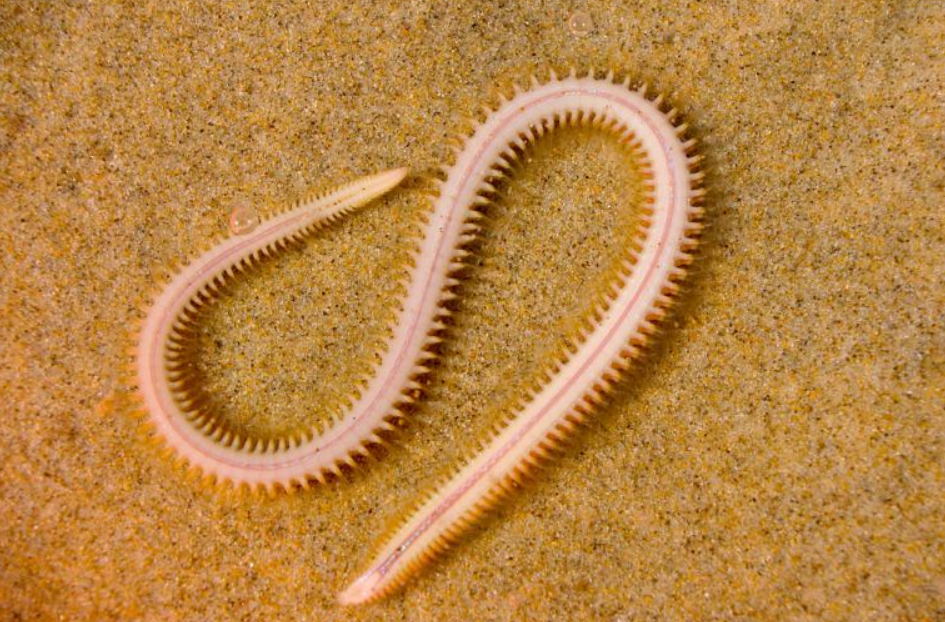
Anatomy and Adaptations of Sandworms
Understanding Sandworm Physiology
Sandworms are remarkable desert organisms with unique anatomical traits that enable them to thrive in hostile environments.
Depending on the species, these long, segmented creatures vary in size, typically ranging from a few inches to several feet.
Their bodies consist of numerous ring-like segments, providing them with flexibility and mobility in sandy terrains.
Specialised Appendages and Locomotion
Among their most distinctive anatomical features are the specialised appendages, or parapodia, located on each side of their bodies.
These appendages include bristle-like projections called setae, which assist in movement and help maintain their grip in the sandy environment.
With these appendages, sandworms efficiently dig, creating elaborate tunnels that serve as hunting grounds and refuges from predators.
Advanced Hunting and Sensory Features
Sandworms have evolved to enhance their hunting capabilities. Their mouths possess strong jaws and articulation features, facilitating effective predation.
They employ various hunting techniques to capture prey, primarily smaller invertebrates.
Sensory organs distributed across their bodies aid in detecting chemical and vibrational cues, improving their foraging efficiency.
Ecological Role and Environmental Impact
These anatomical characteristics enable sandworms to function as both prey and predators within the ecosystem.
By aerating the soil through their digging activities, they facilitate nutrient cycling and provide habitats for other species.
These remarkable adaptations have allowed sandworms to survive for millions of years, maintaining the balance of their desert habitats.
Sandworm Distribution and Habitat
Global Distribution and Microhabitat Preferences
Often referred to as “nature’s ancient marvels,” sandworms inhabit various environments that highlight their unique adaptations and survival strategies.
Predominantly found in desert regions and arid areas, they have adapted to endure high temperatures and scarce water sources.
The sandy or loamy soils of these habitats support their burrowing habits, essential for maintaining moisture levels and protecting them from predators.
Geographical Locations Where Sandworms Thrive
Sandworms are distributed globally, residing in deserts and coastal regions.
Notable habitats include extensive areas of the Arabian Peninsula, the Sahara Desert, and parts of the southwestern United States.
In these regions, they inhabit specific microhabitats that provide the necessary organic materials and moisture to sustain their life cycles.
Environmental Dependencies and Threats
Sandworms heavily rely on their environment for survival.
Factors such as temperature fluctuations, availability of food sources like decomposing organic matter, and soil composition impact their populations.
Additionally, their ability to retain moisture within their burrows is crucial during prolonged dry periods.
Human Impact and Climate Change
Human activities and climate change pose significant threats to these delicate ecosystems.
Rising temperatures and altered precipitation patterns can degrade sandworm habitats, disrupting the ecosystems they support.
Urbanisation, agriculture, and resource exploitation exacerbate the challenges faced by these remarkable species.
Conservation Importance
As natural habitats decline, implementing conservation strategies becomes vital to protect sandworms and the complex ecosystems they inhabit.
Preserving these habitats is essential not only for sandworm populations but also for the overall health of the ecosystems they are integral to.
Sandworm Diet and Behaviour
Feeding Habits and Hunting Techniques
Polychaetes, commonly known as sandworms, exhibit a range of fascinating behavioural patterns crucial to their ecological roles and survival.
These marine worms can burrow and construct intricate tunnels, primarily residing in sandy or muddy areas.
Their activities are closely linked to their feeding and reproductive behaviours, which display notable seasonal variations.
- Primary diet: Molluscs, crustaceans, and organic debris
- Hunting methods: Ambush, opportunistic scavenging
Sensory Detection and Foraging
Sandworms actively pursue smaller prey, including molluscs, crustaceans, and detritus, as part of their carnivorous scavenging diet.
They locate food in the surrounding sediment using their acute sense of smell.
Upon detection, they burrow into the substrate with their segmented bodies and employ their teeth to capture prey.
Unique Reproductive Behaviour: Epitoky
The mating behaviours of sandworms are particularly intriguing.
They undergo epitoky, transforming into reproductive forms during specific periods, typically associated with warmer waters or lunar cycles.
This metamorphosis often includes bright colouring and enhanced swimming abilities, enabling them to reach the surface for spawning.
Ecological Roles and Adaptive Behaviour
Enhancing genetic diversity through such behaviours is vital for the long-term survival of populations.
Sandworms play significant roles as both predators and prey within the food chain.
By aerating the sediment through their burrowing activities, they contribute to healthier marine ecosystems and provide habitats for other organisms.
Environmental Sensitivity
Sandworm behaviour may also change in response to environmental factors such as variations in salinity, temperature, and human-induced impacts.
Understanding these behavioural characteristics is essential to appreciate their ecological significance in coastal environments.
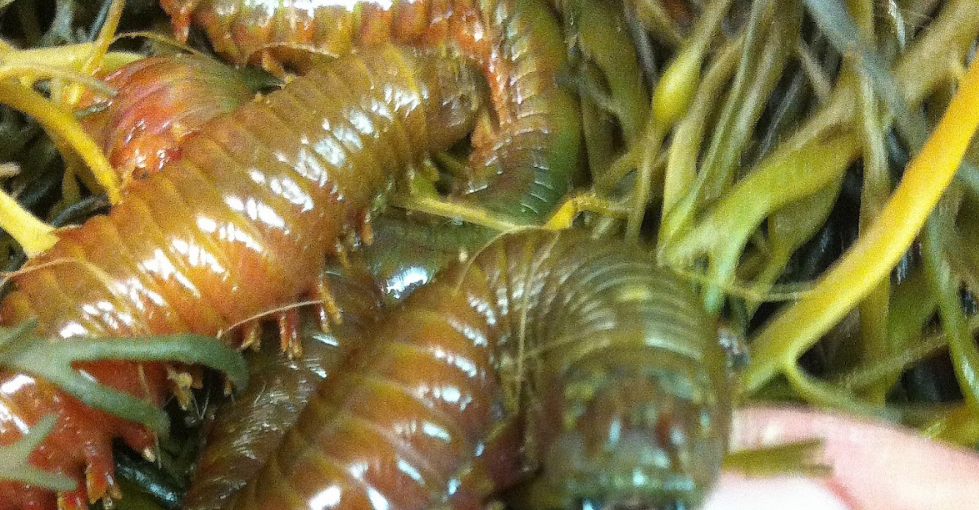
Historical and Cultural Significance of Sandworms
Mythological and Tribal Symbolism
Throughout history, sandworms—often shrouded in mystery and fascination—have held significance in various cultures.
These intriguing creatures have been depicted in literature and mythology, symbolising the earth’s primordial elements and the mysteries of nature.
In many civilisations, sandworms represent the unknown lurking beneath the surface of everyday existence, embodying both intrigue and fear.
Symbolism in Ancient Cultures
In ancient narratives, sandworms are often portrayed as formidable beings symbolising the power of nature and its capacity to inspire awe.
In certain tribal traditions, for instance, sandworms are seen as protectors of the desert, reigning over the dunes and the life within.
This reverence is reflected in cultural practices, where these creatures are honoured in ceremonies or regarded as symbols of resilience in the face of adversity.
Modern Cultural Representations
Sandworms have gained prominence in contemporary literature and film, largely due to their portrayal in science fiction.
A notable example is Frank Herbert’s “Dune,” where giant sandworms play a crucial role in the environment of the arid planet Arrakis.
Their significance extends beyond their physical presence, highlighting their importance in maintaining the ecological balance of their surroundings.
Ecological Symbolism and Conservation Awareness
Today, sandworms are recognised as iconic figures in popular culture, appearing in video games, movies, and books.
Their portrayal underscores their relevance in ecological research and conservation efforts.
The presence of sandworms in specific habitats serves as an indicator of environmental health, emphasising the need for their protection.
Preserving Natural and Cultural Heritage
Understanding the importance of sandworms can facilitate conservation strategies that highlight the interconnectedness of all life forms within delicate ecosystems.
By appreciating both their ecological and cultural value, we can recognise sandworms as not only fascinating natural creatures but also essential components of our cultural heritage and environmental future.
FAQ (Frequently Asked Questions) about Sandworms
Q: What are sandworms?
Ans: Sandworms are massive, fictional creatures from the *Dune* series by Frank Herbert. They live on the desert planet Arrakis and are the producers of the valuable spice melange.
Q: Where do sandworms live?
Ans: Sandworms are native to Arrakis, a desert planet, and they live beneath the sands, emerging only when disturbed.
Q: Why are sandworms important in the *Dune* universe?
Ans: Sandworms are integral to the production of the spice melange, which is highly valuable and necessary for space travel, extending life, and enhancing mental abilities.
Q: Can sandworms be ridden?
Ans: Yes, the Fremen people of Arrakis have learned to ride sandworms, using special techniques to control the creatures and travel across the desert.
Q: Are sandworms dangerous?
Ans: Yes, sandworms are highly dangerous due to their immense size and power. They can destroy spice harvesting equipment and pose a significant threat to anyone who disturbs them.
Q: How long do sandworms live?
Ans: Sandworms can live for thousands of years, which contributes to their mysterious and ancient nature in the *Dune* series.
Q: What do sandworms eat?
Ans: Sandworms feed on spice melange, which is produced naturally in the desert sands of Arrakis.
Q: Why are sandworms so big?
Ans: Sandworms are biologically designed to thrive in the harsh desert environment of Arrakis, with their massive size providing them with the strength to survive and produce the spice melange.
Q: Can sandworms be killed?
Ans: Sandworms are difficult to kill due to their size and tough skin. However, in the *Dune* series, various characters attempt to control or destroy them for their own purposes.
Q: Are sandworms real?
Ans: No, sandworms are fictional creatures created by Frank Herbert for his *Dune* series. They are part of the universe’s science fiction lore and play an essential role in the storyline.
#Sandworm #Dune #ShaiHulud #ScienceFiction #Arrakis #SpiceMelange #DuneUniverse #Fremen #FantasyCreatures #DuneFacts
Our sources and references about Sandworm
1: Wikipedia – Sandworm (Dune)
2: Dune Wiki – Sandworm
3: Dune by Frank Herbert (Book)