The Savu Python is a relatively small species of snake that is native to the Savu Islands in Indonesia. It is known for its distinctive coloring and calm demeanor, making it a popular choice among reptile enthusiasts. Savu Pythons are non-venomous constrictors and are typically found in tropical and forested areas. They are excellent climbers, spending much of their time in the trees and dense vegetation. Despite their relatively docile nature, they are powerful constrictors that subdue prey by wrapping around them and squeezing tightly. As a species, they are currently not endangered but require careful attention to their habitat and diet in captivity.
Quick Top 10 Facts about Savu Python
| SCIENTIFIC NAME | Antaresia childreni |
| CLASSIFICATION | KINGDOM: Animalia PHYLUM: Chordata CLASS: Reptilia ORDER: Squamata FAMILY: Pythonidae |
| SIZE | Length: 1.2–1.5 meters (4–5 feet) |
| SPECIES | Closely related to other species of pythons in the genus Antaresia, such as the Children’s Python and the Jungle Carpet Python. |
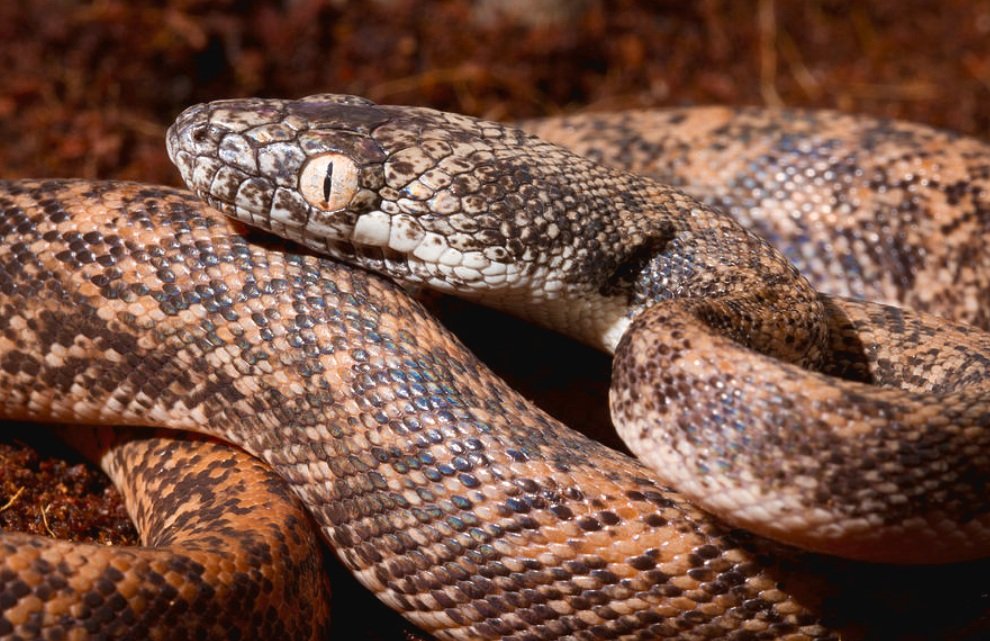
| APPEARANCE | Typically light brown to yellowish with darker brown or black markings along the body, creating a stunning contrast. |
| LIFE SPAN | Typically 15–20 years in captivity |
| HABITAT | Tropical forests, wooded areas, and rainforests of the Savu Islands, Indonesia |
| DIET | Small mammals, birds, and reptiles; often prey on rodents and birds found in their natural habitat. |
| NATURAL PREDATORS | Large birds of prey, crocodiles, and other larger snakes |
| COUNTRY | Native to the Savu Islands of Indonesia |
| GESTATION PERIOD | Oviparous (egg-laying); females lay around 6–10 eggs, and incubation lasts for about 2 months |
| CONSERVATION STATUS | Least Concern, although habitat destruction and the pet trade may affect local populations |
Amazing Facts About Savu Python
1. A Calm Constrictor
Savu Pythons are known for their calm and docile nature, which makes them a favorite among snake enthusiasts. They rarely display aggressive behavior unless provoked.
2. Great Climbers
These snakes are excellent climbers, often found in trees and shrubs. Their ability to navigate through branches is one of their key survival traits.
3. Non-Venomous
Unlike many other snakes, Savu Pythons are non-venomous. They use constriction to subdue their prey by wrapping around them and applying pressure until the prey suffocates.
4. Stunning Coloration
Savu Pythons feature beautiful coloration, with a light brown or yellowish body contrasted by darker brown or black markings. This coloration helps them blend into their natural environment.
5. Territorial Creatures
While generally calm, Savu Pythons can be territorial and will defend their space from other snakes, especially during mating season.
6. Egg Layers
Savu Pythons are oviparous, meaning they lay eggs rather than giving birth to live young. The mother will typically lay 6–10 eggs, which hatch after about 2 months.
7. Predatory Behavior
They primarily prey on small mammals, birds, and reptiles. They use their constricting abilities to catch and kill their prey before consuming it.
8. Endemic to Savu Islands
Savu Pythons are native to the Savu Islands of Indonesia and are not found naturally outside this region, making them a unique species in terms of geographic distribution.
9. Long Lifespan
In captivity, Savu Pythons can live for 15–20 years, with proper care, making them a long-term commitment for pet owners.
10. A Threatened Species?
While classified as “Least Concern,” the Savu Python faces threats from habitat loss and the illegal pet trade, which may impact local populations in the future.

FAQ (Frequently Asked Questions) about Savu Python
Q: What is a Savu Python?
Ans: The Savu Python is a non-venomous constrictor native to the Savu Islands of Indonesia, known for its calm demeanor and beautiful coloration.
Introduction to the Savu Python (Liasis mackloti savuensis)
Native to Indonesia’s Savu Island, the Savu Python (Liasis mackloti savuensis) is a unique and relatively rare species of snake. Belonging to the Pythonidae family, it shares this classification with other well-known pythons. This species is distinguished by its striking appearance, including vivid coloration and unique pattern markings that vary among individuals. These distinctive features enhance its appeal both in the wild and in captivity.
Physical Characteristics and Size of the Savu Python
The term “curtus,” derived from Latin, means “short,” aptly describing this python’s relatively smaller size compared to other pythons. While some individuals may grow longer, adult Savu Pythons typically reach an average length of 5 to 6 feet. Their compact size and robust build contribute to their exceptional strength, making them skilled hunters. They primarily prey on small to medium-sized animals and birds, showcasing their proficiency in ambush and constriction techniques—traits common among pythons.
Habitat and Distribution of the Savu Python
The Savu Python prefers habitats that offer ample shelter and hunting opportunities. It is commonly found in tropical forests, grasslands, and shrublands. Its geographic range is largely confined to the Savu Islands and surrounding areas, underscoring the importance of habitat preservation for this rare species. The python’s presence in these environments highlights its ecological role and the need for conservation efforts.
Ecological Significance of the Savu Python
Herpetologists and wildlife enthusiasts find the Savu Python intriguing due to its remarkable traits, preferred habitats, and geographic constraints. These aspects provide insight into the diversity of pythons and their ecological importance. The species’ uniqueness also draws attention to the ecological and cultural diversity of the Savu Islands, enhancing its appeal in conservation initiatives and scientific discussions.

The Savu Python’s Diet and Behaviour
Nocturnal Hunting Patterns
The Savu Python is predominantly nocturnal, engaging in a busy nighttime lifestyle. By hunting and participating in other activities at night, it faces less competition from predators during the day. During daylight hours, Savu Pythons typically hide in trees or rocky nooks, allowing them to rest well before their nocturnal activities.
Hunting Techniques and Diet
Employing a deliberate approach to hunting, the Savu Python demonstrates excellent constrictor skills. It primarily uses ambush techniques, waiting patiently for unsuspecting prey to approach. Upon reaching its target, the python strikes with remarkable speed, using its keen fangs to capture the prey. After securing the catch, it encircles the prey and applies pressure until immobilisation occurs. This hunting strategy allows the Savu Python to consume a range of species, adapting to the availability of prey in its environment.
Diet Composition
- Primarily consumes birds, small animals, and occasionally reptiles.
- Adults may prey on larger animals like opossums or other snakes.
- Younger individuals mainly feed on small rodents and birds.
- Highly flexible jaws allow swallowing prey whole.
Threats and Conservation Status
Conservation Status
The International Union for Conservation of Nature (IUCN) has classified the Savu Python (Morelia spilota cynvanus) as a species of least concern. However, several significant risks to its population could jeopardise its long-term survival. Habitat deterioration, primarily due to logging, urbanisation, and agricultural expansion, is a major concern. These activities not only reduce the Savu Python’s habitat but also fragment its dwelling areas, restricting mobility and prey availability.
Illegal Wildlife Trade
The illegal wildlife trade poses a serious threat as well. The Savu Python is sought after for its remarkable appearance and valuable skin. The local populace faces significant danger due to the demand for luxury products and pets. If not properly managed, the unsustainable collection of these pythons may cause their numbers to decline in the wild, making them more susceptible.
Climate Change Impacts
Climate change also presents a significant threat to Savu pythons by altering the habitats in which they live. Changes in temperature and precipitation patterns may impact their choices for habitat, hunting, and breeding. The Savu Python may struggle to adjust to these changes or relocate to more suitable environments if its specific habitats become unsuitable.
Conservation Efforts
Numerous conservation initiatives are underway to address these issues. Regional groups and global animal protection organisations are promoting habitat conservation, enforcing stricter laws to combat illegal trafficking, and increasing public understanding of the value of this rare species. Involving local populations in conservation efforts and educating them about the Savu Python’s ecological importance are essential to ensuring its survival. By tackling these challenges and collaborating to develop effective conservation plans, we can help secure the future of this unique reptile.
Fascinating Myths and Facts About the Savu Python
Unique Colouration and Camouflage
Native to Indonesia’s Savu Island, the Savu Python (Morelia spilotis) distinguishes itself from other snake species through a variety of intriguing traits and behaviours. One of its most distinctive features is its remarkable colouring, typically consisting of a blend of deep brown and black tones. This coloration aids in blending seamlessly with the wooded areas it inhabits. Beyond its aesthetic appeal, this colouring is crucial for helping the python ambush its prey, which predominantly comprises small animals and birds.
Arboreal Adaptations
Another notable trait of the Savu Python is its adaptation to arboreal life. Unlike some other pythons that prefer terrestrial habitats, the Savu Python is an adept climber. Its prehensile tail allows it to navigate branches with ease, enhancing both stability and grip. This arboreal tendency enables it to ambush prey from above, improving its hunting efficiency.
Common Misconceptions
Despite its captivating appearance and unique characteristics, the Savu Python is often misunderstood due to general misconceptions about pythons. One common myth is that all pythons are dangerous and prone to attacking humans. In reality, the Savu Python is typically shy and avoids confrontation. Like many snakes, it will only bite in self-defence.
Perceived vs Actual Threat
Myths about python size and strength often lead to exaggerated fears. Although powerful constrictors, Savu Pythons are not dangerous to humans, as they primarily target smaller prey. Learning the facts about the Savu Python helps foster appreciation for its role in the ecosystem and dispels unwarranted fears.
Q: How dangerous is the Savu Python?
Ans: The Savu Python is not dangerous to humans. It is non-venomous and uses constriction to subdue prey. It is generally calm and docile in nature.
Q: What do Savu Pythons eat?
Ans: Savu Pythons primarily feed on small mammals, birds, and reptiles, using constriction to kill their prey.
Q: How long do Savu Pythons live?
Ans: Savu Pythons typically live 15–20 years in captivity with proper care.
Q: Where are Savu Pythons found?
Ans: Savu Pythons are native to the Savu Islands of Indonesia and are not found naturally outside this region.
Q: Are Savu Pythons good pets?
Ans: Yes, Savu Pythons are popular as pets due to their calm nature, manageable size, and striking appearance. However, they require proper care and attention to their habitat.
Q: How do Savu Pythons hunt?
Ans: Savu Pythons are constrictors and hunt by ambushing prey, wrapping around it, and applying pressure until the prey suffocates.
Q: How do Savu Pythons reproduce?
Ans: Savu Pythons are oviparous, laying around 6–10 eggs that incubate for approximately 2 months before hatching.
Q: What is the conservation status of the Savu Python?
Ans: The Savu Python is listed as “Least Concern,” although its populations may be affected by habitat destruction and the illegal pet trade.
Q: Are Savu Pythons endangered?
Ans: Savu Pythons are not currently considered endangered, but habitat loss and the pet trade could pose future risks.
#SavuPython #Pythons #ReptilePets #SnakeFacts #ConstrictorSnakes #WildlifeConservation #SnakeEnthusiast #IndonesiaReptiles
Our sources and references about Savu Python
1: Wikipedia – Savu Python
2: IUCN Red List – Savu Python
3: Reptile Fact – Savu Python