The Scottish Deerhound is a majestic and noble breed originally developed in Scotland to hunt red deer. Known for its tall, slender build and wiry coat, the Deerhound closely resembles a rough-coated Greyhound but is larger and more robust. Despite their hunting background, these dogs are gentle giants—friendly, calm, and deeply loyal. They thrive in open spaces and bond strongly with their families, making them wonderful, albeit large, companions.
Quick Top 10 Facts about Scottish Deerhound
| SCIENTIFIC NAME | Canis lupus familiaris |
| CLASSIFICATION | KINGDOM: Animalia PHYLUM: Chordata CLASS: Mammalia ORDER: Carnivora FAMILY: Canidae BREED GROUP: Hound |
| SIZE | Height: 71–81 cm (28–32 inches) Weight: 34–50 kg (75–110 lbs) |
| SPECIES | Domestic dog breed developed to hunt large game, especially deer, in the Scottish Highlands. |
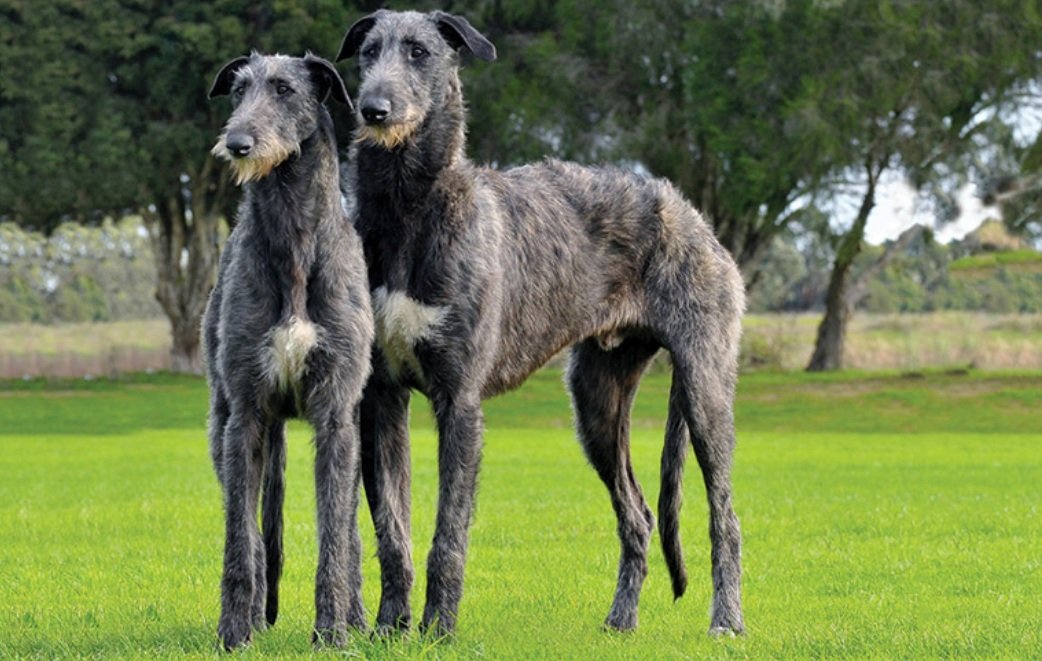
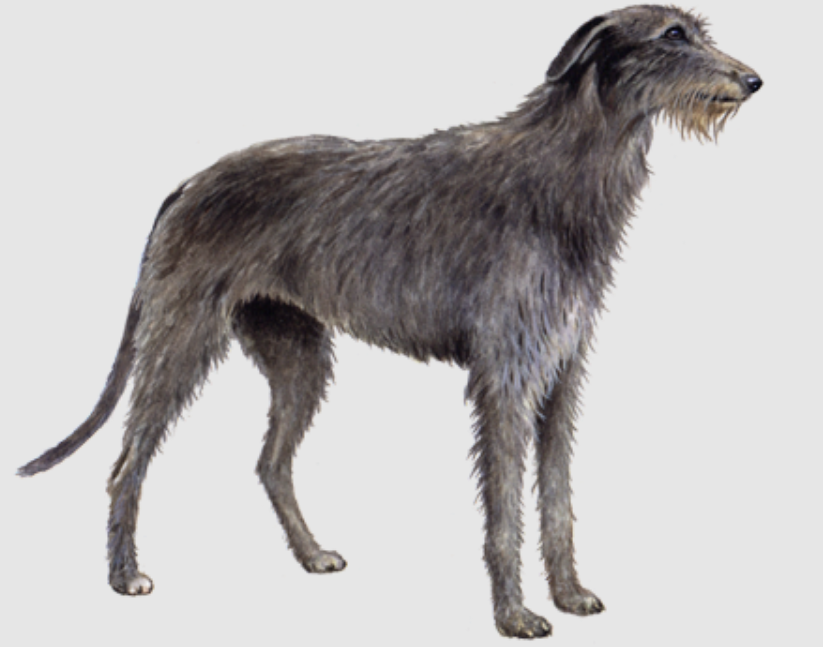
| APPEARANCE | Tall, lean, and muscular with a shaggy, wiry coat; typically grey or brindle; long legs, narrow body, and a noble expression. |
| LIFE SPAN | 8–11 years |
| HABITAT | Best suited for homes with large yards or rural environments where they have space to run and roam. |
| DIET | High-quality commercial or raw dog food; needs proper nutrition for joint and bone health due to large size. |
| NATURAL PREDATORS | As a large domesticated dog, it has no natural predators but should be protected from large wildlife and traffic. |
| COUNTRY | Scotland (United Kingdom) |
| GESTATION PERIOD | Approximately 63 days |
| CONSERVATION STATUS | Not endangered, but considered a rare breed and maintained by dedicated breeders |
Amazing Facts About Scottish Deerhound
1. An Ancient Breed
Scottish Deerhounds are among the oldest sighthound breeds, with roots tracing back to pre-medieval Scotland.
2. Bred for Speed and Strength
They were originally bred to pursue and take down the Scottish red deer, which requires incredible athleticism and power.
3. Gentle Giants
Despite their size and hunting background, Scottish Deerhounds are incredibly gentle and affectionate, often called “the most polite of dogs.”
4. Low Barkers
They rarely bark and are not aggressive, making them poor guard dogs but great calm companions.
5. Love to Run
They have a strong chase instinct and need regular off-leash exercise in secure areas to satisfy their athleticism.
6. Sensitive Souls
Deerhounds are emotionally sensitive and respond best to gentle, patient training.
7. Low Grooming Needs
Their wiry coat is easy to maintain with weekly brushing and occasional bathing.
8. Great with Families
They get along well with children and other dogs, especially when raised together.
9. Rare and Noble
The breed is relatively rare and was once considered a symbol of nobility—only the aristocracy could own one.
10. Nicknamed the “Royal Dog of Scotland”
Scottish Deerhounds are often referred to as the Royal Dog of Scotland due to their historic association with Scottish clans and royalty.
Scottish Deerhound: Scotland’s Magnificent Sighthound
The Scottish Deerhound, also known as the Royal Dog of Scotland, stands as one of the most graceful and aristocratic sighthound breeds. This breed has a centuries-old heritage firmly anchored in Scottish culture and history. People recognise it for its elegant appearance, kind disposition, and powerful hunting skills. Below, we outline the origin, physical traits, temperament, training requirements, health issues, and lifestyle needs of this exceptional breed:
Scottish Deerhound History and Origins
Ancient Heritage and Aristocratic Roots
The Scottish Deerhound ranks among the world’s oldest dog breeds, with roots stretching back thousands of years. Scots first developed these dogs to use their extraordinary speed and sharp vision when hunting large animals, particularly deer. Scottish aristocrats primarily utilised the breed to hunt red deer. Hunters highly valued the dogs for their ability to track and catch enormous game with agility and endurance.
Historical Mentions and Crossbreeding
Although historical records mention the breed as early as the 16th century, evidence suggests the breed’s ancestry dates much further back. Early Scottish Deerhounds likely resulted from crossing several sighthound breeds, such as the Irish Wolfhound, Saluki, and other Middle Eastern and European varieties. Scottish nobles carefully cultivated the breed, valuing its noble traits alongside power and hunting endurance.
From Near Extinction to Modern Symbol
As the demand for big game hunting declined over time, the Scottish Deerhound gained prominence as a symbol of aristocracy. In the 19th century, as dog hunting faded, the breed nearly became extinct. However, dedicated breeders revived it. Today, the Scottish Deerhound remains a popular breed among those who cherish its elegant appearance and historical significance.
Physical Attributes of the Scottish Deerhound
Overall Appearance and Build
The Scottish Deerhound is large, strong, and elegant, possessing a distinctive look that blends power with grace. Although originally developed as a fierce hunter, enthusiasts favour the breed for its noble appearance and athletic frame.
Dimensions and Size
- Height: Males stand between 30 and 32 inches (76–81 cm); females between 28 and 30 inches (71–76 cm).
- Weight: Males weigh 85 to 110 pounds (39–50 kg); females 75 to 95 pounds (34–43 kg).
Coat Texture and Colour Variations
The breed’s medium-length, thick, rough, and wiry coat protects it from the harsh Scottish weather. While the coat feels soft underneath, it is generally described as rough in texture.
The Scottish Deerhound’s coat displays a wide range of colours, including brindle, dark grey, fawn, blue-grey, and black. Dark blue or blue-grey coats often hold the highest value, although faint patterns may also appear.
Facial Features and Expression
The Scottish Deerhound has a long, aristocratic head with a strong yet elegant jawline, a flat skull, and a well-defined stop. Its dark, expressive eyes convey intelligence and gentleness. When resting, the breed’s ears lie small and folded; during activity or movement, they become more alert.
Movement and Tail Characteristics
When trotting, the dog carries its long, feathery tail in a graceful arc. The breed’s smooth and effortless movement highlights its agility and stamina. Its elegant long stride reflects its hunting heritage, allowing it to gallop at top speed for extended periods.
Scottish Deerhound Temperament and Personality
A Gentle Giant with a Calm Nature
Scottish Deerhounds are widely known for their peaceful and serene nature. Despite their size and strength, they have a disposition much like that of a gentle giant. Their loving, devoted, and kind temperament makes them excellent companions, especially for families with children.
Loyalty and Affection Toward Family
The Scottish Deerhound is gentle with people and other animals. It forms close bonds with its family members and enjoys spending time with loved ones. While it often seeks affection, it does not demand excessive attention.
Because they usually tolerate children and other pets, their loving nature suits family life well. However, their hunting instincts may make them unreliable around smaller animals like cats or rabbits unless raised with them from a young age.
Independence and Obedience
Although generally docile, Scottish Deerhounds sometimes show independence. As sighthounds bred to hunt alone, they possess an inherent streak of autonomy. Consequently, they may not always respond eagerly to commands, requiring constant and encouraging reinforcement during training.
Training can sometimes be challenging because, despite their intelligence, they may lack the motivation or attention span of other breeds. However, with proper encouragement, they often excel in sighthound sports like lure coursing.
Socialisation and Behaviour with Strangers
Scottish Deerhounds usually display a friendly and outgoing nature towards people, though they can be somewhat shy around strangers. They do not have a reputation for hostility or possessiveness but often bark to warn their owners of unfamiliar people or animals.
Exercise and Training Requirements for a Scottish Deerhound
High Energy and Stamina
As a sighthound breed, the Scottish Deerhound possesses a strong prey drive and a keen sense of pursuit. Their hunting heritage endows them with great energy and stamina, which they need to expend regularly to remain happy and healthy.
Training Tips and Strategies
Generally, training a Scottish Deerhound is straightforward if started early and carried out with patience and consistency. The breed responds well to positive reinforcement techniques such as play, praise, and rewards.
They understand commands and are intelligent, but their independent nature means training sessions must stay interesting to hold their attention. Their gentle and calm temperament usually ensures good behaviour indoors, but mental stimulation and exercise are essential to prevent boredom.
Exercise Needs and Activities
Scottish Deerhounds, as high-energy dogs, require plenty of activity to stay fit. They need space to run freely and stretch their legs, though they also enjoy regular walks. Secure, enclosed areas provide the best environment for short bursts of speed and agility.
Thanks to their exceptional stamina and original purpose of running long distances at full speed, daily exercise remains crucial. Activities designed for sighthounds, such as lure coursing, offer excellent outlets for their energy.
Despite their energetic nature, Scottish Deerhounds are also known for their relaxed attitude indoors, where they are content to rest on a comfortable surface.
Scottish Deerhound Grooming and Maintenance
Coat Care and Shedding
Compared with other breeds having similar coats, the Scottish Deerhound requires relatively low grooming maintenance. While they need regular care, most owners can manage their grooming routine easily.
- Brush the coat once or twice weekly to prevent matting and remove dead hair.
- Increase brushing frequency during seasonal shedding periods.
- Trim minimally; occasional baths help maintain coat cleanliness.
Routine Hygiene and Care
Maintaining the dog’s overall health requires regular nail trimming, teeth cleaning, and ear care. Owners should check the Scottish Deerhound’s ears often for debris or signs of infection.
Because this is a large breed prone to joint issues, maintaining a healthy weight and providing regular exercise supports long-term health.
Common Health Issues in Scottish Deerhounds
Health Risks Related to Breed Size
Though generally healthy, the Scottish Deerhound’s large size exposes it to certain health risks. Responsible breeding and genetic testing help reduce the risk of inherited conditions.
Genetic and Common Conditions
- Bloat (Gastric Torsion): A life-threatening condition involving stomach twisting and gas build-up.
- Hip Dysplasia: A painful joint disorder caused by improper hip development.
- Heart Conditions: Includes dilated cardiomyopathy, which may lead to heart failure.
Longevity and Veterinary Care
Scottish Deerhounds can enjoy long, happy lives, often reaching 8 to 12 years. A healthy lifestyle, regular veterinary check-ups, and appropriate care contribute greatly to their longevity.
FAQ (Frequently Asked Questions) about Scottish Deerhound
Q: What is a Scottish Deerhound?
Ans: The Scottish Deerhound is a tall, elegant sighthound breed originally bred in Scotland to hunt deer.
Q: How big does a Scottish Deerhound get?
Ans: Males can grow up to 32 inches tall and weigh up to 110 pounds; females are slightly smaller.
Q: Are Scottish Deerhounds good pets?
Ans: Yes, they are loving, calm, and make excellent companions for families who can meet their space and exercise needs.
Q: Do Scottish Deerhounds shed?
Ans: Yes, but not excessively. Their rough coat sheds moderately and needs weekly brushing.
Q: How long do Scottish Deerhounds live?
Ans: They typically live between 8 and 11 years.
Q: Are they easy to train?
Ans: They are intelligent but may be stubborn; gentle, consistent training works best.
Q: Do Scottish Deerhounds need a lot of exercise?
Ans: Yes, they require daily exercise and benefit from running in large, enclosed spaces.
Q: Can Scottish Deerhounds live in apartments?
Ans: It’s not ideal; they do better in homes with plenty of space and access to outdoor areas.
Q: Are they good with other pets?
Ans: Generally yes, though caution is needed around small animals due to their prey drive.
Q: Are Scottish Deerhounds rare?
Ans: Yes, they are considered a rare breed and may be difficult to find outside of specialized breeders.
#ScottishDeerhound #Sighthounds #GentleGiant #HoundBreeds #RoyalDogOfScotland #RareBreeds #DogFacts #HuntingDogs
Our sources and references about Scottish Deerhound
1: Wikipedia – Scottish Deerhound
2: AKC – Scottish Deerhound
3: DogTime – Scottish Deerhound
4: The Spruce Pets – Scottish Deerhound