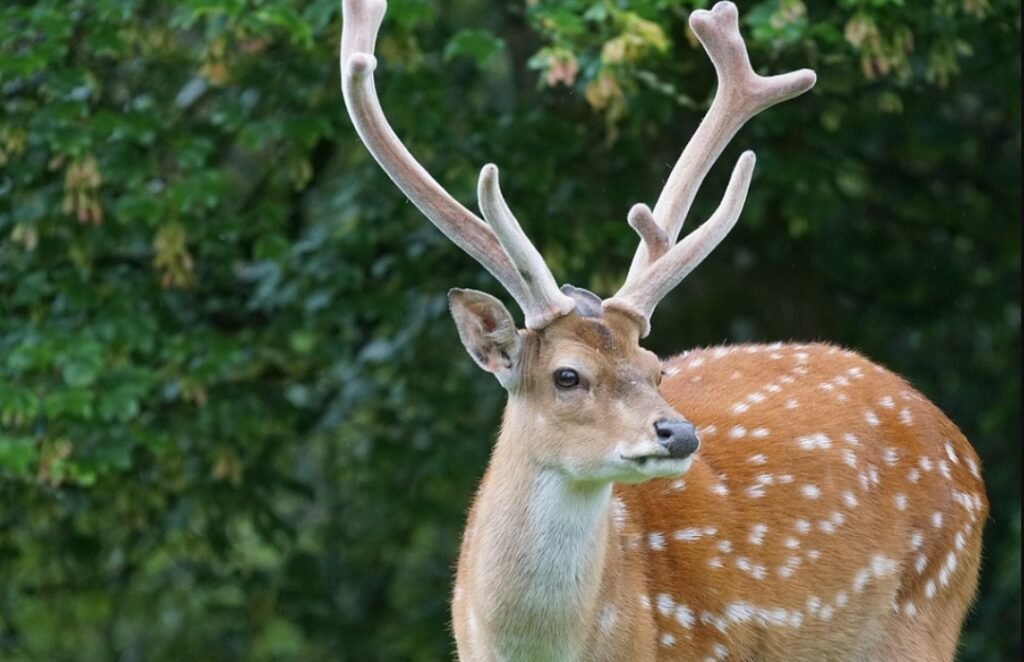
The Sika Deer is a medium-sized species of deer native to East Asia, including Japan, Taiwan, and parts of China and Russia. Known for its distinctive spotted coat, even in adulthood, the Sika Deer is a graceful and adaptable animal. It thrives in a range of habitats, from dense forests to grasslands. In many parts of the world, including the UK and the U.S., Sika Deer have been introduced and have established wild populations. They are agile, vocal, and known for their solitary or small group behavior, especially outside the mating season. Sika Deer are herbivores and are often found grazing during the early morning or evening hours.
Quick Top 10 Facts about Sika Deer
| SCIENTIFIC NAME | Cervus nippon |
| CLASSIFICATION | KINGDOM: Animalia PHYLUM: Chordata CLASS: Mammalia ORDER: Artiodactyla FAMILY: Cervidae |
| SIZE | Height: 50–110 cm (20–43 inches) at the shoulder Weight: 30–110 kg (66–243 lbs), depending on subspecies |
| SPECIES | Several subspecies exist, such as the Japanese Sika, Formosan Sika, and Manchurian Sika. They vary in size and coloration. |
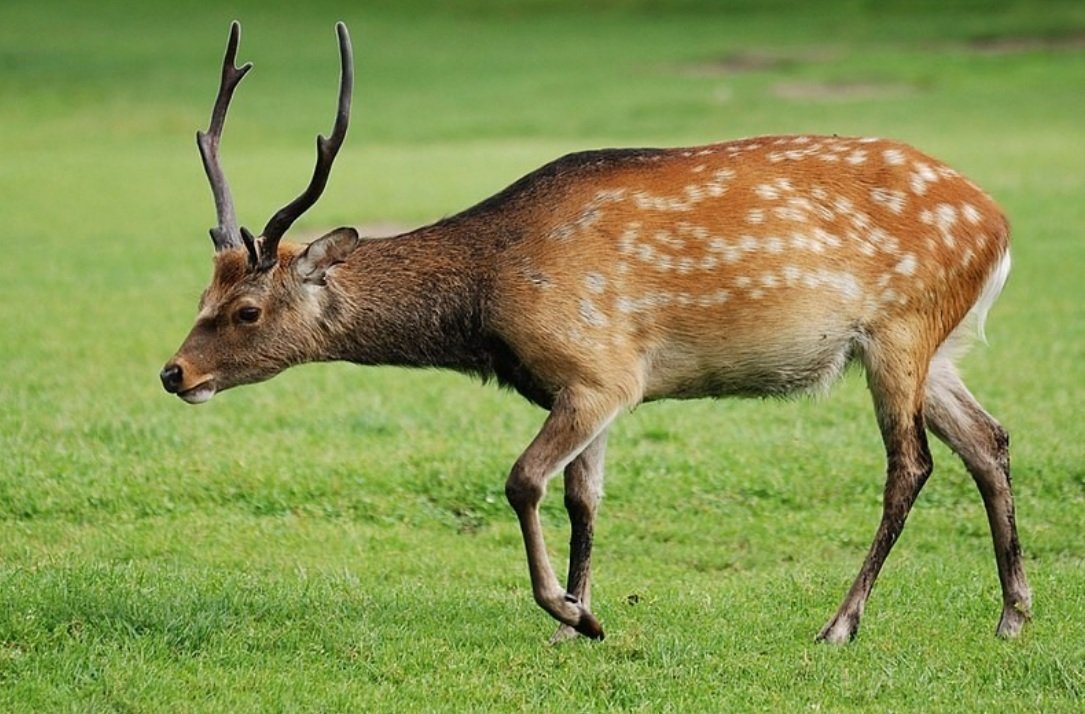
| APPEARANCE | Spotted coat (even in adulthood), short tail, and small, upright antlers in males. Coat color varies from reddish-brown to dark brown depending on the season and region. |
| LIFE SPAN | Typically 15–20 years in the wild |
| HABITAT | Forests, grasslands, and shrublands across East Asia; introduced populations are found in parts of Europe and North America |
| DIET | Herbivorous; feeds on grasses, leaves, shoots, bark, and fruits |
| NATURAL PREDATORS | Wolves, tigers, leopards, and large birds of prey; humans also pose a threat through hunting |
| COUNTRY | Native to Japan, China, Taiwan, Korea, and Russia; introduced to the UK, Ireland, U.S., and parts of Europe |
| GESTATION PERIOD | Approximately 7 months (210–220 days) |
| CONSERVATION STATUS | Least Concern (IUCN); some subspecies are threatened or endangered due to habitat loss and hybridization |
Amazing Facts About Sika Deer
1. Spotted All Their Life
Unlike most deer that lose their spots as they mature, Sika Deer retain their spotted coats into adulthood.
2. Highly Vocal
Sika Deer are known for their loud and varied vocalizations, including whistles, screams, and mews—especially during the rutting season.
3. Solitary and Social
They can be solitary or form small herds depending on the season and availability of food.
4. Strong Swimmers
Sika Deer are excellent swimmers and often take to water to escape predators or move between feeding grounds.
5. Wide Range of Subspecies
There are several distinct subspecies, each with unique characteristics adapted to their environments, such as size and coat thickness.
6. Introduced Populations
Sika Deer have been introduced to places like the UK, where they have established significant wild populations.
7. Rutting Behavior
During the mating season, males create rutting grounds and compete for females by vocalizing and fighting with their antlers.
8. Territorial Marking
Males mark their territory using scent glands and by scraping trees or the ground with their hooves.
9. Hybridization Threat
In regions where they coexist with other deer species, Sika Deer can hybridize, threatening the genetic purity of native species.
10. Cultural Significance
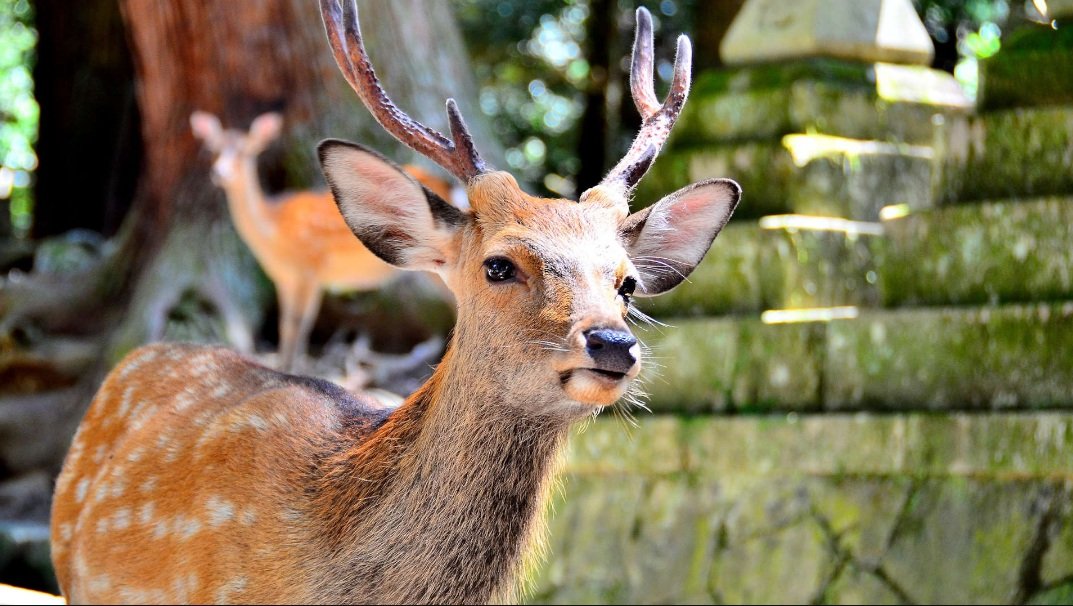
In Japan, Sika Deer are considered sacred animals, especially in Nara, where they roam freely in parks and are protected as national treasures.
Introduction to the Sika Deer: A Fascinating and Adaptable Cervid
The amazing Sika deer (Cervus nippon) is well-known for its unique look, ability to adapt to a wide range of habitats, and significant ecological contribution in both its native and imported regions. Due to successful introductions in many areas, the Sika deer, which is native to East Asia, is now one of the most common deer species worldwide. The Sika deer’s physical traits, behaviour, habitat, food, reproductive patterns, and conservation status will all be covered in this article. This book provides an in-depth study of one of the most intriguing cervids, whether you are an animal lover, researcher, or someone with an interest in deer species.
Physical Characteristics of the Sika Deer
General Body Size and Shape
- Medium-sized Sika deer may be readily identified by their distinctive body shape and colouration. They differ from other deer species in a number of physical characteristics.
- The Sika deer is smaller than many other deer species. Males, or stags, weigh between 50 and 100 kg (110 and 220 pounds) and stand between 90 and 95 cm (35 and 37 inches) tall at the shoulder. In general, females (hinds) are smaller, weighing 25 to 40 kg (55 to 88 pounds) and standing around 80 cm (31 inches) tall.
Seasonal Coat and Colouration
- The Sika deer’s coat is one of its most distinguishing characteristics. Depending on the season, the fur’s colour might change, but it usually varies from dark brown to reddish-brown with white flecks all throughout. The coat becomes thicker and more muted in the winter, usually becoming a more consistent shade of brown. One distinguishing characteristic that gives the deer a distinctive appearance, particularly in their youth, are the white patches on their coat. In their native environment, these markings aid in the fawns’ concealment.
Antlers and Mating Displays
- The antlers of male Sika deer may reach a maximum length of 60 cm (24 inches) and are usually branched. Every year, after the rut (mating season), the antlers are shed. Although they are not as wide or flattened as moose or elk antlers, they are often palmate in form. During the breeding season, these antlers are used in mating displays and conflicts with other males for supremacy.
Facial Markings and Tail Behaviour
- The Sika deer has a stunning, expressive visage that is sometimes adorned with white or light-coloured fur around the eyes and snout. When frightened or running from predators, the short tail’s white underside is usually flashed.
Sika Deer Behaviour and Social Structure
Group Dynamics and Social Habits
- Sika deer are renowned for their intricate and very flexible behaviours. Depending on their surroundings and the season, they display a variety of social systems.
- Typically, sika deer live alone or in tiny family groups. For safety, they could organise into bigger herds in areas with high predator numbers. While the females often dwell in small groups with their young, the males are typically alone outside of the mating season. Family members have close social ties and often use a range of vocalisations to communicate with one another.
Vocal Communication Patterns
- Sika deer are renowned for using a variety of vocalisations to interact with other individuals. Males may demonstrate their authority and attract mates by making loud, high-pitched whistles or grunts, particularly during the rut. Males often engage in verbal duelling to establish their superiority over competing males throughout the reproductive season. Additionally, females have the ability to speak, especially when calling their young or alerting others to danger.
Movement, Speed, and Predator Avoidance
- Sika deer can sprint quickly and nimbly, with brief bursts of up to 55 km/h (34 mph). They can swim quite well and have been seen to traverse lakes or rivers when necessary. They use their acute senses of sight, smell, and hearing to evade predators, yet despite their quickness, they are usually timid and reclusive. Sika deer often run with their tails up, showing off their white undersides to other deer when they feel threatened.
Habitat and Global Distribution of Sika Deer
Native Range and Historical Roots
- Native to East Asia, sika deer are mostly found in China, Japan, and Korea. They may be found in hilly areas, meadows, temperate woods, and even marshes. The Sika deer is a robust species because of its capacity to adapt and flourish in a range of habitats.
- The Japanese islands were the Sika deer’s original native area. They are regarded as an iconic species there, particularly in Nara, where they have been semi-domesticated. They may also be found in portions of China and Korea, where they can be found in a range of environments, from lowland regions to mountain forests.
Introduced Populations and Their Impact
- Sika deer have been effectively brought to a number of global locations. Interestingly, they were brought to the UK in the 1800s and have subsequently developed populations in Wales, Scotland, and Ireland. Because they may sometimes disturb native ecosystems, local wildlife conservationists have expressed alarm over their effective introduction in locations like the UK.
Habitat Preferences and Survival Needs
- Sika deer have a great deal of flexibility in choosing their habitat. Although they may be found in forested slopes, hillsides, and even agricultural regions, they are most abundant in woods, marshes, and grasslands. They like areas that provide open space for eating as well as protection for refuge. Sika deer like wooded places with a mix of coniferous and deciduous trees, as well as locations with thick undergrowth that shields them from predators.
Feeding Habits and Dietary Patterns of Sika Deer
Seasonal Variation in Diet
- As herbivores, sika deer eat a variety of foods that correspond to the variety of their environments. The majority of the vegetation they eat are leaves, grasses, fruits, and bushes. Depending on where they live and the season, the makeup of their food might change dramatically.
- Sika deer eat a range of green vegetation, including grasses, leaves, and herbs, during the warmer months. Since woody plants, bark, and twigs are more plentiful during the winter months when other plants are scarcer, their diet may change to include more of these items. Sika deer are reported to feed on tree sprouts in certain areas, particularly during the severe winter months when food supplies are limited.
Feeding Times and Group Foraging
- Because Sika deer are crepuscular, their peak activity occurs in the early morning and late evening. They forage in places with a lot of food supplies during these periods. Although they are usually solitary feeders, if resources are abundant, they may forage in small groups.
Reproduction and Life Cycle of Sika Deer
Mating Season and Rut Behaviour
- Autumn is the Sika deer’s mating season, often referred to as the rut. Males vie for control and access to females during this period. These competitions revolve on their vocalisations and physical displays, including antler clashes.
- Depending on the local environment, the rut usually starts in September and lasts until November. In order to attract females (hinds) and fend off competitors, males (stags) utilise vocalisations and shows of power, such as antler wars. Although male-to-male conflict is frequent, the dominant male usually mates with many females.
Gestation and Fawning Period
- Females typically give birth to a single fawn, but twins are possible, during the roughly 230-day gestation period. Usually between May and June, fawns are born in late spring or early summer. They are camouflaged by their white patches upon birth and are dependent on their mother for care and food.
Lifespan and Survival Factors
- Sika deer normally live between 10 and 15 years in the wild, although environmental variables, sickness, and predators may limit their longevity. They may live longer in places like regions of the UK where there are less predators.
Conservation Status and Human Impact on Sika Deer
Threats to Wild Populations
- The International Union for Conservation of Nature (IUCN) has designated the Sika deer as a species of least concern. However, habitat degradation, poaching, and competition from other species pose problems for certain populations in their natural range. The introduction of the Sika deer to several regions of Europe has sparked worries about how the animal would affect regional ecosystems. These deer have the ability to displace local animals and change the natural equilibrium of wildlife and plants by competing with them for food and territory.
Management Strategies and Conservation Efforts
- Population control methods, monitoring of their effects on native species, and habitat restoration projects are all part of population management efforts, particularly in imported regions.
FAQ (Frequently Asked Questions) about Sika Deer
Q: What is a Sika Deer?
Ans: The Sika Deer is a species of deer native to East Asia, known for its spotted coat and vocal behavior.
Q: Where are Sika Deer found?
Ans: They are native to Japan, China, Korea, Taiwan, and Russia, with introduced populations in the UK, U.S., and Europe.
Q: Are Sika Deer endangered?
Ans: As a species, no; they are listed as Least Concern, but some subspecies are threatened due to habitat loss or hybridization.
Q: What do Sika Deer eat?
Ans: Sika Deer are herbivores and eat grasses, leaves, shoots, bark, and fruit.
Q: Do Sika Deer have predators?
Ans: Yes, including wolves, tigers, leopards, and humans.
Q: How long do Sika Deer live?
Ans: In the wild, they typically live 15–20 years.
Q: How do Sika Deer behave?
Ans: They can be solitary or live in small groups and are especially active at dawn and dusk. Males are territorial during mating season.
Q: Can Sika Deer swim?
Ans: Yes, they are strong swimmers and often cross rivers and lakes.
Q: Are Sika Deer protected in Japan?
Ans: Yes, especially in areas like Nara, where they are considered sacred and roam freely in public spaces.
#SikaDeer #Wildlife #EastAsiaFauna #SpottedDeer #NaraDeer #ForestAnimals #DeerSpecies #SikaFacts #Nature
Our sources and references about Sika Deer
1: Wikipedia – Sika Deer
2: Animal Diversity Web – Cervus nippon
3: IUCN Red List – Sika Deer
4: Britannica – Sika Deer


