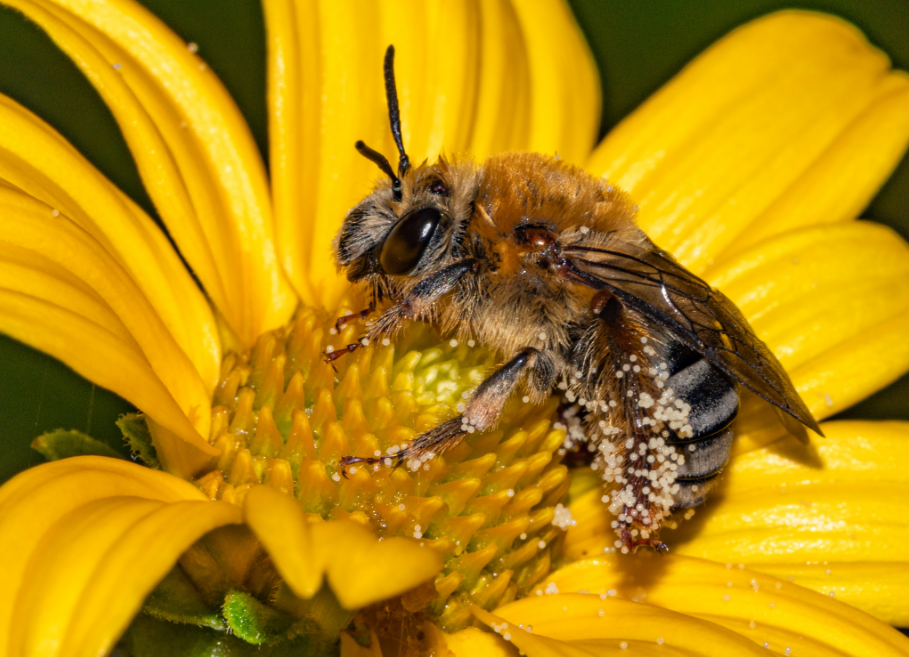
The Squash Bee is a fascinating species of bee that plays a crucial role in pollinating squash, pumpkin, and other cucurbit crops. Unlike honeybees, squash bees are specifically adapted to pollinate squash flowers. These solitary bees are active during the early morning and are known for their specialized behavior of collecting pollen from squash flowers. Although their range is somewhat limited compared to other bees, they are indispensable for the cultivation of many squash varieties.
Quick Top 10 Facts about Squash Bee
| SCIENTIFIC NAME | Peponapis pruinosa |
| CLASSIFICATION | KINGDOM: Animalia PHYLUM: Arthropoda CLASS: Insecta ORDER: Hymenoptera FAMILY: Apidae |
| SIZE | Length: 1–1.5 cm (0.4–0.6 inches) |
| SPECIES | Part of a larger family of squash bees that are pollinators of various cucurbit species. |
| APPEARANCE | Squash bees are typically large, with dark black or brown bodies, and their legs are covered with pollen-collecting hairs. |
| LIFE SPAN | Typically 1–2 years depending on environmental conditions. |
| HABITAT | Found in agricultural fields, gardens, and areas with abundant cucurbit plants such as squash, pumpkins, and melons. |
| DIET | Feed primarily on the pollen of squash, pumpkin, and other cucurbit flowers. |
| NATURAL PREDATORS | Birds, other predatory insects, and mammals. |
| COUNTRY | Native to North America, particularly in areas where cucurbit plants are grown. |
| GESTATION PERIOD | Squash bees lay their eggs in the soil near squash plants, where the larvae feed on pollen and nectar before emerging as adults. |
| CONSERVATION STATUS | Not endangered, but the species is threatened by habitat loss and the use of pesticides in agriculture. |
Amazing Facts About Squash Bee
1. Specialized Pollinators
Squash bees are particularly adapted to pollinating squash, pumpkin, and other cucurbit plants, making them essential for the growth of these crops.
2. Solitary Workers
Unlike honeybees, squash bees are solitary, with each female constructing her own nest to lay eggs and provide food for her offspring.
3. Active in the Early Morning
Squash bees are early risers, and they begin collecting pollen from squash flowers as soon as the sun rises.
4. Pollen-Heavy Legs
Their legs are covered with specialized hairs to collect and transport large amounts of pollen, making them highly efficient pollinators.
5. No Honey Production
Unlike honeybees, squash bees do not produce honey. Instead, they store pollen and nectar to feed their larvae.
6. Nesting in Soil
Squash bees create underground burrows in the soil, often near squash plants, where they store pollen and nectar to feed their larvae.
7. Short Life Cycle
The life cycle of a squash bee is relatively short, with adults living for only a few weeks, but they are critical during their brief time of activity.
8. Essential for Squash Crops
Squash bees are often the most effective pollinators of squash flowers, increasing fruit production and quality in cucurbit crops.
9. Limited Range
Although important for squash crops, squash bees are often found only in areas where cucurbit plants are grown, limiting their geographic range.
10. Vulnerable to Pesticides
The use of pesticides in agricultural fields can significantly affect squash bee populations, as they are sensitive to many chemicals used in crop protection.

Introduction to Squash Bees
Native Pollinators Vital to North American Agriculture
A vital but sometimes disregarded pollinator for squash and other cucurbits, such as pumpkins, zucchini, and melons, is the squash bee (genus Peponapis and Xenoglossa). These hard-working bees are essential to the ecosystems of wild plants and agriculture, particularly in areas where squash and kindred crops are cultivated. Native to North America, squash bees are an essential component of the ecological jigsaw that sustains food output and biodiversity because of their special adaptation to pollinate squash plants.
What Are Squash Bees?
Specialised Pollinators of the Cucurbitaceae Family
Pollinating plants belonging to the Cucurbitaceae family, which includes zucchini, squash, pumpkins, cucumbers and melons, is the speciality of the squash bee species. Squash bees are specialised and concentrate mostly on these particular plants, in contrast to honeybees, who are generalist pollinators and visit a broad range of plants. Native to North America, squash bees have established a tight bond with squash and pumpkin plants over thousands of years.
Main Genera: Peponapis and Xenoglossa
Squash bees belong to two main genera: Xenoglossa and Peponapis. Although these bees have several characteristics in common, their behaviour, nesting practices, and morphological characteristics vary somewhat. Notwithstanding these variations, all squash bees contribute to the pollination of squash plants, which makes it possible for these crops to bear fruit.
Physical Attributes of Squash Bees
Size and Appearance
- Squash bees are medium-sized bees, generally smaller than bumblebees but larger than honeybees.
- Their size typically ranges from 8 to 13 mm, depending on the species.
Colour and Hair Structure
- They display yellow and black coloration, common among members of the Apidae family.
- A fuzzy abdomen aids in capturing and transferring pollen efficiently.
Pollen Collection Adaptations
- Special body hairs are adapted for collecting pollen.
- Pollen baskets on their hind legs help in carrying pollen to nests.
Feeding and Pollinating Tools
- Squash bees have long mouthparts (proboscis) ideal for deep squash flowers.
- Their structure allows simultaneous nectar feeding and pollen transfer.
Flight Behaviour
- Unlike the erratic flight patterns of honeybees, squash bees fly in a straight line between flowers, improving pollination efficiency.
Life Cycle of Squash Bees
Development Linked to Squash Blooming Season
The squash and associated crop blossoming season is strongly linked to the squash bee life cycle. To understand how these bees’ population dynamics interact with agricultural demands, it is essential to comprehend their developmental stages:
Egg Laying
- Female squash bees deposit eggs in soil nests near squash plants.
- Loose or sandy soil is typically chosen for ease of digging.
Larval Feeding Stage
- Larvae are nourished with a mixture of nectar and pollen collected by the female.
- This mixture supports their growth into the pupal stage.
Pupation and Metamorphosis
- Larvae transition to the pupal stage and undergo metamorphosis.
- They eventually emerge as fully developed adult bees.
Emergence and Foraging
- Adults begin foraging and pollination shortly after emergence.
- The cycle restarts as new eggs are laid after mating.
Seasonal Activity Patterns
- Squash bees are active in early spring and summer, synchronised with squash blooming.
- Unlike honeybees, they are only seasonally active during cucurbit bloom periods.
Solitary Nesting Habits
- Each female constructs and maintains her own nest without a colony or queen.
- This solitary nature differentiates them from honeybees and bumblebees.

The Role of Squash Bees in Pollination
Why Squash Bees Excel as Pollinators
As specialised pollinators, squash bees have adapted to concentrate almost solely on pollinating plants in the Cucurbitaceae family. Because of their specialisation, they are very good at pollinating crops that need pollination to produce fruit, such as pumpkins and squash. Key details about their function in pollination are as follows:
Pollination Efficiency
- Squash bees are superior pollinators compared to honeybees for squash crops.
- They are naturally adapted to the structure of squash blossoms.
Timing of Foraging Activity
- Many squash bees begin foraging at dawn, before other pollinators are active.
- This ensures flowers are pollinated at peak receptivity.
Effective Pollen Transfer
- Pollen is moved from male to female flowers, enabling fruit set.
- This cross-pollination results in better fruit size and seed health.
Contribution to Agricultural Yields
- Squash bees significantly boost squash crop yields and quality.
- In squash-dominant agricultural zones, they are indispensable pollinators.
Threats to Squash Bee Populations
Challenges Impacting Squash Bee Survival
Squash bee populations suffer many risks that might affect their survival and efficacy as pollinators, despite their critical role in pollinating squash crops. Among the most notable difficulties are:
Habitat Loss
- Urban development and intensive farming reduce nesting habitats.
- Sandy or bare soils near squash fields are often disrupted.
Pesticide Exposure
- Broad-spectrum pesticides can unintentionally kill squash bees.
- Even residual chemicals on plants pose a threat to their health.
Climate Change Effects
- Weather shifts may misalign bee activity with squash blooming periods.
- Changing climates can also reduce availability of suitable nesting sites.
Competition with Honeybees
- High honeybee populations can outcompete squash bees for flower access.
- This can reduce pollination efficiency for cucurbit crops.
Protecting and Supporting Squash Bees
Conservation Strategies for Sustainable Agriculture
Squash bee conservation is crucial because of their vital function in pollinating squash crops and their susceptibility to habitat loss and chemical exposure. A few tactics to assist their people are as follows:
Preserving Natural Habitat
- Leave patches of bare soil or wildflower margins near squash fields.
- Undisturbed natural areas provide vital nesting grounds.
Reducing Pesticide Use
- Adopt Integrated Pest Management (IPM) to reduce chemical dependency.
- Use bee-safe or organic alternatives during flowering periods.
Education and Research
- Increase public and farmer awareness about squash bees’ value.
- Fund studies to better understand their biology and guide conservation efforts.
FAQ (Frequently Asked Questions) about Squash Bee
Q: What is a Squash Bee?
Ans: A squash bee is a solitary bee species that is specially adapted to pollinate squash, pumpkin, and other cucurbit plants.
Q: How do Squash Bees help crops?
Ans: Squash bees are essential pollinators for squash and pumpkin crops, helping to increase fruit production and improve quality.
Q: Are Squash Bees solitary or social?
Ans: Squash bees are solitary creatures, with each female building a nest for herself and her offspring, unlike honeybees which live in colonies.
Q: What do Squash Bees eat?
Ans: Squash bees primarily feed on the pollen and nectar from squash, pumpkin, and other cucurbit flowers.
Q: Where can Squash Bees be found?
Ans: Squash bees are found in agricultural fields, gardens, and areas with abundant cucurbit plants, particularly in North America.
Q: Are Squash Bees endangered?
Ans: While not currently endangered, squash bee populations are threatened by habitat loss and the use of pesticides in agriculture.
Q: How do Squash Bees pollinate flowers?
Ans: Squash bees collect pollen from squash flowers and transfer it to other flowers, facilitating fertilization and fruit development.
Q: Do Squash Bees make honey?
Ans: No, squash bees do not produce honey like honeybees. They store pollen and nectar to feed their larvae.
Q: How long do Squash Bees live?
Ans: Squash bees typically live for 1 to 2 years, but their adult life is short, lasting only a few weeks during pollination season.
Q: How can we protect Squash Bees?
Ans: Protecting squash bees involves reducing pesticide use and planting more squash and pumpkin plants to provide habitat and food sources for these important pollinators.
#SquashBee #Pollinators #CucurbitPollinators #SquashCrops #SolitaryBees #SustainableFarming #BeeConservation
Our sources and references about Squash Bee
1: Wikipedia – Squash Bee
2: National Geographic – Squash Bees
3: Gardening Know How – Squash Bees


